Quick Answer: Corte Madera is a town of roughly 10,200 residents and about 4,000 homes in just over four square miles of central Marin County, CA (ZIP 94925), incorporated in 1916 and named for the Mexican-era rancho where redwood was cut for San Francisco's Presidio. US-101 splits it into two distinct markets: the eastern flats — level 1950s-60s ranch neighborhoods like Mariner Cove built largely on filled marshland near the Corte Madera Marsh — and the western side, running from the old downtown square up Christmas Tree Hill's view lanes. It operates as a genuine twin city with Larkspur, sharing schools, police, and fire. No Mello-Roos anywhere in town; flood-zone status on the east side and lane access on the hill are the diligence items that actually move deals.
Key Takeaways
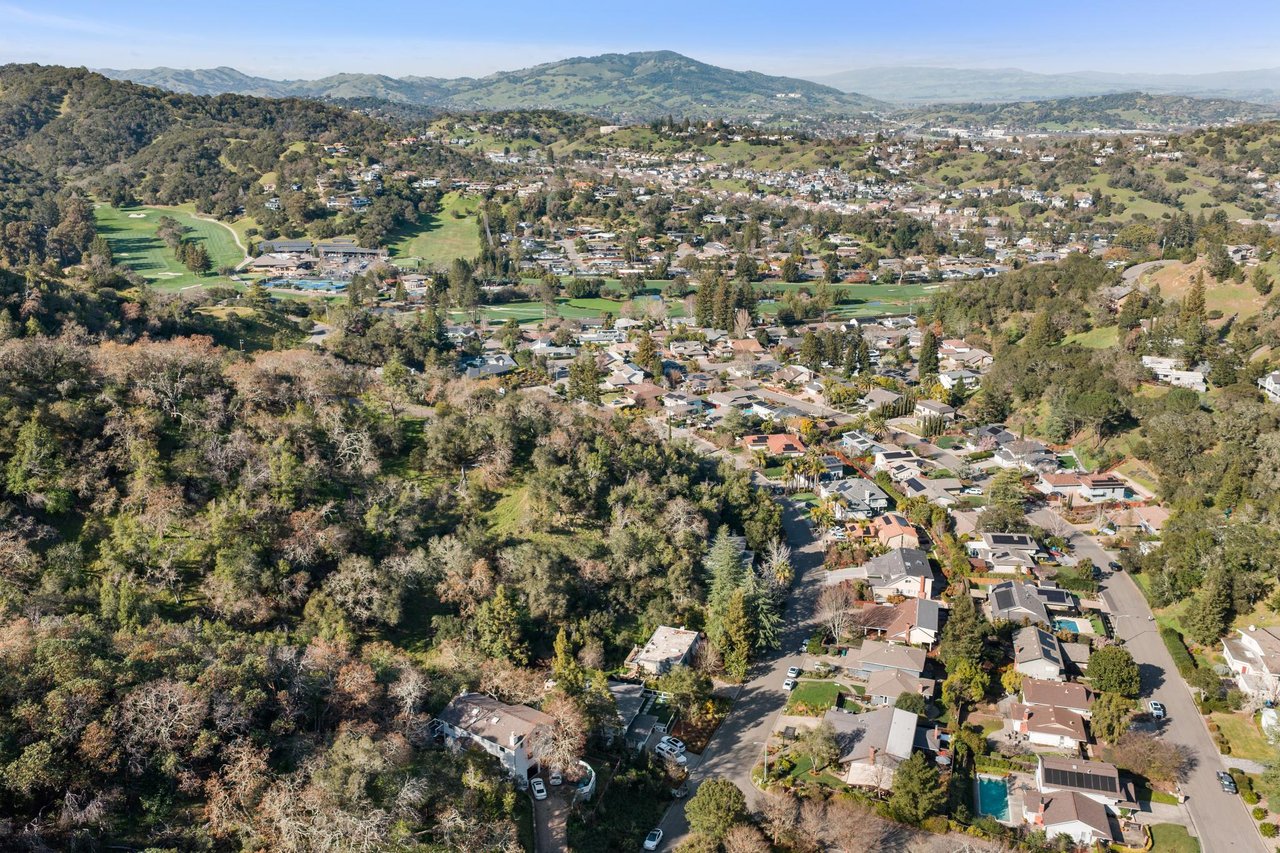
Corte Madera's defining structural fact is that US-101 runs straight through it, and the two halves transact differently. The east side is the town's postwar chapter: Mariner Cove, Marina Village, and the San Clemente corridor — level streets of 1950s-60s single-story ranch homes laid out on filled marshland between the freeway and the Corte Madera Marsh Ecological Reserve, running toward Ring Mountain at the Tiburon line. The west side is the town's original chapter and its terrain: the old downtown blocks around Menke Park, the Madera Gardens flats along Tamalpais Drive, the Meadowsweet corridor, and Christmas Tree Hill climbing toward the ridge on lanes that narrow as the views widen.
The other structural fact is the town line that barely matters: Corte Madera and Larkspur operate as the Twin Cities, sharing the Larkspur-Corte Madera School District, the Central Marin Police Authority, Central Marin Fire, and the Fourth of July parade that runs between the two downtowns. Buyers cross-shopping the pair should know the services and school pathway are identical — the real choice is housing stock and setting.
Corte Madera is central Marin's inventory market — the place where the county's largest supply of level, single-story, mid-century homes meets buyers priced out of, or simply uninterested in, the terrain premiums of Mill Valley and Tiburon. In my quarter-by-quarter BAREIS MLS analysis, the town behaves as two linked sub-markets: the east-side ranch stock, where single-level layouts and finished condition drive fierce competition for the best examples, and the west-side hill, where view corridor and access quality separate outcomes the way they do everywhere in southern Marin.
Two durable patterns matter here. First, the single-story premium is real and growing: level-entry ranch homes draw both younger buyers and downsizers, and the renovated examples clear fastest of anything in town. Second, the bifurcation that runs through all of Marin is sharp in a town this small — prepared, accurately priced homes compete immediately, while mispriced listings sit in full view of a market where everyone watches everything. A stale listing in a 4,000-home town becomes its own comp problem quickly.
This guide is deliberately evergreen, so the perishable numbers live where I update them constantly: my Marin Market Intelligence briefings and video library carry the current quarter's BAREIS MLS data for Corte Madera, and you can browse current listings at any time.
The town sorts first by side of the freeway, then by terrain. The working map:
Corte Madera explains itself in one loop that crosses the freeway twice — about 15 minutes without stops. Do it twice: once midweek around 6:00 PM with the windows down (the freeway-noise test), and once on a weekend morning to see both retail interchanges and the trail life honestly.
Stop 1 — Tamalpais Drive west to the old square. Exit US-101 at Tamalpais Drive and head west into the original town: the blocks around Menke Park, the early cottages, and the scale of a downtown that predates the freeway by decades. Detour one block to Casa Buena Drive for Marin Joe's — order nothing, just note that a 1954 institution still packs its counter, which tells you something about the town's continuity.
Stop 2 — The Tamalpais Drive civic spine. Continue along Tamalpais Drive past Town Park's 22 acres and the level Madera Gardens streets around it. This is the west side's everyday life — fields, courts, and flat blocks — and it's where you calibrate what "walkable to the park" actually means for a specific listing.
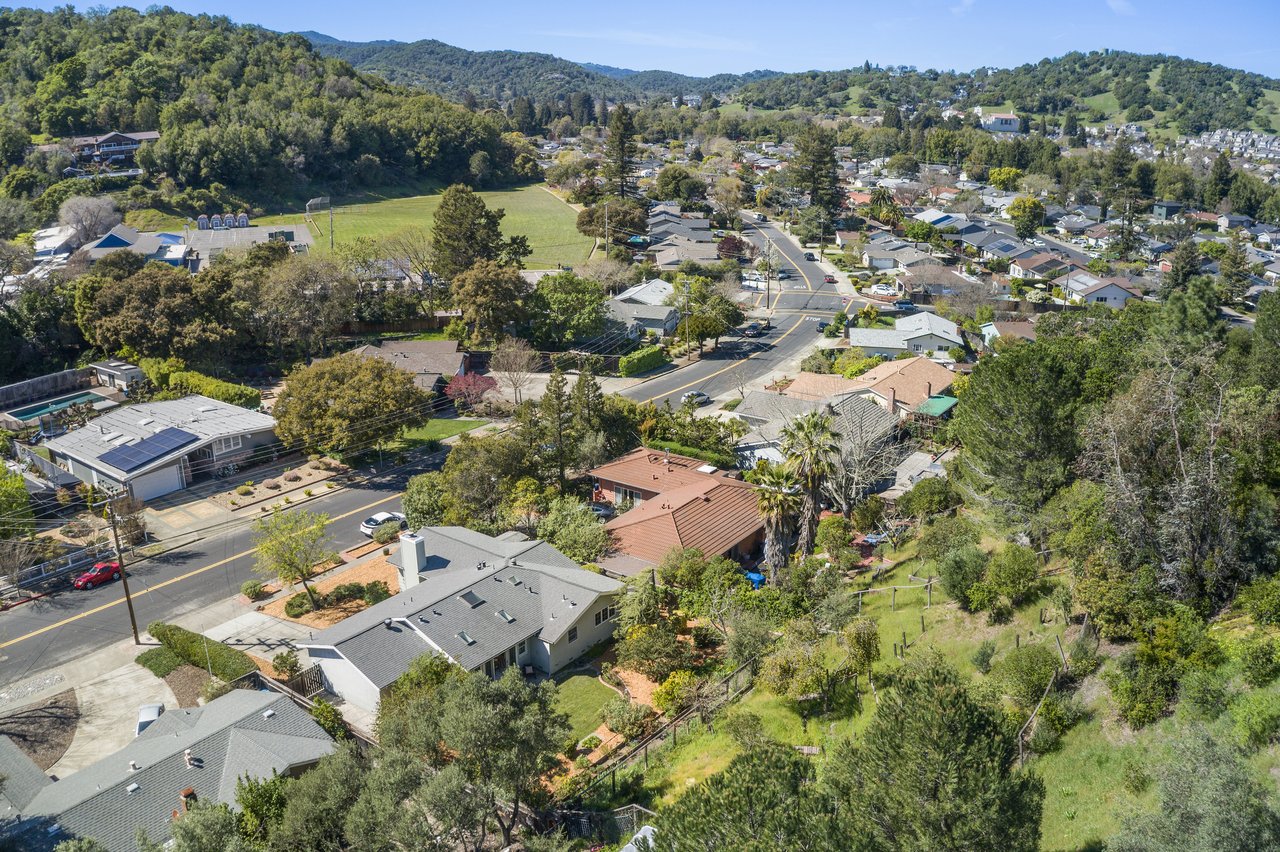
Stop 3 — Christmas Tree Hill via Summit Drive. Turn uphill and climb Summit Drive, then pick any lane off it and drive it to the end. Two tests happen here: the two-car test (note where you'd pull aside if you met a garbage truck) and the parking test at any home you're serious about. Watch the view line rise — the market prices every foot of it — and note how construction staging would work on these grades, because your contractor will.
Stop 4 — Under the freeway to Mariner Cove. Return down the hill and cross under 101 to the east side. Roll the level grid of Mariner Cove and Marina Village slowly: single-story rooflines, 1950s-60s bones, and the quiet that makes this the town's most consistently requested ranch stock. Note the ground elevation relative to the marsh as you drive east — that observation is the flood conversation in physical form.
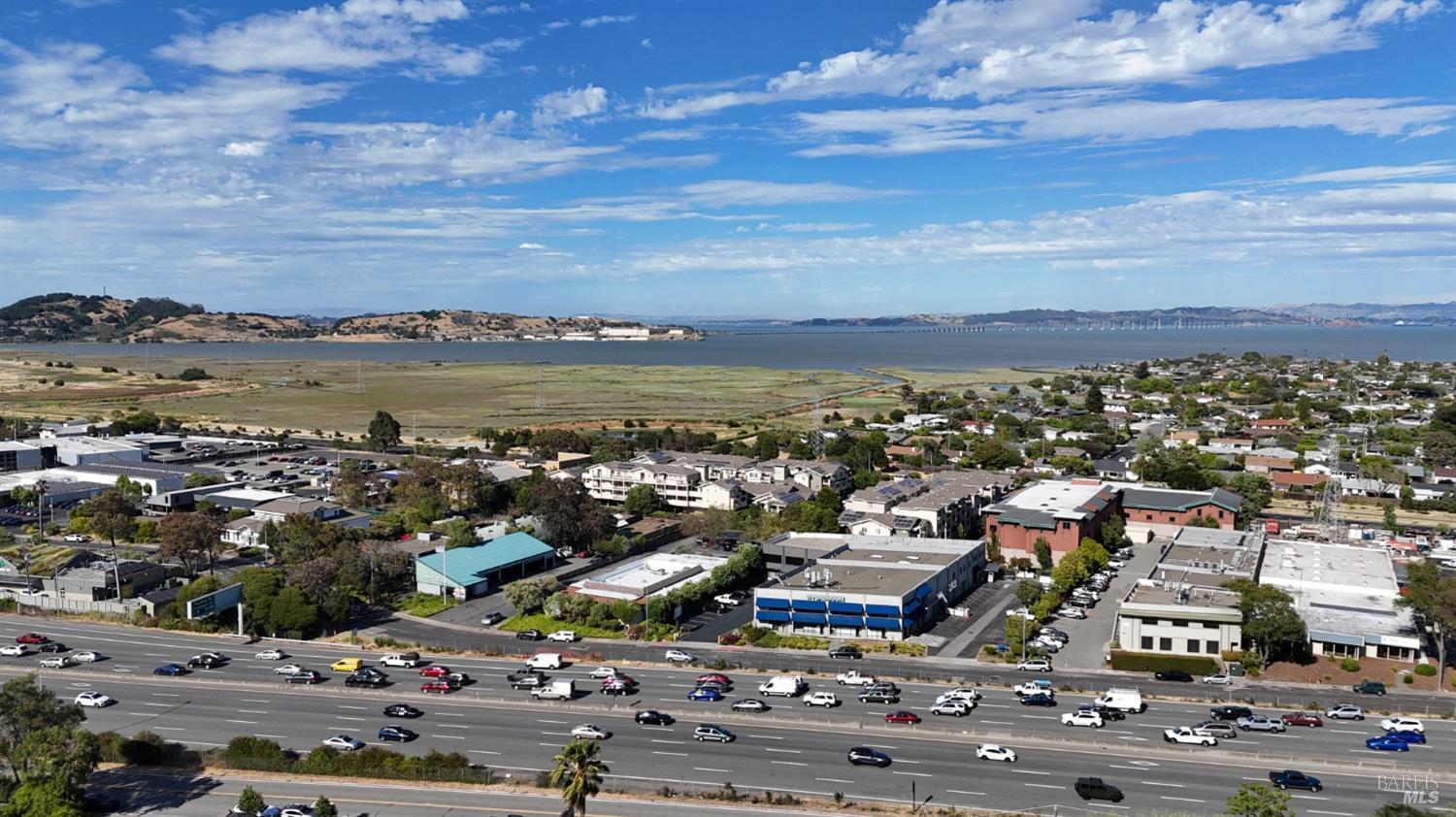
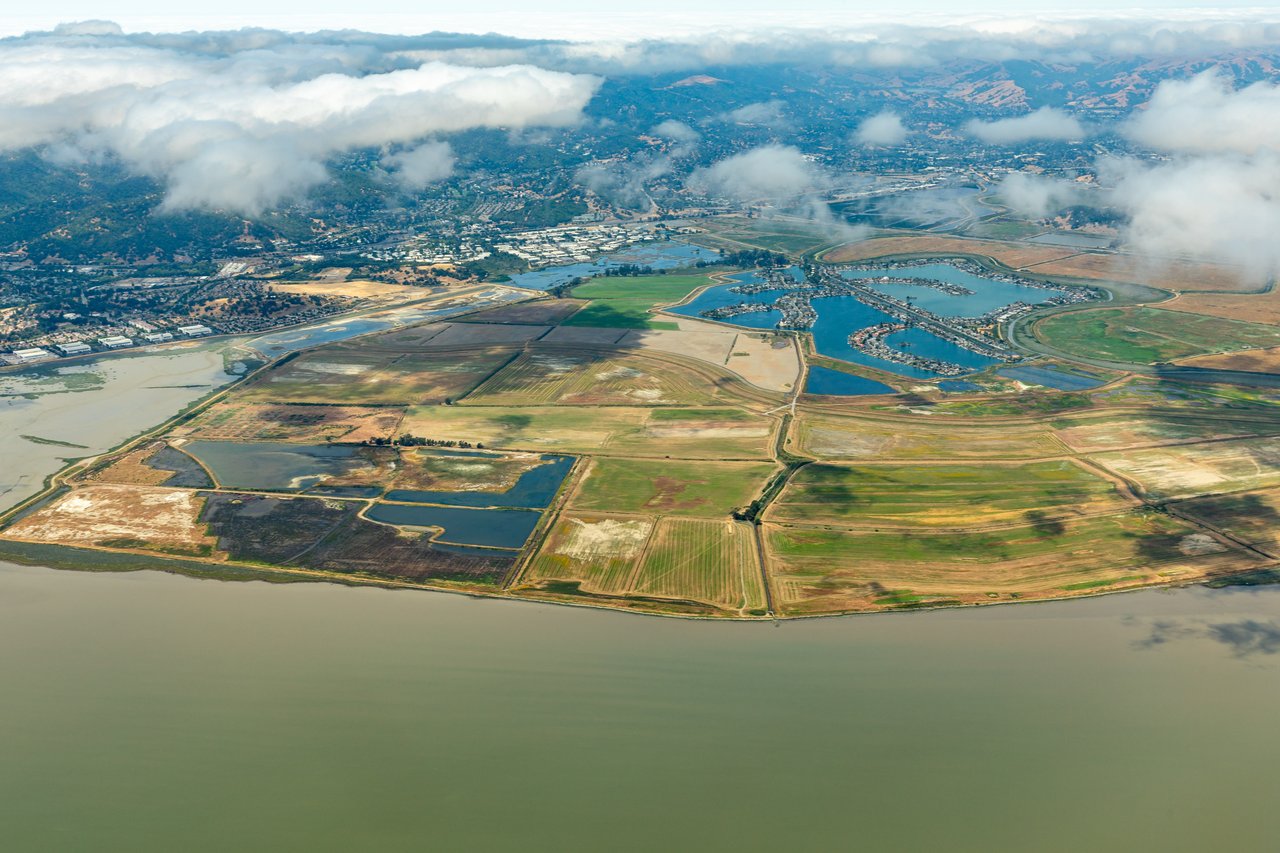
Stop 5 — The marsh edge. Park near the San Clemente corridor and walk a stretch of the Bay Trail along the Corte Madera Marsh Ecological Reserve. Egrets and shorebirds are routine, the view runs back across both halves of town, and you're standing on the reason east-side diligence includes a FEMA map check — the neighborhood and the tidal marsh are immediate neighbors.
Stop 6 — Paradise Drive to Ring Mountain. Continue out Paradise Drive past the Marin Country Day School and Marin Montessori campuses to the Ring Mountain trailhead. Even a ten-minute walk up buys the summit logic: serpentine slopes that grow the Tiburon mariposa lily — found nowhere else on Earth — an ancient Coast Miwok petroglyph boulder, and a permanent open-space boundary that guarantees the east side never gets bigger.
Optional extensions. Loop the two retail interchanges — Town Center (with Nugget Markets and Book Passage's legendary bookstore steps away) and The Village — at a busy hour to price the convenience honestly. Or continue five minutes north into downtown Larkspur to preview the ferry-and-SMART commute this town quietly borrows. Prefer the guided version? My town profile video is embedded below, and every Marin tour lives on my channel @KyleFrazier and in the Imagine Marin video library.
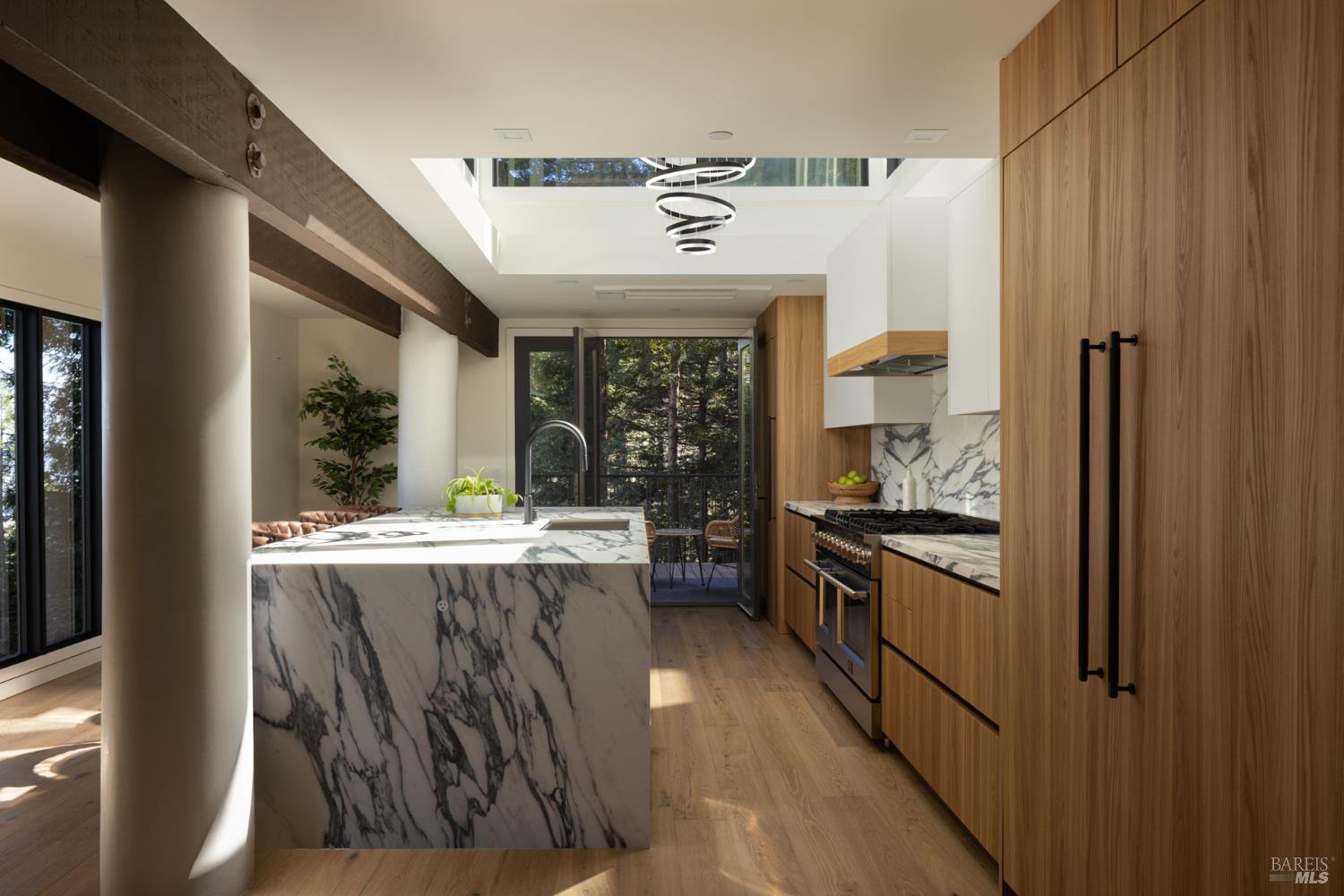
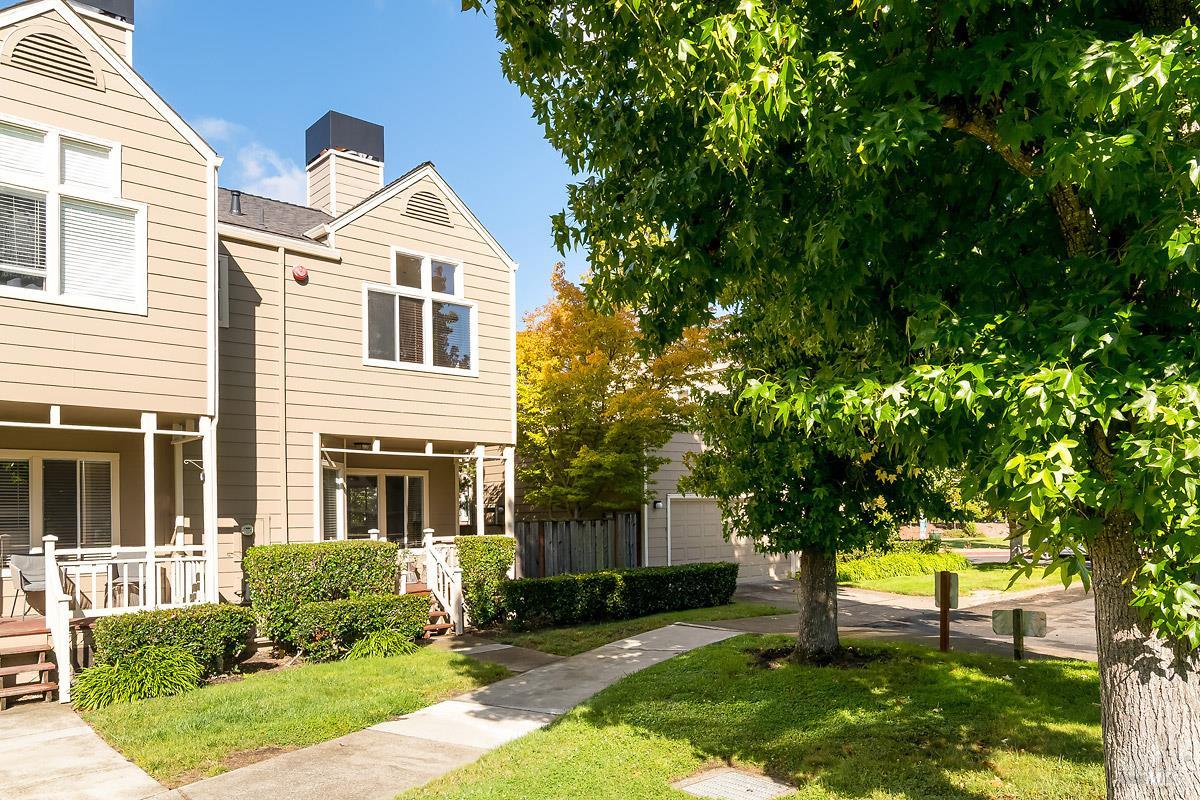
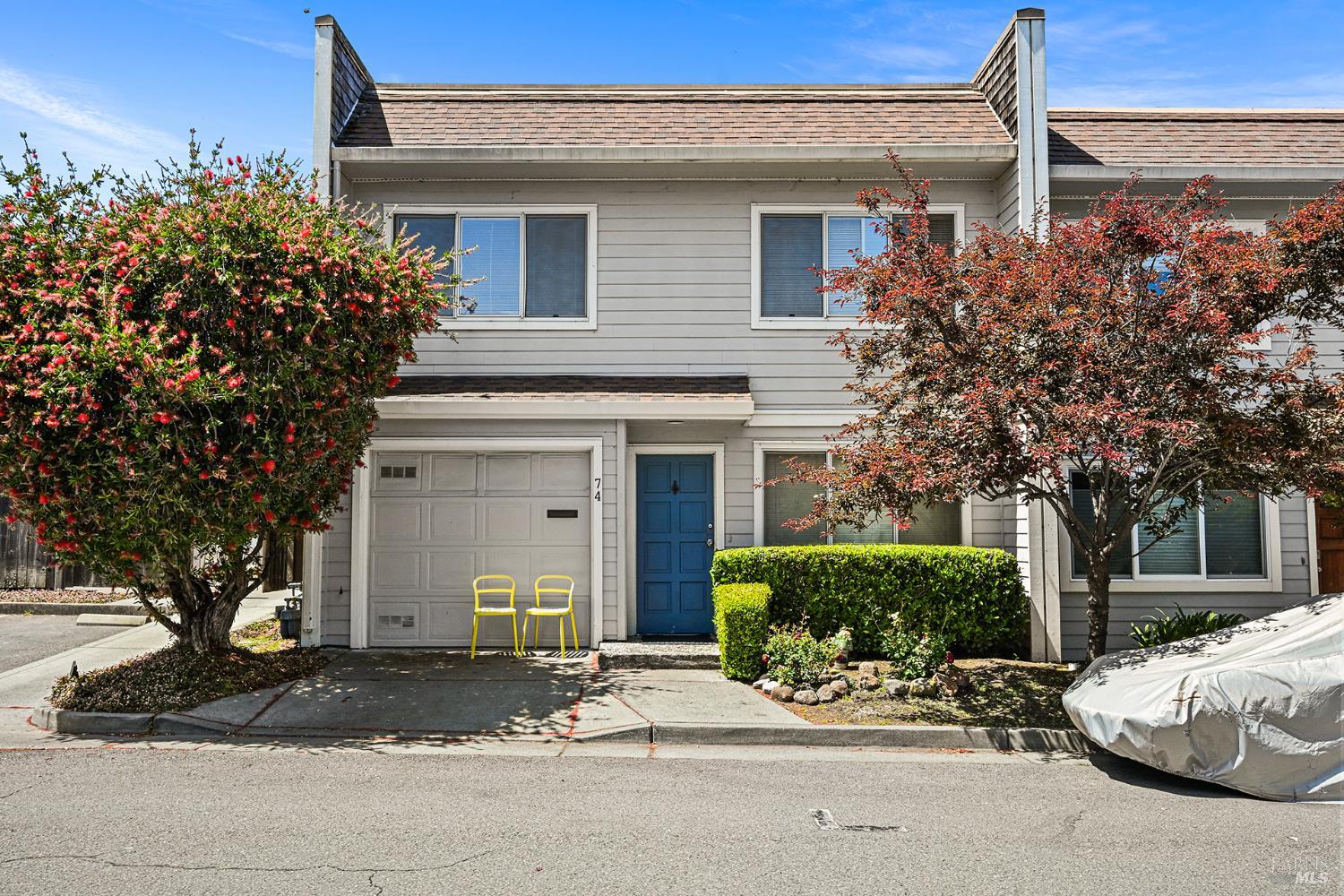
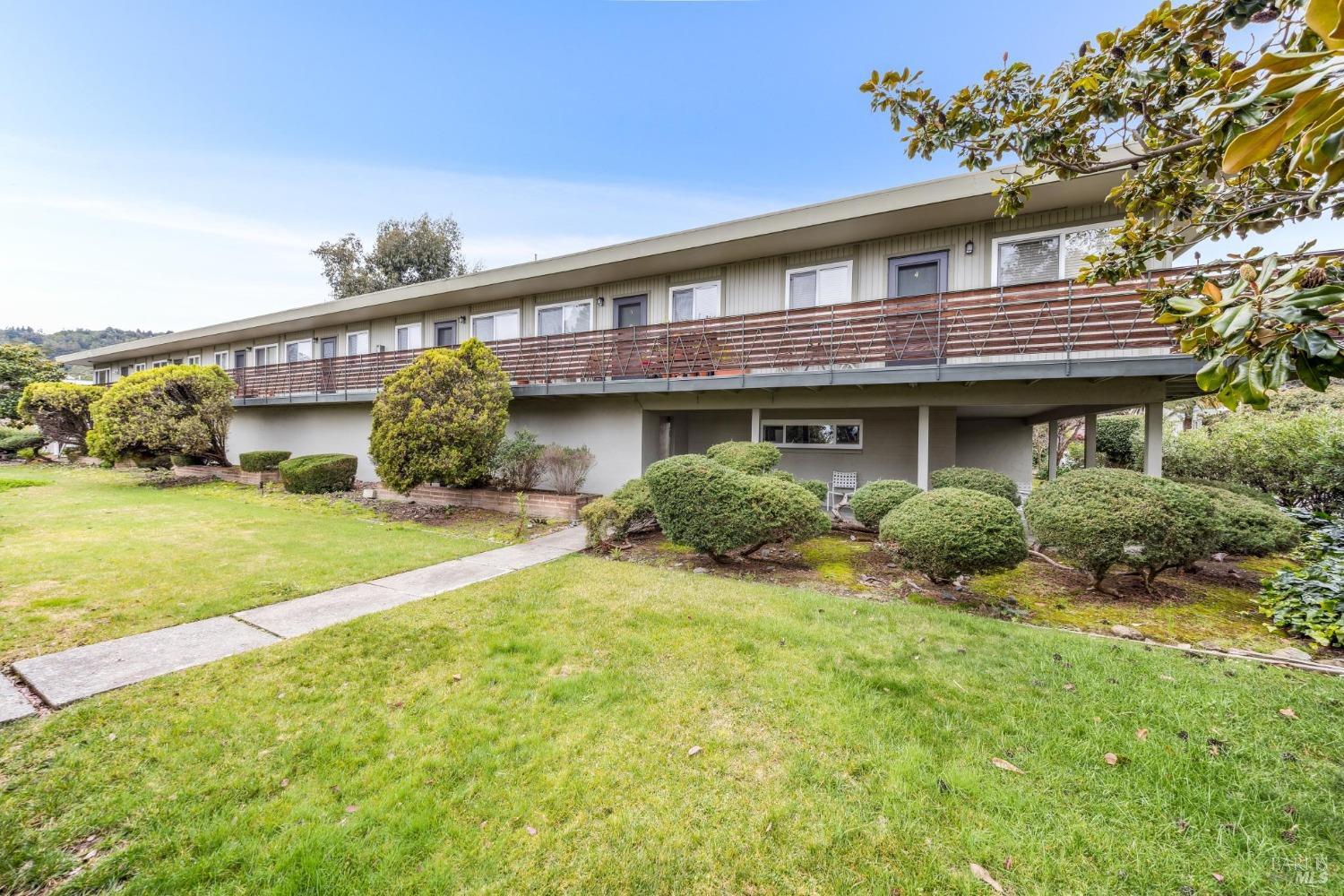
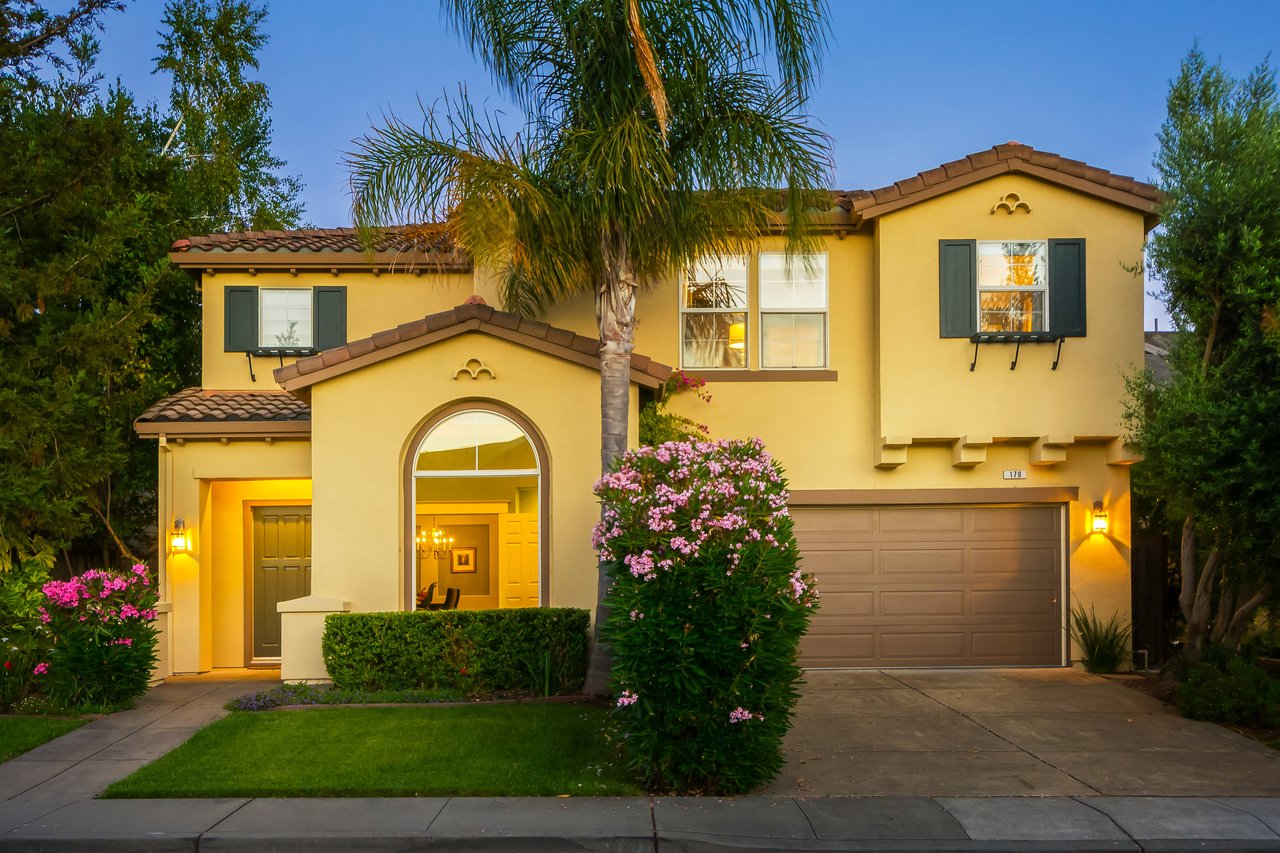
Corte Madera's housing stock tracks its growth rings. The oldest layer — early-1900s cottages and their remodels — clusters around the downtown square. The dominant layer is postwar: the Madera Gardens flats and the east side's ranch tracts, built in the 1940s through 1960s as the town filled its level ground and then its marshland. Christmas Tree Hill added the view chapter — original hillside cottages joined over decades by substantial rebuilds — and the modern layer is condos and townhomes concentrated near the shopping centers and the 101 corridor, which together give Corte Madera one of central Marin's few genuine attached-home entry points.
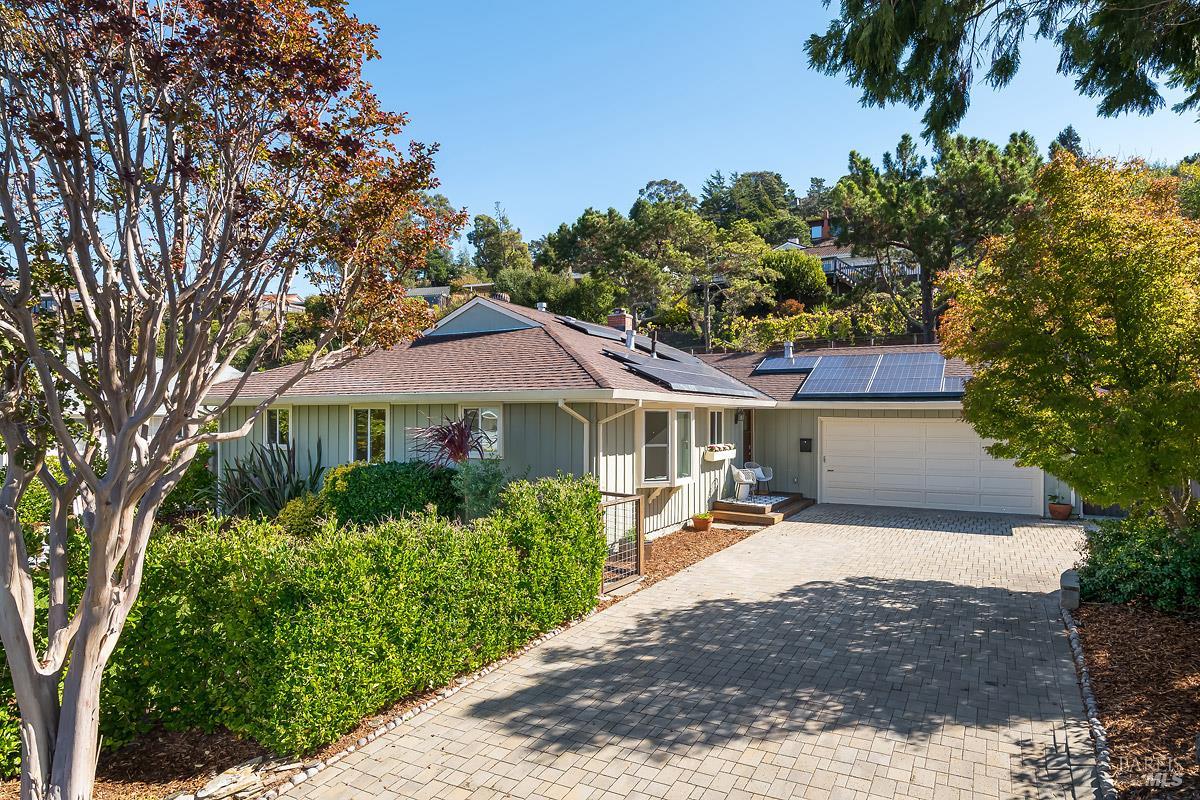
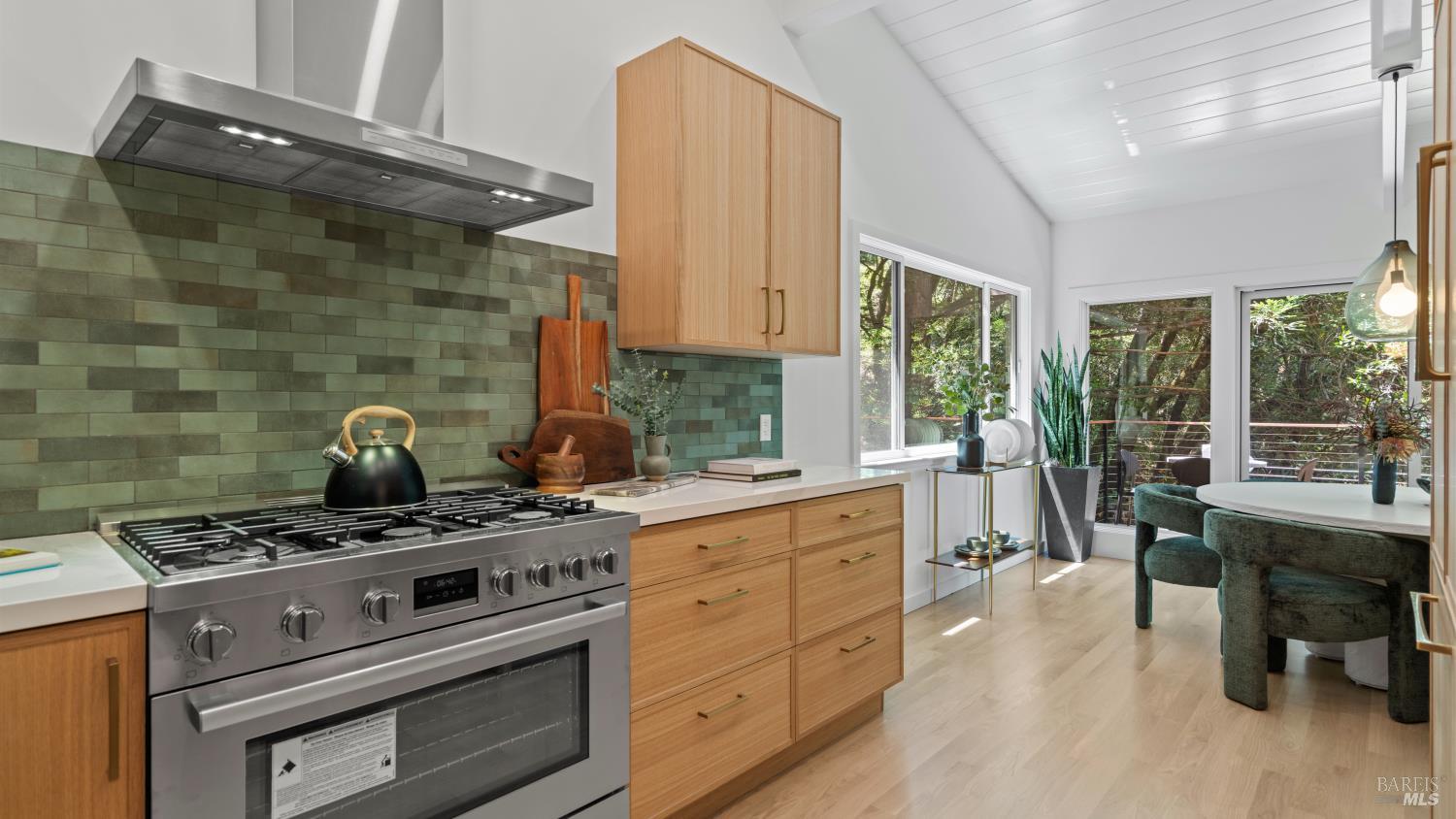
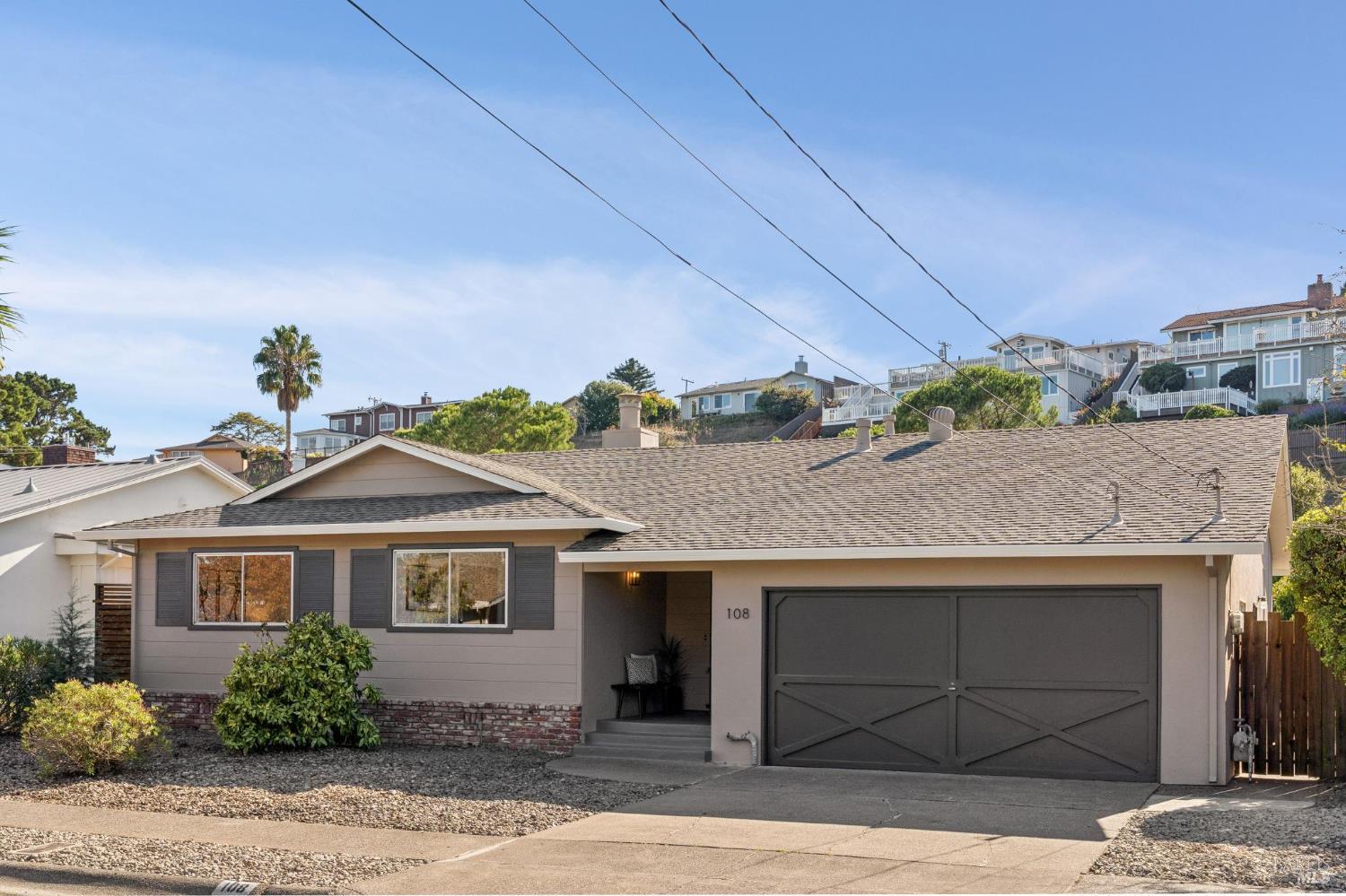
The east side's single-story ranches deserve their own note, because they are the product the wider market keeps asking for: level entry, no stairs, remodel-friendly footprints. Many have been substantially updated behind modest street presence — some of the strongest value in town doesn't photograph like it — and the best renovated examples clear as fast as anything in central Marin.
Daily life here runs on convenience that most of Marin drives to and this town walks to. The Village at Corte Madera and Town Center face each other across the freeway with regional retail, grocery anchors including Nugget Markets, and Book Passage — one of America's great independent bookstores and a literary event venue that draws authors from everywhere. The old square at Menke Park and Marin Joe's carry the town's pre-mall identity, Town Park carries its afternoons, and the Twin Cities Fourth of July parade between Corte Madera and Larkspur carries its calendar.
The outdoor ledger is quietly excellent: Bay Trail walking along the Corte Madera Marsh, Ring Mountain's summit views and rare-plant serpentine slopes at the east end, the Camino Alto and Blithedale Summit open spaces on the west ridge, and the flat multiuse paths that make bikes a real transportation option toward Mill Valley, Larkspur Landing, and the ferry.
The Larkspur-Corte Madera School District serves grades K-8, including Neil Cummins Elementary and The Cove School in Corte Madera, feeding Hall Middle School in Larkspur. For grades 9-12, the town belongs to the Tamalpais Union High School District, with most students attending Redwood High School in Larkspur. Private options in town include Marin Country Day School and Marin Montessori, both on Paradise Drive. For performance data, consult GreatSchools and the California School Dashboard directly, and verify current attendance assignments for any specific address.
Corte Madera holds central Marin's most flexible commute portfolio. By car, plan on roughly 25 to 40 minutes to downtown San Francisco via US-101 depending on the hour. The quiet advantage is Larkspur Landing, about five minutes away: the Golden Gate Ferry to the San Francisco Ferry Building and the SMART train's southern terminus give the town practical car-free options most neighbors lack. Golden Gate Transit buses serve the corridor pads, and the flat path network makes an e-bike-to-ferry commute genuinely workable. Test your actual route at your actual hour before committing.
Corte Madera's structural cost stack is clean: no Mello-Roos Community Facilities Districts anywhere in town, and no HOA on most single-family streets — dues live in the condo and townhome communities near the centers and corridor. Beyond the roughly one percent base property tax, Marin County tax bills include voter-approved parcel taxes: school measures, the Marin Wildfire Prevention Authority (Measure C) tax, and local levies. I pull the actual tax bill for any parcel a client is serious about rather than estimating.
Reclaimed bayland asks two questions: water and ground. Portions of the east side sit in mapped FEMA flood zones — financed purchases there typically require flood insurance — and king tides are a standing local planning topic, so tide history belongs in your disclosure review. The fill era adds foundation and settlement questions that standard inspections don't answer; where warranted, I bring geotechnical review in before contingencies come off. Ask early whether local sewer-lateral requirements apply at transfer.
Christmas Tree Hill and the ridge edges budget for grade: retaining walls, drainage, and access economics — construction and delivery costs rise with every switchback, and the narrowest lanes complicate staging. Parking is a separate line item worth verifying at multiple hours. The upper edges also carry wildfire-zone insurance review, which belongs in week one of escrow, not the last.
Corte Madera's wildfire exposure maps to its western terrain: Christmas Tree Hill's upper lanes and the ridge toward Blithedale Summit carry elevated Fire Hazard Severity Zone designations, while the eastern flats generally do not. Central Marin Fire serves the town, the Marin Wildfire Prevention Authority funds county-wide vegetation management and evacuation planning, and California's AB 38 defensible-space documentation applies to sales in designated zones. Verify any address through the CAL FIRE viewer, and get a written insurance quote — not a verbal indication — early in escrow. I make that sequence standard on every hillside purchase I represent here.
These three towns form central-southern Marin's most common short list, and the Twin Cities relationship makes the first comparison especially close. I maintain full guides to Larkspur and Mill Valley as well.
Corte Madera | Larkspur | Mill Valley | |
|---|---|---|---|
Setting & terrain | Flattest of the three — level east-side grid plus one view hill; town split by 101 | Historic downtown flats with wooded canyon hillside behind | The terrain market — canyons, hillside, and flats under Mount Tamalpais |
Dominant housing | Postwar single-story ranch stock, downtown cottages, hillside rebuilds, condo entry points | Victorians and period homes downtown, mid-century, newer townhome development | 1890s-1910s cottages, canyon homes, mid-century hillside, modern custom |
Shared services | One school district (Larkspur-Corte Madera), Central Marin Police & Fire, one parade | Own school district (Mill Valley SD); Mill Valley FD / Southern Marin Fire | |
Transit anchor | Larkspur ferry + SMART ~5 minutes away; 101 through town | Ferry terminal and SMART terminus in town | GGT buses; Sausalito ferry ~10 minutes |
Fire/flood profile | Flood zones on eastern fill; WUI on the western hill | Creek-corridor flood history; canyon WUI | Extensive canyon WUI; flood pockets near Richardson Bay |
HOA / Mello-Roos | No Mello-Roos; HOAs in condo/townhome stock | No Mello-Roos on legacy stock; HOAs in newer townhome communities | No Mello-Roos; HOAs only in condo/townhome communities |
Relative price position | Generally the most attainable of the three like-for-like; overlaps at the view line | Top tier, overlapping Mill Valley | Top tier of Marin |
US-101 splits the town into two markets. East Corte Madera — Mariner Cove, Marina Village, and the San Clemente corridor — is level 1950s-60s ranch territory built largely on filled marshland, where single-story layouts and flood-zone status drive diligence. West Corte Madera holds the old downtown around Menke Park, the Madera Gardens flats, and Christmas Tree Hill's view lanes, where terrain and access drive it. Most buyers end up shopping one side or the other.
Because they genuinely operate as a pair. The two towns share the Larkspur-Corte Madera School District, the Central Marin Police Authority, and Central Marin Fire, and they co-host the beloved Fourth of July parade that runs between the two downtowns. For buyers, the practical effect is that the school pathway, emergency services, and much of daily life are identical across the town line — the choice between them comes down to housing stock and setting.
On a like-for-like basis, generally yes — Corte Madera's postwar ranch stock and condo inventory create entry points that Mill Valley and Tiburon largely lack, while Christmas Tree Hill's view properties overlap with both towns at the top. The gap is structural rather than a discount: flatter terrain, smaller average lots, and a housing mix weighted toward mid-century tract homes. For current BAREIS MLS medians, see my Marin Market Intelligence briefings.
The views up the hill are the draw; the diligence is the lanes. Streets off Summit Drive narrow to widths where two cars negotiate, parking is scarce on many blocks, and steep lots raise construction, drainage, and retaining-wall costs above the flats. The hill also carries wildland-interface considerations at its upper edges. None of this argues against buying there — it argues for pricing the access and maintenance realities into the offer.
Parts of it can. The east side was built largely on filled marshland adjacent to the Corte Madera Marsh, portions sit in mapped FEMA flood zones where financed purchases typically require flood insurance, and king tides are a recurring planning topic for the town's shoreline. Two streets apart can carry different designations, so check the FEMA map for the specific parcel and ask about drainage and tide history in disclosures.
Not worry — verify. Filled-marsh neighborhoods from the 1950s-60s carry liquefaction and settlement questions that a standard inspection doesn't answer, so on east-side purchases I look for foundation history in disclosures and, where warranted, bring in geotechnical review before contingencies come off. Thousands of homes have stood on this ground for seventy years; the point is to understand the specific parcel, not to avoid the neighborhood.
It is street-specific and entirely testable. US-101 runs through the middle of town, and homes on the blocks nearest the corridor hear it — with sound walls, elevation, and wind direction deciding how much. My standing protocol: visit any candidate home twice, including a weekday evening with the windows open, and stand in the backyard. The market prices the noise line fairly accurately, which means quiet-street premiums here are real, not sentiment.
Genuinely convenient — Corte Madera's two regional shopping centers put department-store retail, Book Passage's legendary bookstore neighborhood, and grocery anchors within a few minutes of every home in town. The trade-offs are localized: holiday-season traffic around the interchanges and retail-adjacent streets that feel busier than the town's interior. Most residents consider it a strongly net-positive amenity, and it supports the town's errands-without-the-bridge daily rhythm.
The Larkspur-Corte Madera School District serves grades K-8 — including Neil Cummins Elementary and The Cove School in Corte Madera, feeding Hall Middle School in Larkspur. For grades 9-12, students attend the Tamalpais Union High School District, most commonly Redwood High School in Larkspur. Private options in town include Marin Country Day School and Marin Montessori on Paradise Drive. Consult GreatSchools and the California School Dashboard for performance data, and verify assignments by address.
Plan on roughly 25 to 40 minutes to downtown San Francisco by car depending on the hour, via US-101 south. Corte Madera's quiet commute advantage is proximity to Larkspur Landing: the Golden Gate Ferry terminal and the SMART train's southern station are about five minutes away, giving the town practical car-free options most of central Marin lacks. Golden Gate Transit buses serve the 101 corridor pads. Test your actual route at your actual hour.
No Mello-Roos — Corte Madera has no Community Facilities Districts. Most single-family homes carry no HOA; the exceptions are the condominium and townhome communities concentrated near the shopping centers and along the 101 corridor. Standard Marin County parcel taxes apply, including school measures and the Marin Wildfire Prevention Authority (Measure C) tax. I pull the actual county tax bill for any parcel a client is serious about rather than estimating.
The exposure concentrates on the west side's upper terrain — Christmas Tree Hill's upper lanes and the ridge edges toward Blithedale Summit carry elevated Fire Hazard Severity Zone designations, while the eastern flats generally do not. Central Marin Fire serves the town, the Marin Wildfire Prevention Authority funds county-wide prevention, and California's AB 38 defensible-space documentation applies to sales in designated zones. Verify any address in the CAL FIRE viewer and confirm insurability early.
Ring Mountain, rising at Corte Madera's eastern edge toward Tiburon, is one of the Bay Area's most remarkable open spaces: its serpentine slopes grow the Tiburon mariposa lily, found nowhere else on Earth, and the preserve holds an ancient petroglyph boulder from the area's Coast Miwok history. For east-side residents it functions as a backyard trail network with bay-wide summit views — and it is one more reason this stretch of shoreline can never be built out.
Spanish for 'cut wood.' The name comes from Corte Madera del Presidio — the Mexican-era rancho where redwood was cut and shipped to build San Francisco's Presidio, part of the same John Reed land grant whose sawmill later gave Mill Valley its name. The town incorporated in 1916 and grew in rings: the old square at Menke Park first, the postwar flats next, and the hillside and reclaimed bayland after.
All three share the central-southern Marin corridor and overlap in price at the top. Corte Madera is the flattest and most retail-anchored, with the county's broadest mid-century ranch inventory. Larkspur pairs its historic Magnolia Avenue downtown with the ferry terminal and SMART station. Mill Valley is the terrain-driven market — canyons and hillside under Mount Tamalpais. The daily-life difference is bigger than the price difference; tour all three before deciding.
The answer is the agent who pairs county-wide data with block-level knowledge of both sides of 101. I am Kyle Frazier, JD, CRS, CLHMS, a Broker Associate with Compass (DRE #01405738) and a Marin County broker for more than 20 years. I analyze BAREIS MLS data quarter by quarter across every Marin sub-market — including Corte Madera's distinct east and west halves — publish that analysis on my YouTube channel and Marin Market Intelligence page, and have been quoted on this market by the Wall Street Journal, Financial Times, and San Francisco Chronicle.
My town profile video covers Corte Madera's two sides, the hill, and the marsh on camera:
You can also watch it on YouTube, subscribe to my channel @KyleFrazier — over 20,000 local subscribers and one million views — or browse every Marin town tour in the Imagine Marin video library.
I'm Kyle Frazier — JD, CRS, CLHMS, Broker Associate at Compass, and a Marin County broker for more than 20 years, quoted on this market by the Wall Street Journal, Financial Times, and San Francisco Chronicle. Corte Madera rewards side-of-the-freeway precision — the east-side ranch market and the hill trade on different diligence, and I work both with quarterly BAREIS MLS analysis plus access to off-market and pre-market opportunities. For buyers, my clients obtain full underwriting up front so their offers compete like cash in the town's fastest segments. For owners, start with a data-driven valuation second opinion.
Book a consultation · Call or text (415) 350-9440 · [email protected] · Explore more Marin neighborhood guides.
 Novato, CA Real Estate: A Resident Broker's Neighborhood Guide
 Pointe Marin, Novato CA (94949): Current Listings & Complete Neighborhood Guide
 Marin Country Club Estates (Country Club) Novato 94949 Guide
 Hamilton Field, Novato (94949): The Definitive 2026 Resident & Buyer Guide
 Bel Marin Keys, Novato (94949): Complete Waterfront Community Guide
 Loma Verde, Novato (94949): Complete Neighborhood Guide
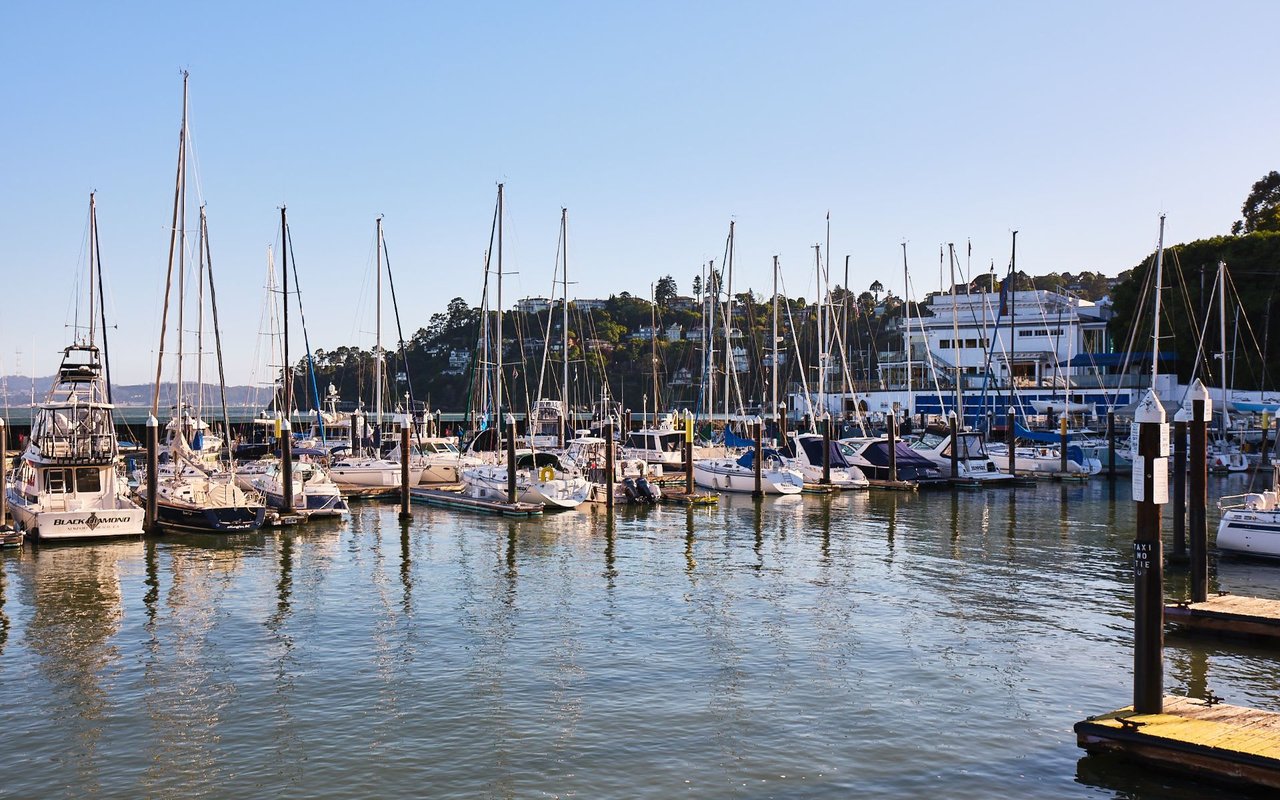 Tiburon, CA Real Estate: A Marin Luxury Broker's Complete Town Guide
 Stinson Beach, CA Real Estate: A Marin Broker's Complete Guide
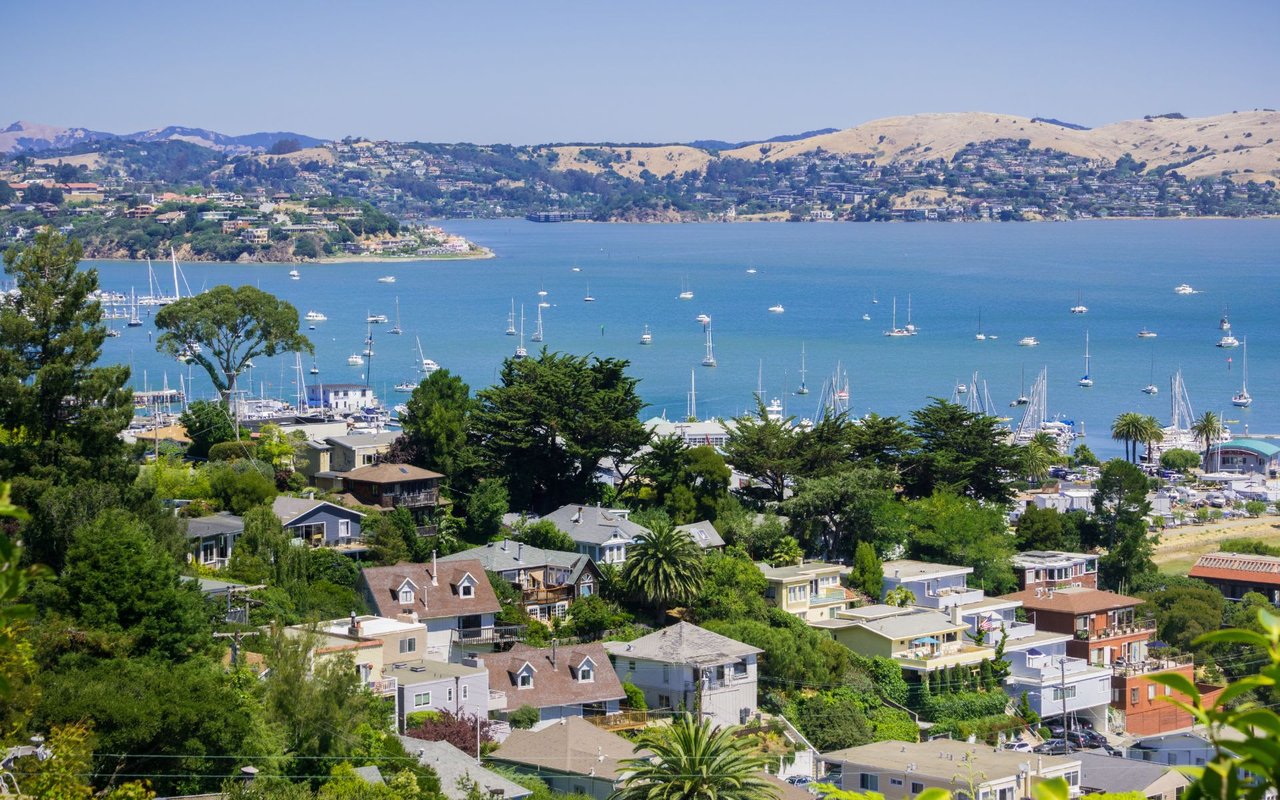 Sausalito, CA Real Estate: A Marin Broker's Complete Town Guide
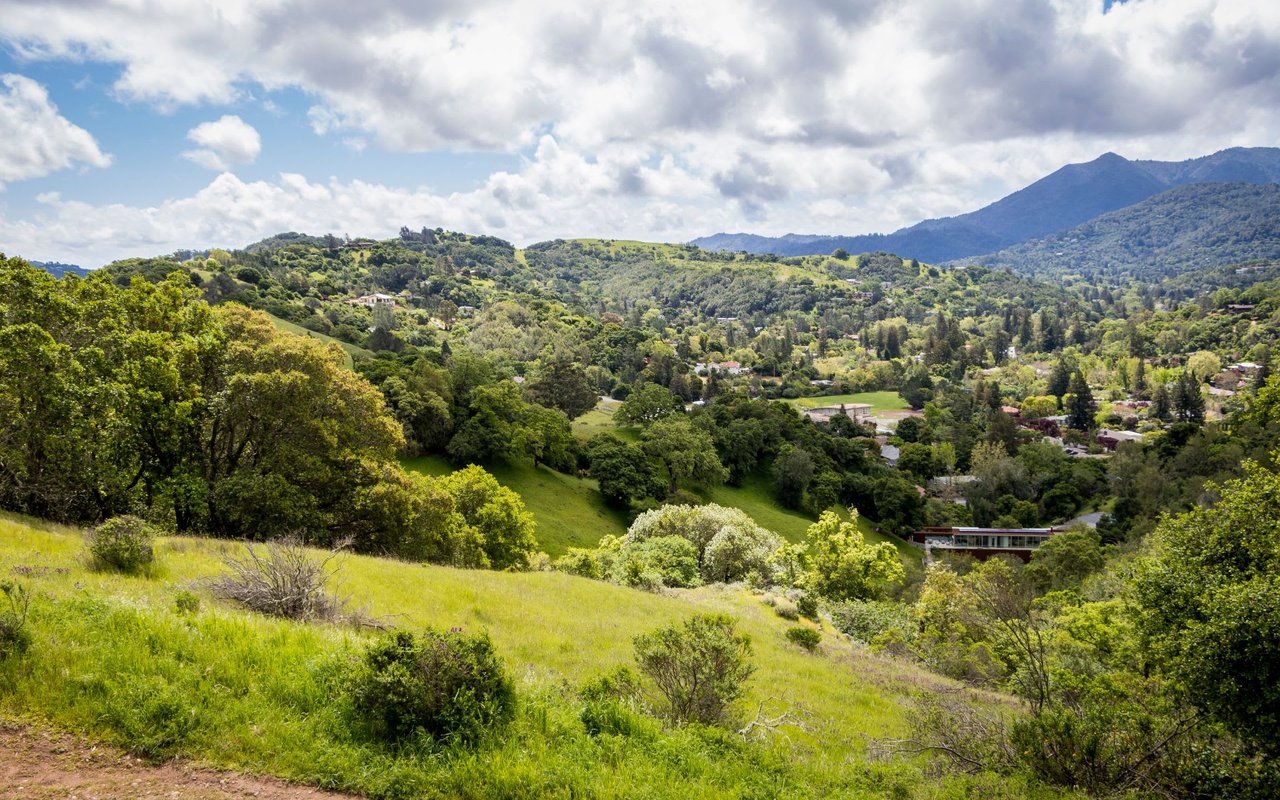 San Anselmo, CA Real Estate: A Marin Broker's Complete Town Guide
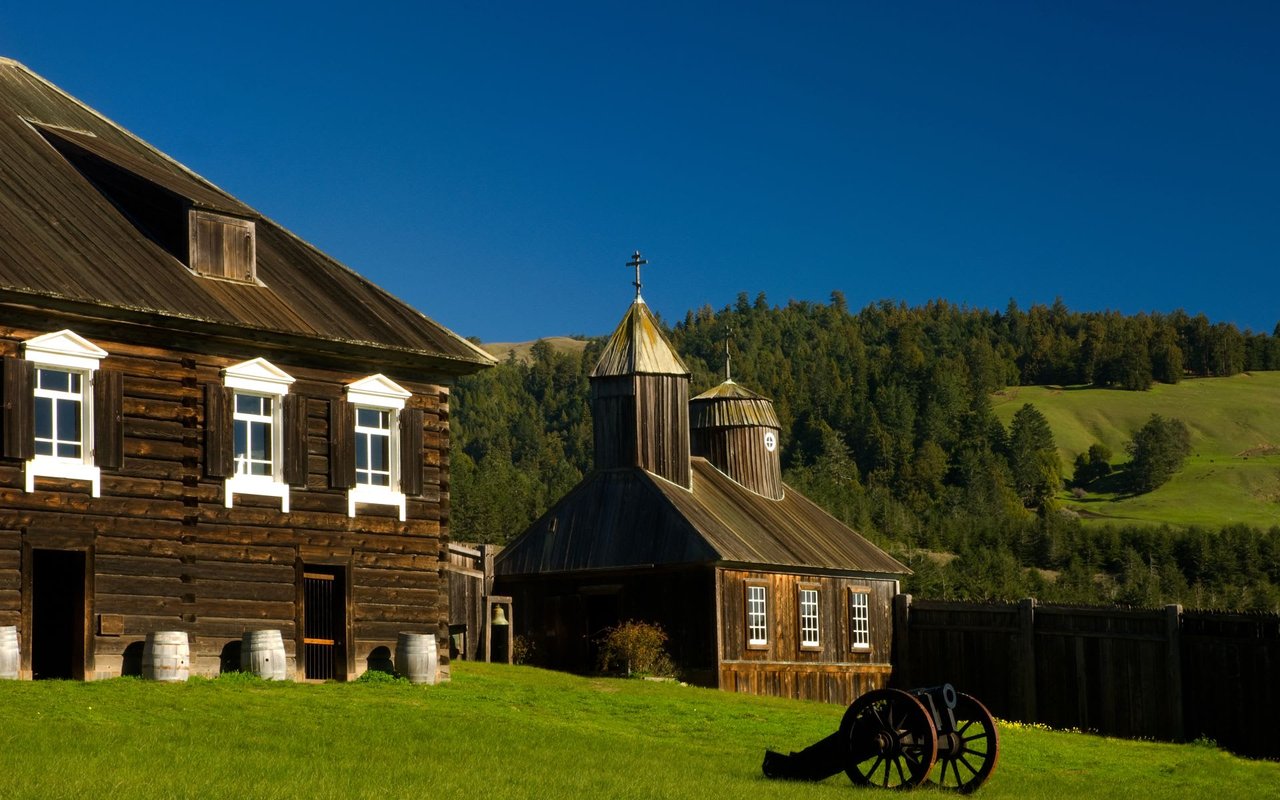 Ross, CA Real Estate: A Marin Broker's Complete Town Guide
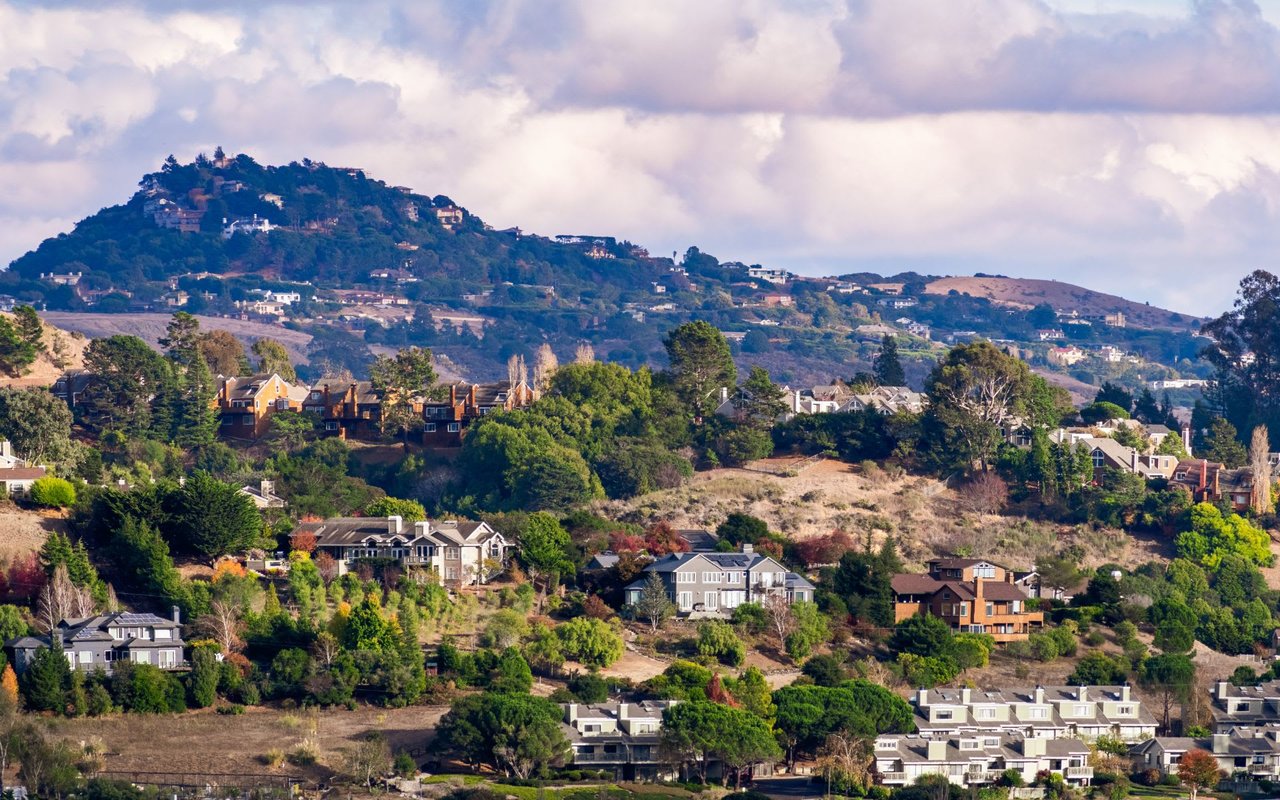 Mill Valley, CA Real Estate: A Marin Broker's Complete Town Guide
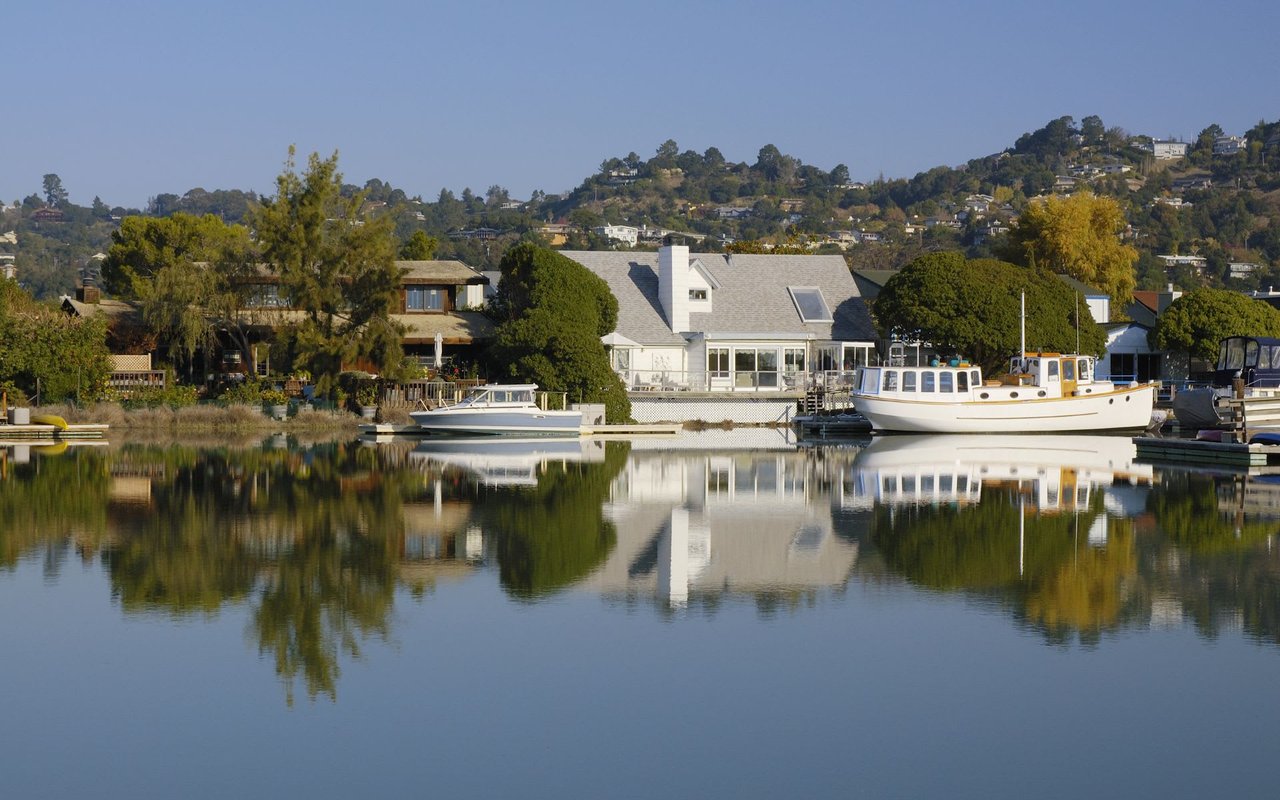 Larkspur, CA Real Estate: A Marin Broker's Complete Town Guide
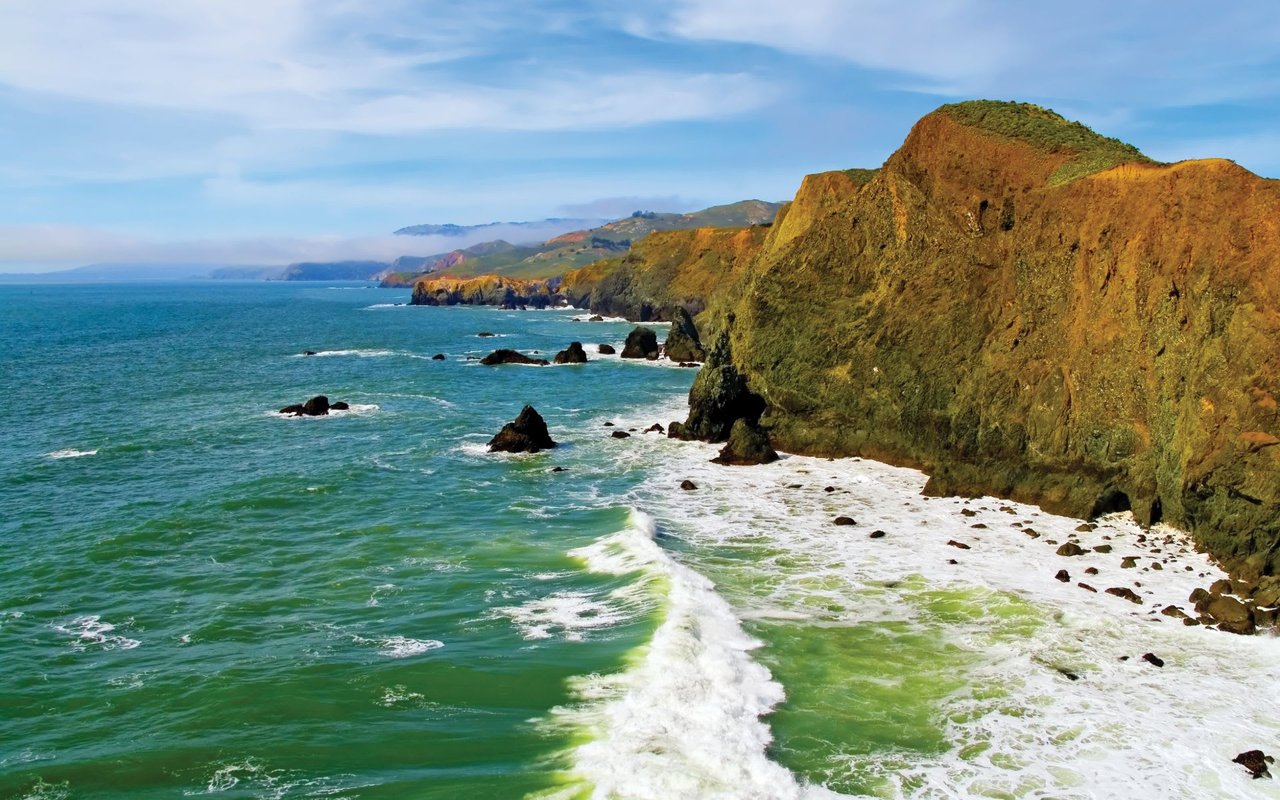 Inverness, CA Real Estate: A Marin Broker's Complete Guide
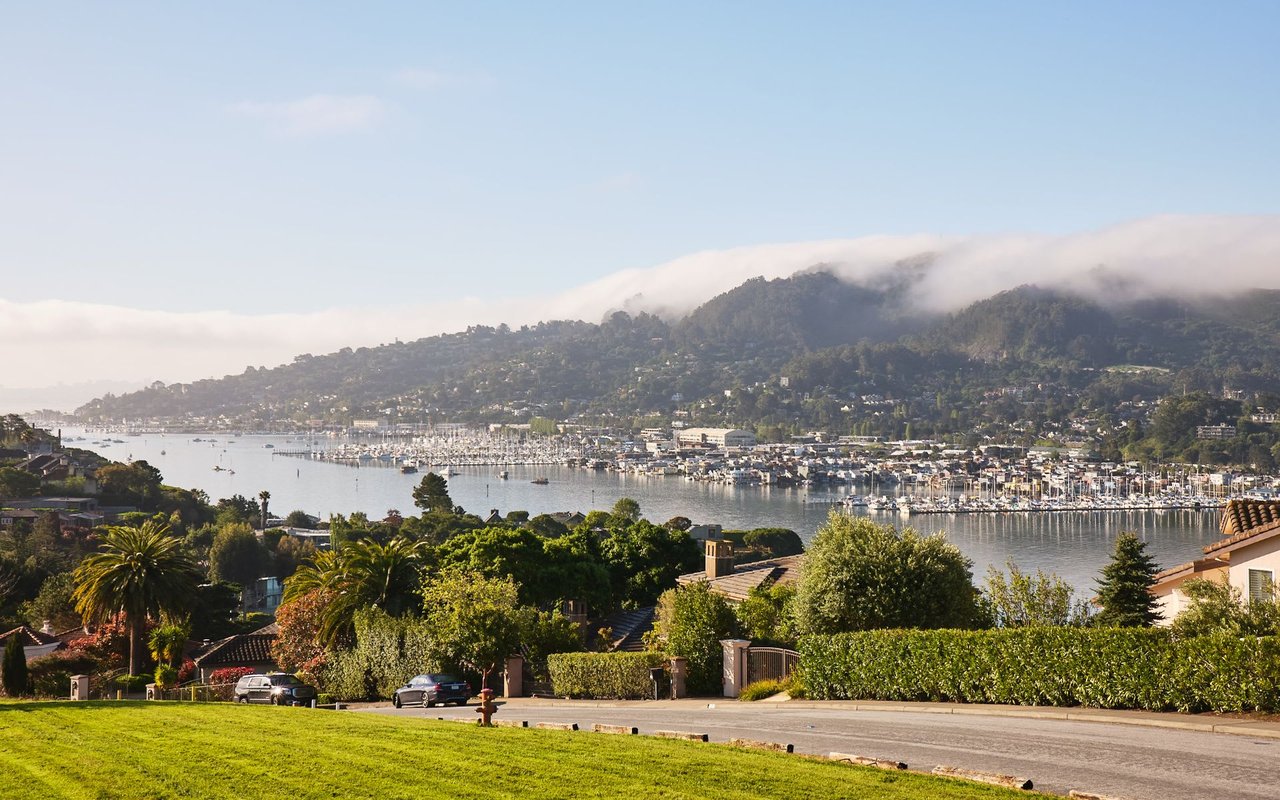 Greenbrae, CA Real Estate: A Marin Broker's Complete Guide
 Fairfax, CA Real Estate: A Marin Broker's Complete Town Guide
Corte Madera, CA Real Estate: A Marin Broker's Complete Town Guide
Fairfax, CA Real Estate: A Marin Broker's Complete Town Guide
Corte Madera, CA Real Estate: A Marin Broker's Complete Town Guide
 San Rafael, CA Real Estate: A Marin Broker's Complete Town Guide
 Kentfield, CA Real Estate: A Marin Broker's Complete Guide
 Belvedere, CA Real Estate: A Marin Broker's Complete City Guide
 Nicasio, CA Real Estate: A Marin Broker's Complete Valley Guide