Quick Answer: Fairfax is a town of roughly 7,600 residents at the western end of Marin County's Ross Valley (ZIP 94930), incorporated in 1931 and grown from an early-1900s railroad summer resort into the county's independent, outdoors-first town. Its claims are genuine: mountain biking was invented on the Repack downhill above town in the late 1970s and the Mountain Bike Hall of Fame sits in downtown's Marin Museum of Bicycling; a formula-retail ordinance keeps the Bolinas-and-Broadway downtown entirely independent; and White's Hill at the town's edge is West Marin's literal doorstep. Fairfax is generally the Ross Valley's most attainable entry, trading the valley's longest 101 commute for wilderness at the property line. No Mello-Roos; creek flood zones on the flats and single-egress wooded canyons on the hills are the diligence items that move deals.
Key Takeaways
Fairfax is where the Ross Valley runs out of suburb. Sir Francis Drake Boulevard arrives from San Anselmo, threads the downtown at Bolinas Road and Broadway, and climbs White's Hill at the town's western edge — beyond which lie the San Geronimo Valley, Samuel P. Taylor's redwoods, and the West Marin coast. Bolinas Road runs the other direction out of downtown, south past the Meadow Club's 1927 Alister MacKenzie golf course to Alpine Lake and the Mount Tamalpais watershed. The town sits at the hinge of all of it, which is precisely its identity: the last full-service downtown before the wilderness, and the first town the wilderness reaches back into.
Fairfax's independence is structural, not just cultural. The town restricts formula retail, which keeps the downtown one-of-one; its planning culture runs hands-on; and its housing stock — grown from early-1900s summer cabins along the old rail line — resists standardization by nature. Buyers who want predictability shop elsewhere. Buyers who want character with wilderness attached end up here.
Fairfax is the Ross Valley's attainability-and-character market. In my quarter-by-quarter BAREIS MLS analysis, it consistently supplies the valley's most accessible single-family entries — cottages and cabins on the flats and lower slopes — while its hillside and view homes overlap San Anselmo's mid-range. The buyer pool is distinctive: first-time buyers priced out of the central corridor, outdoor-oriented households buying proximity to the watershed, and remote workers for whom the longer 101 commute is a rounding error rather than a daily tax.
Two durable patterns decide outcomes here. First, condition clarity: the cabin-era stock means inspection findings drive negotiations more than in any neighboring town, and sellers who arrive with the moisture, foundation, and lateral homework already done convert Fairfax's best-known objection into a non-issue. Second, the access premium: homes on sane, two-way roads with real parking clear measurably faster than equivalent homes up the narrowest lanes — the market prices the driveway as carefully as the kitchen.
This guide is deliberately evergreen, so the perishable numbers live where I update them constantly: my Marin Market Intelligence briefings and video library carry the current quarter's BAREIS MLS data for Fairfax, and you can browse current listings at any time.
Fairfax explains itself in one loop plus one climb — about 15 minutes of driving without stops. Do it twice: once on a weekday at 8:00 AM to test the corridor commute honestly, and once on a weekend morning, when the cyclists staging downtown show you the town's living connection to the sport it invented.
Stop 1 — The eastern gateway at Oak Manor. Enter on Sir Francis Drake from San Anselmo and note your dash clock — you'll want the Hub-to-Fairfax leg's real number, because every commute from here includes it. The level Oak Manor blocks on your flank are the town's most corridor-convenient streets.
Stop 2 — Downtown on foot. Park and walk Bolinas Road and Broadway: the Marin Museum of Bicycling with the Mountain Bike Hall of Fame inside, the Fairfax Theatre, Peri's, Gestalt Haus, and Good Earth's flagship. Now notice what's absent — not one chain storefront, by ordinance. That observation is the town's planning culture made visible, and it's as durable as any zoning map.
Stop 3 — The Bolinas Road climb. Drive south out of downtown up Bolinas Road. Within minutes you pass the Meadow Club — Alister MacKenzie, 1927, the quiet world-class asset almost no outsider knows is here — and the road keeps climbing toward Alpine Lake and the watershed. Even a five-minute taste tells you why cyclists treat this as sacred ground; turn around whenever the point is made.
Stop 4 — Cascade Drive into the Cascades. Back through town, head up Cascade Drive and drive it attentively: the canopy closing overhead is the wildfire observation, the road narrowing is the access observation, and the fact that you'll return the way you came is the single-egress observation. Park legally near the Elliott Nature Preserve and walk toward Cascade Falls if the season's right — late winter after rain is prime.
Stop 5 — The Deer Park corridor. Take Porteous Avenue to the Deer Park trailhead and walk the first stretch of fire road. This is the watershed's front door on the Fairfax side — and somewhere on the mountain above is Repack, where the clunker races of the late 1970s invented a sport. The riders climbing past you are the unbroken line back to it.
Stop 6 — Manor and White's Hill. Finish west through the Manor district past Manor Elementary, then start up the White's Hill grade just far enough to see the valley open beyond. That view is Fairfax's closing argument: San Geronimo, Samuel P. Taylor, and the coast road — West Marin starting where the town ends.
Optional extensions. Continue over White's Hill to Samuel P. Taylor's redwoods for the full doorstep proof; time the complete Fairfax-to-Greenbrae-interchange run at 8:00 AM for the honest commute number; or circle back downtown on a Friday night to answer the music-blocks question at a serious candidate's actual address. Prefer the guided version? My San Anselmo–Fairfax profile video is embedded below, and every Marin tour lives on my channel @KyleFrazier and in the Imagine Marin video library.
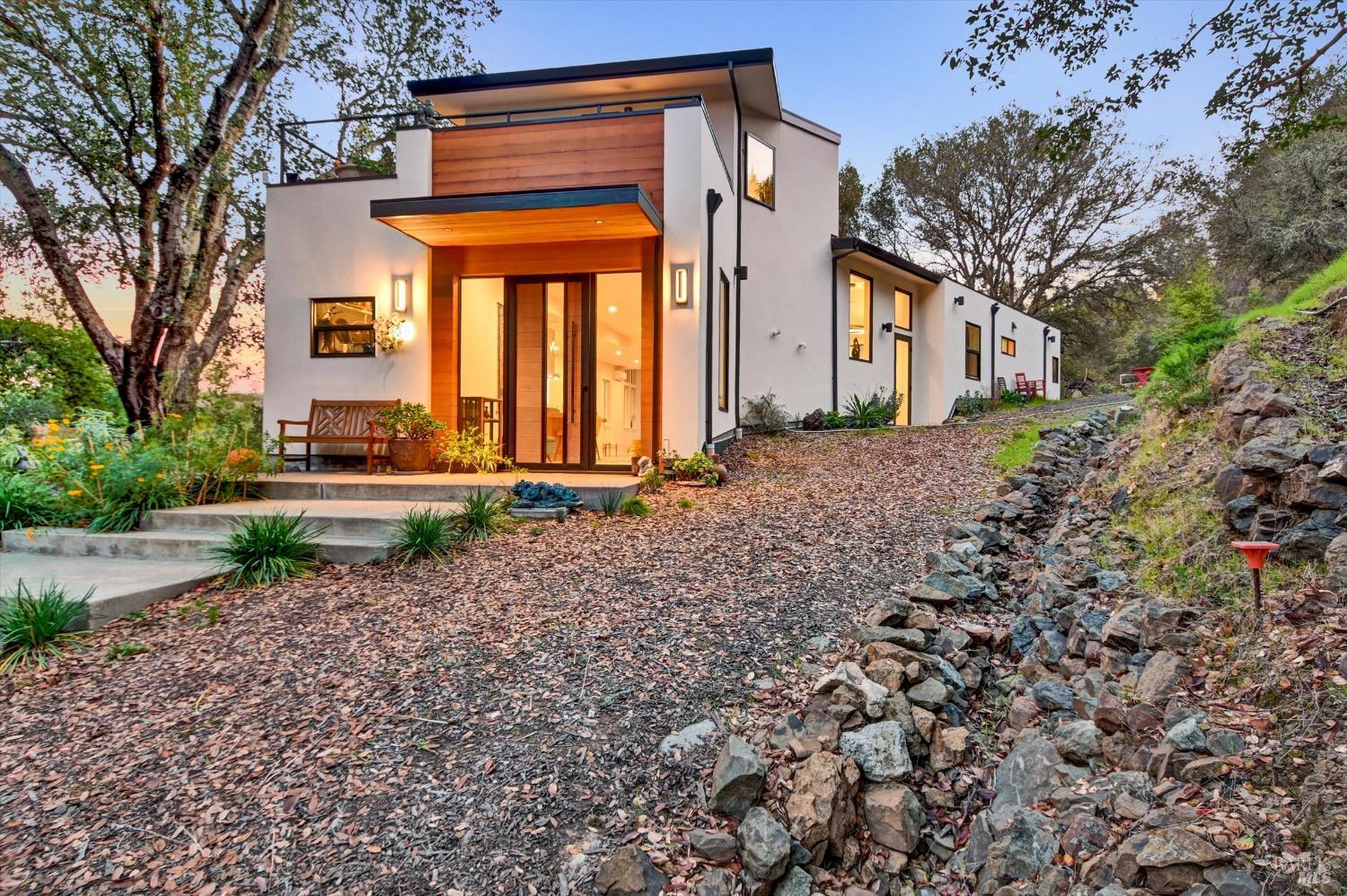
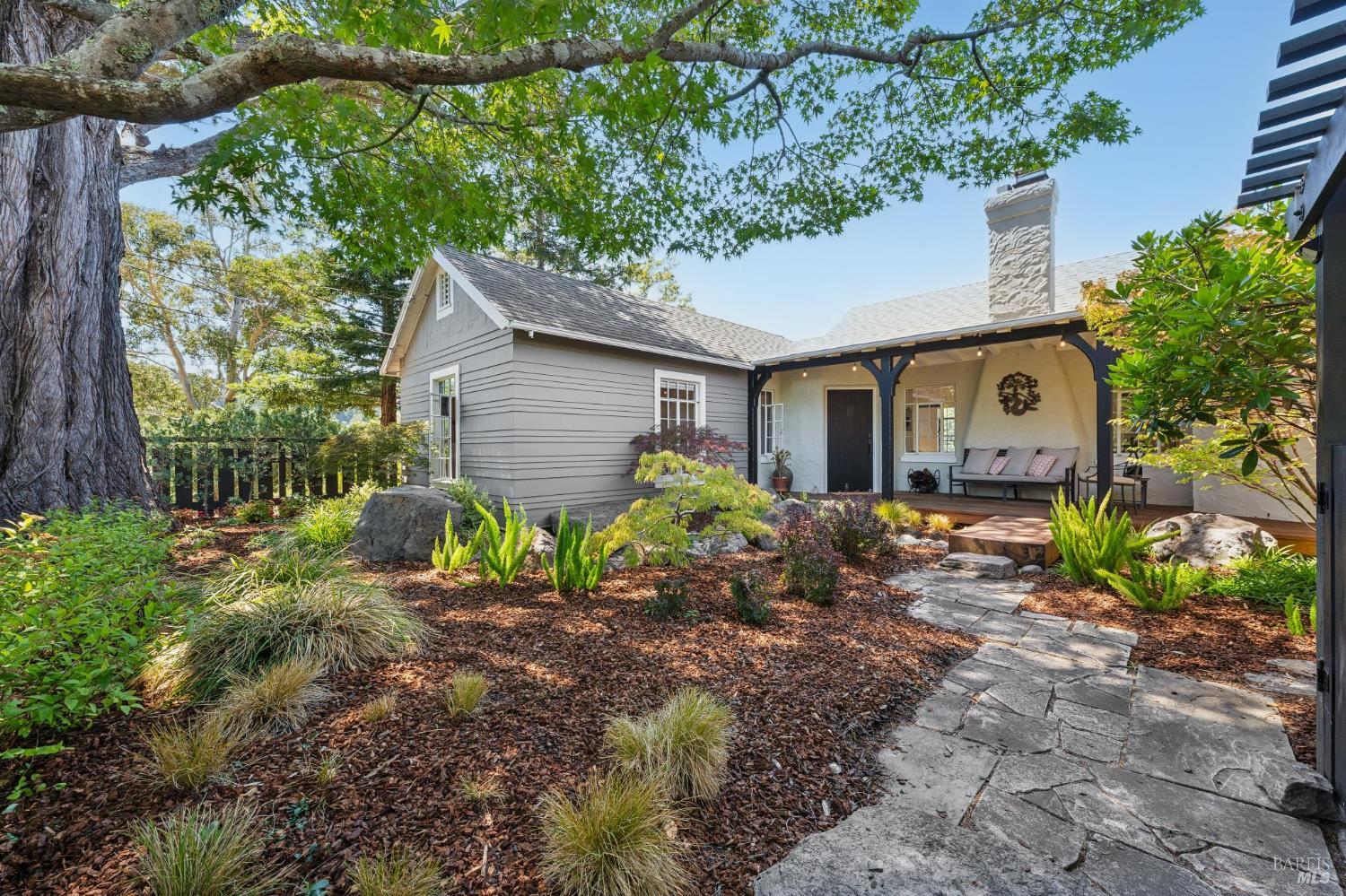
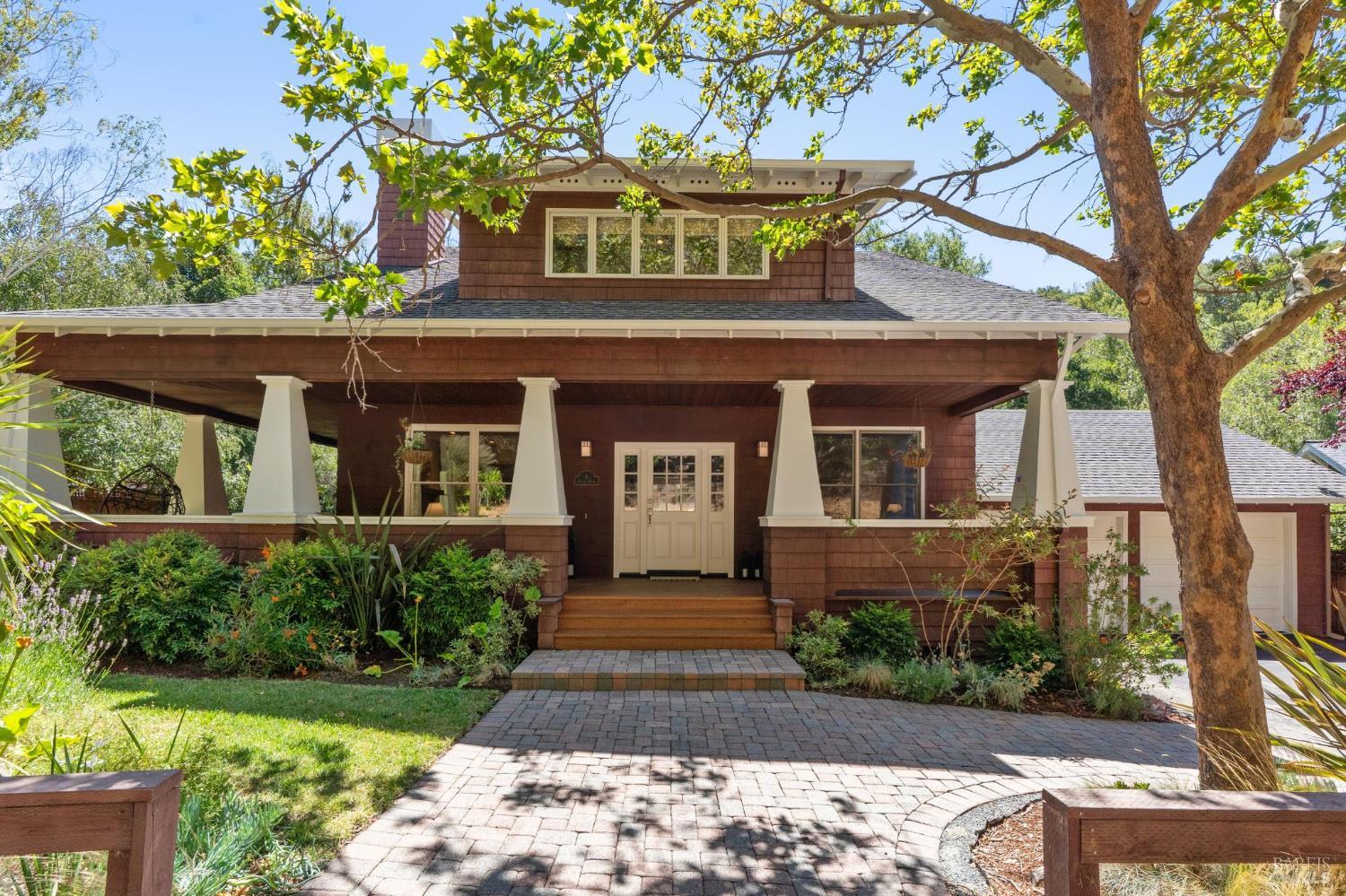
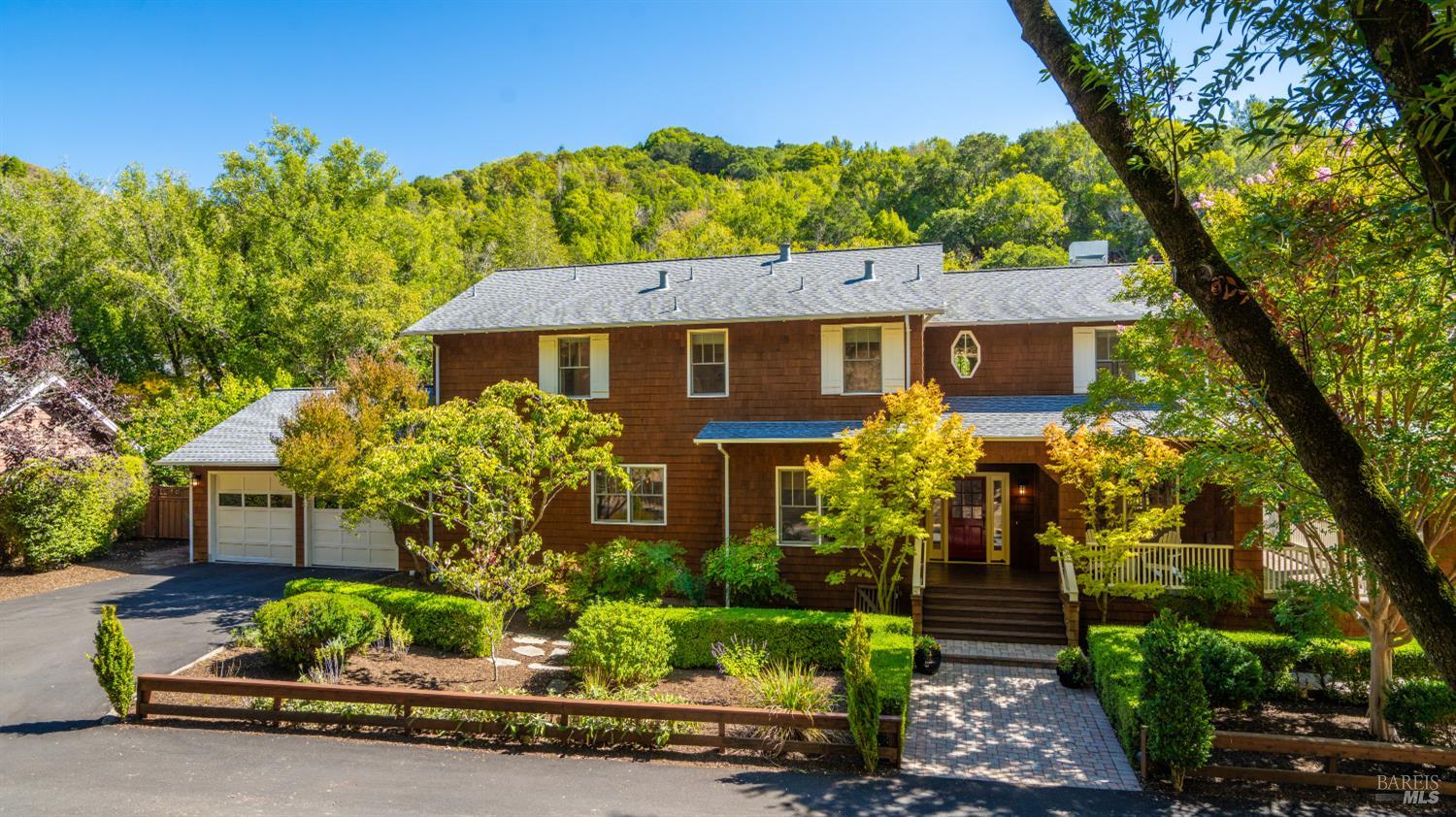
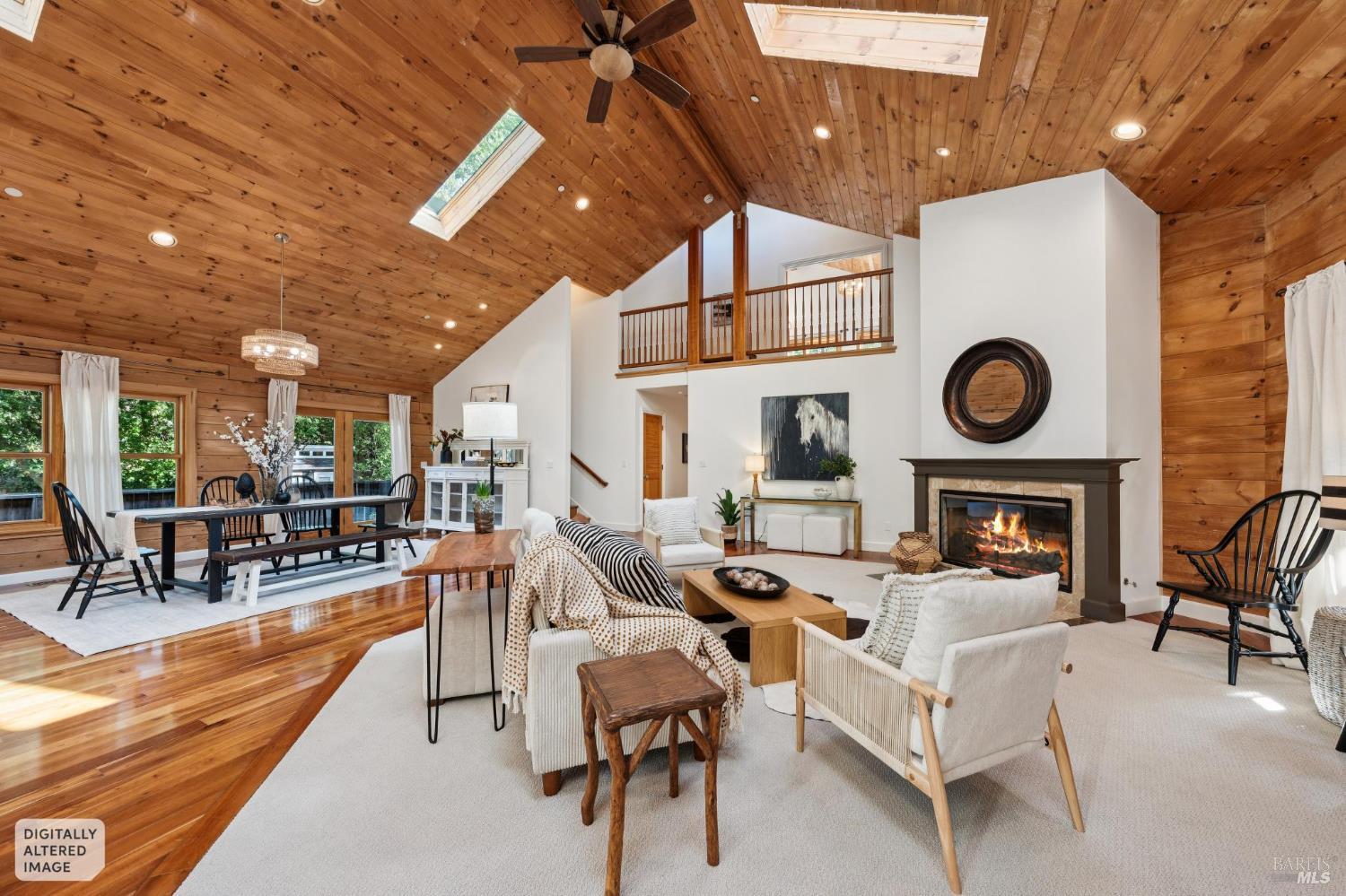
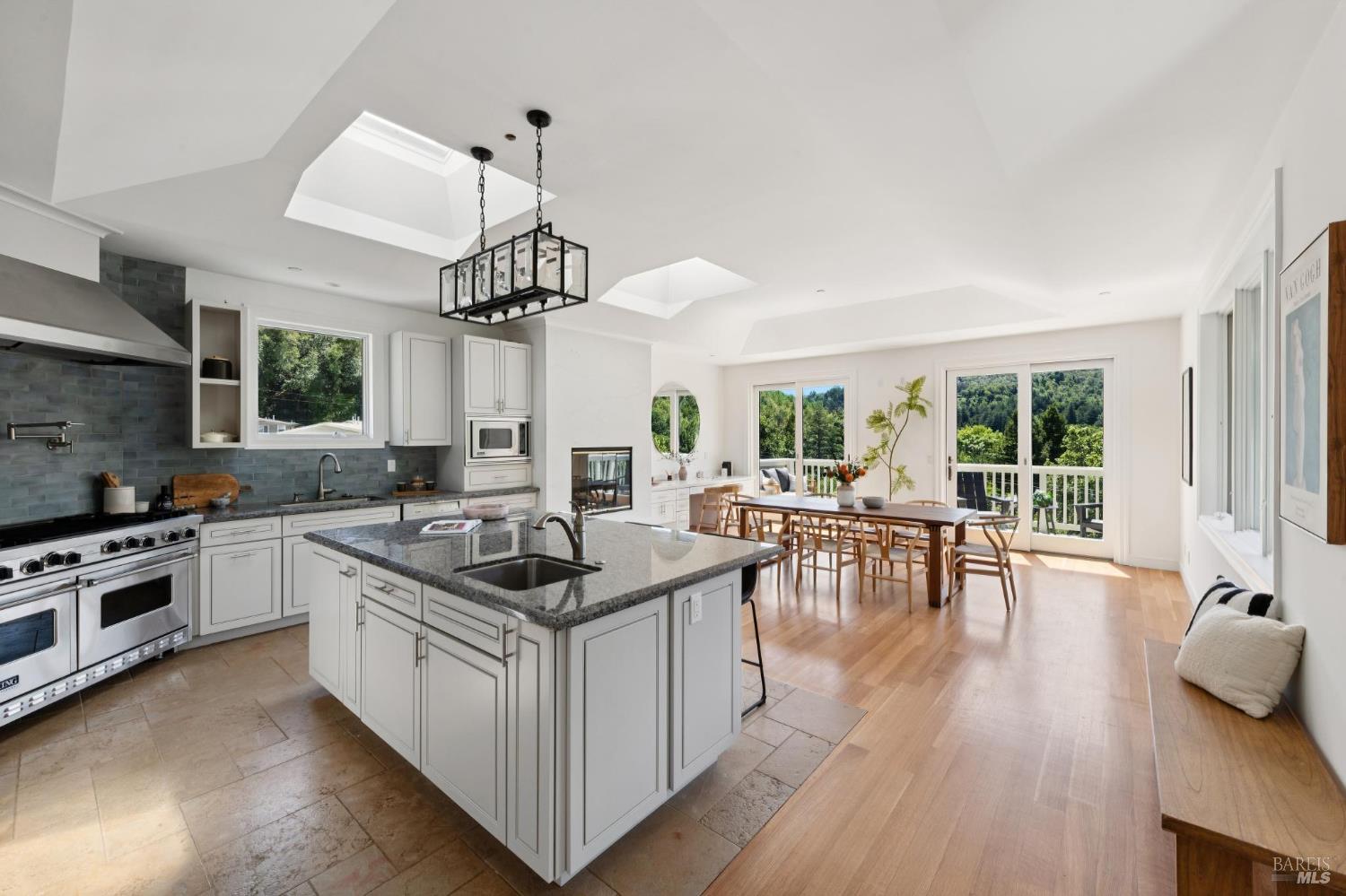
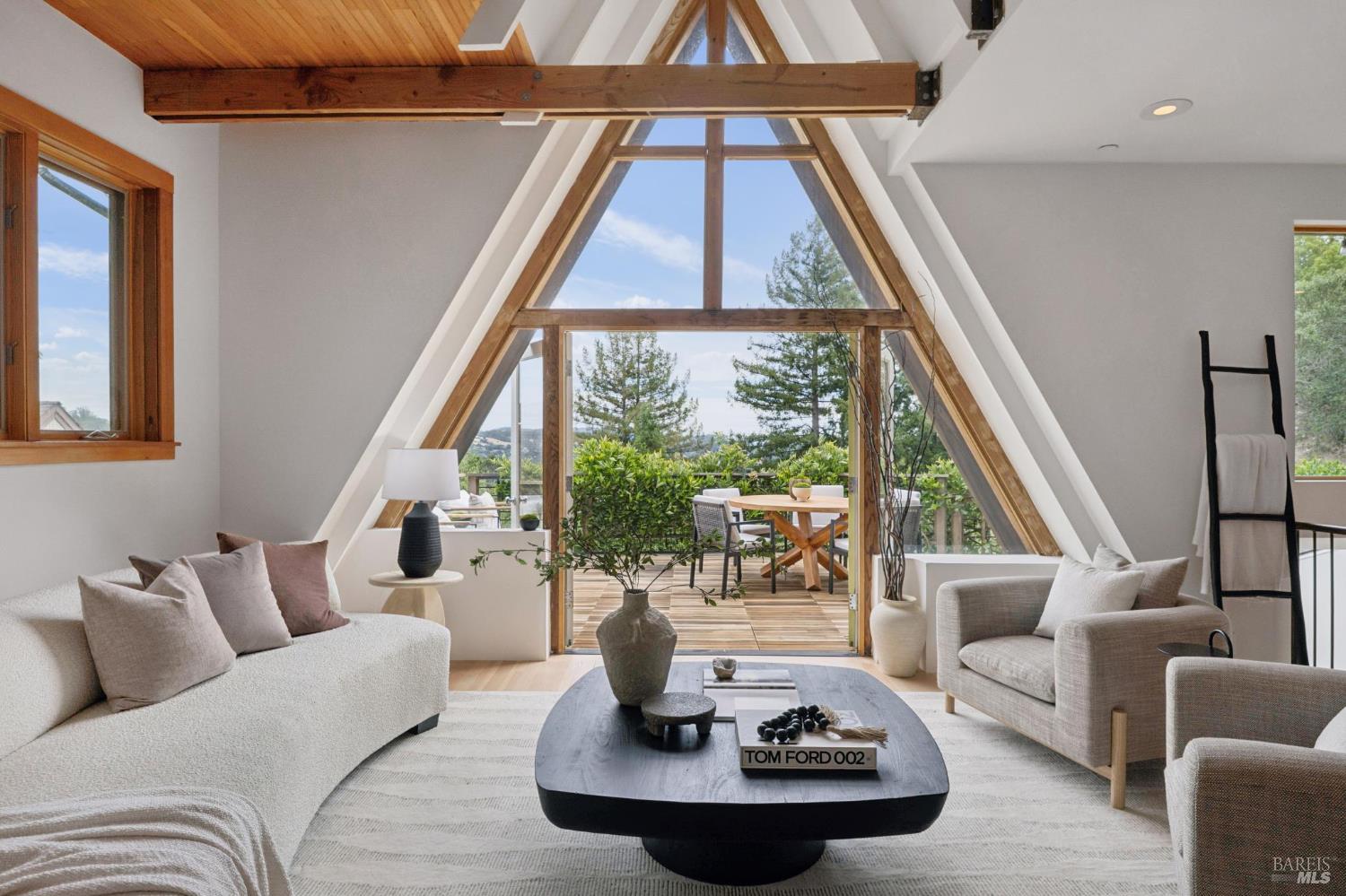
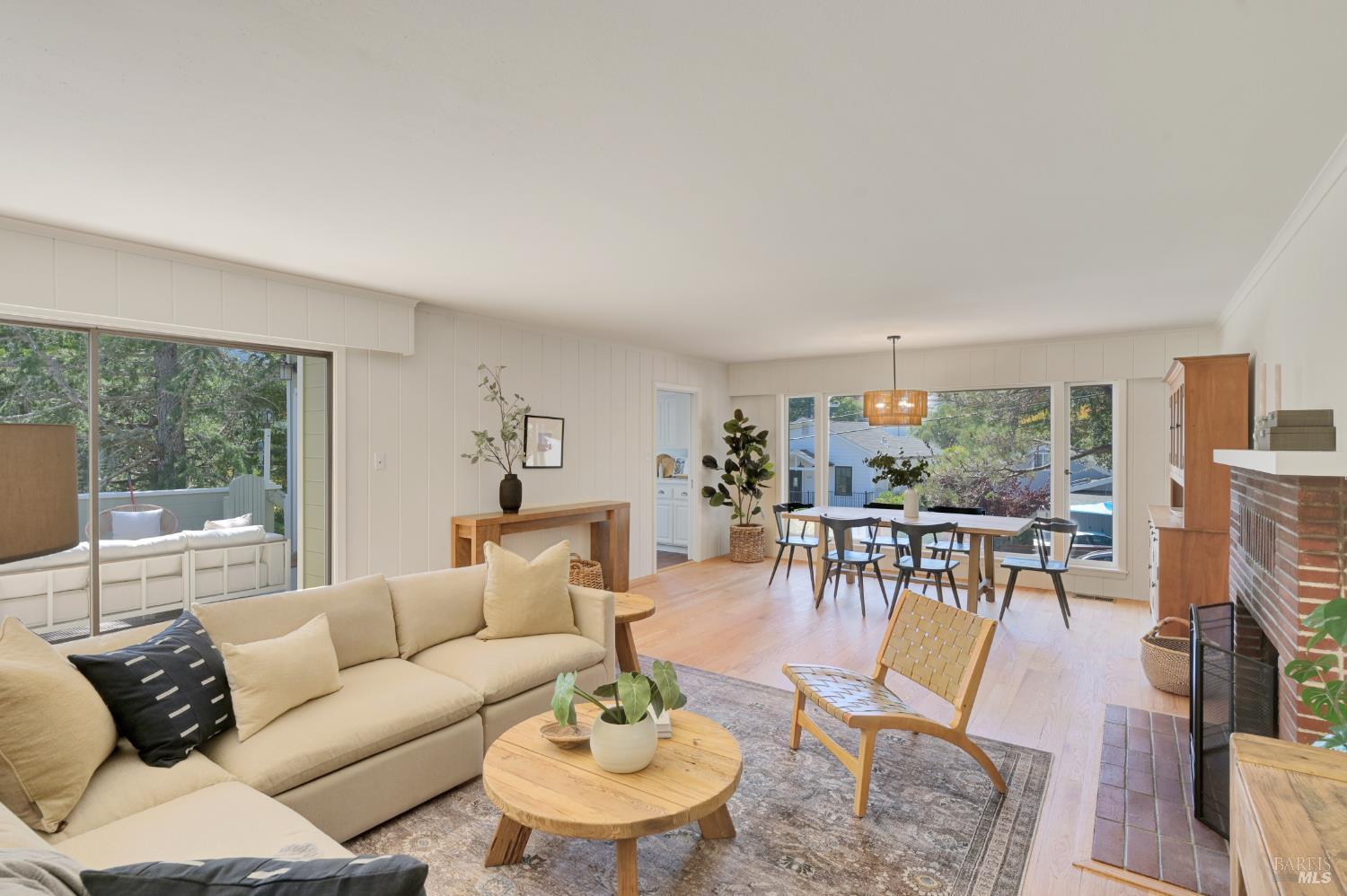
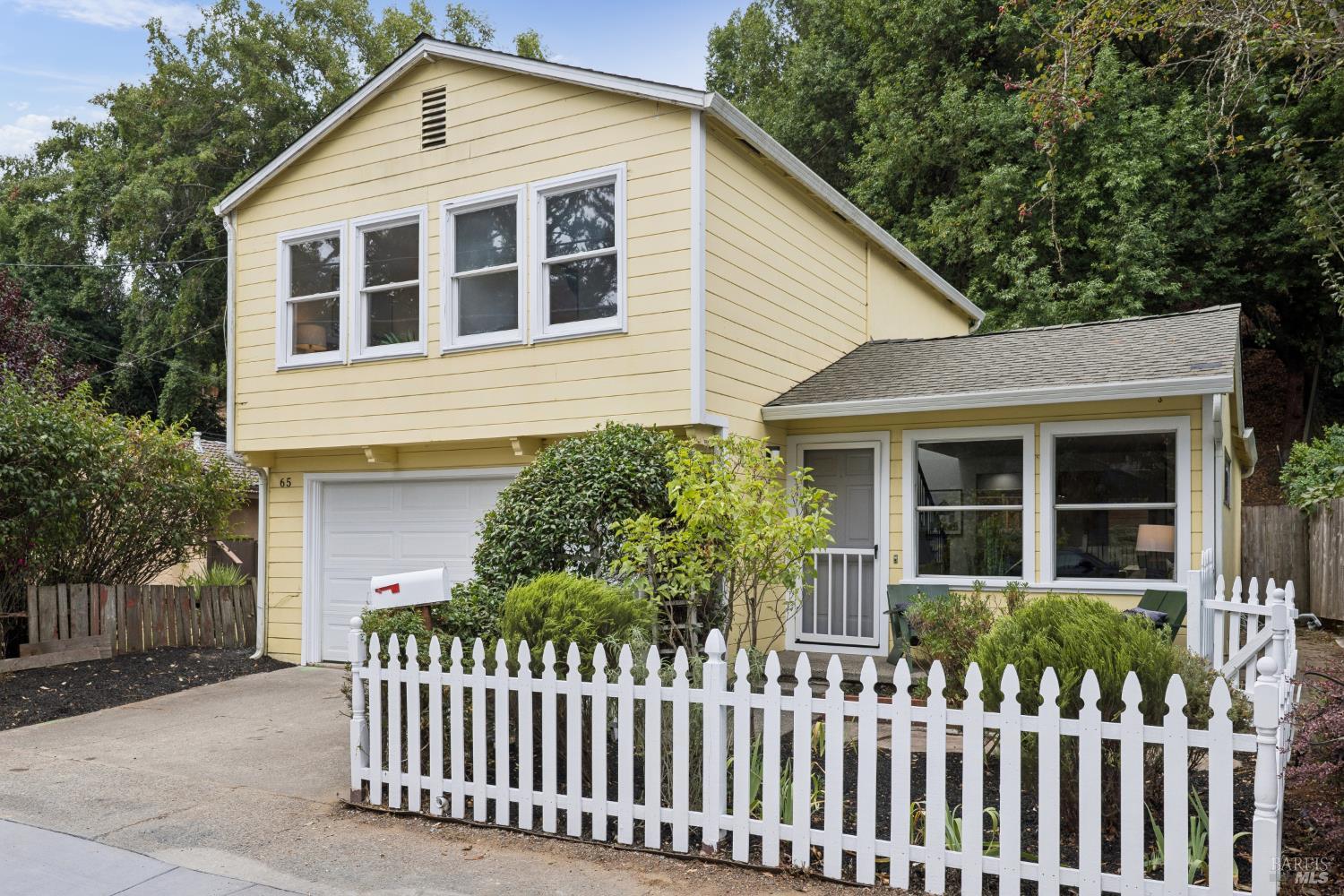
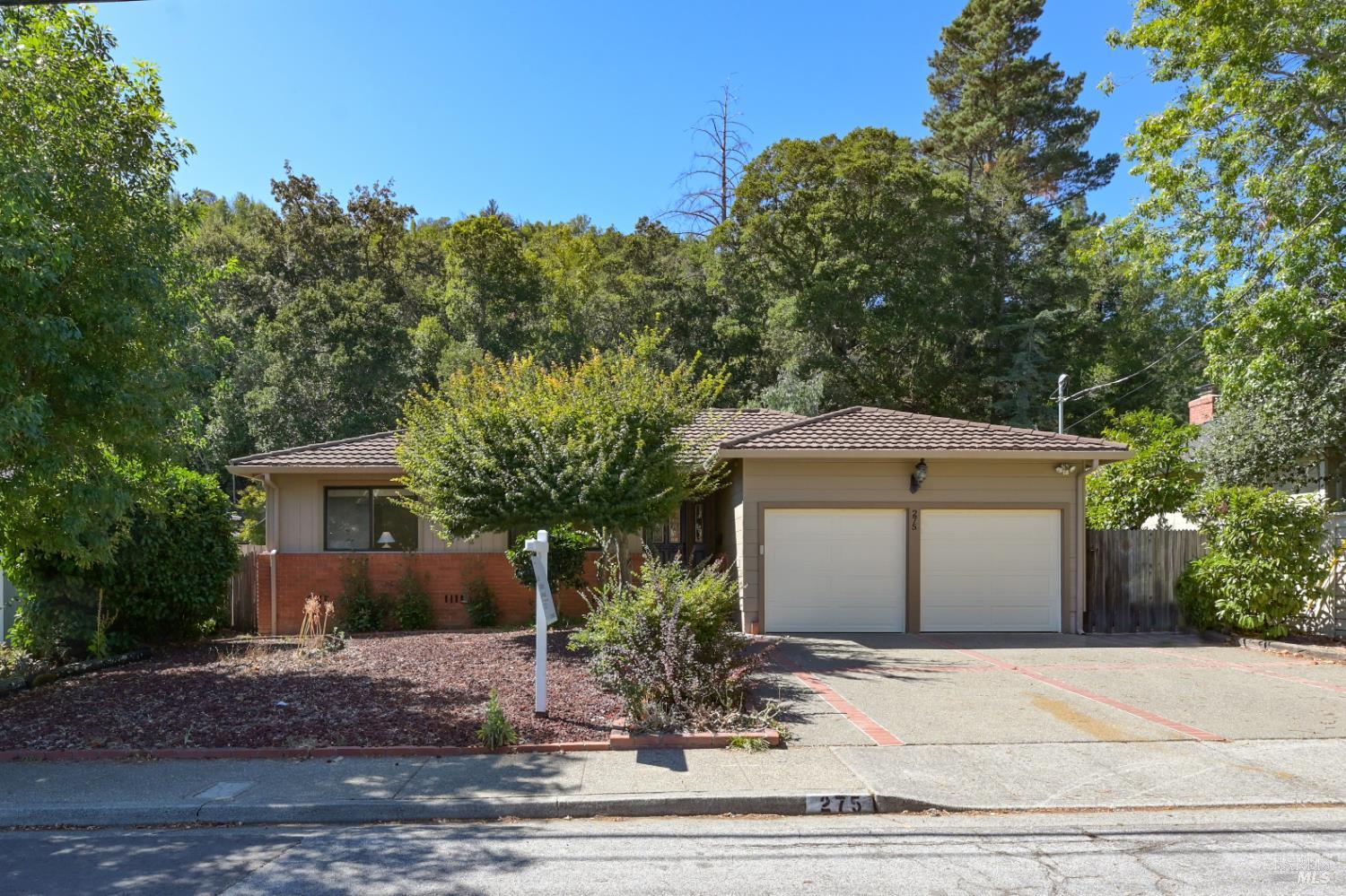
Fairfax's housing stock tells its resort-era origin story. The town grew as a railroad summer retreat in the early 1900s, and much of its core stock began as seasonal cabins and cottages — later winterized, expanded, and remodeled into today's full-time homes. Around that core: Craftsman bungalows near downtown, postwar tracts in Manor and Oak Manor, hillside cottages and rebuilds on the lanes, canyon cabins in the Cascades, and occasional mid-century pieces with glass walls to the trees. Cookie-cutter it is not — and the market's devoted buyer pool considers that the entire point.
The cabin-era inheritance sets the inspection stack: foundations and drainage on canyon and creekside lots, moisture and pest history under heavy canopy, aging sewer laterals in the Ross Valley Sanitary District network, and the access economics of narrow lanes — contractors, deliveries, and wet-winter traction all price in. None of it is exotic; all of it belongs in the offer math, and in Fairfax more than anywhere in the valley, the inspection scope is where deals are won.
Daily life runs on the independent downtown and the trailhead clock. Good Earth anchors the errands, the Fairfax Theatre and the Broadway music blocks — Peri's above all — carry the evenings, Gestalt Haus feeds the riders, and the Marin Museum of Bicycling gives the town's founding myth a street address. The Fairfax Festival each June is the calendar's flagship, a seasonal farmers market fills the summer weeks, and weekend mornings belong to the cyclists staging for the watershed climbs.
The outdoor ledger is the town's whole thesis: Cascade Canyon and its falls in the west, Deer Park's fire roads into the Mount Tamalpais watershed in the south, Bolinas Road to Alpine Lake, Bald Hill on the San Anselmo line — and over White's Hill, the entirety of West Marin. Few towns anywhere put this much protected land within a walk of a movie theater.
The Ross Valley School District serves grades K-8, with Manor Elementary and White Hill Middle School both located in Fairfax. For grades 9-12, the town belongs to the Tamalpais Union High School District at Archie Williams High School in neighboring San Anselmo. Private options in town include St. Rita School and the small independent Cascade Canyon School. For performance data, consult GreatSchools and the California School Dashboard directly, and verify current assignments for any specific address.
Honest math, because Fairfax deserves it: this is the Ross Valley's longest 101 commute. Plan on roughly 40 to 55 minutes to downtown San Francisco at peak — Sir Francis Drake through San Anselmo's Hub to US-101 at Greenbrae, then the bridge — with the Larkspur ferry terminal about fifteen minutes away as the water alternative. Golden Gate Transit serves the corridor. The compensation is the direction nobody else is driving: West Marin, the watershed, and the coast all start at the town line. Test your actual route at your actual hour, and decide which direction your life actually points.
The structural stack is clean: no Mello-Roos Community Facilities Districts anywhere in Fairfax, and HOAs rare outside small condo pockets. Beyond the roughly one percent base property tax, expect school parcel taxes, the Marin Wildfire Prevention Authority (Measure C) tax, and the Ross Valley flood-control fee on many parcels; hillside lanes occasionally carry shared road or drainage agreements worth confirming in title. I pull the actual tax bill for any property a client is serious about.
Creek proximity asks the water questions: FEMA zone verification near Fairfax and San Anselmo creeks, flood insurance where mapped, 2005-storm history in disclosures, and drainage on the low blocks. The older downtown-adjacent stock adds era-appropriate systems review.
The full Fairfax stack: canopy wildfire exposure with insurance verified in writing during week one, AB 38 defensible-space documentation at sale, single-egress evacuation awareness on the canyon roads, moisture and pest vigilance under the trees, and access economics on the narrow lanes. Priced honestly up front, none of it kills a deal; surfaced late, all of it can.
Fairfax's wildfire exposure is among the Ross Valley's most serious: the wooded canyons and hillsides — the Cascades prominently — carry elevated Fire Hazard Severity Zone designations, heavy canopy runs close to structures, and several canyon roads are effectively single-egress, which makes evacuation-route thinking part of the purchase decision itself. The Ross Valley Fire Department serves the town, the Marin Wildfire Prevention Authority funds county-wide vegetation management and evacuation planning, and California's AB 38 defensible-space documentation applies to sales in designated zones. Verify any address through the CAL FIRE viewer and get a written insurance quote — not a verbal indication — before contingencies come off. On every canyon purchase I represent here, that sequence is standard.
The Ross Valley's three core towns share the watershed, the K-8 pathway, the fire department, and the Drake corridor — and sit on a clean spectrum. I maintain full guides to San Anselmo and Ross as well.
Fairfax | San Anselmo | Ross | |
|---|---|---|---|
Character | The independent, outdoors-first west end — mountain biking's hometown | The Hub town — the valley's biggest downtown and deepest pre-war stock | The estate enclave — small, quiet, closely held |
Dominant housing | Railroad-era cottages and cabins, postwar tracts, canyon and hillside homes | Majority pre-1940 Craftsman/Tudor stock; mid-century in Sleepy Hollow and the hills | Large-parcel estates and period landmarks under heritage trees |
Signature asset | West Marin's doorstep; the no-chain downtown; the Hall of Fame | The Hub, the Avenue, Imagination Park | The Corte Madera Creek estate corridor and Phoenix Lake's front door |
Flood/fire profile | Creek zones on the flats; the valley's heaviest canyon WUI with single-egress roads | Creek-through-downtown flood history; WUI on the wooded slopes | Creek-corridor flood history; wooded estate WUI |
HOA / Mello-Roos | No Mello-Roos; HOAs rare | No Mello-Roos; HOAs essentially absent | No Mello-Roos; HOAs essentially absent |
Relative price position | Generally the valley's most attainable, overlapping San Anselmo on the hills | The valley's middle, overlapping both neighbors | Top of the county with Kentfield and Belvedere |
Yes — the sport's origin story runs straight down the mountain above town. In the late 1970s, riders including Joe Breeze, Gary Fisher, and Charlie Kelly raced modified clunkers down the Repack fire road on the slopes above Fairfax, and the bikes they built for it became the first purpose-made mountain bikes. Today the Marin Museum of Bicycling in downtown Fairfax houses the Mountain Bike Hall of Fame, and riders still climb out of town toward the same terrain every weekend morning.
By design: Fairfax restricts formula retail, which is why Bolinas Road and Broadway read as an unbroken run of independents — Good Earth Natural Foods' flagship, the Fairfax Theatre, Peri's, Gestalt Haus, the bike museum. For buyers, the practical read is durability: the downtown's character is protected by ordinance rather than fashion, and the town's independent streak extends to its politics and planning culture generally. Factor that into renovation expectations as well as lifestyle ones.
Generally yes, on a like-for-like basis — Fairfax's cottage-and-cabin housing stock, smaller average lots, and position farthest from US-101 create entry points that San Anselmo and Ross largely lack, while its hillside and view homes overlap San Anselmo's mid-range. The trade is structural, not a discount: a longer corridor commute in exchange for West Marin at the doorstep. For current BAREIS MLS medians, see my Marin Market Intelligence briefings.
It can, in the low-lying stretches. Fairfax and San Anselmo creeks thread the town on their way down the Ross Valley, the New Year's Eve 2005 storm — the valley's benchmark flood — reached Fairfax as well, and parcels near the creeks and along the Sir Francis Drake corridor can sit in mapped FEMA zones requiring flood insurance. Many tax bills carry the Ross Valley flood-control fee. Check the map, drainage history, and disclosures for any specific property.
The wooded canyons and hillsides carry real exposure: neighborhoods like the Cascades sit in heavy canopy with elevated Fire Hazard Severity Zone designations, and several canyon roads are effectively single-egress — an evacuation-planning fact worth internalizing before you buy, not after. The Ross Valley Fire Department serves the town, the Marin Wildfire Prevention Authority funds county-wide prevention, and AB 38 defensible-space documentation applies at sale in designated zones. Verify any address in the CAL FIRE viewer and price insurance in week one.
The Ross Valley School District serves grades K-8, with Manor Elementary and White Hill Middle School both located in Fairfax, and grades 9-12 attend the Tamalpais Union High School District at Archie Williams High School in neighboring San Anselmo. Private options in town include St. Rita School and the small independent Cascade Canyon School. For performance data, consult GreatSchools and the California School Dashboard directly, and verify assignments for any specific address.
Honestly, the longest in the Ross Valley: plan on roughly 40 to 55 minutes to downtown San Francisco at peak — Sir Francis Drake Boulevard through San Anselmo's Hub to US-101 at Greenbrae, then the bridge — with the Larkspur ferry about fifteen minutes away as the alternative. That corridor run is the price of living at West Marin's doorstep, and it is entirely testable: drive your actual route at your actual hour before you commit.
A 1927 Alister MacKenzie golf course — by the architect who later designed Augusta National and Cypress Point — laid into the meadow up Bolinas Road above town, one of the quieter world-class assets in Marin. The Bolinas Road climb past the club continues to Alpine Lake and the Mount Tamalpais watershed, which is why the same road serves golfers, cyclists, and hikers in a single ten-minute stretch out of downtown.
Fairfax's own backyard preserve — the wooded canyon running up Cascade Drive west of downtown, where the Elliott Nature Preserve's trails lead to seasonal Cascade Falls, best after sustained winter rain. The surrounding Cascades neighborhood is classic Fairfax living: cabins and cottages under heavy canopy on a narrow canyon road. The same features that make it magical — trees, creek, one way in — are exactly the wildfire and access diligence items to price in.
Much of it began as early-1900s summer cabins from the railroad-resort era, later winterized and expanded — which is the charm and the checklist. Budget attention for foundations and drainage on canyon and creekside lots, moisture and pest history under heavy canopy, aging sewer laterals, and the access realities of narrow hillside lanes. Well-updated examples with the character intact draw a devoted buyer pool; the inspection scope is where Fairfax deals are won.
The music blocks are lively by design — Peri's and the Broadway venues carry one of Marin's last genuine live-music scenes, and weekend nights downtown have real energy. The practical buyer move is simple: if you're considering a home within a couple of blocks of Broadway and Bolinas, visit on a Friday or Saturday around 10 PM and decide with your own ears. A few blocks of separation, or a hillside position, changes the answer entirely.
No Mello-Roos — Fairfax has no Community Facilities Districts — and HOAs are rare outside small condo pockets. Expect the Ross Valley's standard tax-bill line items beyond the roughly one percent base: school parcel taxes, the Marin Wildfire Prevention Authority (Measure C) tax, and the Ross Valley flood-control fee on many parcels. Hillside lanes occasionally carry shared road or drainage agreements worth confirming in title. I pull the actual tax bill for any property a client is serious about.
The Fairfax Festival each June is the flagship — parade, music, and the town's whole personality on display — alongside a seasonal farmers market and a year-round live-music calendar on the Broadway blocks. The weekend-morning ritual is equally defining: cyclists staging out of downtown for the watershed climbs, a tradition that runs in a straight line back to the sport's invention on the slopes above town.
The three share the Ross Valley's watershed, K-8 district pathway, fire department, and Drake corridor — and sit on a clean spectrum. Ross is the estate market at the top of the county. San Anselmo is the valley's middle: the biggest downtown and deepest pre-war stock. Fairfax is the attainable, outdoors-first end: smaller homes, bigger wilderness, the only one with mountain biking's Hall of Fame downtown. Most Ross Valley buyers tour all three; the daily rhythms decide it.
The answer is the agent who pairs county-wide data with ground truth about this specific town — the flood map's edges, the single-egress canyons, the cabin-era inspection stack. I am Kyle Frazier, JD, CRS, CLHMS, a Broker Associate with Compass (DRE #01405738) and a Marin County broker for more than 20 years. I analyze BAREIS MLS data quarter by quarter across every Marin sub-market, publish that analysis on my YouTube channel and Marin Market Intelligence page, and have been quoted by the Wall Street Journal, Financial Times, and San Francisco Chronicle.
My combined San Anselmo–Fairfax profile video covers the town, the downtown, and the corridor on camera:
You can also watch it on YouTube, subscribe to my channel @KyleFrazier — over 20,000 local subscribers and one million views — or browse every Marin tour in the Imagine Marin video library.
I'm Kyle Frazier — JD, CRS, CLHMS, Broker Associate at Compass, and a Marin County broker for more than 20 years, quoted on this market by the Wall Street Journal, Financial Times, and San Francisco Chronicle. Fairfax rewards buyers and sellers who do the homework the town demands — the inspection stack, the canyon access, the flood map — and that's how I work it, with quarterly BAREIS MLS analysis plus access to off-market and pre-market opportunities. For buyers, my clients obtain full underwriting up front so their offers compete like cash on the town's fastest-moving cottages. For owners, start with a data-driven valuation second opinion — and let's assemble the condition story before you list, not during escrow.
Book a consultation · Call or text (415) 350-9440 · [email protected] · Explore more Marin neighborhood guides.
 Novato, CA Real Estate: A Resident Broker's Neighborhood Guide
 Pointe Marin, Novato CA (94949): Current Listings & Complete Neighborhood Guide
 Marin Country Club Estates (Country Club) Novato 94949 Guide
 Hamilton Field, Novato (94949): The Definitive 2026 Resident & Buyer Guide
 Bel Marin Keys, Novato (94949): Complete Waterfront Community Guide
 Loma Verde, Novato (94949): Complete Neighborhood Guide
 Tiburon, CA Real Estate: A Marin Luxury Broker's Complete Town Guide
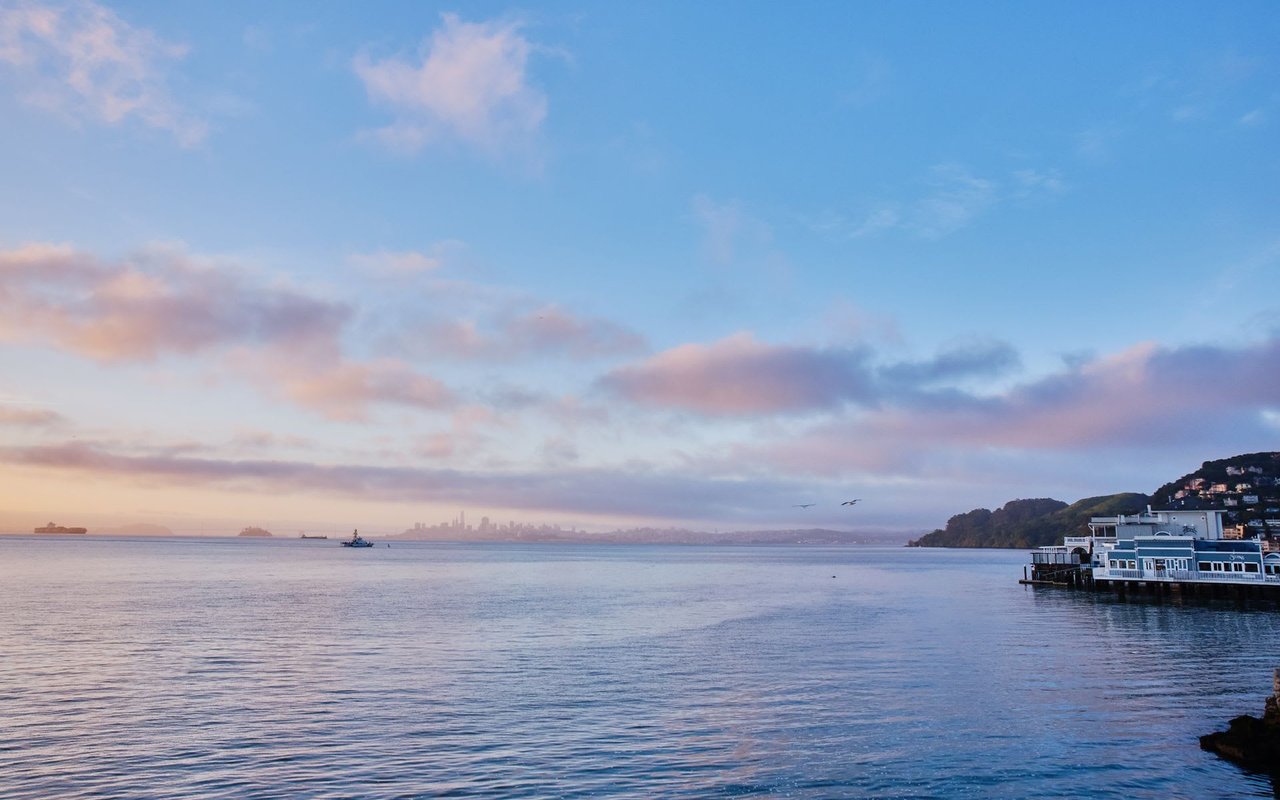 Stinson Beach, CA Real Estate: A Marin Broker's Complete Guide
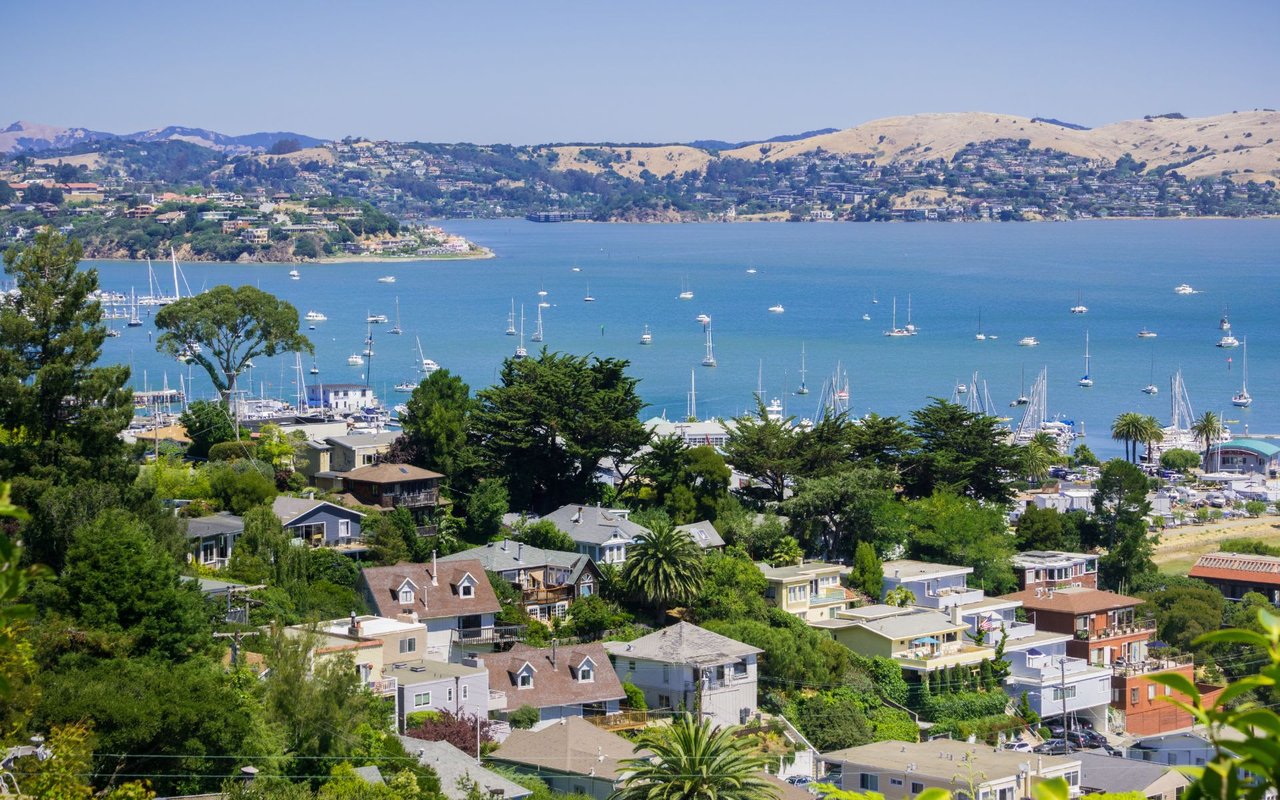 Sausalito, CA Real Estate: A Marin Broker's Complete Town Guide
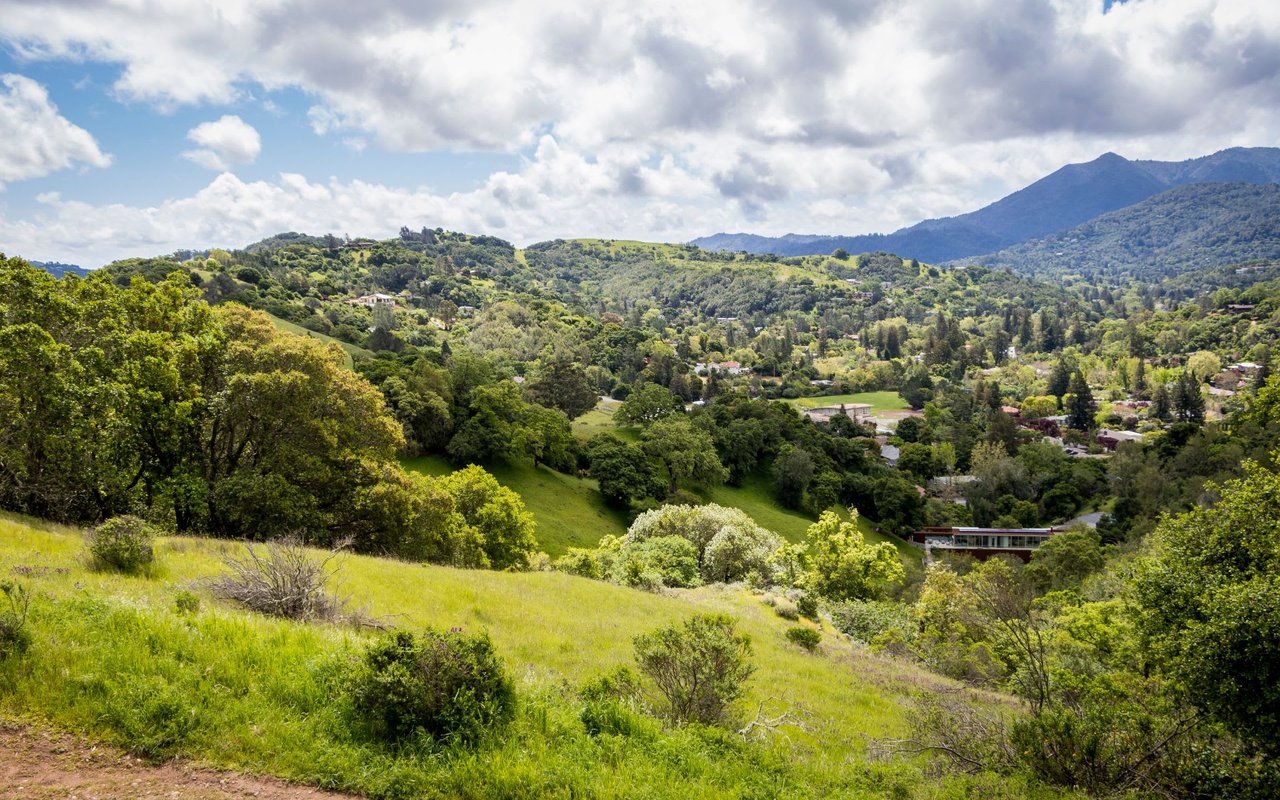 San Anselmo, CA Real Estate: A Marin Broker's Complete Town Guide
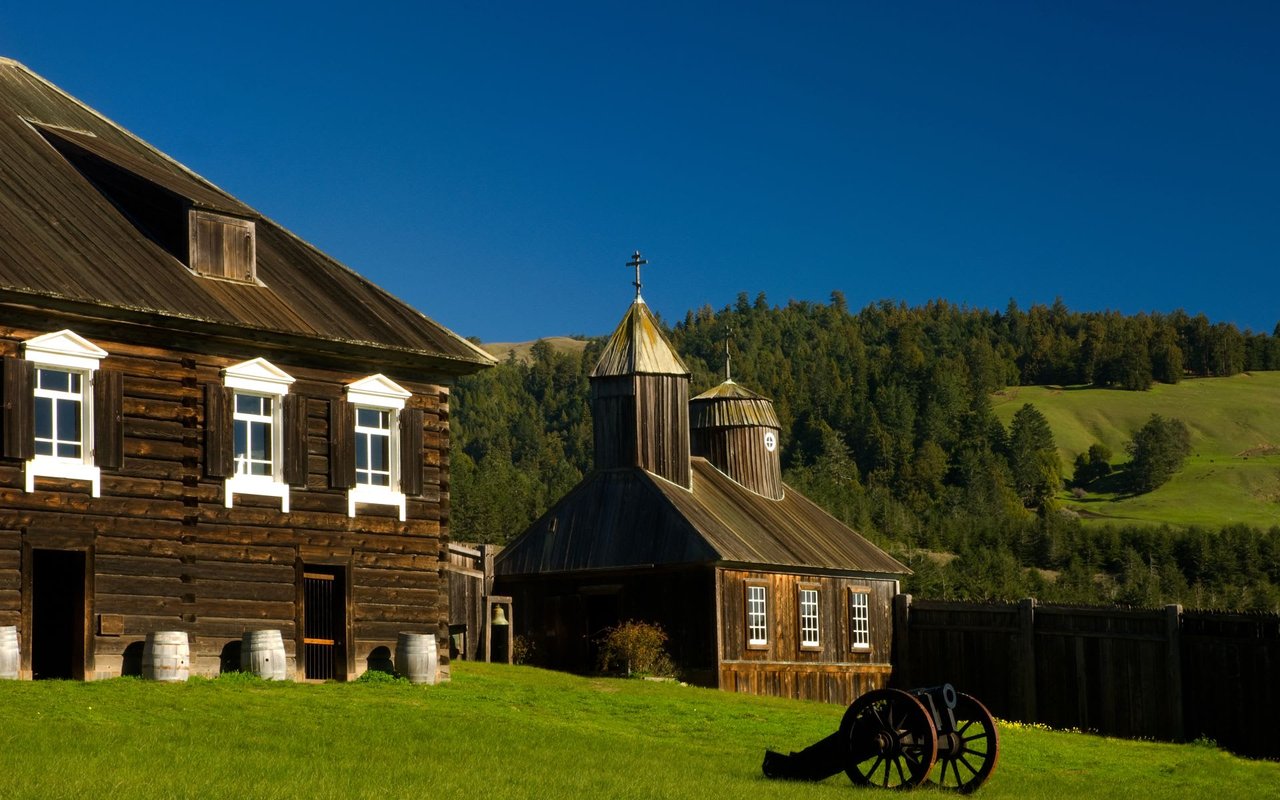 Ross, CA Real Estate: A Marin Broker's Complete Town Guide
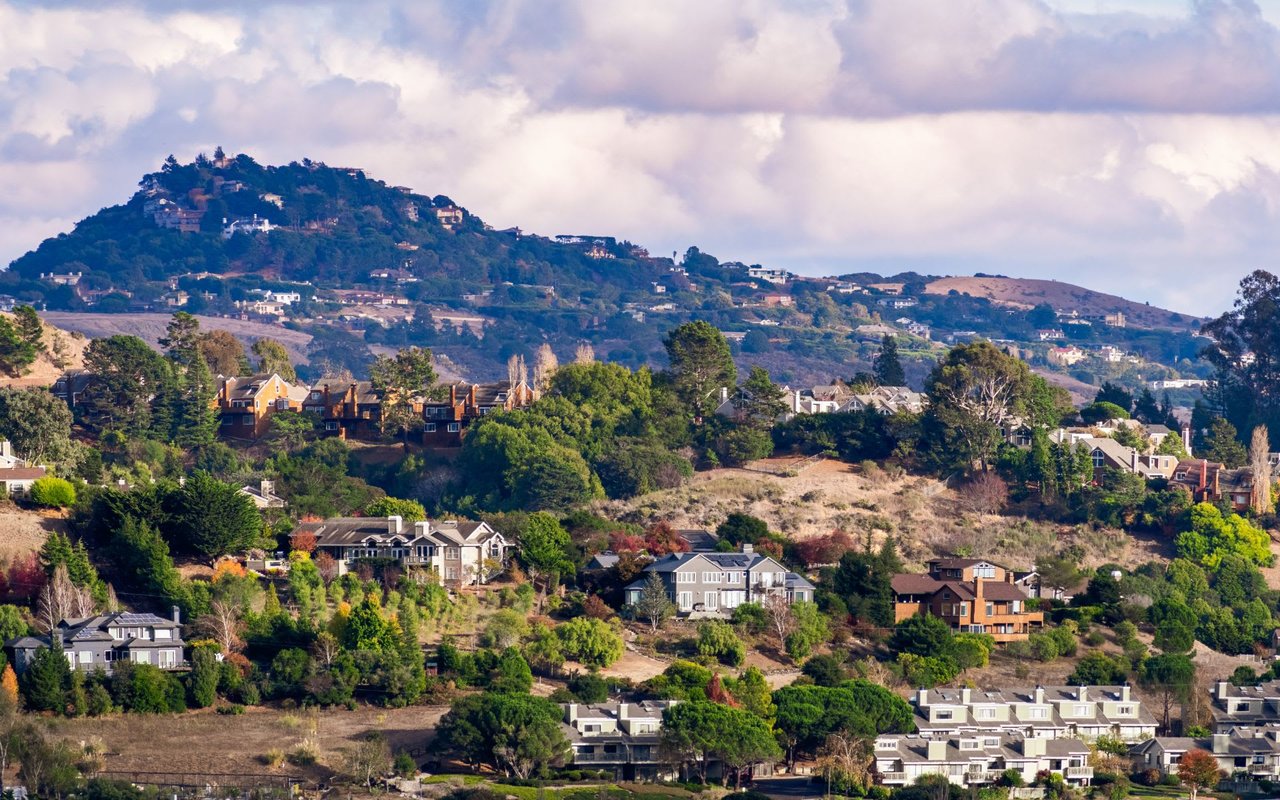 Mill Valley, CA Real Estate: A Marin Broker's Complete Town Guide
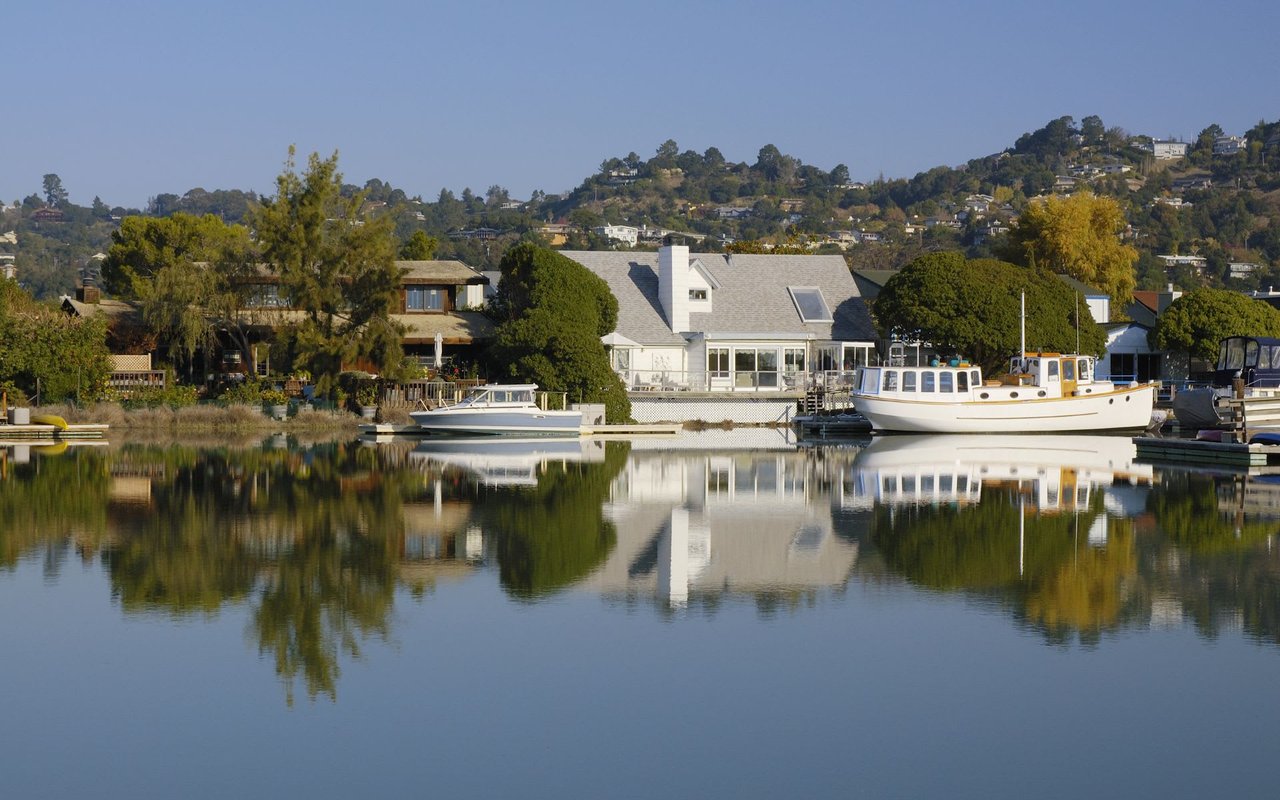 Larkspur, CA Real Estate: A Marin Broker's Complete Town Guide
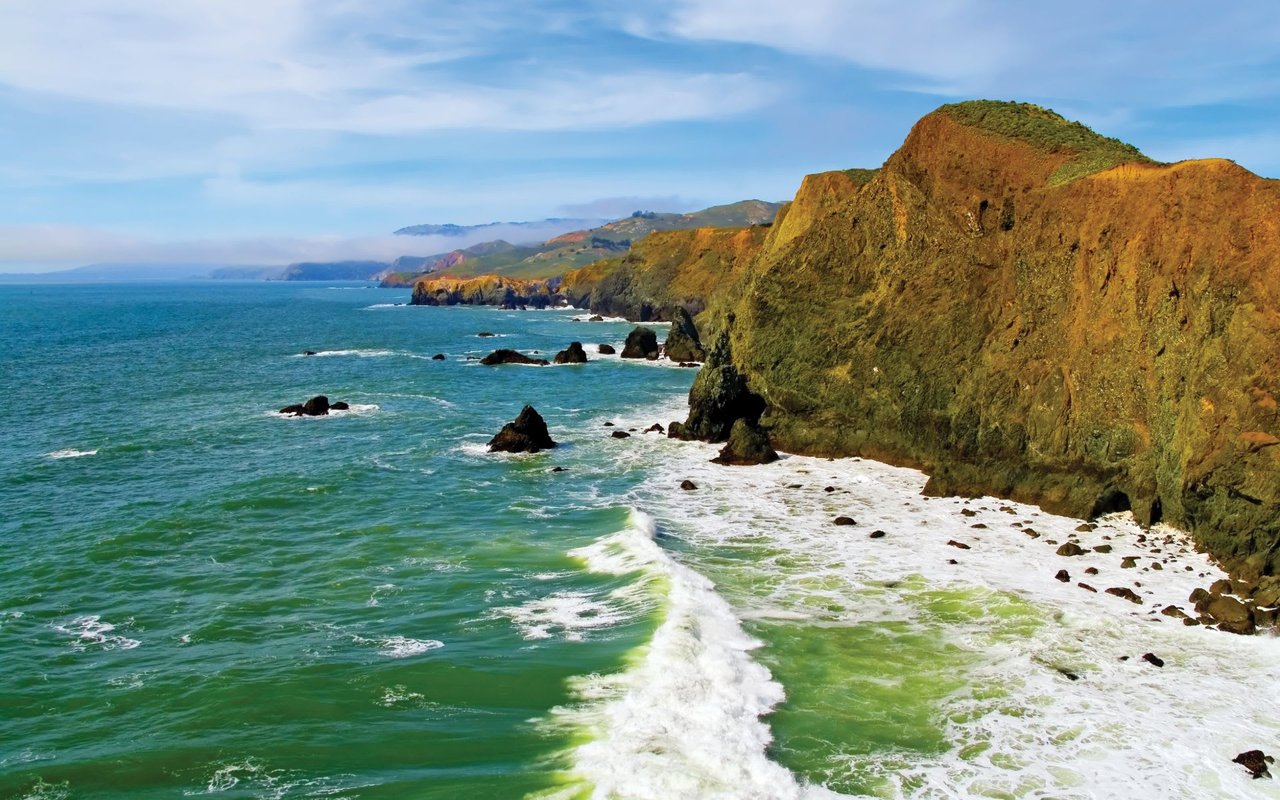 Inverness, CA Real Estate: A Marin Broker's Complete Guide
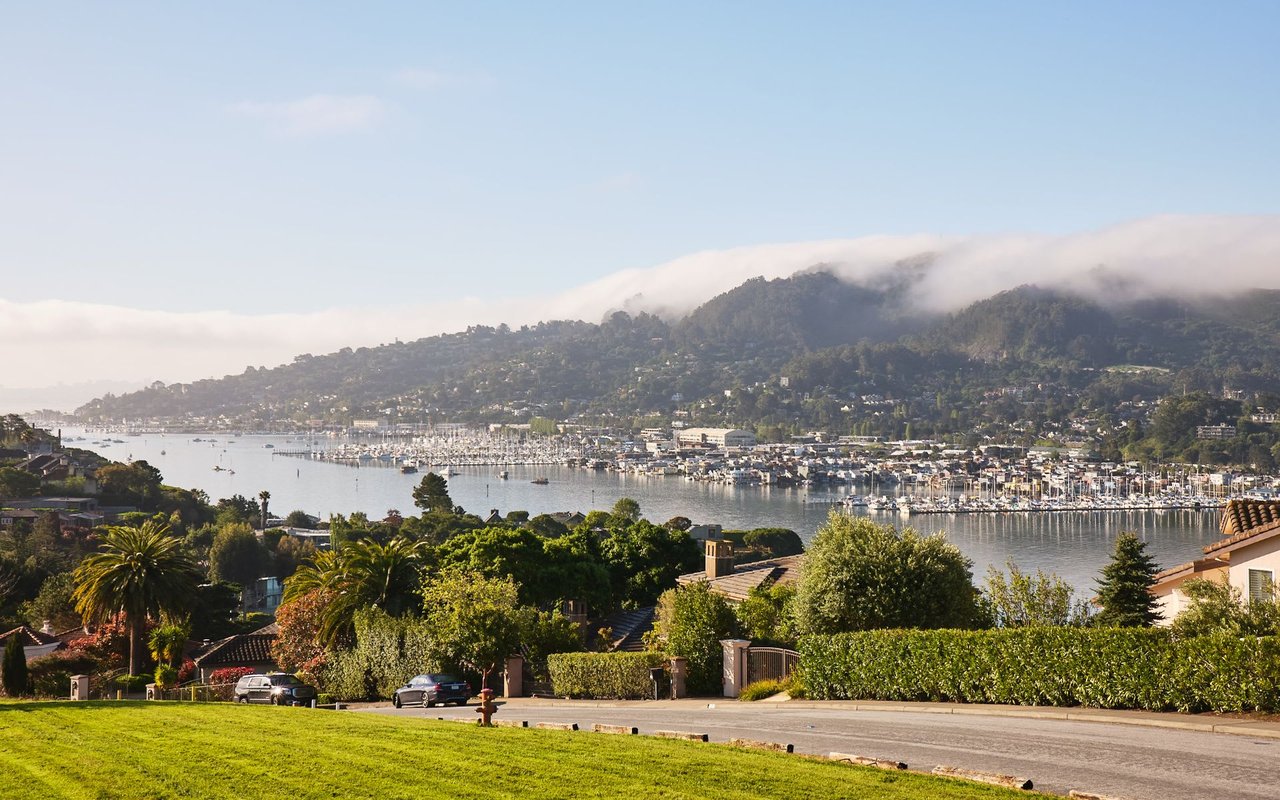 Greenbrae, CA Real Estate: A Marin Broker's Complete Guide
Fairfax, CA Real Estate: A Marin Broker's Complete Town Guide
Greenbrae, CA Real Estate: A Marin Broker's Complete Guide
Fairfax, CA Real Estate: A Marin Broker's Complete Town Guide
 Corte Madera, CA Real Estate: A Marin Broker's Complete Town Guide
 San Rafael, CA Real Estate: A Marin Broker's Complete Town Guide
 Kentfield, CA Real Estate: A Marin Broker's Complete Guide
 Belvedere, CA Real Estate: A Marin Broker's Complete City Guide
 Nicasio, CA Real Estate: A Marin Broker's Complete Valley Guide