Quick Answer: Nicasio is Marin County's smallest and most storied community — an unincorporated ranchland valley (ZIP 94946) at the county's geographic center, with just 96 residents counted at the historic town square in 2020 and a few hundred more across roughly 250 homes on about 350 parcels of ranch and estate land. The square itself is the town's founding legend: laid out in the 1860s for a county courthouse that went to San Rafael instead, it now holds Old St. Mary's Church (1867), the red one-room schoolhouse, the Druids Hall, the community ballfield, and Rancho Nicasio's roadhouse stage. George Lucas's Skywalker Ranch occupies the Lucas Valley Road corridor — a road named, in Marin's favorite trivia, for a different Lucas entirely. The market is acreage-driven and paper-driven: MALT conservation easements, Williamson Act contracts, agricultural zoning, wells, and septic define value here before any house does — and Lucas Valley Road's 20-to-25-minute run to US-101 makes this the only West Marin address with a genuinely workable commute.
Key Takeaways
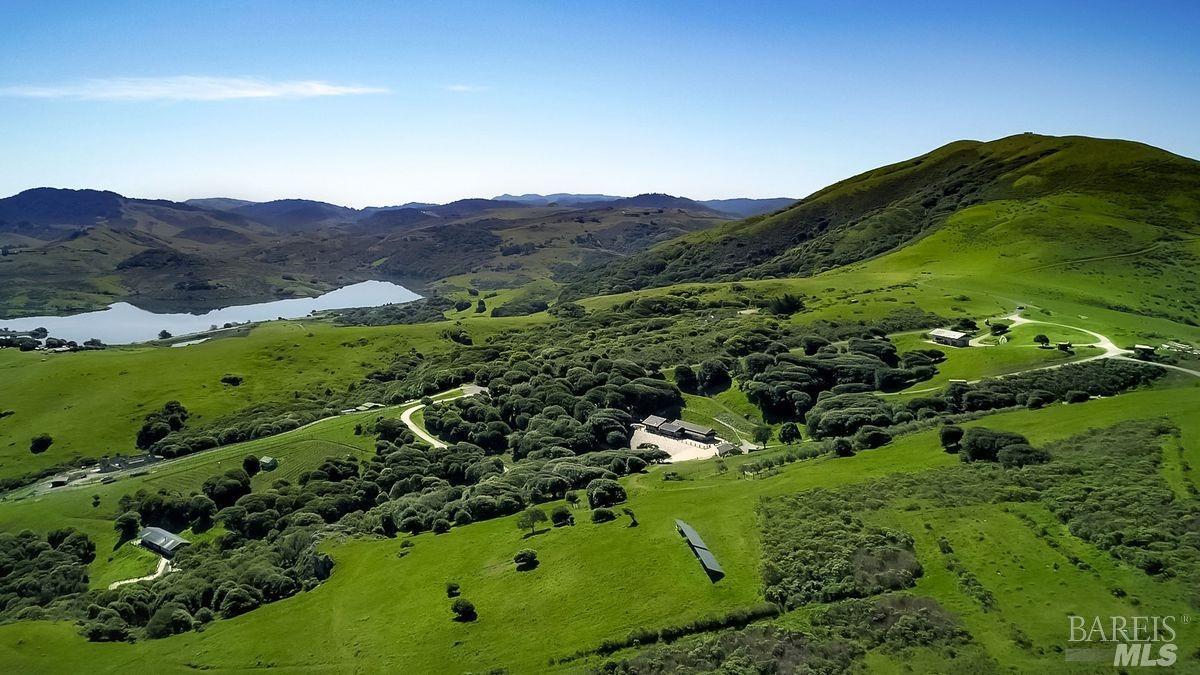
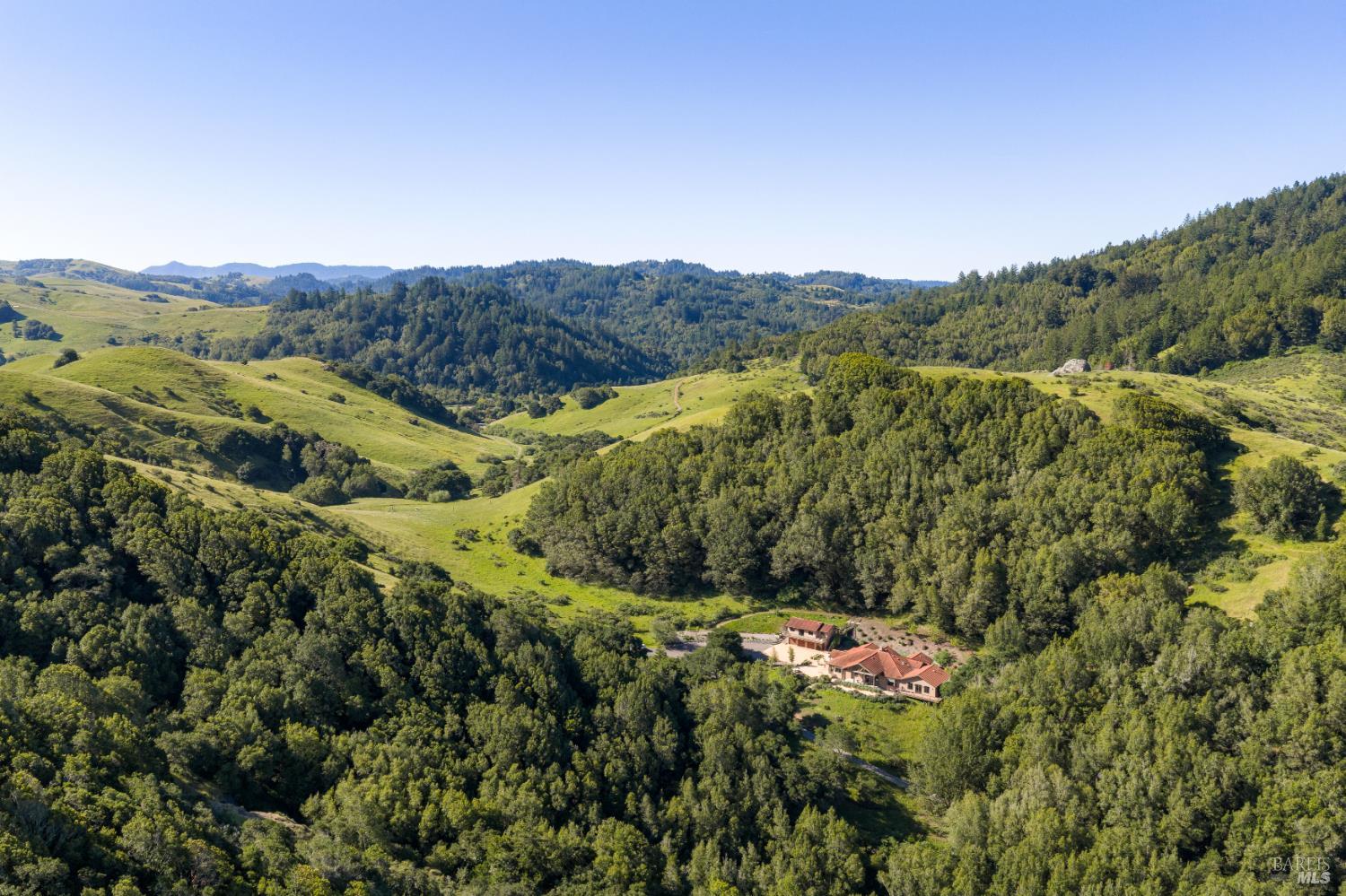
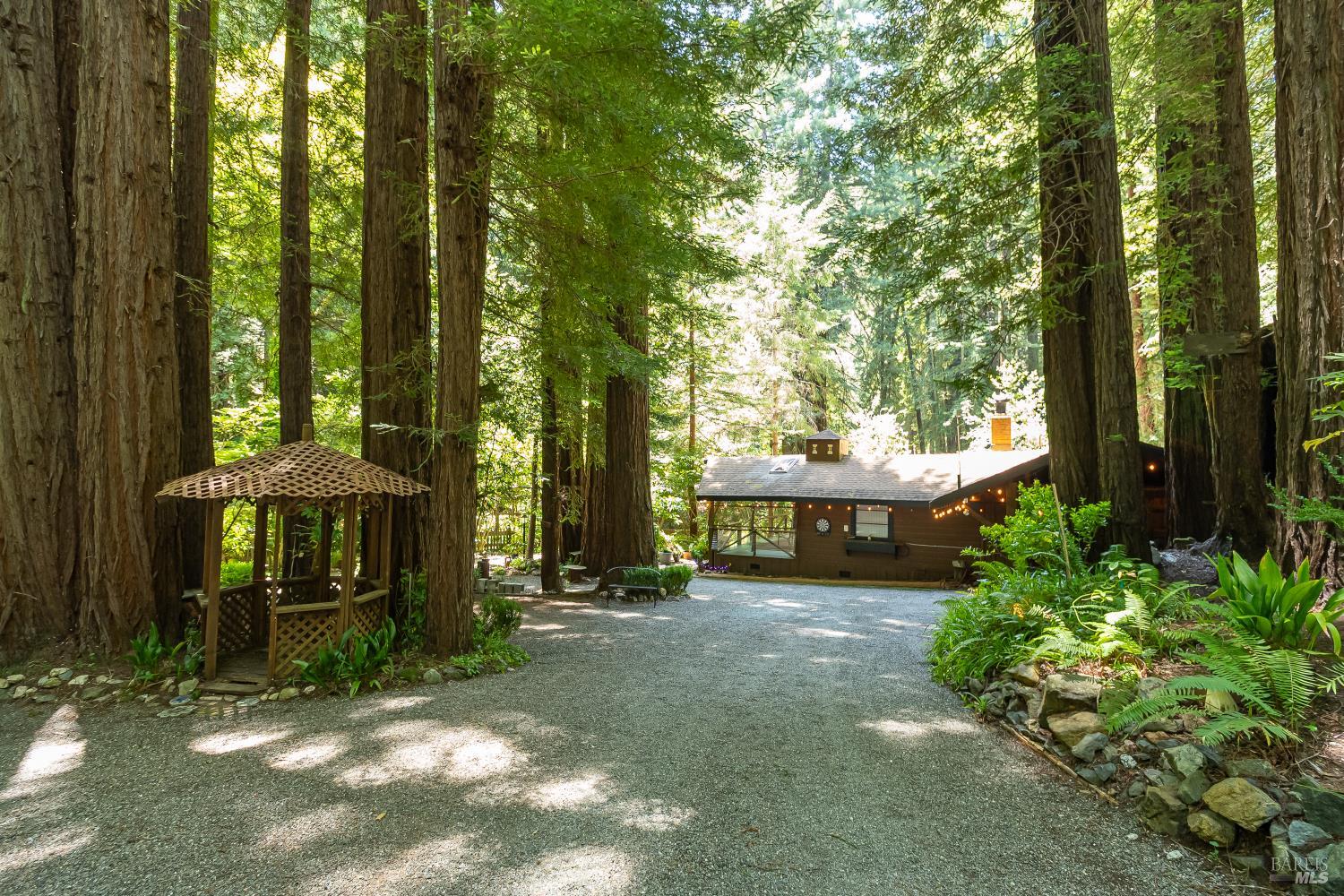
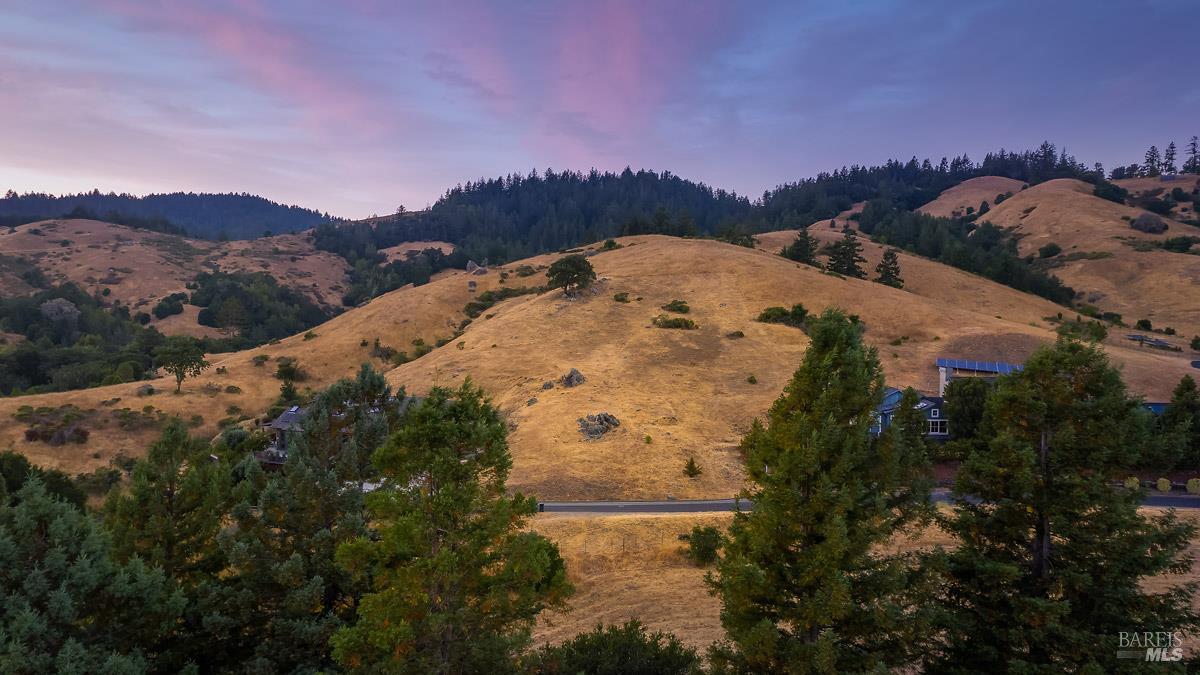
Nicasio sits at the geographic heart of Marin County, a wide rolling valley of oak savanna and dairy pasture ringed by forested ridges, where three rural roads meet: Nicasio Valley Road running north-south past the square, Lucas Valley Road heading east over Big Rock to US-101, and the Point Reyes–Petaluma Road striking west and north. The land tells its whole history in one view — this was the Coast Miwok village of Echatamal and its homeland, then the Mexican-era Rancho Nicasio (named for a Coast Miwok man baptized Nicasio), then the Swiss-Italian dairy valley whose ranching families still work it, supplied in its early decades by the North Pacific Coast Railroad.
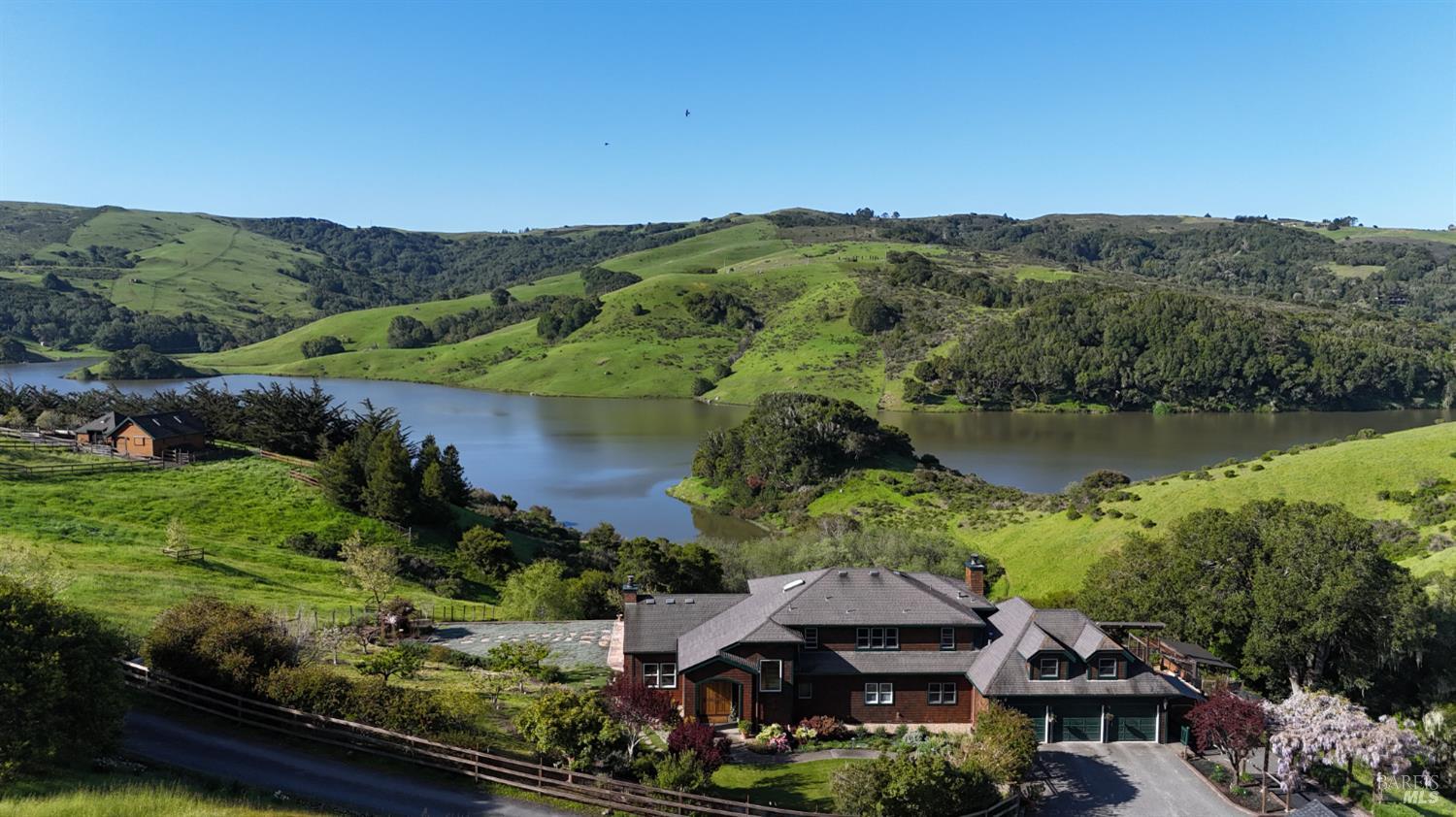
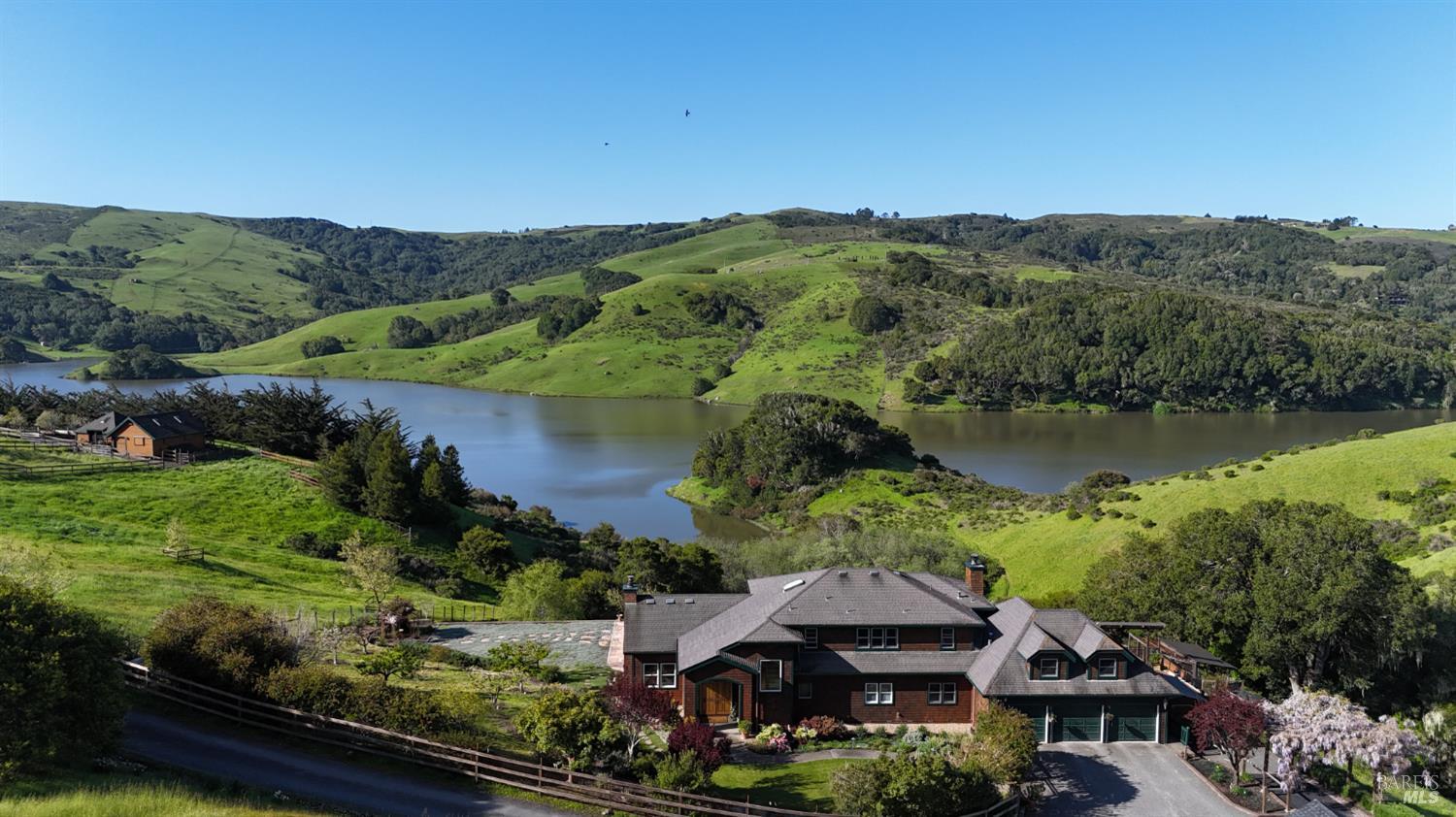
Governance is unincorporated Marin County at its most rural: no municipal water or sewer (wells and septic universally), fire protection through the Marin County Fire Department headquartered nearby in Woodacre, one tiny school district, and a land-use framework — agricultural zoning, MALT easements, Williamson Act contracts — expressly designed to keep the valley looking exactly as it does. Nicasio Reservoir, a mile north of the square, adds the water view; Roy's Redwoods, a few miles south, adds old growth and a genuine piece of Star Wars filming history.
Nicasio is Marin's purest acreage market. In my quarter-by-quarter BAREIS MLS analysis, transactions run in single digits per year across an inventory that spans square-adjacent cottages, mid-valley horse properties, and estate ranches measured in the hundreds of acres — with the top tier routinely trading at prices that match the county's marquee towns, because land at this scale, this close to San Francisco, exists almost nowhere else. Quiet sales are structural: ranches change hands between neighbors, through attorneys, and through relationships, often without a day of public exposure.
Two patterns decide outcomes. First, the paper leads: a Nicasio property's value lives in its easement language, contract status, zoning, water file, and septic capacity before its finishes — two visually identical ranches can differ by millions based on what their deeds allow. Buyers who read the paper first buy well; sellers who assemble it first close smoothly. Second, the commute revelation moves buyers: prospects arrive expecting Inverness-grade remoteness and find a 25-minute run to the freeway, which converts the valley from fantasy to plan in a single test drive.
This guide is deliberately evergreen, so the perishable numbers live where I update them constantly: my Marin Market Intelligence briefings and video library carry the current quarter's BAREIS MLS data for Nicasio, and you can browse current listings at any time — with the standing West Marin caveat that the public inventory is rarely the whole story. My off-market channel covers the rest.
For a town of under a hundred, the square outperforms: Rancho Nicasio is the valley's living room — a roadhouse bar and restaurant that doubles as one of the Bay Area's cherished music rooms, booking bluegrass, swing, blues, and nationally touring acts, with summer barbecue shows on the lawn that fill the square with the whole county. Old St. Mary's Church (1867) and the red one-room schoolhouse hold the square's north end, the nineteenth-century Druids Hall hosts gatherings as it has for generations, and the community ballfield in the square itself may be the most charming home-field advantage in California baseball.
Up Nicasio Valley Road, the Nicasio Valley Cheese Company's farm shop sells the Lafranchi family's award-winning organic farmstead cheeses a few hundred yards from the dairy that makes them. The Halleck Creek Ranch adaptive riding program is one of the valley's quiet institutions. Fuller provisioning runs over the hills: Fairfax's Good Earth about fifteen minutes east, Point Reyes Station's Palace Market and Bovine Bakery to the west, and San Rafael's everything via Lucas Valley Road. Residents structure the week around those runs — and mostly consider the structure a feature.
Nicasio explains itself in one valley loop — about 25 minutes of driving without stops — and the tour doubles as the commute test, because you should arrive the way you would live: via Lucas Valley Road from US-101. Bring two habits: note your cell signal at every stop, and note the light — this is one of the last genuinely dark-sky valleys in the Bay Area.
Stop 1 — Lucas Valley Road from the freeway. Exit US-101 at Marinwood, start the clock, and drive the corridor west: suburban Marin falls away in minutes, Big Rock — the landmark boulder at the summit, with Big Rock Ridge above it — marks the divide, and the forested descent into the valley passes ranch gates that are famously more than they appear (Skywalker Ranch and Big Rock Ranch announce themselves to no one). Check the clock at the valley floor: for most drivers it reads 20 to 25 minutes, and that number is Nicasio's entire commute argument, verified personally.
Stop 2 — The town square. Park anywhere — there is room; that's the point — and walk the square that was platted for a courthouse San Rafael took instead. Old St. Mary's (1867), the red schoolhouse, the Druids Hall, the backstop of the ballfield-in-the-square, and Rancho Nicasio's porch: the whole civic inventory of Marin's smallest town in one unhurried lap. Check the Rancho's music calendar before you leave; it will change your weekend plans.
Stop 3 — Nicasio Valley Cheese Company. Drive north up Nicasio Valley Road to the Lafranchi farm shop. Buy the cheese — genuinely — and read the landscape while you're there: the working dairy around you is what MALT easements and Williamson Act contracts exist to preserve, and understanding that machinery is half of understanding Nicasio's market.
Stop 4 — Nicasio Reservoir. Continue to the reservoir a mile on: shoreline pullouts, winter waterfowl, and the valley's biggest sky doubled in the water. The reservoir is the district's, not a swimming lake — but as a daily backdrop it is magnificent, and the drive around it shows you the valley's northwestern ranch country toward the Point Reyes–Petaluma Road.
Stop 5 — The estate lanes. Return south and read the country along Old Rancheria Road and its neighbors — ranch gates, long drives, equestrian facilities on the benches above the valley floor. This is the tier where Nicasio trades at marquee-Marin prices, and where the diligence file (easement, contract, zoning, well, septic) runs longest. Respect the gates; the privacy behind them is precisely the product.
Stop 6 — Roy's Redwoods. Finish a few miles south at the old-growth grove where Return of the Jedi filmed its forest scenes — public trails under enormous trees, and the perfect closing argument: the Lucas thread in this valley is not a marketing line but a geography, from the grove that played Endor to the ranch up the road that no one gets to see.
Optional extensions. Continue over to Fairfax via Nicasio Valley Road for the nearest-town errand test (~15 minutes); take the Point Reyes–Petaluma Road west toward Inverness and the Seashore; or return after dark for the dark-sky reveal. A dedicated Nicasio profile video is on my production calendar — the written tour above is its working script, and the square deserves a drone at golden hour. Every Marin tour lives on my channel @KyleFrazier and in the Imagine Marin video library.
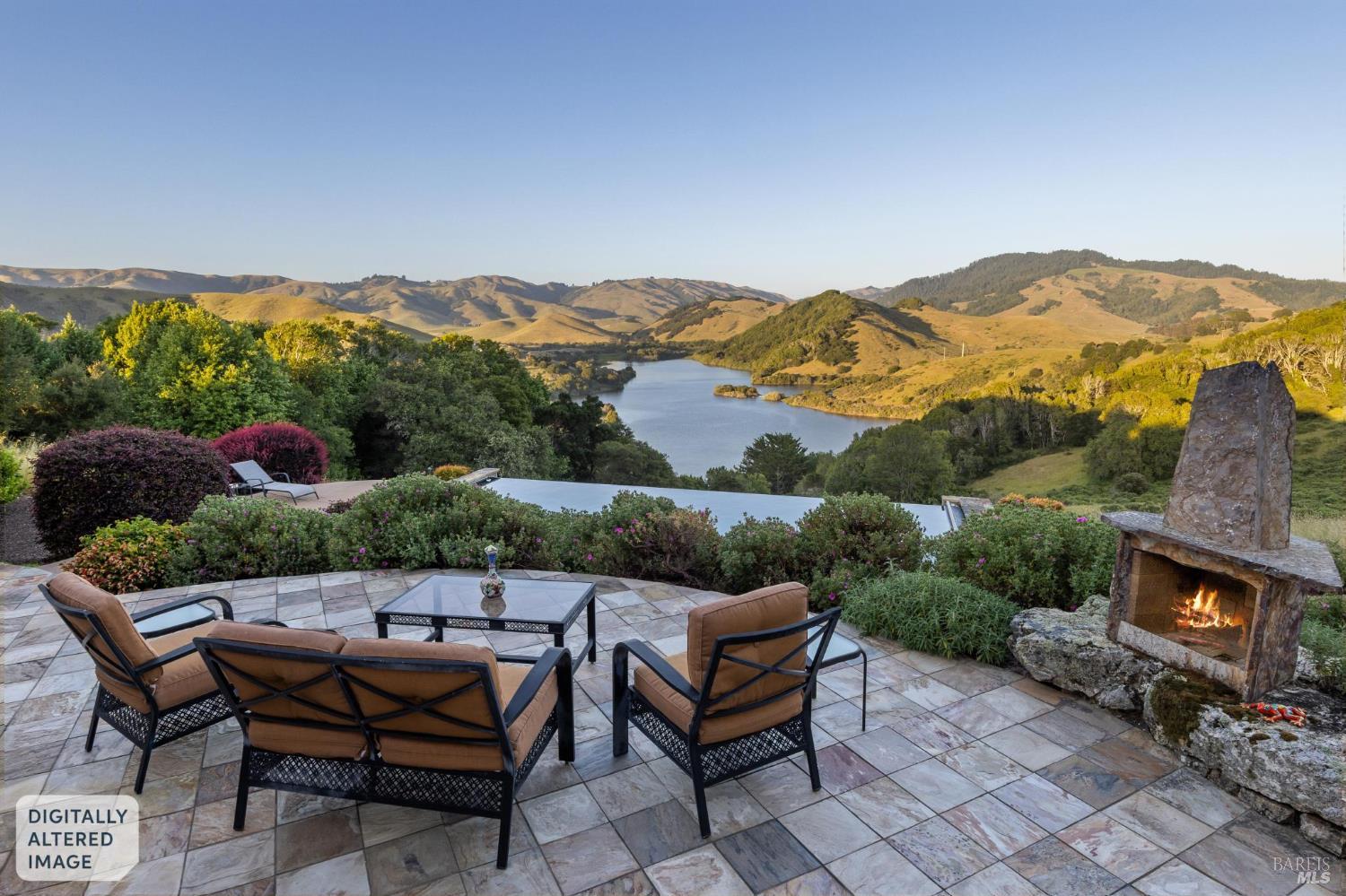
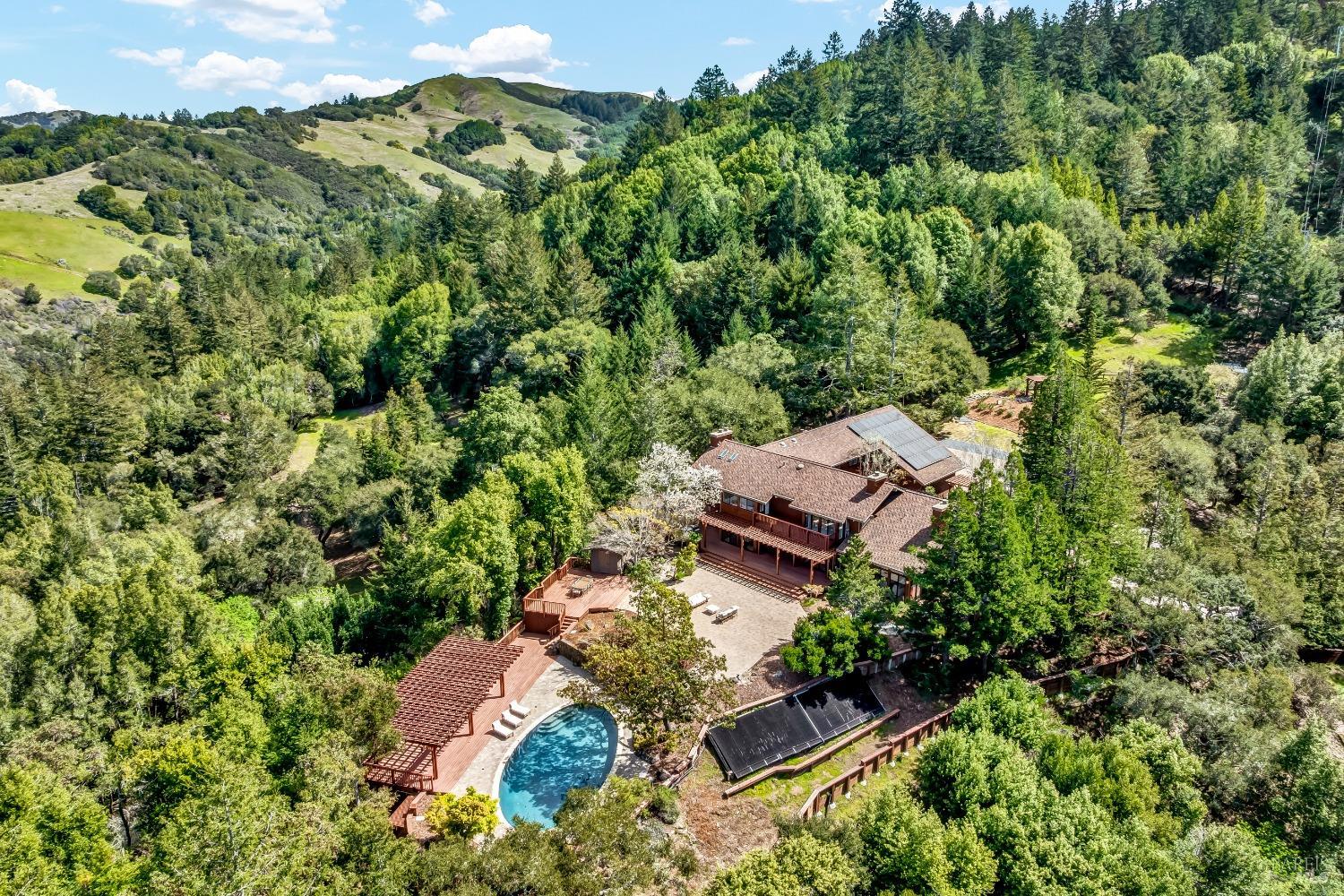
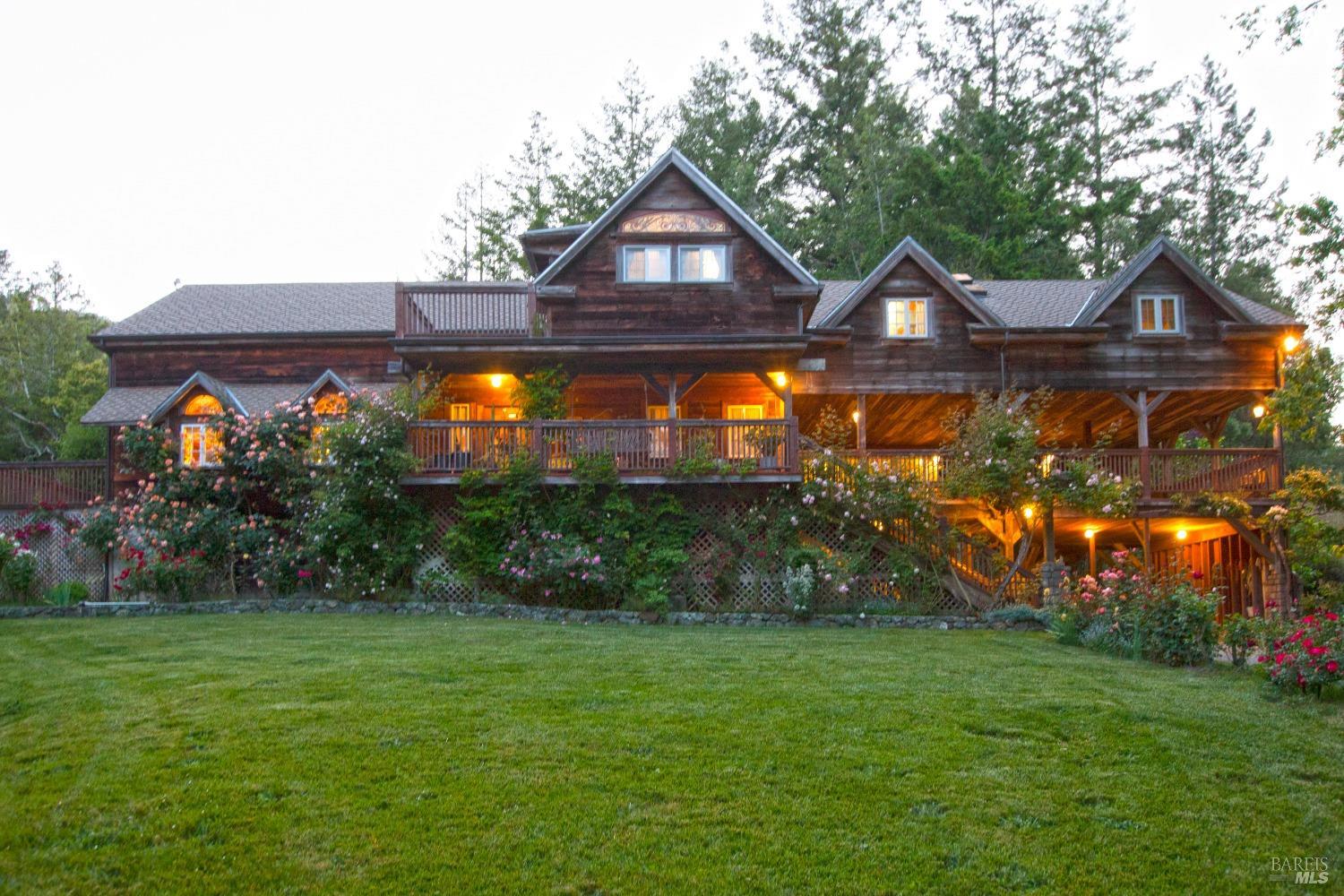
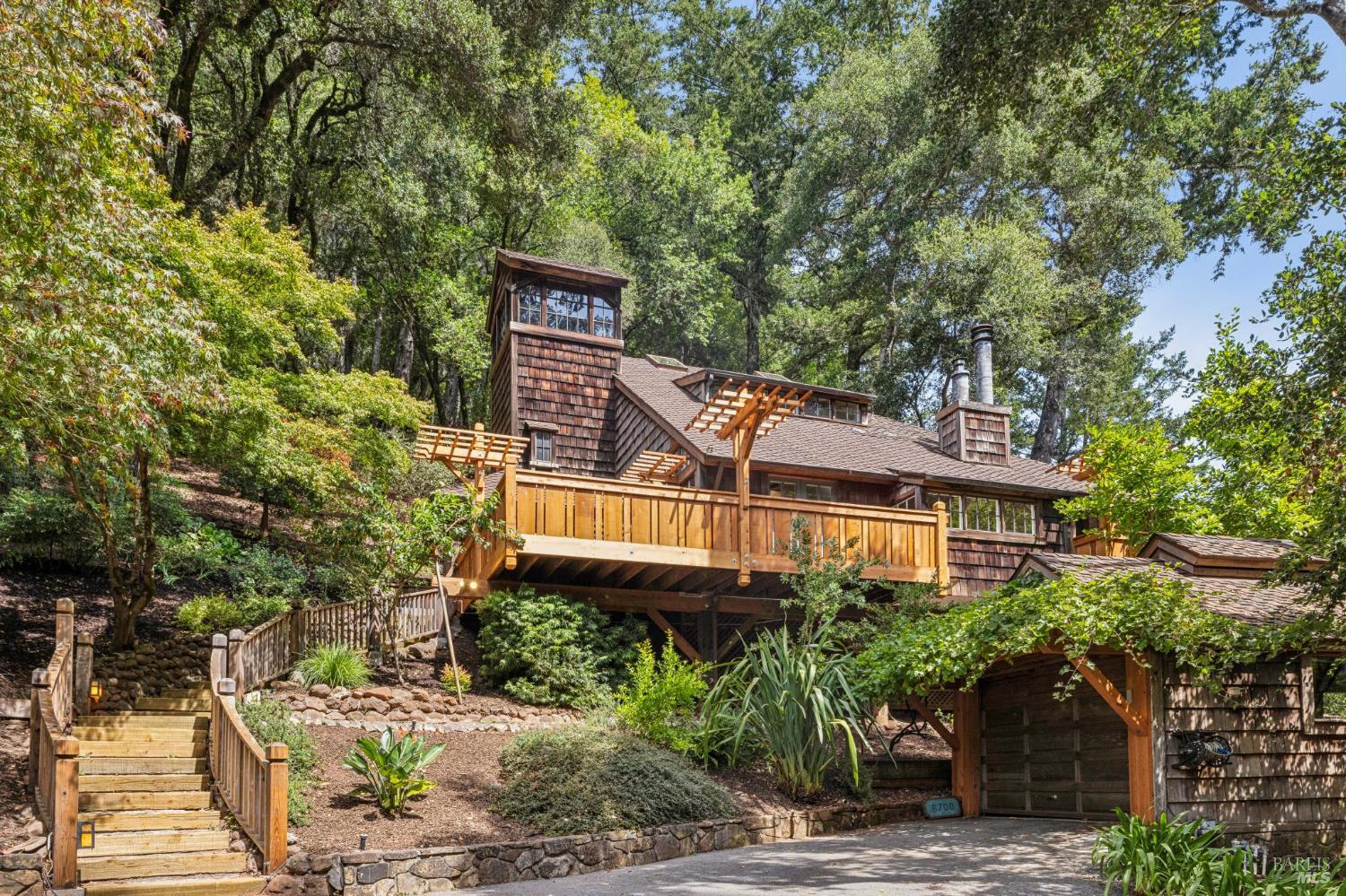
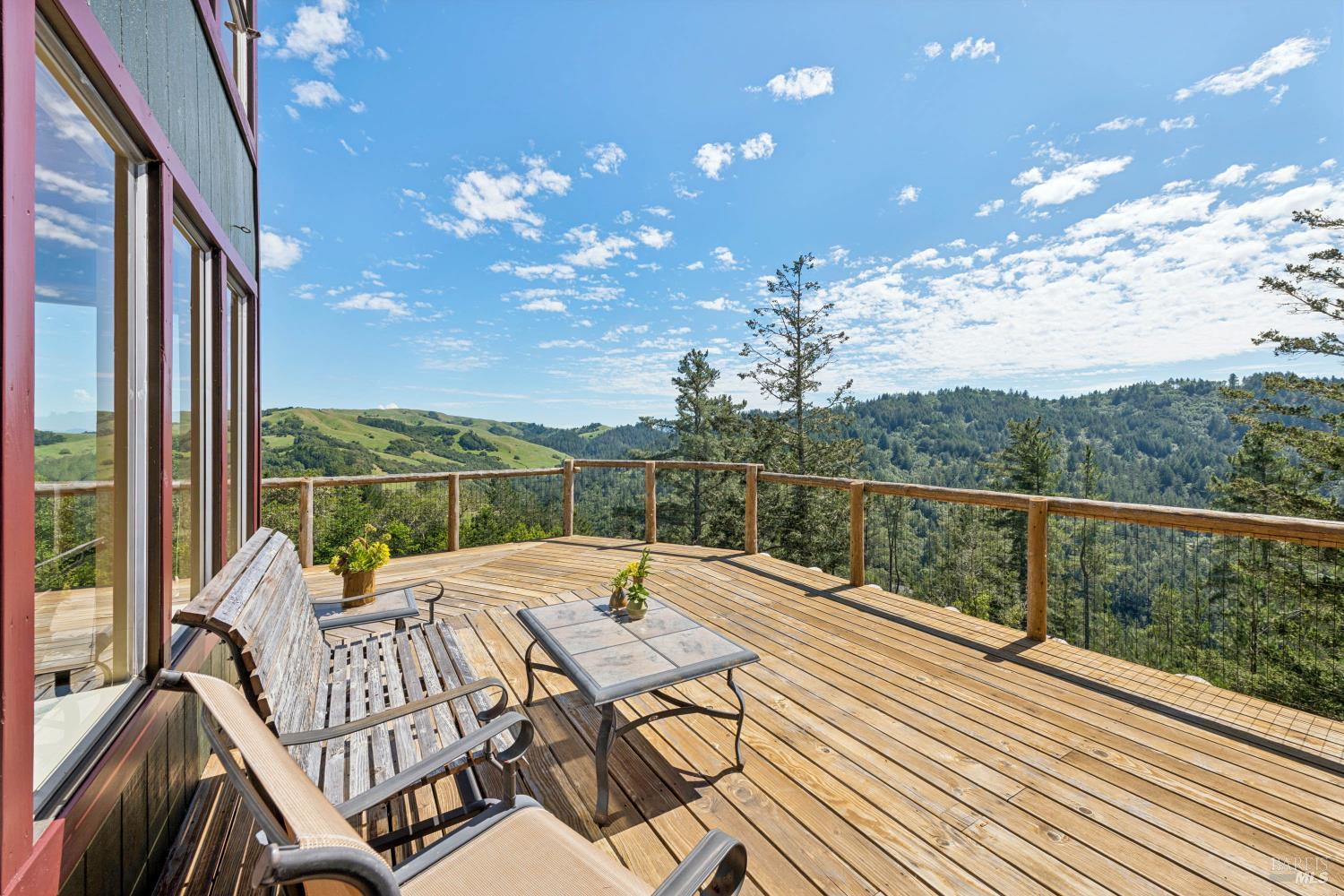
The stock reads in tiers. Around the square: nineteenth-and-early-twentieth-century cottages and homesteads at the valley's most approachable entry. Across the valley floor and benches: mid-century ranch houses on horse acreage, working dairy and cattle operations under easement, and the barns, arenas, and agricultural infrastructure that come with them. On the view lanes: the estate tier — architect-built compounds, restored ranch houses, and equestrian estates on parcels that run from five acres to several hundred, trading at prices that match Ross and Belvedere because nothing else this close to San Francisco offers land at this scale.
The diligence stack is ranch-grade: the easement and contract file first (MALT terms, Williamson Act status, agricultural zoning — together they define what the parcel can ever become), then the water file (well production, quality, storage, and any pond or spring rights), then septic capacity and condition, then the rural practicalities — road maintenance agreements, fencing and boundary clarity on large parcels, fire insurance in writing during week one, and cell/internet verification if remote work is the plan. My legal training earns its keep here; in Nicasio, the paper is the property.
Daily life is the square's rhythm at ranch pace: coffee and the music calendar at Rancho Nicasio, the school's morning drop-off as the town's rush hour, cheese from the Lafranchi shop, evenings on the porch under the darkest skies in the Bay Area, and Saturday nights when the roadhouse fills the square with sound. Baseball on the square, the church's steeple over everything, horses on the morning roads — the clichés are simply true here, which is why the valley guards them with zoning.
The outdoor ledger runs valley-scale: the reservoir's shoreline and birdlife, Roy's Redwoods' old growth, Halleck Creek's trails and riding country, and — within half an hour — Samuel P. Taylor's redwoods, the Point Reyes National Seashore, and the whole of West Marin. Fairfax, Point Reyes Station, and San Rafael divide the errands among them, each an easy scenic run in a different direction.
The Nicasio School District — one of Marin's four small rural districts — operates a single K-8 school on Nicasio Valley Road, where combination classes and small cohorts define a genuinely intimate education. For grades 9-12, students attend the Tamalpais Union High School District, most commonly Archie Williams High School in San Anselmo (renamed from Drake High in 2021). Verify current assignments and transportation logistics for any specific address, and consult GreatSchools and the California School Dashboard directly for performance data.
Better than anyone expects — and it deserves its own section because it reframes the entire purchase. Lucas Valley Road reaches US-101 at Marinwood in roughly 20 to 25 minutes, making Nicasio the only West Marin address with a genuinely workable daily commute: San Rafael in about half an hour, downtown San Francisco in 45 to 60 minutes at peak. Nicasio Valley Road reaches Fairfax and the Ross Valley in about 15 minutes, and the Point Reyes–Petaluma Road opens Sonoma County northward. The trade-offs are rural ones — two-lane roads, deer at dusk, no transit — but the math works, and verifying it is Stop 1 of the driving tour for exactly that reason.
The structural stack: no Mello-Roos, no HOAs beyond private road agreements worth confirming in title, standard county parcel taxes including the Marin Wildfire Prevention Authority (Measure C) levy — and, on contracted ranchland, the Williamson Act's agricultural-value assessment, which can change the tax math dramatically in both directions depending on status. I pull the actual tax bill and contract status for any property a client is serious about.
Read before you love: the MALT easement (if any) with its permanent development limits, the Williamson Act contract with its obligations and any nonrenewal filings, and the agricultural zoning with its parcel minimums. Together they define the property's ceiling — and often its value spread against a visually identical neighbor. Budget legal review as a standard line item; in this valley it pays for itself.
Ranch-scale ownership carries ranch-scale lines: well and septic maintenance with eventual replacement horizons, defensible space across acreage rather than a yard, fencing and road upkeep, agricultural infrastructure if you're keeping the operation alive, and fire insurance priced in writing during week one — on large rural parcels, insurability and its cost genuinely shape deals. Sequenced early, all of it is manageable; it is the late surprises that stall escrows.
The valley's grass-and-oak landscape carries real seasonal fire exposure, portions map into elevated Fire Hazard Severity Zones, and the serving agency is the Marin County Fire Department, headquartered minutes away in Woodacre, with the Marin Wildfire Prevention Authority's vegetation-management and evacuation programs county-wide. California's AB 38 defensible-space documentation applies at sale in designated zones, and on ranch acreage the defensible-space obligation scales with the land. The buyer sequence is non-negotiable: CAL FIRE viewer, written insurance quote in week one, evacuation-route clarity on the three roads out, and a realistic vegetation-management budget. On every ranch purchase I represent here, that file opens before the offer does.
The three directions from the square, and the three most common cross-shops. I maintain full guides to Inverness and Fairfax as well.
Nicasio | Inverness | Fairfax | |
|---|---|---|---|
Landscape & character | Ranchland valley around a historic square — Marin's smallest town | Forest village on Tomales Bay; the Seashore's residential gateway | The Ross Valley's independent, outdoors-first town with a real downtown |
Dominant housing | Square cottages, horse acreage, estate ranches under easement | Cabins, cottages, bay-view customs, post-1995 ridge rebuilds | Railroad-era cottages, postwar tracts, canyon and hillside homes |
Signature diligence | MALT easements, Williamson Act, ag zoning, wells & septic | Septic, IPUD water/fire, ridge fire insurance, moisture | Cabin-era inspection stack, creek flood zones, canyon single-egress |
Infrastructure | Wells and septic; county fire from Woodacre; dark-sky rural | IPUD water + volunteer fire; septic; one road in | Municipal-style services; Ross Valley districts |
Commute anchor | Lucas Valley Rd to 101 in 20-25 min — West Marin's only real commute | 50-70 min to central Marin on one winding road | Drake corridor through the Hub; ferry ~15 min |
Visitor pressure | Minimal — concert nights on the square are the crowd | Seashore flow-through on the boulevard | Weekend cyclists and downtown energy |
Relative price position | Acreage-driven; estate tier trades at top-of-county levels | Wide cottage-to-retreat band | Generally the Ross Valley's most attainable |
Yes — George Lucas's Skywalker Ranch occupies thousands of acres along Lucas Valley Road in Nicasio, home to Skywalker Sound and the filmmaker's working retreat since he began assembling the property in 1978, with Big Rock Ranch as its companion facility nearby. It is not open to the public — no tours, no visitor access, and its gates are deliberately unremarkable — which suits Nicasio's character perfectly. The valley's connection to Lucas runs deeper still: Roy's Redwoods, just south, appears in Return of the Jedi.
No — and it is Marin's favorite trivia answer. Lucas Valley Road carries the name of John Lucas, a nineteenth-century landowner in the valley, more than a century before George Lucas bought ranch land along it. The coincidence is genuinely accidental: the filmmaker chose the site for its seclusion and beauty, and the road's name was already on the maps. Locals enjoy correcting the assumption almost as much as visitors enjoy making it.
Because Nicasio planned to be the county seat. The square was laid out in the 1860s with a block reserved for a courthouse the town expected to win — San Rafael prevailed instead, and Nicasio kept the grandest empty square in Marin. Today it holds Old St. Mary's Church (1867), the red one-room schoolhouse of similar vintage, the historic Druids Hall, Rancho Nicasio, and the community ballfield where local baseball has been played for generations. The courthouse never came; everything better did.
The roadhouse that anchors the square and, improbably, one of the Bay Area's beloved live-music rooms — a bar and restaurant in the old West Marin tradition that books everything from bluegrass and swing to nationally touring acts, with summer barbecue shows on the lawn that draw crowds from all over the county. For residents it is the town's living room, calendar, and reason the quietest valley in Marin has some of its best Saturday nights.
The Lafranchi family's organic farmstead creamery on Nicasio Valley Road — award-winning cheeses made from the milk of the family's own dairy, descended from the Swiss-Italian ranching tradition that built this valley, with a farm shop where you can buy them a few hundred yards from the cows. It is both a genuinely excellent stop and a living link to the dairy economy that has defined Nicasio since the 1800s.
The 2020 Census counted 96 residents in the Nicasio CDP at the square — the smallest recognized community in Marin — with a few hundred more people spread across the valley's ranches. The wider Nicasio area holds roughly 250 homes on about 350 parcels, ranging from cottages near the square to working ranches measured in the hundreds of acres. Annual transactions run in the single digits, and each one is its own market.
The Marin Agricultural Land Trust holds conservation easements on many West Marin ranches, including Nicasio Valley properties — permanent deed restrictions that keep land in agriculture and limit development, subdivision, and sometimes structure siting. For ranch buyers this is first-order diligence: read the actual easement, understand what it allows and forbids, and price the property as what it can legally be. Easement-protected land is often magnificent precisely because of the restriction — but the restriction is forever.
California's agricultural preserve program: landowners contract with the county to keep land in agricultural use, and in exchange property taxes are assessed on agricultural value rather than market value — often a dramatic difference on Nicasio acreage. Contracts run on rolling ten-year terms, and exiting requires a formal multi-year nonrenewal process. Buyers inherit the contract with the land, so verify status, obligations, and any nonrenewal filings early. It shapes both the carrying cost and the property's future flexibility.
Much of the valley sits in Marin County's agricultural zoning districts, where minimum parcel sizes are large — up to 60 acres in the strictest areas — and land divisions are effectively off the table. Combined with MALT easements and Williamson Act contracts, the framework means what you see is what the valley will remain: buyers should confirm zoning, easements, and any contract status for the specific parcel as a package, because together they define what the property can ever become.
Almost universally — there is no municipal water or sewer in the valley. Wells (production, quality, and storage), septic systems (capacity, condition, and permits under county environmental health), and any spring or pond rights lead the diligence file, and on working ranches, agricultural water infrastructure joins the list. Budget the full rural-systems inspection scope, and confirm cell and internet service at the specific house — coverage is famously parcel-specific in the valley's folds.
The valley's grass-and-oak landscape carries real seasonal fire exposure, portions map into elevated Fire Hazard Severity Zones, and the Marin County Fire Department — headquartered nearby in Woodacre — serves the area, with the Marin Wildfire Prevention Authority's county-wide programs behind it. Ranch-scale ownership means ranch-scale defensible space, and California's AB 38 documentation applies at sale in designated zones. Verify the parcel in the CAL FIRE viewer and get written insurance answers in week one; on acreage, insurability shapes the deal.
The Nicasio School District — one of Marin's four small rural districts — operates a single K-8 school on Nicasio Valley Road, where combination classes and small cohorts define the experience. For grades 9-12, students attend the Tamalpais Union High School District, most commonly Archie Williams High School in San Anselmo (renamed from Drake High in 2021). Verify current assignments and transportation for any specific address, and consult GreatSchools and the California School Dashboard directly for data.
Here is Nicasio's quiet superpower: it is the closest West Marin community to US-101. Lucas Valley Road reaches the freeway at Marinwood in roughly 20 to 25 minutes, putting San Rafael half an hour away and downtown San Francisco at 45 to 60 minutes — genuinely workable numbers that Inverness and the coast cannot match. Fairfax is about 15 minutes over Nicasio Valley Road. Test the Lucas Valley run at your real hour; for most buyers it is the pleasant surprise of the search.
Subject to Marin County's short-term rental rules for unincorporated areas — Nicasio sits inland of the coastal zone where the county's West Marin cap drew its hardest lines, but licensing and operating requirements apply county-wide and the regulatory picture has continued to evolve. If rental income is part of the purchase math, verify the current ordinance and license status for the specific parcel before writing the offer rather than after.
Coast Miwok homeland — the village of Echatamal stood here, and the valley remained a center of Coast Miwok life long after European contact; the name itself comes from a Coast Miwok man baptized Nicasio in the mission era, carried onto the Mexican-period Rancho Nicasio grant. The dairy chapter followed — Swiss-Italian ranching families whose descendants still work the valley — with the North Pacific Coast Railroad supplying the town through its early decades. Few places in Marin wear their whole history this visibly.
Yes — Roy's Redwoods, the old-growth grove a few miles south of the square in the San Geronimo Valley open space, served as a filming location for Return of the Jedi's forest scenes, years before its neighbor up the road built Skywalker Ranch. The grove is open to the public with gentle trails under genuinely enormous trees — one of several reasons the Lucas thread runs through this valley more authentically than anywhere outside a studio lot.
Three different wests. Nicasio is the ranchland answer: acreage, horses, the square, and — uniquely in West Marin — a real commute via Lucas Valley Road. Inverness is the forest-and-bay answer: Tomales Bay at the door, the Seashore behind, deeper remoteness. Fairfax is the town answer: the Ross Valley's attainable, outdoors-first community with an actual downtown, fifteen minutes over the hill. Most Nicasio buyers cross-shop all three; the landscape and the commute usually decide it.
The answer is the agent who reads ranch paper as fluently as house paper — MALT easements, Williamson Act contracts, well and septic files, agricultural zoning — because in Nicasio those define value before the house ever does. I am Kyle Frazier, JD, CRS, CLHMS, a Broker Associate with Compass (DRE #01405738) and a Marin County broker for more than 20 years covering the ranchlands; my legal training earns its keep in easement country. I analyze BAREIS MLS data quarterly and have been quoted by the Wall Street Journal, Financial Times, and San Francisco Chronicle.
A dedicated Nicasio profile is on my production calendar — the written driving tour above is its working script, and the square at golden hour is the thumbnail waiting to happen. In the meantime, my Marin town tours, quarterly market briefings, and ranch-market analyses live on my channel @KyleFrazier — over 20,000 local subscribers and one million views — and in the Imagine Marin video library.
I'm Kyle Frazier — JD, CRS, CLHMS, Broker Associate at Compass, and a Marin County broker for more than 20 years covering the ranchlands alongside every inland sub-market, quoted by the Wall Street Journal, Financial Times, and San Francisco Chronicle. Nicasio is a market where the paper is the property — easements, contracts, zoning, water — and my legal training earns its keep reading it, backed by quarterly BAREIS MLS analysis and access to off-market and pre-market opportunities in a valley where ranches trade between neighbors long before any listing exists. For buyers, my clients obtain full underwriting up front so their offers compete like cash when the rare right parcel surfaces. For owners, start with a discreet, data-driven valuation second opinion.
Book a consultation · Call or text (415) 350-9440 · [email protected] · Explore more Marin neighborhood guides.
 Novato, CA Real Estate: A Resident Broker's Neighborhood Guide
 Pointe Marin, Novato CA (94949): Current Listings & Complete Neighborhood Guide
 Marin Country Club Estates (Country Club) Novato 94949 Guide
 Hamilton Field, Novato (94949): The Definitive 2026 Resident & Buyer Guide
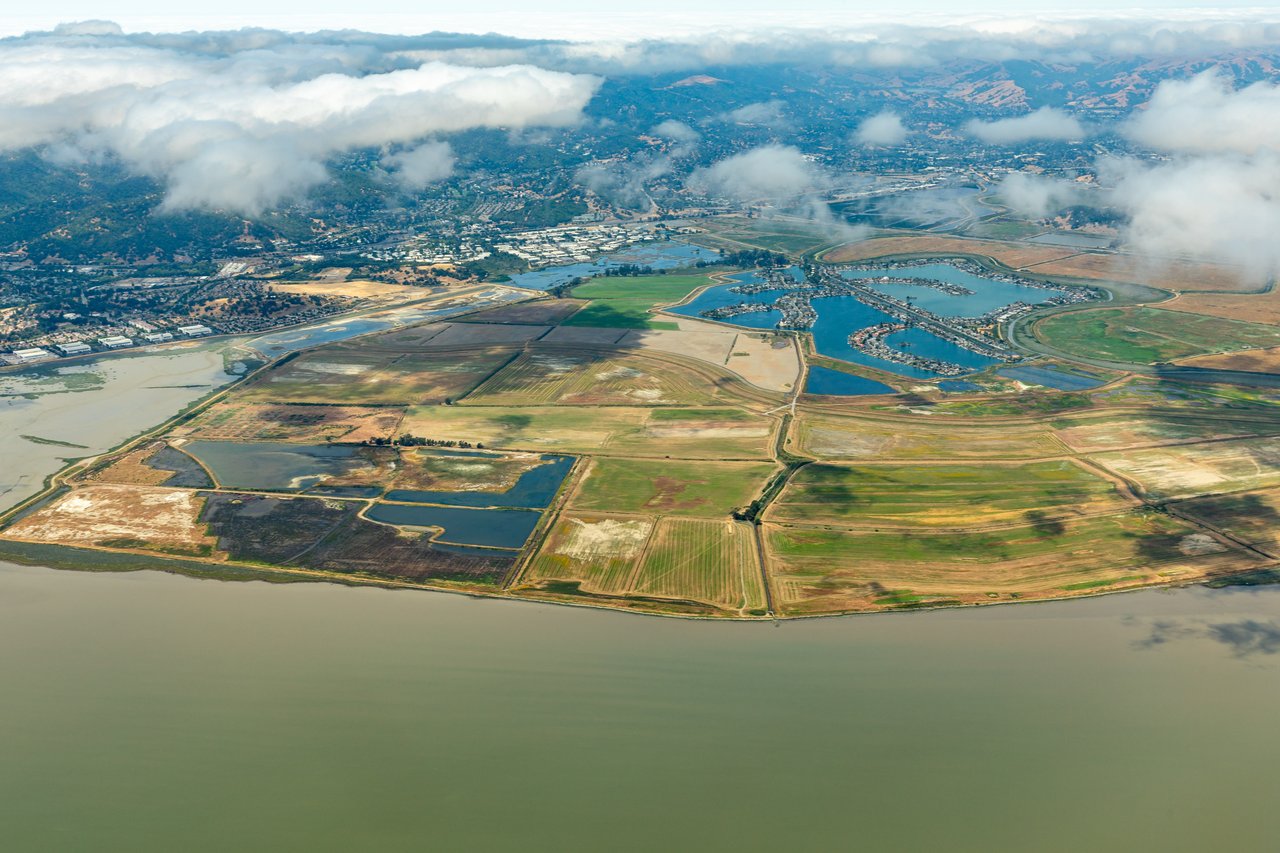 Bel Marin Keys, Novato (94949): Complete Waterfront Community Guide
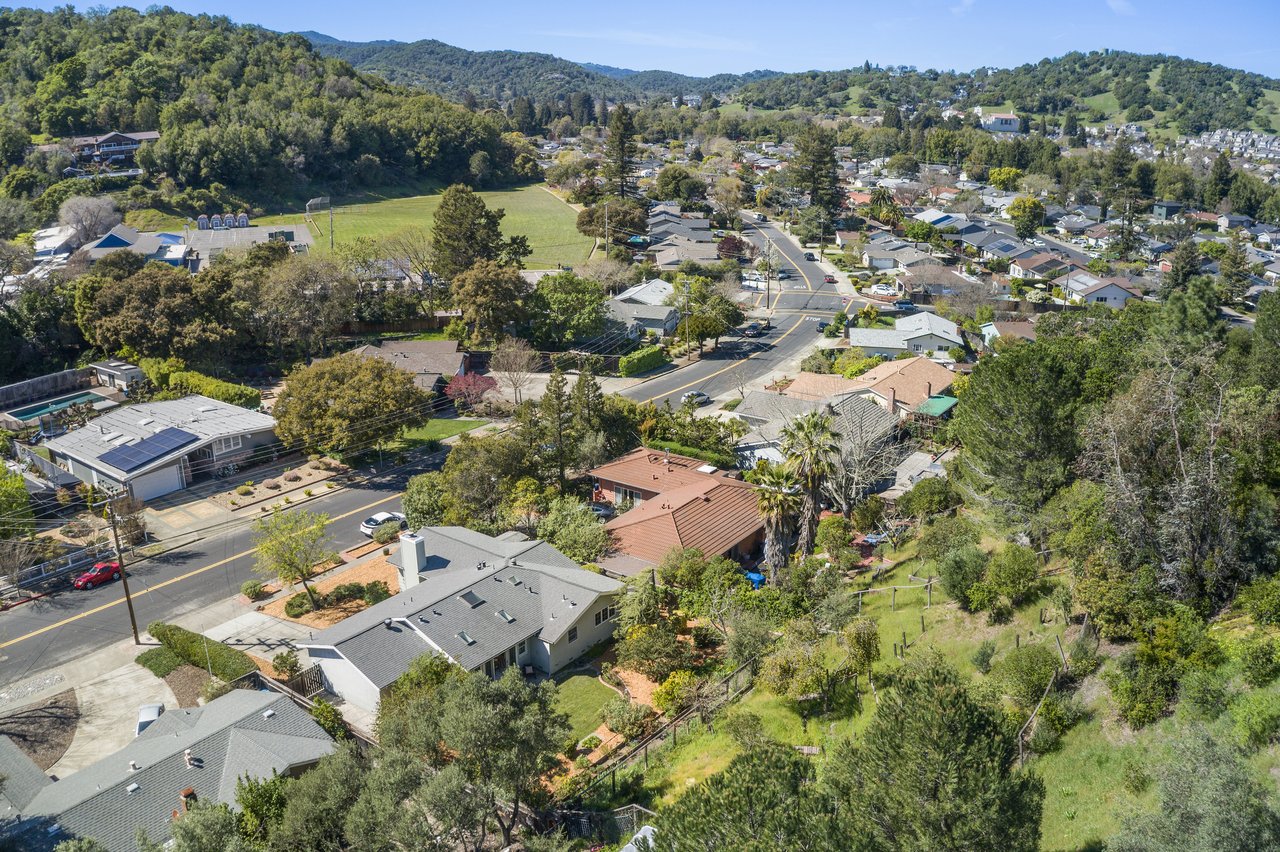 Loma Verde, Novato (94949): Complete Neighborhood Guide
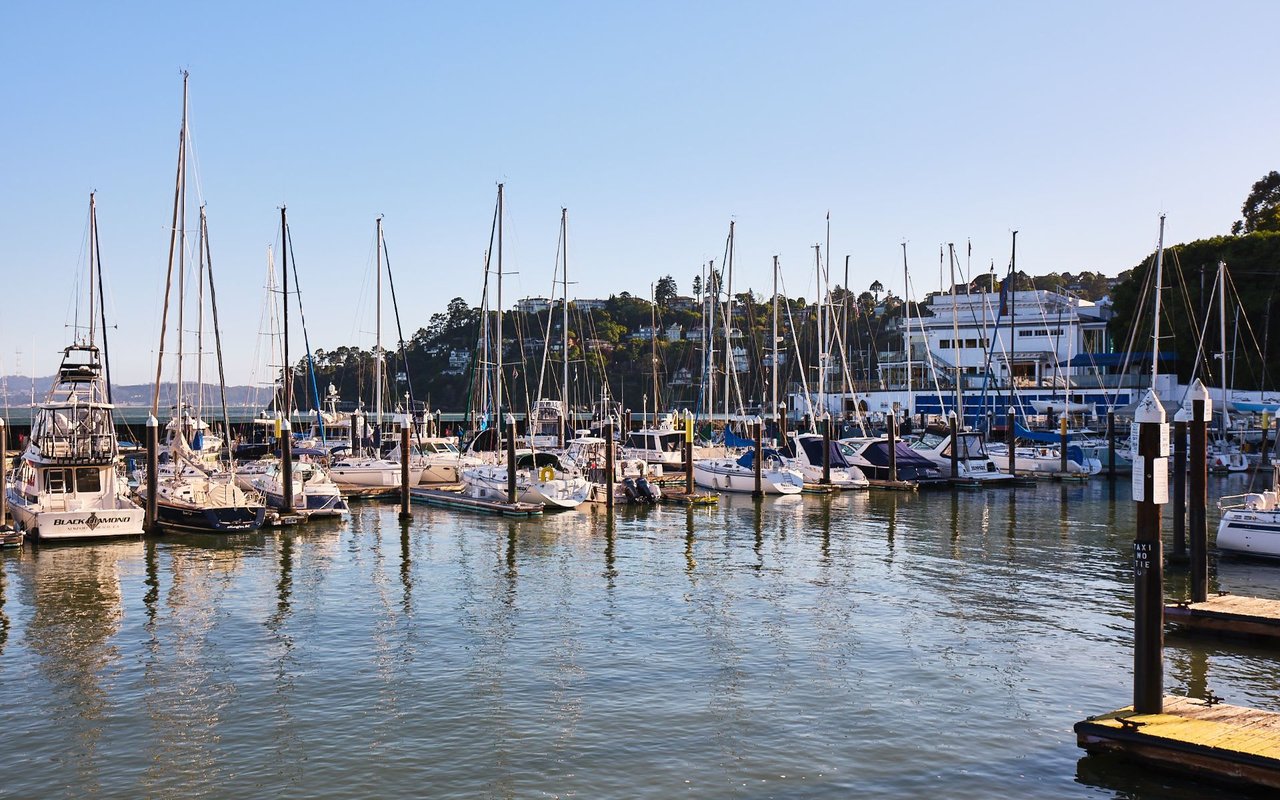 Tiburon, CA Real Estate: A Marin Luxury Broker's Complete Town Guide
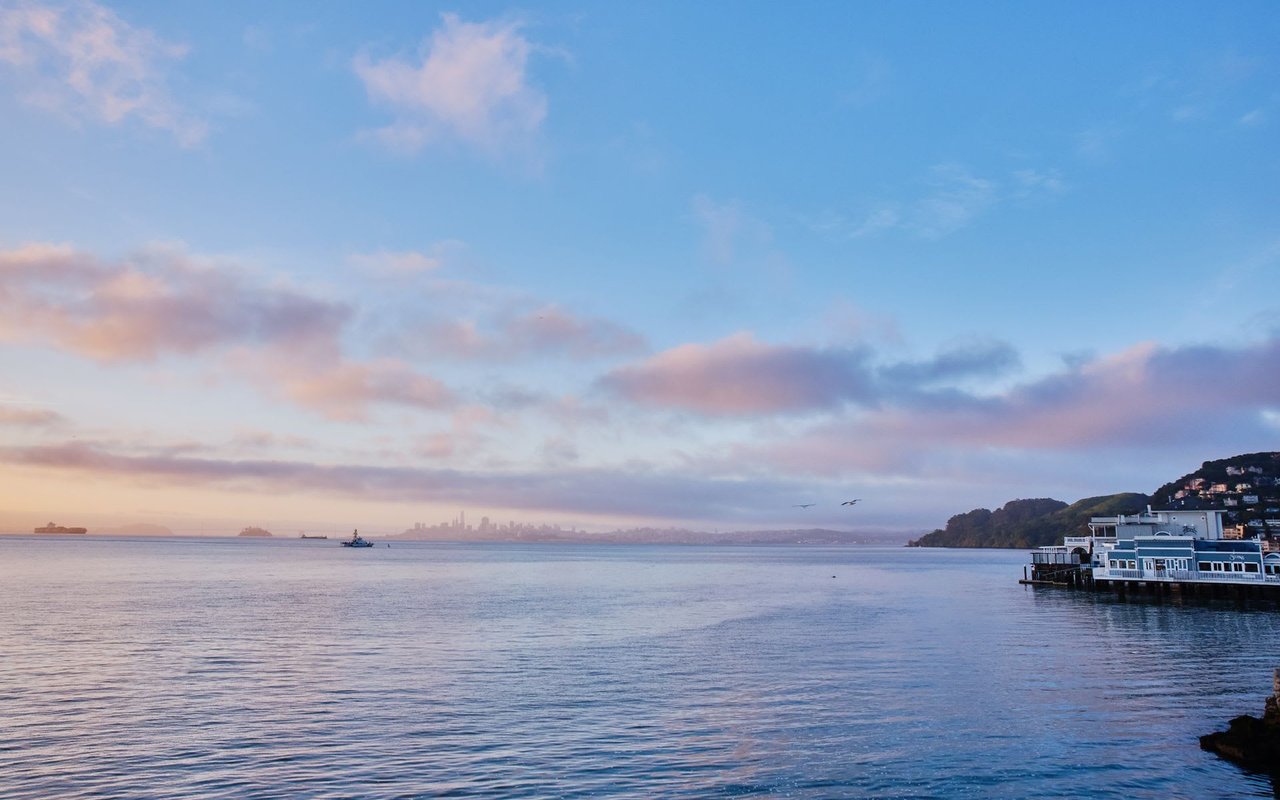 Stinson Beach, CA Real Estate: A Marin Broker's Complete Guide
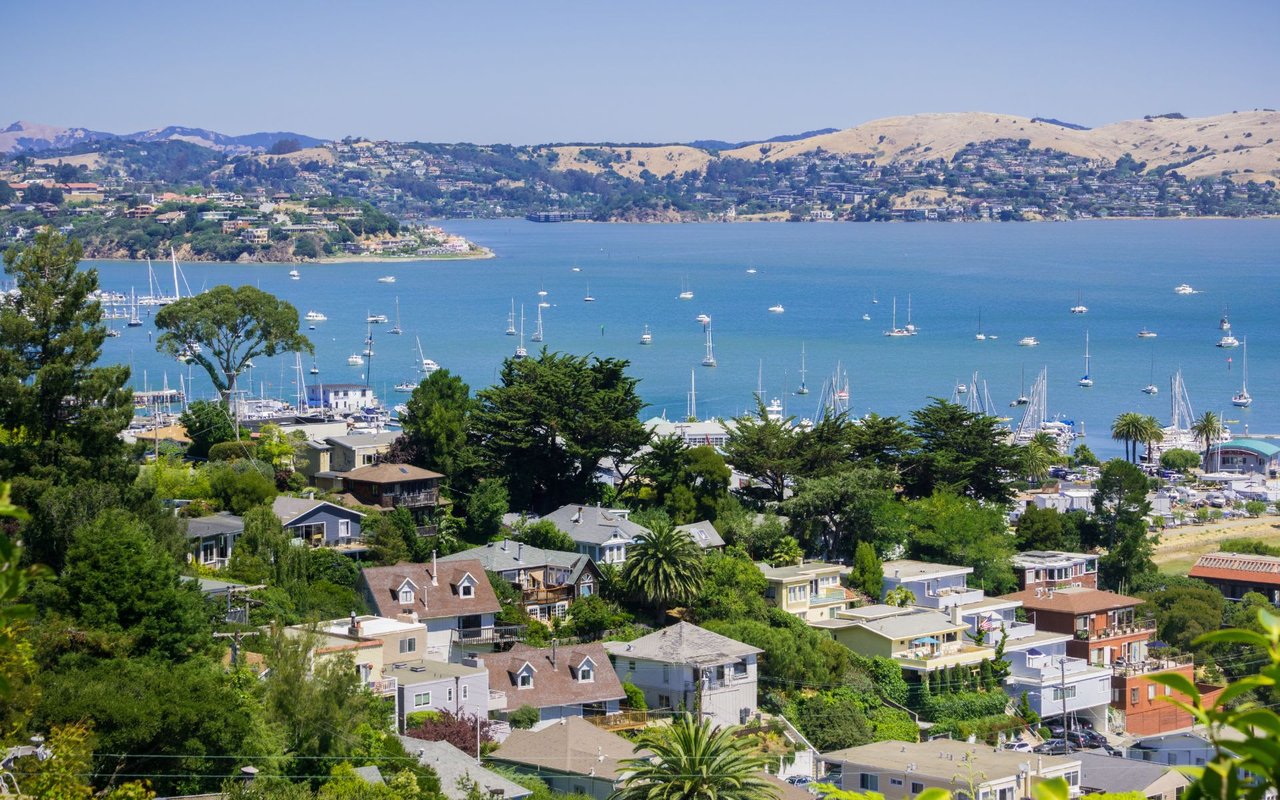 Sausalito, CA Real Estate: A Marin Broker's Complete Town Guide
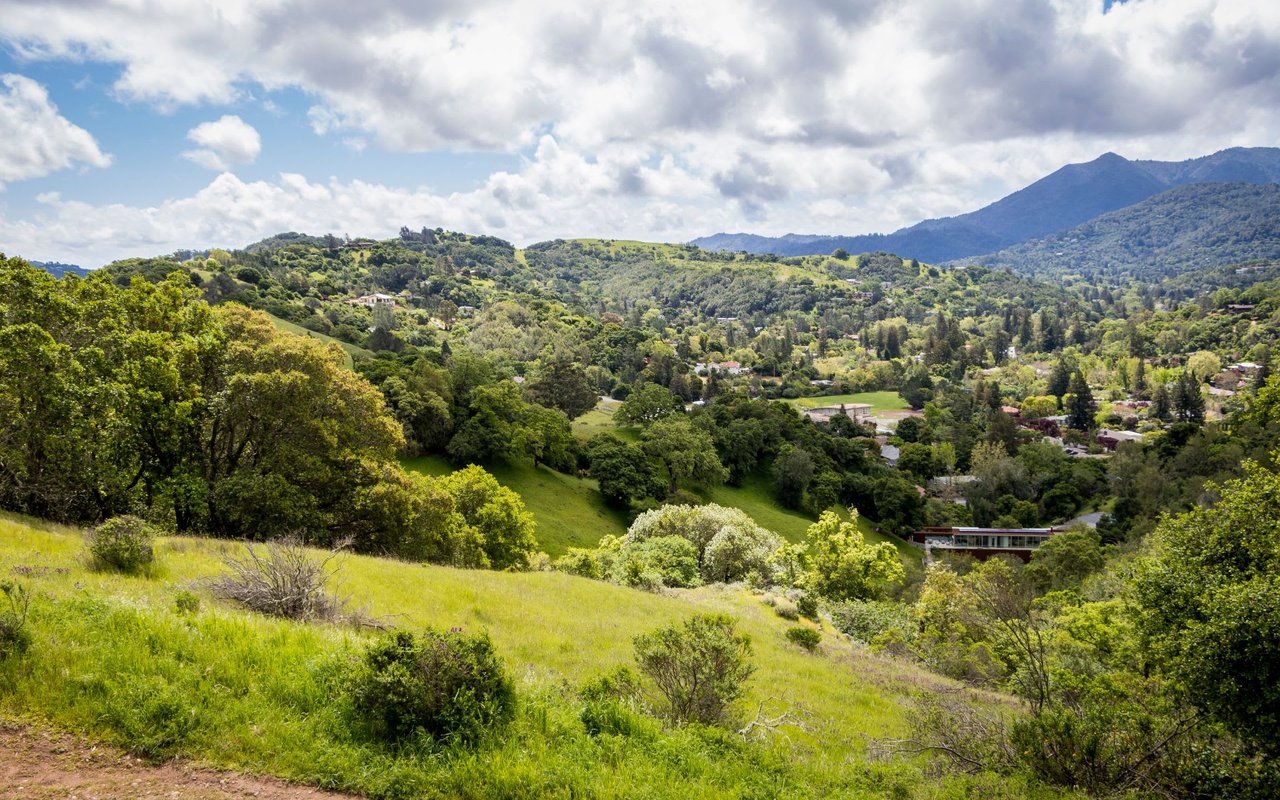 San Anselmo, CA Real Estate: A Marin Broker's Complete Town Guide
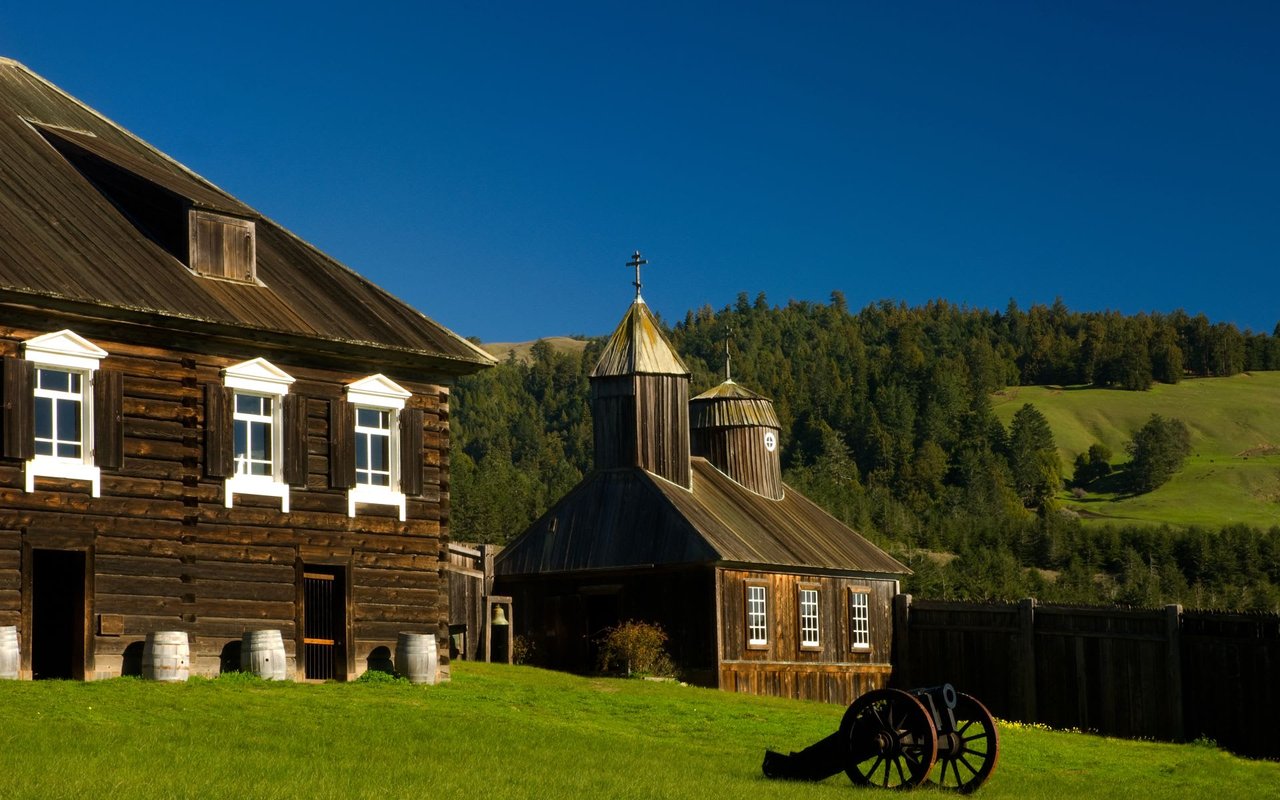 Ross, CA Real Estate: A Marin Broker's Complete Town Guide
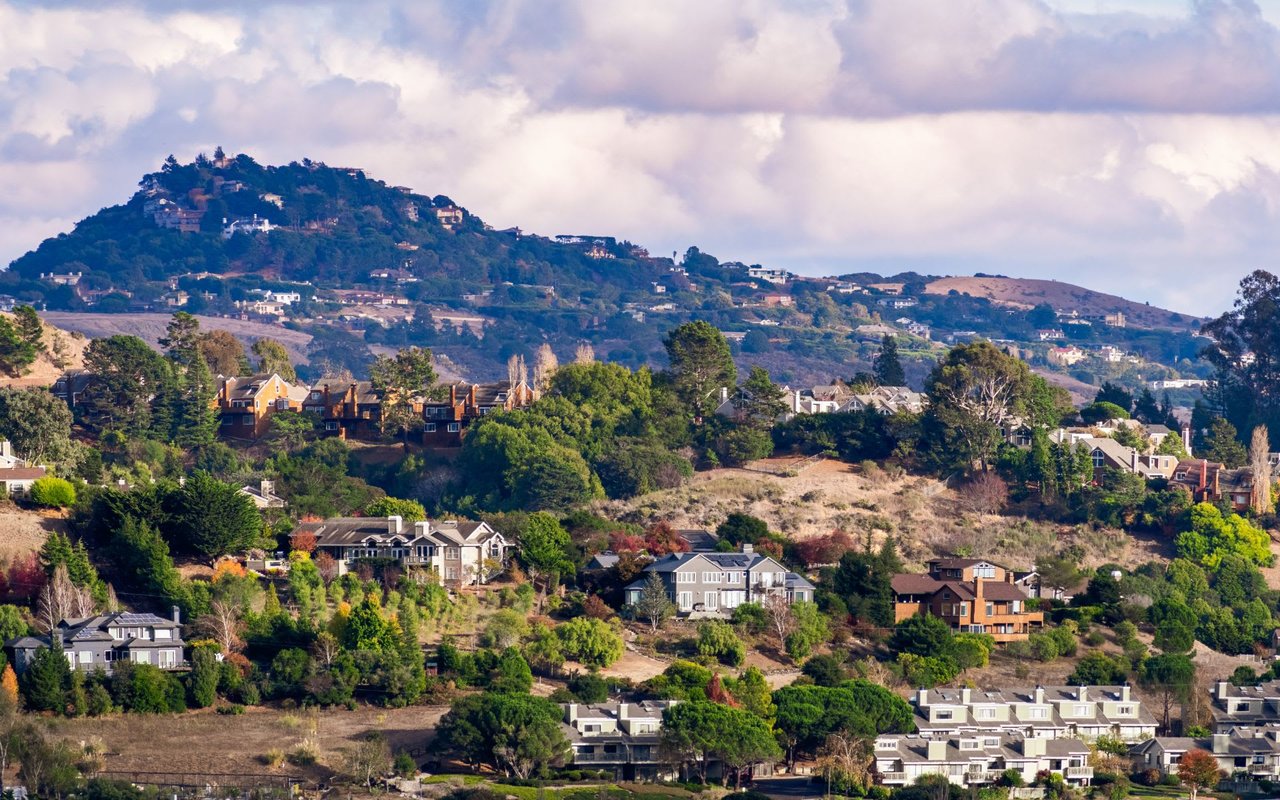 Mill Valley, CA Real Estate: A Marin Broker's Complete Town Guide
 Larkspur, CA Real Estate: A Marin Broker's Complete Town Guide
 Inverness, CA Real Estate: A Marin Broker's Complete Guide
 Greenbrae, CA Real Estate: A Marin Broker's Complete Guide
 Fairfax, CA Real Estate: A Marin Broker's Complete Town Guide
 Corte Madera, CA Real Estate: A Marin Broker's Complete Town Guide
 San Rafael, CA Real Estate: A Marin Broker's Complete Town Guide
 Kentfield, CA Real Estate: A Marin Broker's Complete Guide
 Belvedere, CA Real Estate: A Marin Broker's Complete City Guide
Nicasio, CA Real Estate: A Marin Broker's Complete Valley Guide
Belvedere, CA Real Estate: A Marin Broker's Complete City Guide
Nicasio, CA Real Estate: A Marin Broker's Complete Valley Guide