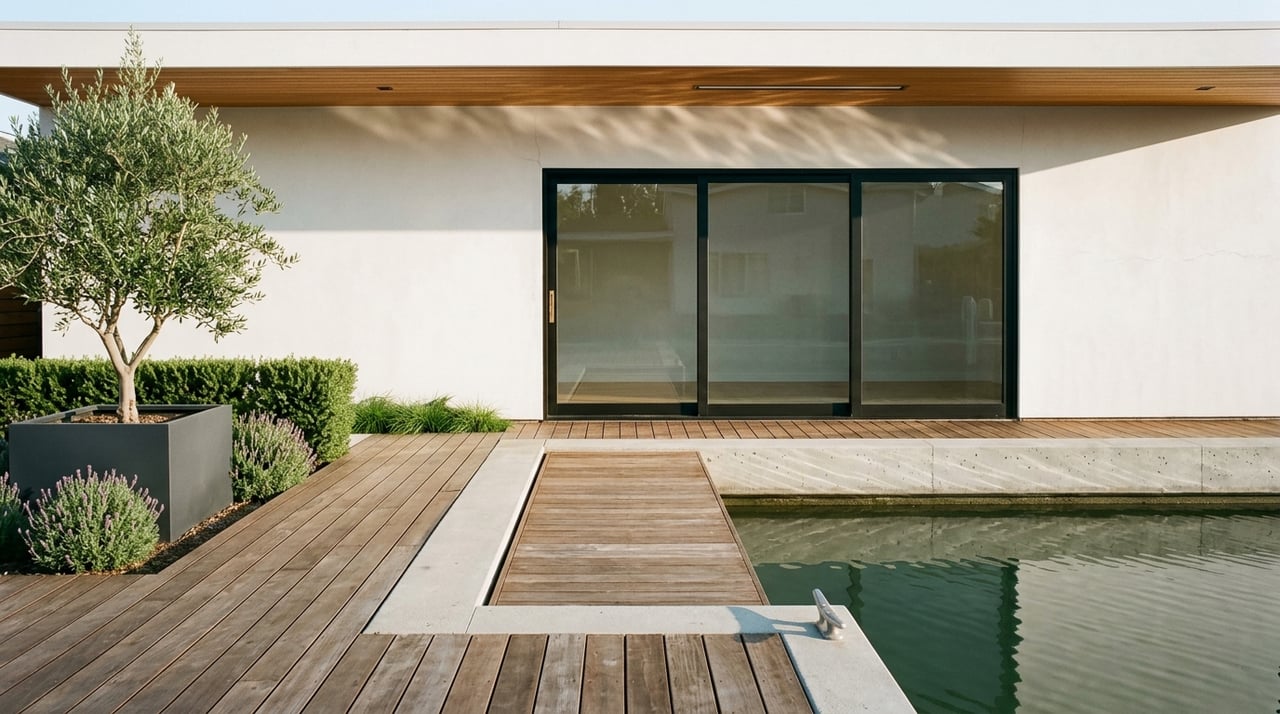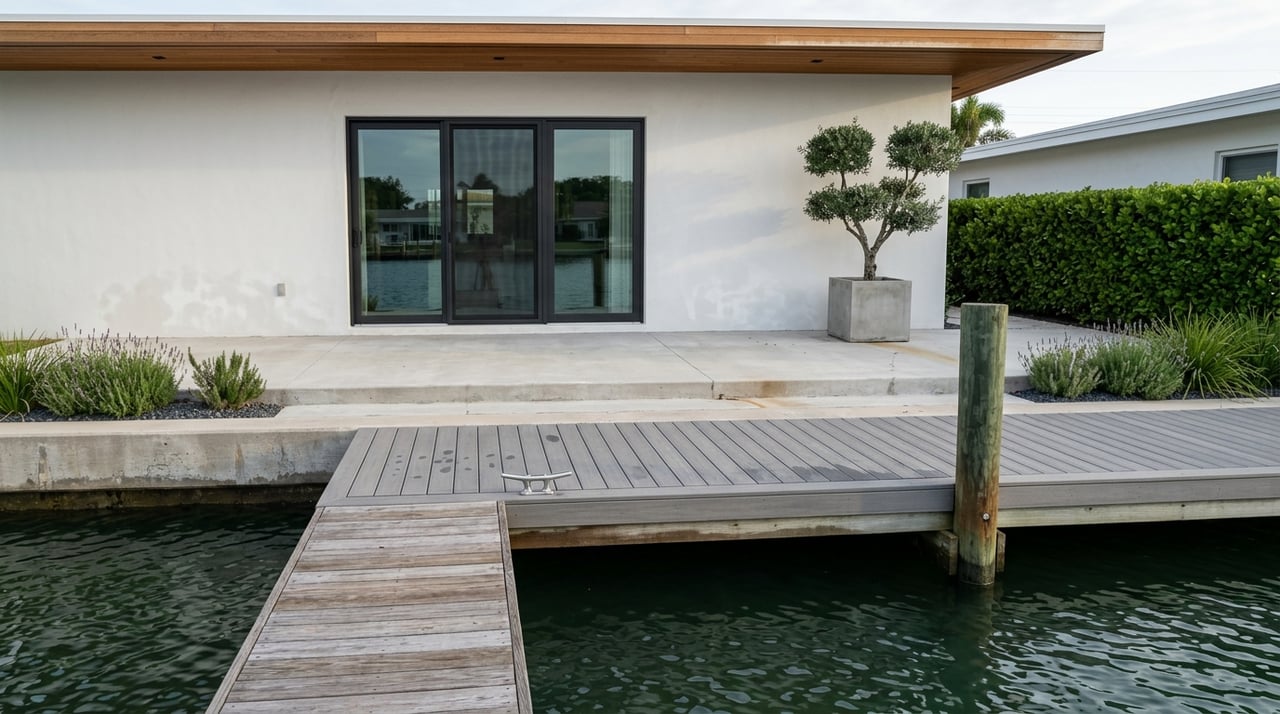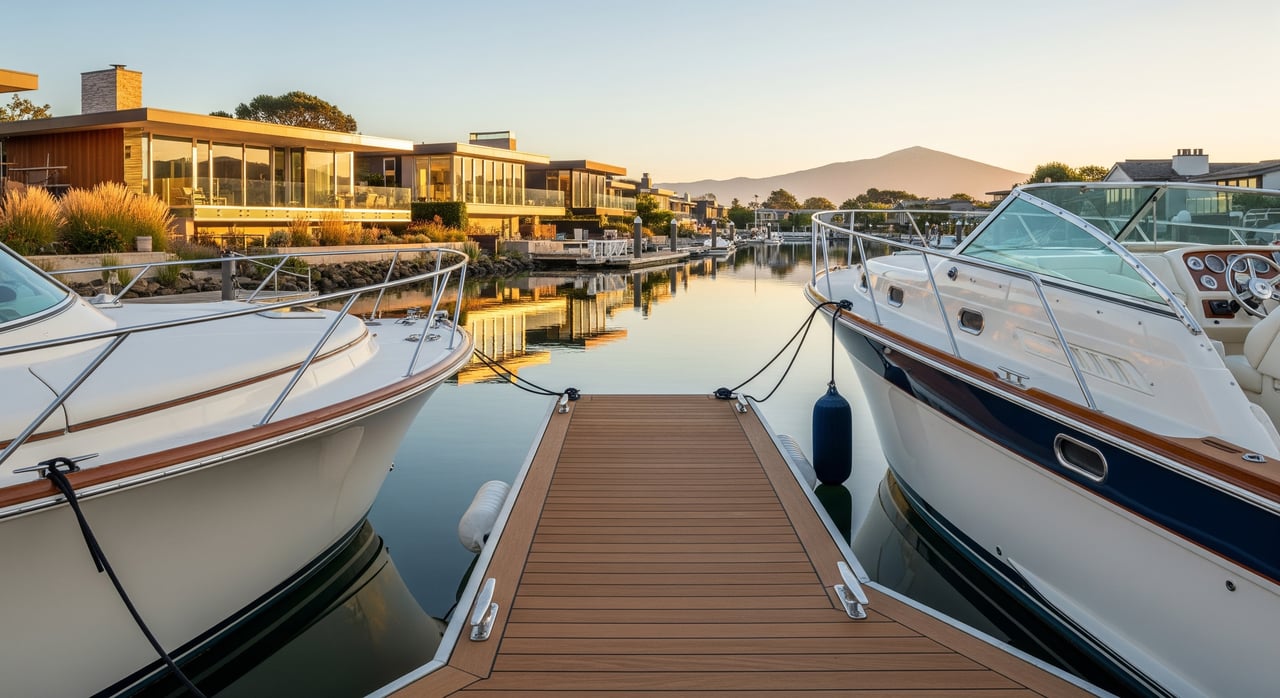
Imagine stepping from your back deck onto a dock, pushing off into a calm lagoon, and cruising out to San Pablo Bay for sunset. If you are considering a home in Bel Marin Keys, that picture can be real. At the same time, waterfront living comes with tides, rules, and maintenance that most buyers do not encounter on standard suburban streets. In this guide, you will learn how the lagoons and canals work, what boats fit, the lifestyle you can expect, and the key documents and costs to verify before you tour. Let’s dive in.
Bel Marin Keys at a glance
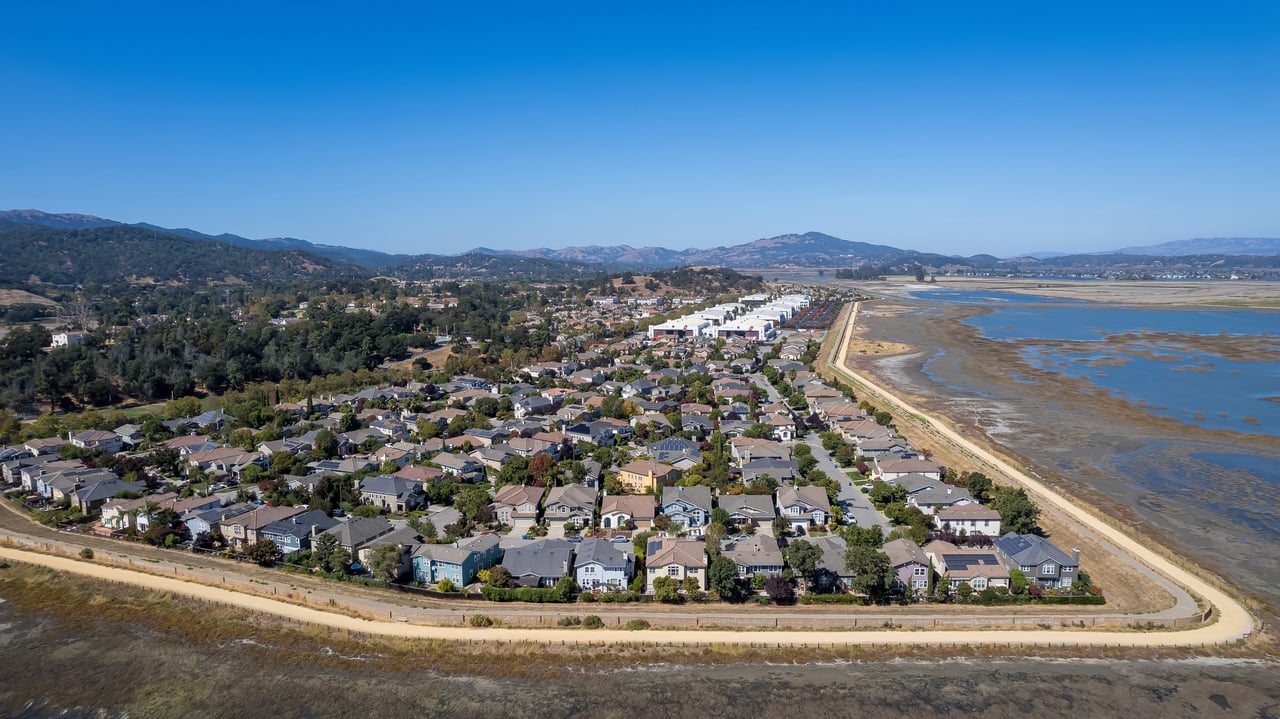
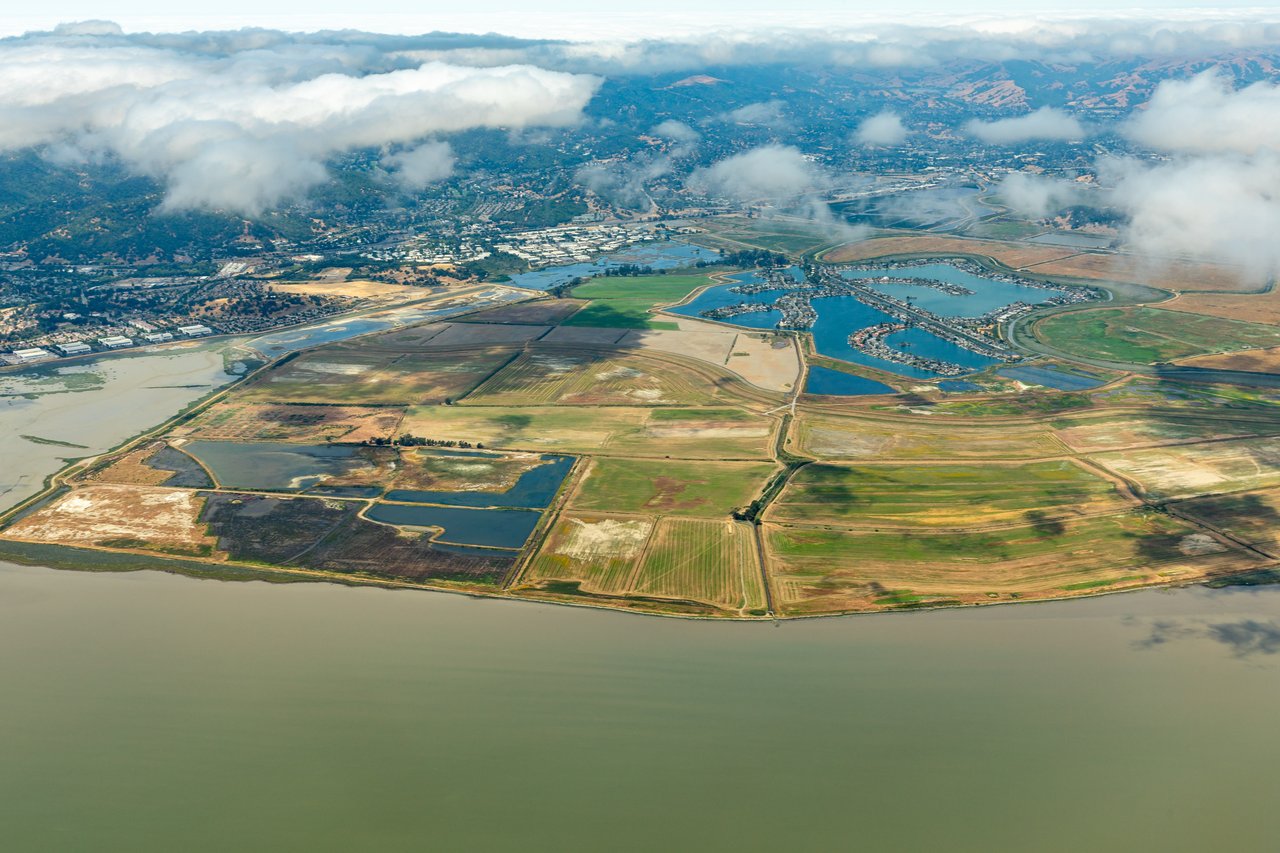
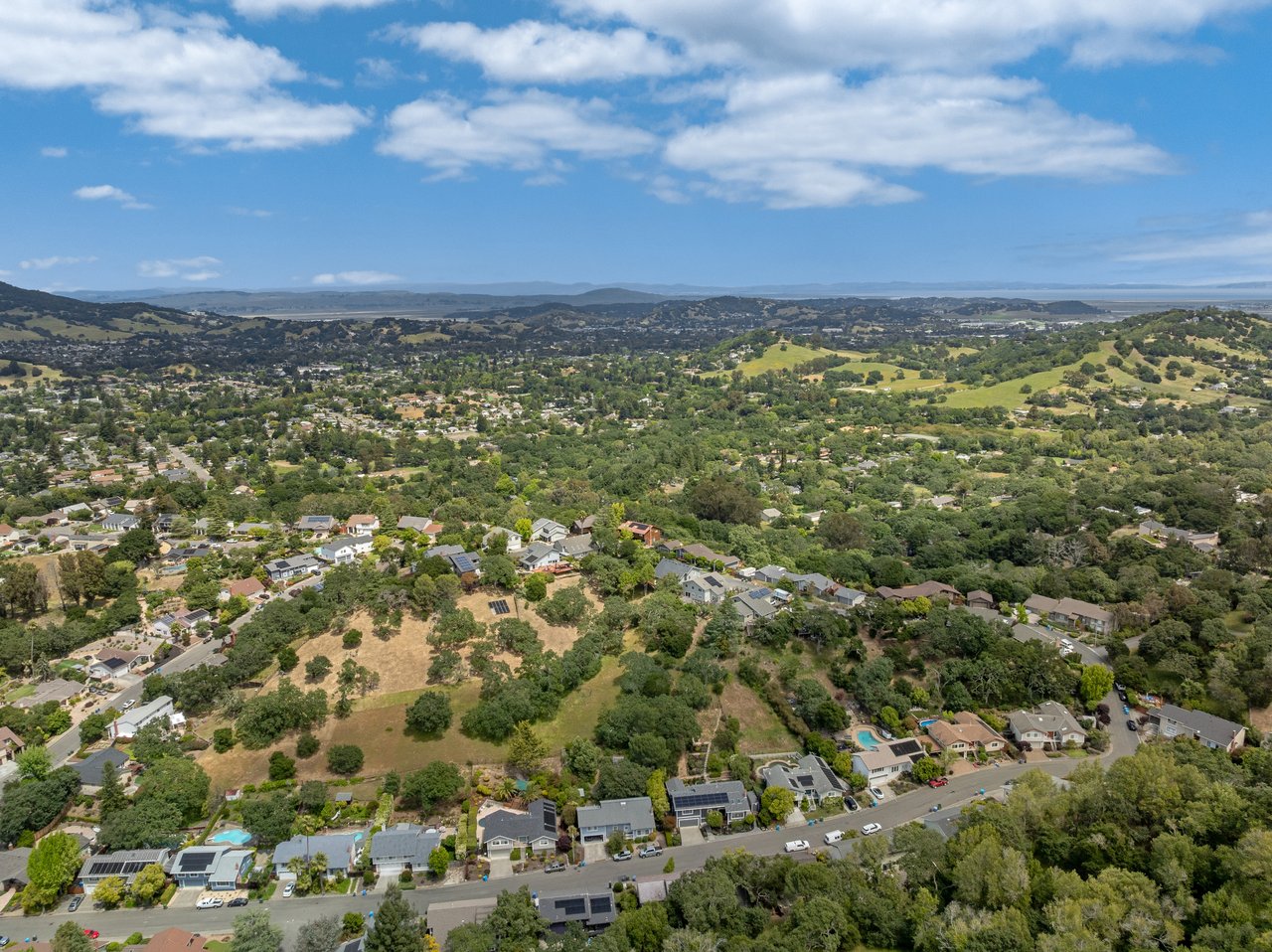
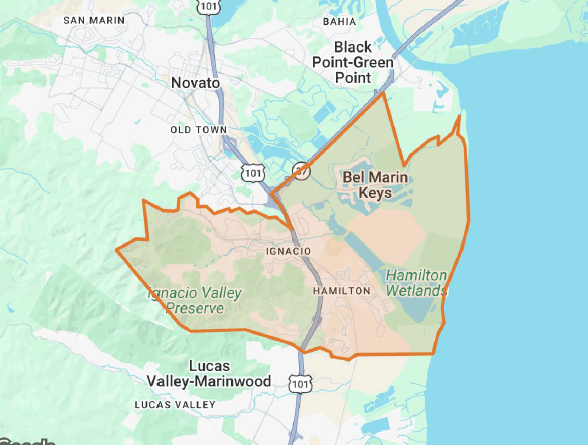
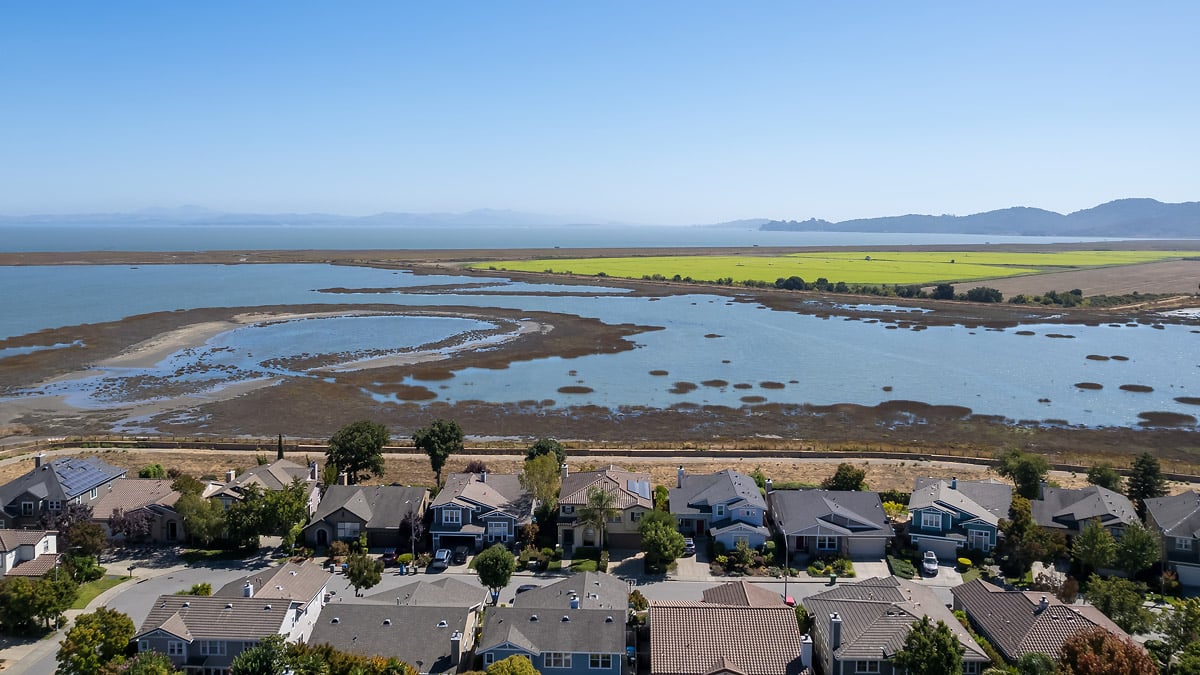
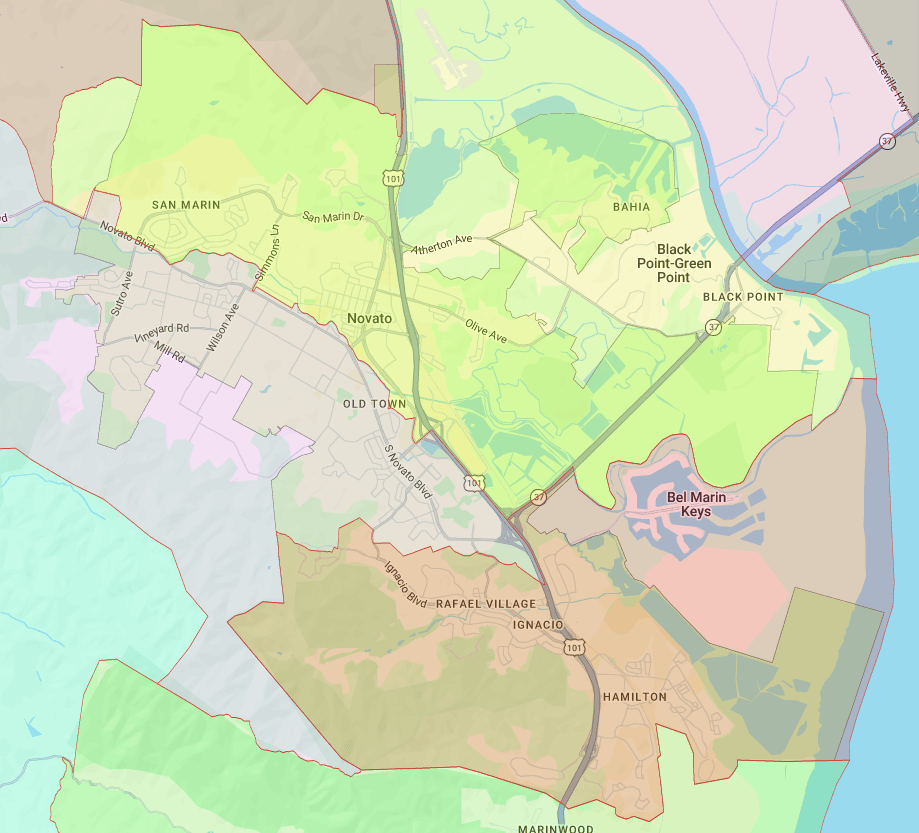
Bel Marin Keys is a planned waterfront neighborhood in Novato where many homes sit on private canals with direct water access. From these canals, you can reach the larger tidal waters of San Pablo Bay and, beyond that, San Francisco Bay. The canals are set next to tidal marshes and wetlands, which shape views, bring abundant birdlife, and inform how the shoreline is managed.
Because the area is tidally influenced, water depth and clearances change with the tide. That rhythm is part of daily life here. You will enjoy quiet mornings for paddleboarding and golden-hour cruises, but you also plan around low tides and neighborhood wake limits to protect docks and seawalls.
How the waterways work
Lagoon Lifestyle
Living on one of the Bel Marin Keys lagoons means your backyard becomes your daily escape. Residents step straight from their decks onto the water—whether that’s a quick paddle at sunrise, an evening cruise in a small boat, or simply watching the light shift across the lagoon. It’s quiet, relaxed, and deeply community-oriented. The pace slows down here: neighbors wave from their docks, birds move through the wetlands, and weekends revolve around the water. Homes back to wide, calm canals that feel like a private sanctuary, yet you’re minutes from 101, shopping, and trails. It’s a rare blend of waterfront living, Marin convenience, and an everyday vacation vibe.
Tides shape your schedule if you want to head out to the Bay
The canals that connect to the Bay experience tidal swings. Depth at your dock and in the channels varies hour by hour. At low tide, mudflats, shoals, or oyster beds can be exposed. For any off-dock trip, you plan using tide tables and give yourself extra time for safe navigation. If you keep a boat at your dock, you will confirm water depth at mean low tide so you know your clearance.
Canal layout and limits
Residential canals are narrower and shallower than open-bay channels. That means limited maneuvering room and careful wake control. Neighborhoods often have low-wake or no-wake expectations to protect private docks and shoreline structures. You move slowly near homes, respect posted signage, and keep an eye on channel edges and finger piers.
Wildlife and views
The canals border marshes and wetlands, so you will see seasonal vegetation and a variety of birds and other wildlife. After heavy rains or high tides, marsh areas can flood. Many residents enjoy this natural setting as part of the daily rhythm of the community.
Everyday waterfront living
On-water routines
Typical days include early paddleboard sessions, quick kayak laps, or a short cruise to the Bay. With the right timing, you can run to Marin waterfront towns or regional marinas for lunch or a day on the water. Calm canals make non-motorized recreation easy, especially for guests or kids learning to paddle.
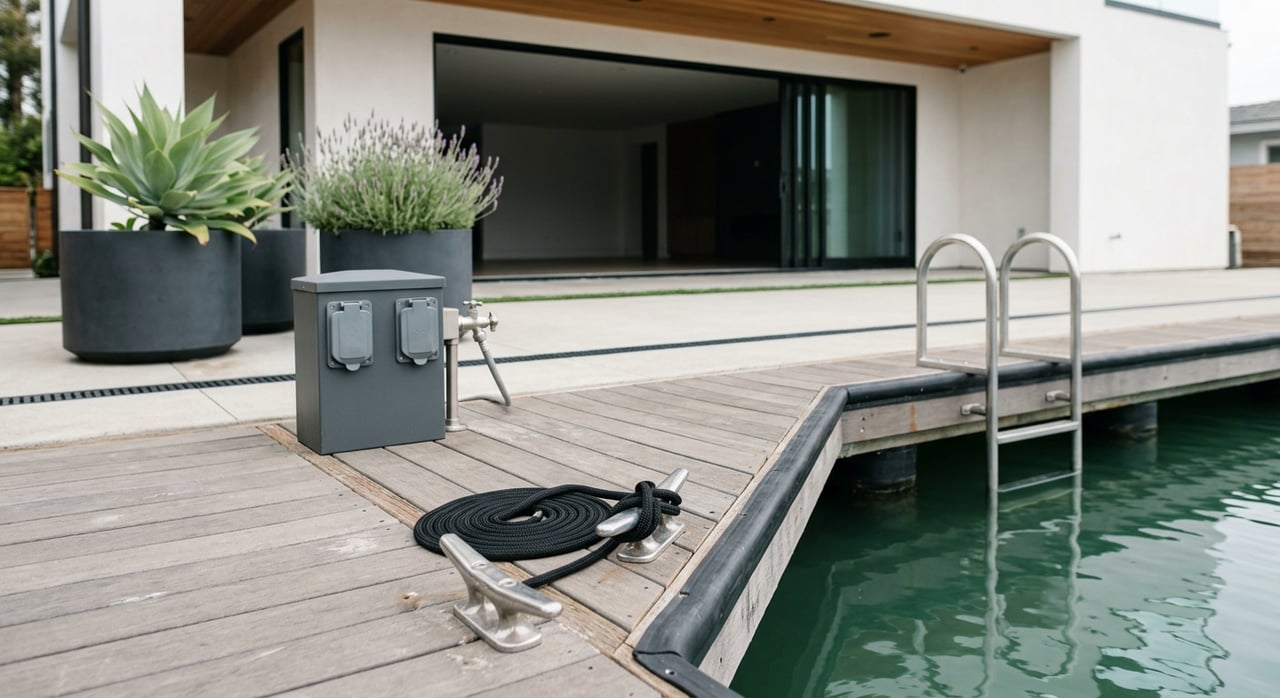
Dock care checklist
Owning a dock adds a few regular tasks to your routine. You will:
- Inspect cleats, ladders, and lines.
- Check rub rails and fenders for wear.
- Clean algae and marine growth from ladders and steps.
- Walk the dock after high tides or storms for loose hardware or debris.
- Note any changes in sediment or water depth near your slip.
Safety after dark
Some canals have limited lighting. If you plan to return after sunset, be conservative with speed, watch for private structures along the edges, and use proper navigation lights. Keep a headlamp and spare flashlight in your boat, and make sure guests understand nighttime etiquette near homes.
Boats that fit Bel Marin Keys
Popular choices
Many residents choose boats that match the canals’ size and depth:
- Small powerboats like runabouts, bowriders, and center consoles for day cruising and Bay fishing.
- Cuddy cabins and small cabin cruisers for occasional overnights, sized for dock length and turning room.
- Small sailboats and daysailers for sheltered-bay sailing; large keelboats may be limited by depth and canal width.
- Kayaks, stand-up paddleboards, inflatable dinghies, and pedal craft, which are ideal for the protected canals.
Size and draft tips
Not every dock fits every boat. Before you assume your boat will work, verify:
- Dock dimensions: length, width, and pile spacing.
- Water depth at mean low tide at the dock and in the approach channel.
- Turning basin and fairway clearance near the property. It is wise to bring a marine surveyor or experienced boater to confirm these details during serious showings. Your agent can coordinate measurements and help you interpret records.
Moor or trailer
Many homes offer private docks for in-place moorage. If your boat is larger, deeper draft, or you prefer dry storage, trailering is common. Confirm neighborhood and municipal rules for trailer parking, and identify nearby public launch ramps and storage options that fit your routine.
Community, events, and services
HOA and neighborhood norms
Waterfront neighborhoods typically have an HOA or community services organization. These bodies may manage levee maintenance, dock standards, and communications. Rules can address boat length limits, wake expectations, quiet hours, guest moorage, and construction standards for docks or seawalls. Ask the seller for current HOA documents, bylaws, and any recent meeting minutes.
Events you can expect
Expect a mix of informal neighborhood gatherings, occasional holiday or Fourth of July boat or float parades, and water-safety or canal-cleanup activities. Because you have direct Bay access, you can also enjoy regional events like yacht club regattas and seasonal Bay festivals.
Nearby boating services
Marin County and Novato offer marine services for parts, maintenance, winterization, and haul-out. If you trailer your boat, identify the closest launch ramps that fit your craft. It also helps to know which tow or assistance services operate in the area and how they access the canals.
Ownership costs to plan for
Upfront documents to request
Before you tour, ask the seller and HOA for:
- Dock rights and documentation: recorded easements, deeded dimensions, and maintenance responsibilities.
- HOA rules and minutes: boat size limits, moorage rules, guest use, and any upcoming projects like dredging or seawall work.
- Permit records for shoreline structures: docks, seawalls, riprap, or past repairs, including which agencies approved them.
Recurring costs
Waterfront ownership includes costs that vary by property and association:
- HOA dues that may cover canal and levee upkeep and administration.
- Dock and seawall maintenance based on materials, age, and condition.
- Dredging and sediment management, sometimes funded by special assessments or cost sharing.
- Insurance for the home, plus flood insurance if your lender requires it or if you choose to add coverage. Boat insurance is a separate policy.
- Boat ownership costs, including registration, fuel, maintenance, haul-out and storage if needed, slip upkeep, and insurance.
- Utilities and drainage considerations for properties near marshes, including sewer connections and any local systems.
Long-term risks
Sea-level rise and stronger storm events are long-term factors for Bay-adjacent properties. These trends can influence future permitting, shoreline work frequency, and insurance costs. Habitat protections can also limit shoreline modifications and may require mitigation for repairs or upgrades.
Permit and regulation basics
Who regulates what
Waterfront and shoreline work can involve multiple agencies. Depending on the scope, you may interact with the City of Novato or Marin County for planning and building, the San Francisco Bay Conservation and Development Commission for Bay-related shoreline projects, the California Department of Fish and Wildlife for habitat considerations, and the U.S. Army Corps of Engineers for work that affects navigable waters.
Floodplain considerations
Many Bay-adjacent properties sit in flood-prone zones. Local planning rules and state or regional policies may shape what you can rebuild, what elevation is required, and what shoreline work is allowed. It is smart to review FEMA flood maps for the specific address and talk to an insurance professional early in your search.
Planning modifications
If you plan dock, seawall, or shoreline improvements, verify permit requirements before you start. Ask for copies of prior permits and approvals, and confirm which agency has jurisdiction. Building a plan that aligns with regulations will save time and reduce risk in escrow.
How to evaluate a Bel Marin Keys listing
Pre-tour questions
Start with a concise set of questions to the seller and HOA:
- Will your boat fit the dock at mean low tide? What are the exact dock dimensions and depth readings?
- Who is responsible for dock and seawall repairs: owner, HOA, or a community services district?
- Are there rules for boat size, wake, speed, noise hours, or overnight guest moorage?
- Are there planned dredging projects or special assessments on the horizon?
- How close are public launch ramps, service marinas, and tow assistance routes?
On-site checklist
When you tour, bring a tape measure, camera, and notepad:
- Measure dock length and beam clearance, and note pile locations.
- Inspect decking, fasteners, cleats, ladders, and lighting.
- Look for signs of sediment buildup or shoaling near the slip.
- Check for high-water marks and note any tide lines on the seawall.
- Identify navigation markers and turning room near the property.
- Confirm utility connections and any drainage systems that affect the lot.
Due diligence partners
For serious interest, line up the right experts:
- HOA or community services contacts for rules, minutes, and project updates.
- A licensed marine surveyor to assess dock structure, water depth, and approach channels.
- Coastal or shoreline contractors for estimates on dock or seawall repair or replacement.
Why work with Imagine Marin
If you are comparing waterfront homes in Novato, you benefit from a team that lives and works in these micro-markets every day. Imagine Marin combines hyper-local knowledge of Bel Marin Keys with a process-driven approach to due diligence, pricing, and negotiation. You get clear guidance on HOA documents, dock rights, dredging history, and permitting pathways, plus a strategy that protects your interests in a specialized property type.
For sellers, the Compass platform helps deliver polished staging and premium exposure. For buyers, you get responsive education on inventory, including off-market opportunities when available, and hands-on coordination with surveyors and contractors when you need it. The goal is simple: help you move forward with confidence.
Ready to tour Bel Marin Keys or talk through a plan tailored to your goals? Reach out to the Imagine Marin Team to Book an Appointment.
FAQs
What is Bel Marin Keys in Novato?
- Bel Marin Keys is a planned waterfront neighborhood where many homes sit on private canals with direct access to San Pablo Bay and, beyond that, San Francisco Bay.
Can I access San Pablo Bay from my dock in Bel Marin Keys?
- Yes, select canals connect to the Bay; access is tidal, so you plan departures and returns around water depth and clearance at your dock.
What size boat works best in Bel Marin Keys canals to the Bay?
- Small to medium recreational craft generally fit best; always verify dock dimensions, depth at mean low tide, and turning room before you buy.
Do Bel Marin Keys homes require flood insurance?
- Many Bay-adjacent properties are in flood-prone zones; your lender and flood zone status drive requirements, and many owners choose to carry flood insurance.
Who maintains docks and seawalls in Bel Marin Keys?
- Responsibility varies; confirm whether the owner, HOA, or a community services district handles repairs and how costs are shared. But, if you have your own dock, you are responsible for it.
Are there HOA rules about wake and noise in Bel Marin Keys?
- Most canal neighborhoods, including Bel Marin Keys, set expectations for low wakes, speed, and quiet hours to protect docks and preserve quality of life; review the current HOA rules before you buy.