If you've ever walked away from a great Marin home because of outdated kitchen cabinets, only to watch it sell for $50K over ask the next week—this article is for you.
After facilitating 500+ transactions across Marin County, I've seen the same pattern repeat: smart, qualified buyers lose excellent homes because they can't separate what actually matters from what doesn't. They fixate on $300 worth of light fixtures while missing foundation issues. They panic over staging pressure while ignoring deal-structure red flags.
The solution? Borrow a decision-making tool from President Dwight D. Eisenhower.
What is the Eisenhower Matrix?
The Eisenhower Matrix (also called the Urgent-Important Matrix) is a prioritization framework that separates tasks into four categories based on two factors:
- Is it important? (Does it impact your goals, safety, or long-term outcome?)
- Is it urgent? (Does it require immediate action or decision?)
This creates four quadrants:
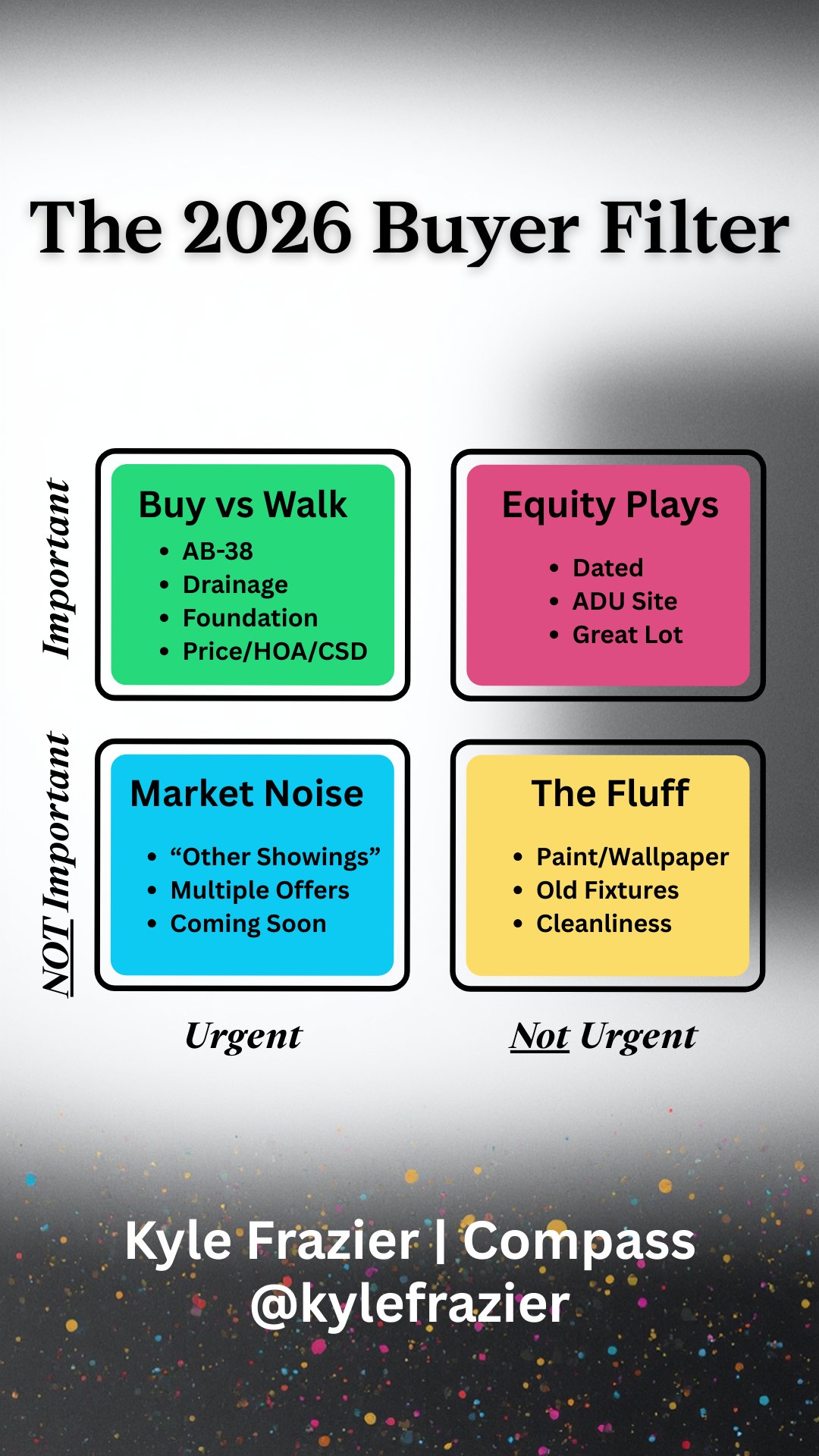
Eisenhower famously said, "What is important is seldom urgent, and what is urgent is seldom important."
For Marin home buyers in 2025, this might be the most valuable sentence you'll read this year.
Why This Framework is Perfect for Marin Home Buyers
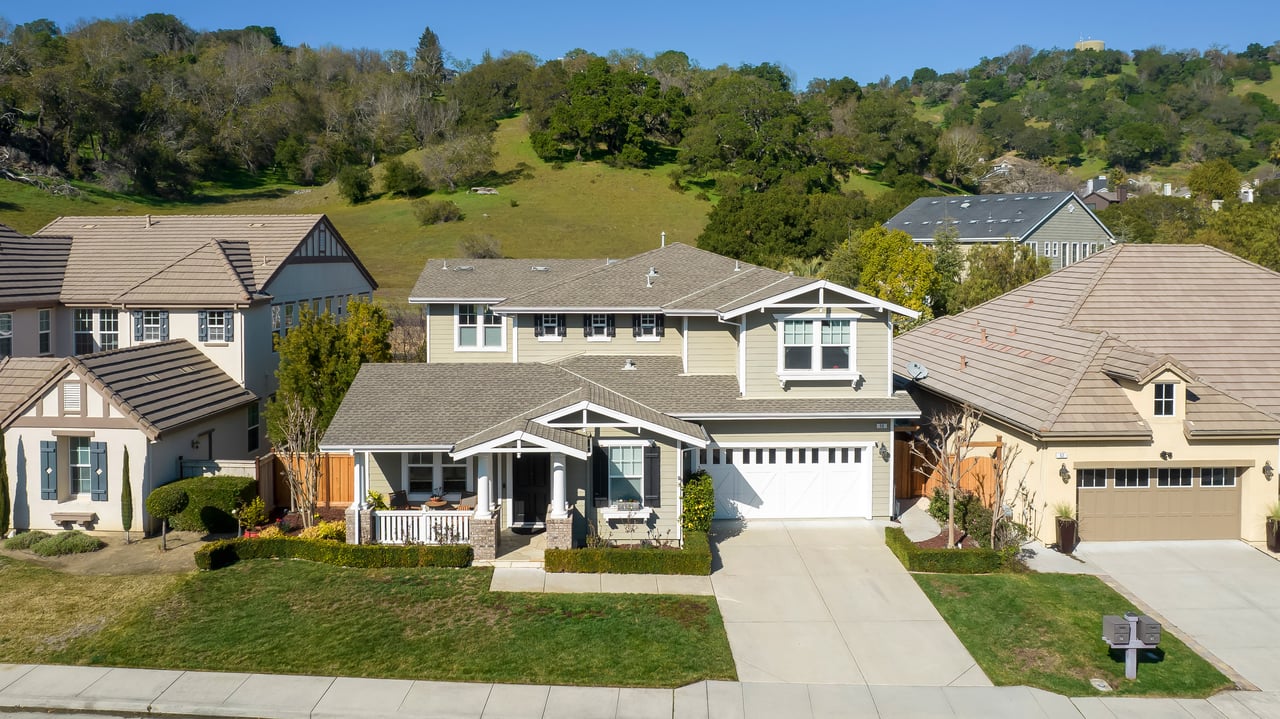
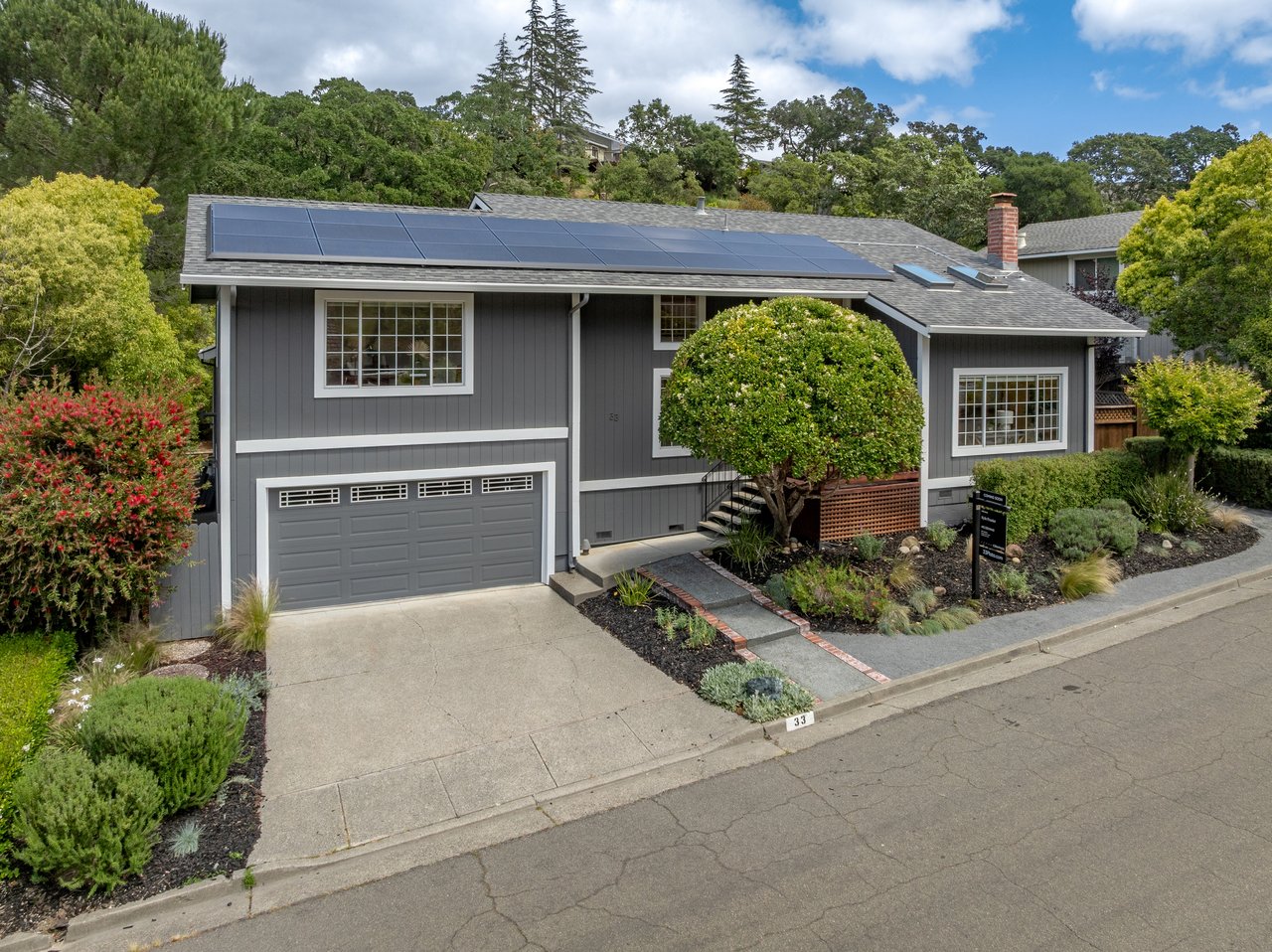
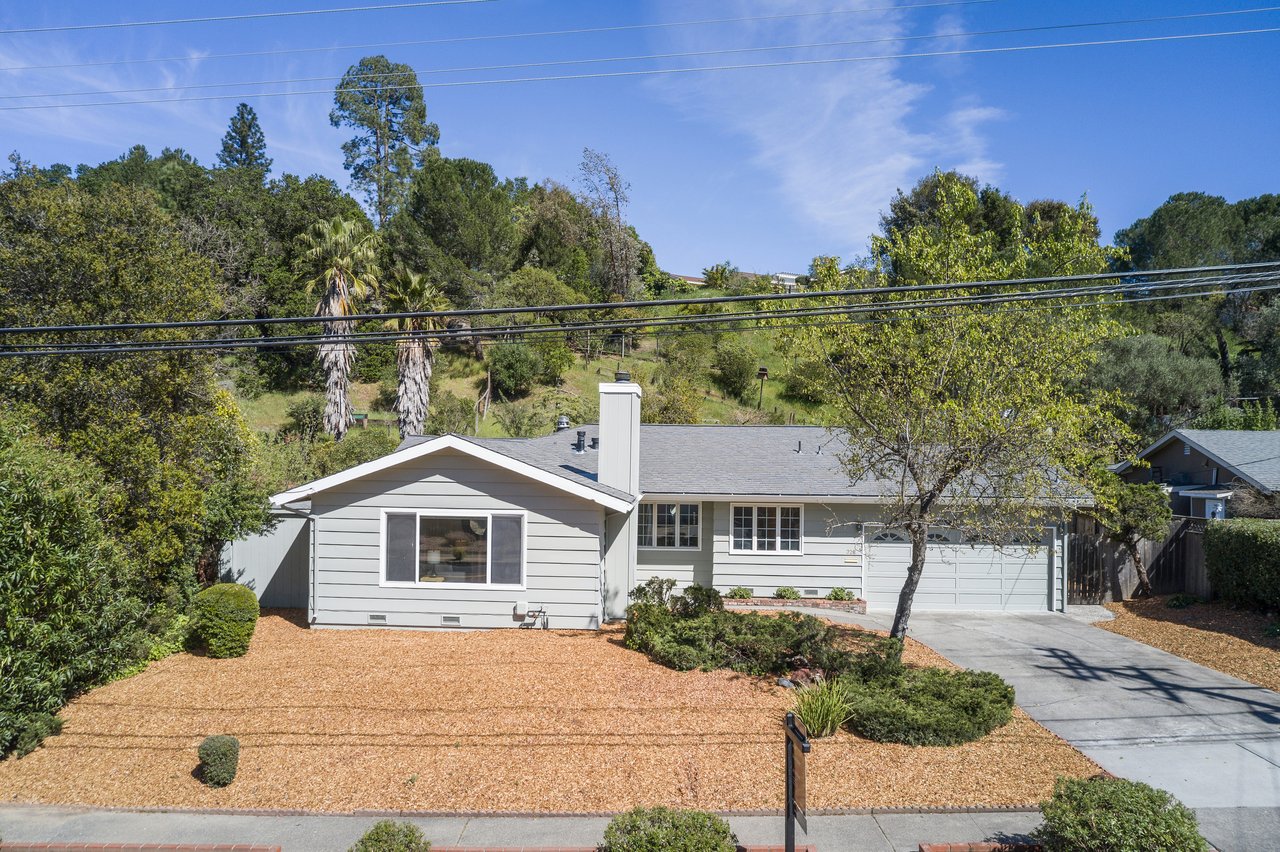
Buying a home in Marin—whether it's a Craftsman in Mill Valley, a mid-century in San Rafael, or a rancher in Novato—involves hundreds of micro-decisions compressed into days or even hours.
The market doesn't give you time to deliberate. Homes move fast. Multiple offers are common. And every property has something wrong with it.
The problem? Your brain treats all flaws equally.
-Cabinet hardware from 1987? Feels urgent.
-Foundation settling? Doesn't trigger the same visceral reaction.
-Seller's arbitrary deadline? Creates artificial pressure.
-School district boundaries? Genuinely important but easy to overlook in the heat of the moment.
The Eisenhower Matrix cuts through this noise by forcing you to categorize every concern into one of four buckets—and then act (or don't act) accordingly.
Let's break down what each quadrant means for Marin buyers.
Quadrant 1: Important + Urgent = "Buy or Walk"
What it means: These are non-negotiables and true dealbreakers that require immediate attention or decision.
Examples for Marin buyers:
Location & Commute
- Proximity to Highway 101 for your daily San Francisco commute
- School district boundaries (if you have or plan to have children)
- Flood zone designation (check FEMA maps - parts of Mill Valley, downtown San Rafael and Corte Madera have flood risk)
- Wildfire hazard zones and defensible space requirements
Financial Fundamentals
- Monthly payment comfort (PITI + HOA + maintenance realistic for your budget?)
- Property tax implications (Marin has some of the highest rates in California)
- Insurability (can you actually get homeowners insurance at a reasonable rate?)
- Special assessments or pending HOA litigation
Major Condition Issues
- Foundation cracks, settling, or movement
- Active water intrusion
- Roof replacement needed immediately (not just "aging")
- Unpermitted additions or major code violations
- Septic system failures (common in West Marin)
Structural & Safety
- Hazardous materials (asbestos, lead paint beyond cosmetic levels)
- Electrical panel capacity or knob-and-tube wiring
- HVAC systems that are non-functional (not just "old")
What to do: These items should inform your offer strategy, contingency periods, and walk-away thresholds. If a home fails in this quadrant, you either negotiate hard, build repair costs into your offer, or walk. Do not compromise on these to "win" a bidding war.
Red flag example: A charming Fairfax bungalow with original hardwood floors and mountain views—but it's in a Very High Fire Hazard Severity Zone, and three insurers have already declined coverage. This is Important + Urgent. Walk or solve it before you close.
Quadrant 2: Important + Not Urgent = "Plan It"
What it means: These are significant value items that impact livability and resale—but you can schedule and control them. They don't need to kill the deal today.
Examples for Marin buyers:
Dated But Functional Systems
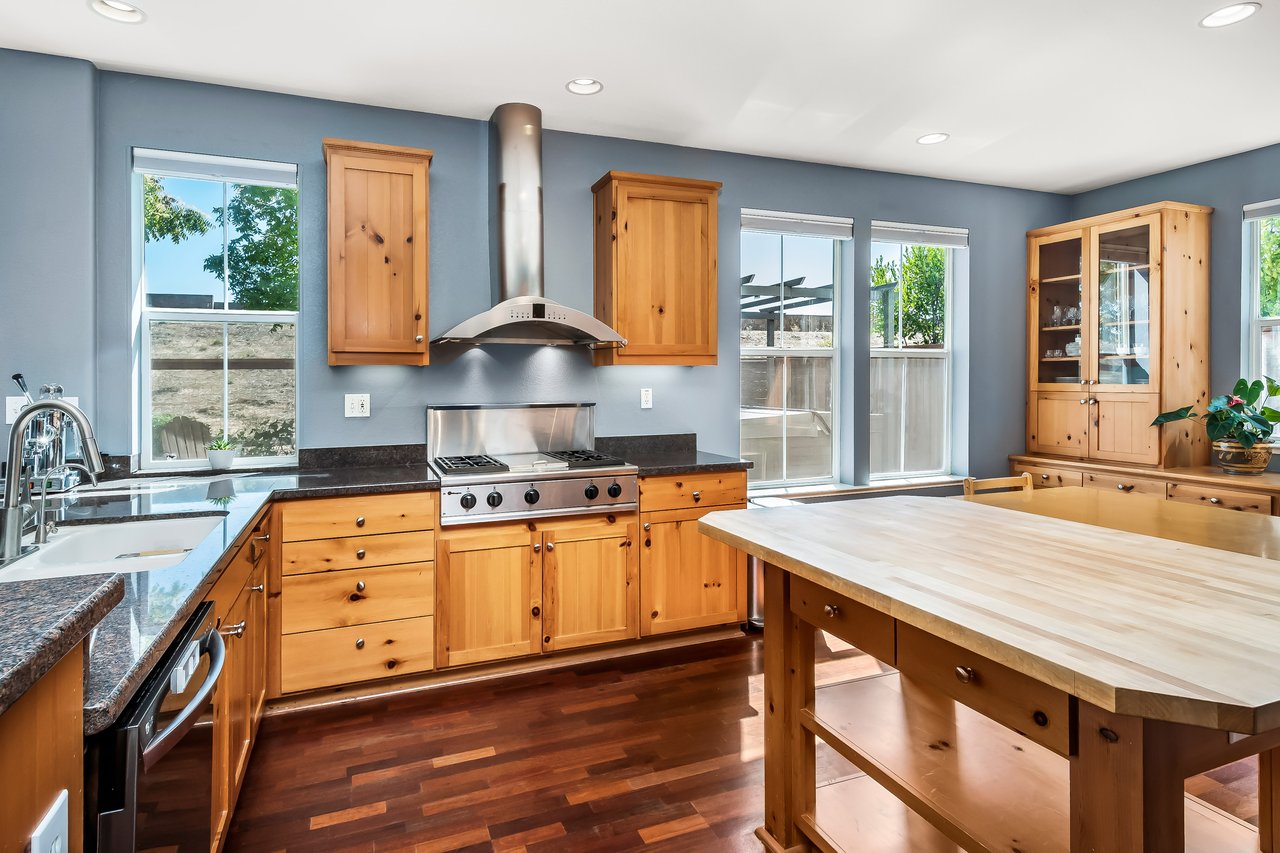
- Kitchen from the 1990s with laminate counters and old appliances (works fine, just ugly)
- Bathrooms with pink tile or brass fixtures
- Original 1970s windows (single-pane, energy-inefficient, but intact)
- Aging but operational HVAC or water heater
Cosmetic Updates
- Popcorn ceilings
- Carpet throughout (assuming no subfloor damage)
- Exterior paint that's faded but protective
- Landscaping that's overgrown or low-maintenance drought-tolerant conversion needed
Deferred Maintenance (Minor)
- Fence repair
- Deck refinishing
- Gutter cleaning and minor roof maintenance
- Driveway resurfacing
Layout & Flow
- Closed-off kitchen that could be opened up
- Master suite that lacks an ensuite bath (common in older Marin homes)
- Lack of storage or closet space
What to do: Budget for these. Get estimates during your inspection period so you know what you're signing up for. But don't let them scare you away from a home in a great location with solid bones.
Pro tip: In Marin's 2024-2025 market, homes with dated kitchens and baths often sell for 5-10% less than comparable renovated properties. If you're handy or willing to live with it for a few years, this is where you find value. Not sure whether to update or not update? Read our breakdown here.
Real example: A Lucas Valley home listed at $1.4M with a kitchen straight out of 1985. Buyers passed because "we'd have to renovate immediately." The home sold for $1.35M to a buyer who got estimates ($45K for a mid-range remodel), factored it in, and still came out ahead compared to the renovated comp down the street at $1.5M.
Quadrant 3: Not Important + Urgent = "Noise"
What it means: These are pressures and distractions that hijack your decision-making but don't actually affect the home's value or your long-term happiness.
Examples for Marin buyers:
FOMO & Market Pressure
- "Another showing scheduled tonight" (so what? If it's the right home, make your best offer)
- "Seller is reviewing offers Monday" (artificial urgency - don't let it override due diligence)
- "Three other buyers are interested" (maybe, maybe not - focus on your own analysis)
- Agent pressure: "You need to decide NOW" (you don't, unless there's a true deadline)
Staging & Presentation Gloss
- Professional staging making you fall in love with furniture that won't convey
- Freshly baked cookies and flowers creating emotional attachment
- Lighting and mirrors making rooms feel larger than they are
- The seller's designer handbag on the counter (you're not buying their lifestyle)
Other People's Opinions
- Your friend who "would never buy a house without a view"
- Your parents who think all homes should have formal dining rooms
- Online commenters saying "Marin is overpriced" (they're not buying your house)
- Random open house attendees gossiping about asking price
Seller's Personal Timeline
- "We need to close by [arbitrary date]" (not your problem—negotiate what works for you) But note: being accommodative can work to your benefit in multiple offer situations
- Seller's urgency to move out of state (this might actually work in your favor)
- "We're accepting backup offers" (a tactic to create competition)
What to do: Acknowledge these pressures exist, then systematically ignore them when prudent. Run your own numbers. Make decisions based on Quadrants 1 and 2, not on whether someone else might want the house.
Coaching moment: As the listing agent, I've watched buyers offer $100K over ask because they were told "it's going to get multiple offers" - and it was the only offer. I've also seen buyers walk from great homes because their wealthy uncle said "never buy a house on a busy street," even though the street in question was a quiet Larkspur lane with maybe 20 cars/day.
Noise is expensive. Learn to filter it.
Quadrant 4: Not Important + Not Urgent = "Ignore"
What it means: Trivial cosmetic details that should never kill a good home. These are $50-$500 fixes that buyers irrationally fixate on.
Examples for Marin buyers:
Superficial Cosmetics
- Light fixtures you don't like (swap them for $100 at any Marin Ace Hardware)
- Cabinet hardware (pulls and knobs can be $3 each)
- Paint colors (a gallon of Benjamin Moore is ~$75)
- Bathroom mirrors
- Doorknobs and switch plates (DIY these or hire a handyman)
Minor Staging Decisions
- The way the seller decorated
- Furniture placement
- Wall art and personal photos
- Clutter in closets (focus on the closet size, not what's in it)
Nitpicky Details
- Grout lines that aren't white
- Mailbox style
- House numbers font
- Brand of appliances (if they work, who cares?)
What to do: Literally ignore these. If you find yourself saying "I can't get past the wallpaper in the powder room," you're letting Quadrant 4 override Quadrant 1. Not smart.
True story: A buyer almost passed on a Tiburon home with million-dollar views because of the brass chandelier in the entryway. The chandelier cost $389 to replace. The view was irreplaceable. Don't be that buyer.
How to Apply This on Your Next Home Tour
Here's the practical workflow:
Before the Tour
Print or screenshot the 2x2 matrix. Bring it with you (or keep it on your phone).
During the Tour
As you walk through, mentally drop every observation into a quadrant:
- Big foundation crack? → Quadrant 1 (Important + Urgent)
- Dated kitchen? → Quadrant 2 (Important + Not Urgent)
- Agent says "showing later today"? → Quadrant 3 (Not Important + Urgent = Noise)
- Ugly ceiling fan or wallpaper? → Quadrant 4 (Ignore)
After the Tour
Debrief with your agent:
- Any Quadrant 1 dealbreakers? If yes, walk or negotiate hard.
- What's in Quadrant 2? Get estimates. Budget for it. Decide if you're okay with it.
- What noise (Quadrant 3) almost influenced you? Name it. Dismiss it.
- What Quadrant 4 stuff were you fixating on? Laugh at yourself. Let it go.
Making the Offer
Your offer strategy should be based only on Quadrants 1 and 2. If the home passes Quadrant 1 and you can budget for Quadrant 2, everything else is noise. Need tips on making an offer that stands out?
Common Questions
Q: What if something feels important but I'm not sure?
A: Ask yourself: "Will this affect my daily life, safety, or resale value in 5 years?" If yes → Important. If no → Not Important.
Examples:
- School district? Important (affects resale even if you don't have kids).
- Granite vs. quartz counters? Not Important (both work fine, pure preference).
Q: What if my partner and I disagree on what's important?
A: This is where the matrix shines. Sit down together and categorize everything. If one of you thinks the lack of a main-floor bedroom is Quadrant 1 (dealbreaker) and the other thinks it's Quadrant 4 (ignore), you need to resolve that before you make an offer—not during a bidding war.
Q: Doesn't everything in Marin require compromise given the prices?
A: Yes, which is exactly why this framework matters. You will compromise. The question is: are you compromising on things that matter (Quadrant 1) or things that don't (Quadrant 4)?
The matrix helps you compromise strategically, not emotionally.
Q: What if I'm a first-time buyer and genuinely don't know what's important?
A: Work with an experienced Marin agent who can help you categorize (we like Imagine Marin, of course). A good agent will say, "That's Quadrant 2—you can fix it later" or "That's Quadrant 1—we need to investigate further."
Also: lean on the home inspector. Their job is to identify Quadrant 1 issues you might miss. If you're new to the process, start with key terms every homebuyer should learn.
Real-World Application: A Case Study
Let me show you how this played out for a recent client buying in San Anselmo.
The Property:
3-bed/2-bath Craftsman, 1,850 sq ft, listed at $1.295M. Great Ross Valley schools. Walk to downtown. Original 1925 bones with some updates.
The Initial Reaction:
My clients loved the location and the charm but were overwhelmed by the list of "issues":
- Kitchen was original 1990s remodel (laminate counters, old appliances)
- One bathroom had pink tile
- Popcorn ceilings throughout
- Carpet in bedrooms
- Small backyard with overgrown landscaping
- Only one bathroom had been updated
- Agent mentioned "another showing scheduled tomorrow"
- House had been staged beautifully, making them worry they were falling for marketing
We Applied the Matrix:
Quadrant 1 (Buy or Walk):
- Location/schools: ✅ Excellent
- Foundation: ✅ Solid per inspection
- Roof: ✅ Replaced 2019
- Electrical: ✅ Updated panel, no knob-and-tube
- Budget: ✅ Comfortable at $1.28M
- Verdict: No dealbreakers
Quadrant 2 (Plan It):
- Kitchen remodel: $50-70K (buyers had a contractor fried who gave an informal estimate)
- Bathroom update: $15K
- Popcorn ceiling removal: $3K
- New carpet/refinish floors: $8K
- Landscaping: $5K DIY or $12K pro
- Total: ~$90-110K over 2-3 years
Quadrant 3 (Noise):
- "Another showing tomorrow" ← Irrelevant
- Staging making it feel bigger ← We measured—it was actually pretty spacious
- Concern about "overpaying" based on Zillow ← Ran comps, pricing was fair. Zillow is almost always off by a lot.
Quadrant 4 (Ignore):
- Pink tile (could live with it or replace for $3,500)
- Cabinet hardware
- Light fixtures
- Paint colors
The Decision:
We offered slightly over ask with inspection and appraisal contingencies. There was another offer, but it was lower. My clients won the home.
Two years later:
- They renovated the kitchen ($48K)
- Lived with the pink bathroom (their daughter loves it)
- Removed popcorn ceilings ($2,800)
- DIY'd the landscaping over weekends
- Home is now worth ~$400K more based on recent comps
If they'd walked because of the pink tile or 1990s kitchen, they'd still be renting.
The Marin-Specific Reality Check
Here's what I tell every Marin buyer I work with:
There is no perfect home in your budget.
If you're buying in Marin County in 2026, you're making trade-offs. The question isn't whether to compromise—it's what to compromise on.
The Eisenhower Matrix helps you compromise on things that don't matter (Quadrants 3 and 4) while protecting your non-negotiables (Quadrant 1) and planning for the big-ticket items you can control (Quadrant 2).
Marin-Specific Quadrant 1 Priorities
Based on 20+ years in this market, here's what I see as genuinely Important + Urgent for most Marin buyers:
- Location relative to your life (commute, schools, lifestyle) — explore our neighborhood pages to compare communities
- Wildfire risk and insurance availability (this is a newer concern, but very impactful)
- Flood zone status (especially Mill Valley, Larkspur, Corte Madera, parts of San Rafael) — see our flood insurance and resilience guide for details
- Water tightness (roof and siding keeping water from entering home)
- Budget realism (can you afford this plus maintenance plus Marin property taxes?)
Everything else—and I mean everything—is either Quadrant 2 (fixable), Quadrant 3 (noise), or Quadrant 4 (irrelevant).
Your Action Plan
If you're actively house-hunting in Marin right now, here's what to do:
Step 1: Define Your Quadrant 1 Non-Negotiables
Sit down with your partner/family and list the 3-5 things that are truly dealbreakers. Be honest. Be specific.
Examples:
- "Must be in Kentfield school district"
- "Must have garage parking for 2 cars"
- "Cannot be in a FEMA flood zone"
- "Must be insurable for under $X/year"
- "Foundation must be solid or retrofitted"
Step 2: Budget for Quadrant 2
Get realistic about what you're willing to renovate and when.
Create a spreadsheet:
- Year 1: Paint, flooring, minor cosmetics (budget $10-15K)
- Year 2-3: Kitchen or bathroom remodel (budget $60K)
- Year 4-5: Larger systems or additions (budget $50-100K)
This prevents you from eliminating homes that just need a little vision.
Step 3: Name Your Noise
What Quadrant 3 pressures are you most susceptible to?
- FOMO from multiple offers?
- Pressure from family opinions?
- Agent urgency tactics?
- Falling for staging?
Awareness is half the battle. Tell your agent: "If I start talking about making decisions based on noise, call me out."
Step 4: Practice Quadrant 4 Dismissal
Make a list right now of cosmetic things you don't care about. Get specific:
- "I don't care about paint colors—I'll repaint anyway"
- "I don't care about light fixtures—they're $100 to replace"
- "I don't care about cabinet hardware"
- "I don't care if the seller has ugly furniture"
Refer to this list when you catch yourself fixating.
Step 5: Tour with the Matrix
Literally bring it with you. Take notes in each quadrant. Review after every showing.
Why This Works (The Psychology)
The Eisenhower Matrix works for home buying because it exploits two cognitive principles:
1. It Externalizes Decision-Making
Instead of letting your emotions run wild ("I hate that kitchen!" or "The agent says we need to decide NOW!"), you're forcing yourself to categorize. This creates distance between stimulus (ugly tile) and response (walking away).
2. It Separates Emotion from Analysis
Quadrant 4 issues feel urgent because they're visible. Foundation issues don't trigger the same reaction because they're hidden. The matrix corrects for this bias by making you ask: "Important or not? Urgent or not?" Those are analytical questions, not emotional ones.
Final Thoughts
I've been selling real estate in Marin County since 2003. I've seen boom markets and corrections. I've watched interest rates swing from 3% to 8% and back. I've seen wildfires change everything about how we think about homeownership in Northern California.
But the one constant? Buyers make worse decisions under pressure—and the Marin market almost always applies pressure.
The Eisenhower Matrix won't make the market less competitive. It won't lower prices or increase inventory. But it will help you make faster, smarter, more confident decisions when you find a home that checks the boxes that actually matter.
Stop losing great houses to cosmetic panic.
Stop letting urgency override importance.
Stop confusing noise with signal.
Use the framework. Get the house.
Ready to Buy in Marin?
If you're actively searching in Marin County and want help applying this framework to your home search, let's talk. Start by browsing homes for sale in Marin or get a home valuation if you're thinking about selling first.
📧 Email: kyle@@imaginemarin.com
📱 Phone: (415) 350-9440
📍 Office: Imagine Marin brokered by Compass
We work with buyers in Sausalito, Mill Valley, Tiburon, Corte Madera, Larkspur, Kentfield, Greenbrae, San Rafael, Novato, San Anselmo, and throughout Marin County.
Additional Resources
Want to go deeper?
- 📹 Watch the YouTube Short series: https://youtube.com/shorts/Eg1AZhUA-3M
- 📊 Market data: Current Marin inventory, sale prices, and days on market -> see our neighborhood pages
About the Author
Kyle Frazier is a Realtor® specializing in Marin County residential real estate. With 500+ transactions and 20+ years of local market expertise, he helps buyers navigate Marin's competitive market with clarity, strategy, and confidence. They live in Novato with his wife and 2 dogs (both daughters off to college). In his spare time Kyle spends time at Marin Country Club (golf member) and helping out with Novato Rotary.
Disclaimer: This article is for educational purposes and does not constitute financial, legal, or investment advice. Always consult with licensed professionals (real estate agents, attorneys, inspectors, financial advisors) before making real estate decisions.