Understanding HOA and CFD Costs in Hamilton Field
Are HOA dues and "Mello‑Roos" taxes in Hamilton Field confusing your budget? You are not alone. Between a master HOA, possible sub‑associations, and the Hamilton Community Facilities District special tax, it is easy to miss a few hundred dollars a month. In this guide, you will learn what each fee covers, why the Hamilton CFD changed around 2025, and how to verify the exact numbers for any home in 94949. Let's dive in.
HOA vs. CFD in Hamilton: Quick Primer
HOA dues are set by homeowners associations to maintain shared amenities and enforce community standards. In Hamilton Field, most single‑family homes pay a small master HOA, while many townhomes and condos also belong to a sub‑association that covers building items.
A CFD special tax, often called Mello‑Roos, is a separate line on your property tax bill. In Hamilton, the district's levy funds public infrastructure and the long‑term operation of the levee and pump stations. It is not the same as your ad valorem property taxes. The City of Novato explains the program and annual reports on its Community Facility Districts page and in its Hamilton CFD FAQ.
How Hamilton's CFD Works
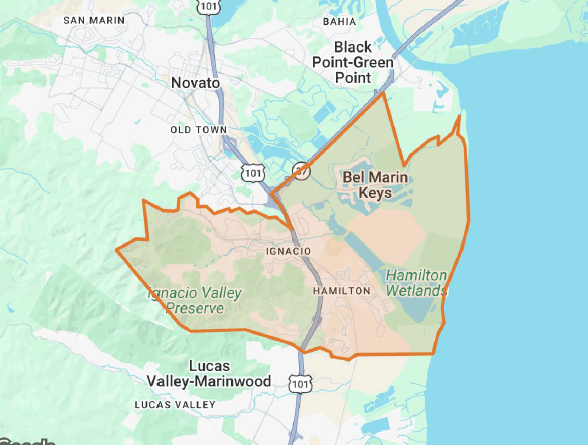
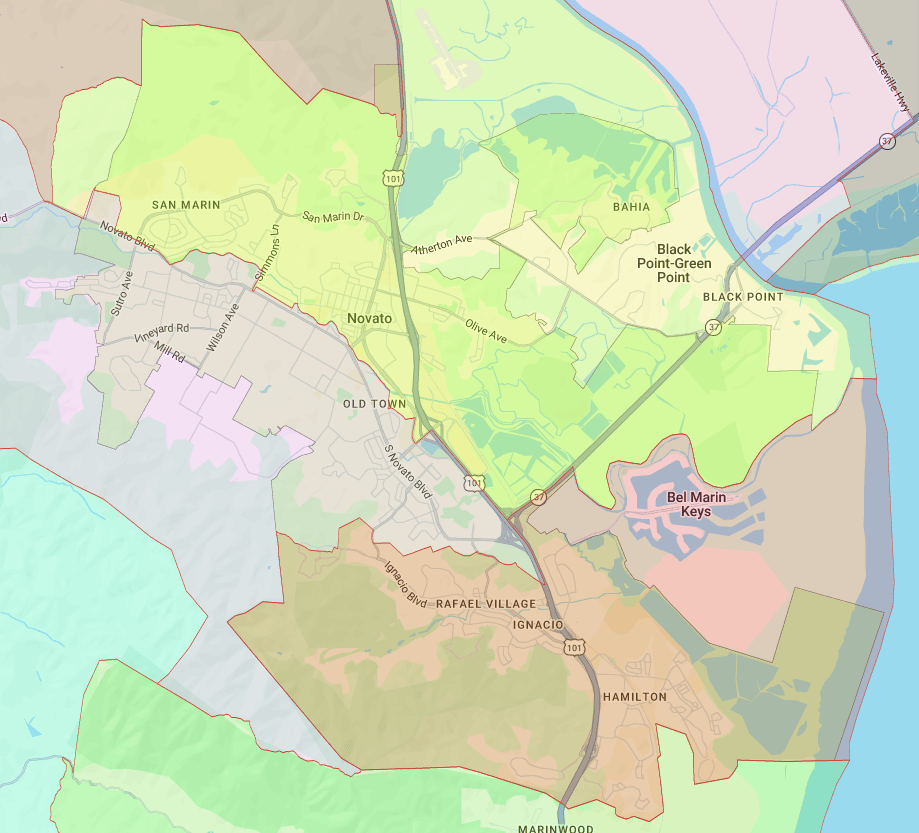
Hamilton is Novato CFD No. 1994‑1. It was formed in 1995 to build and maintain key infrastructure, including the levee, roads, drainage, sewer and water systems, and parks inside Hamilton Field. The CFD levy has historically had two main parts:
Facilities component. This repaid bonds used to construct improvements, plus covers ongoing administrative costs and pay‑as‑you‑go expenditures. The bond debt service portion of this component was scheduled to pay off in 2025 — and the City's FY 2025–26 annual tax report confirms that bond debt service is now $0. However, the facilities component itself does not fully disappear: administrative and other facilities costs continue to be levied, though at a substantially reduced level.
Services component. This funds ongoing operations and maintenance, including levee and pump‑station work. This continues every year in perpetuity.
Because the bond debt service was by far the largest share of the bill, its retirement materially lowers the total levy for most parcels starting in FY 2025–26. Be precise about the fiscal year you are viewing. FY 2024–25 still included the full bond debt service for most parcels, while FY 2025–26 reflects a much lower facilities levy plus the services levy.
According to the City's FY 2025–26 Annual Tax Report, single‑family homes in Phase 1 of Hamilton now pay approximately $1,270 per year in total CFD taxes ($313 facilities + $957 services per unit). Phase 2 single‑family homes, which do not contribute to levee and pump‑station maintenance, pay a lower services rate — roughly $780–$1,270 per year depending on their parcel group. For context and historical perspective on what Hamilton homeowners paid before the bond payoff, see the City's CFD page and the local Hamilton and Pointe Marin Mello‑Roos guide.
Important: The FY 2024–25 levy range for single‑family homes was roughly $1,600 to $2,800 per year, varying by parcel category and home characteristics (per data cited in local real estate analysis as of mid‑2024). Always confirm your specific parcel's levy on its current tax bill — do not rely on estimates.
What You Will See on Your Tax Bill
Your Marin County secured tax bill will show the CFD as a separate line item, typically labeled with "Novato CFD No. 1994‑1" or similar wording. You can retrieve your current bill on the Marin County Tax Bill Online portal. The City's annual reports include per‑parcel appendices that explain how the levy is allocated by parcel category each year.
Notable Exceptions Inside Hamilton
Two areas in Hamilton are treated differently for the facilities portion:
Hideaway on San Pablo Court. The 19 homes on San Pablo Court are not in the CFD because the developer contributed funds upfront to help finance the levee and other Hamilton improvements. Ongoing maintenance is covered by a Landscape & Lighting District at a level equal to the CFD maintenance charge.
Hamilton Villas (senior affordable housing). These units are tax‑exempt from both the facilities and services components under the CFD formula.
You can find these exceptions described in the City's Hamilton CFD FAQ. Always confirm a specific parcel's levy on its current tax bill.
HOA Layers and Typical Dues in Hamilton
Hamilton Field uses a master community association that covers neighborhood common areas. Many single‑family homes show modest master dues. For example, one Sunny Cove single‑family listing, 103 Portsmouth Drive, shows a Hamilton Field master HOA of about $40 quarterly on the public MLS panel. (Always confirm current HOA dues in the disclosure packet, as MLS data changes.)
Attached homes often sit inside a sub‑association with higher monthly dues because the association pays for structure insurance, roof, and exterior maintenance. A Hamilton Park townhome example, 75 Arnold Drive, shows HOA dues around the mid‑$300s per month that include structure insurance and exterior maintenance. These inclusions reduce what you carry on your personal insurance and what you maintain on the exterior, so model them separately from the master HOA.
What Your HOA May Cover
Every HOA is different. Review the HOA disclosure packet to confirm:
- Which policy covers the building shell vs. what you insure personally
- Whether exterior elements and roofs are included
- What landscaping and utilities are common vs. owner‑paid
- Reserve study health, special assessments, rental policies, and notice rules for dues changes
Your agent should request the CC&Rs, bylaws, budget, and reserve study during disclosures. When in doubt, defer to the packet for the final word on coverage.
What the 2025 Bond Payoff Means to Your Monthly Budget
The retirement of bond debt service is good news, but the savings are more nuanced than a simple "facilities tax goes to zero." The FY 2025–26 tax report shows that a facilities levy continues for administrative and pay‑as‑you‑go costs — it is simply far smaller than when it also carried bond debt.
Here is a concrete illustration using the actual FY 2025–26 numbers for a Phase 1 single‑family home:
- FY 2024–25 total CFD levy (estimated): roughly $2,000–$2,800 per year (varies by parcel)
- FY 2025–26 total CFD levy (Phase 1 SFR): approximately $1,270 per year ($313 facilities + $957 services)
That reduction — potentially $700 to $1,500 per year depending on your prior levy — translates to roughly $60 to $125 per month in lower carrying cost for a typical Phase 1 single‑family home. Phase 2 homes may see different numbers. Your exact savings depend on your parcel category and the prior year's levy on your specific APN. Use your tax bill for the current fiscal year to model your monthly budget before you write an offer.
How to Verify Your Exact HOA and CFD Numbers
Follow these steps for a precise, parcel‑specific view:
1. Pull the secured property tax bill. Go to Marin County Tax Bill Online and search by address or APN. Note the fiscal year and list each special assessment line exactly as shown.
2. Request the seller's Notice of Special Tax. This disclosure confirms the parcel's CFD obligation and the rate and method. For background on how the Hamilton levy is structured, see the local Hamilton and Pointe Marin Mello‑Roos guide.
3. Get the HOA packet. Review CC&Rs, bylaws, budget, and the reserve study to confirm current dues and coverage. Your purchase contract will usually include a document receipt and review period.
4. Cross‑check the City's annual report. The City posts annual CFD reports and per‑parcel appendices on its Community Facility Districts page. Match your parcel category and APN against Appendix A of the current year's report to see your exact levy.
5. Convert annuals to monthly. Divide each annual item by 12, then add it to your mortgage and insurance for a full monthly picture. If you use an MLS "estimated taxes" number, confirm whether it already includes the CFD so you do not double count.
Real‑World Illustrations from Public Listings
Here are two public MLS examples that show how HOA and tax items appear. Use them as a guide, then replace with your parcel's documents during escrow.
Sunny Cove single‑family example — 103 Portsmouth Drive. The public MLS panel shows a Hamilton Field master HOA of about $40 quarterly and a sample monthly payment tool that includes principal and interest, estimated taxes, and HOA. Always confirm the current fiscal year tax bill and the HOA packet for exact numbers.
Hamilton Park townhome example — 75 Arnold Drive. The MLS shows HOA dues in the mid‑$300s monthly and notes that the fee includes structure insurance, roof, and exterior maintenance. Confirm the parcel's CFD amount on the Marin tax bill for the current year.
Underwriting and Escrow: What Lenders Consider
Most lenders include recurring special taxes like CFDs in your debt‑to‑income calculation. If your loan uses an escrow account, your monthly escrow will also collect funds for property taxes, which can include the CFD line. For a plain‑language overview of escrow accounts, read the CFPB's explanation of escrow or impound accounts. Tell your loan officer early that the home is in the Hamilton CFD so your preapproval and closing disclosures reflect accurate totals.
Bottom Line for 94949 Buyers and Sellers
Hamilton Field's costs are straightforward once you separate HOA dues from the CFD special tax and confirm which fiscal year applies. FY 2024–25 reflected the full bond debt service for most parcels; FY 2025–26 shows a substantially lower total now that bond debt is retired, though a smaller facilities levy continues alongside the ongoing services levy. Single‑family homes commonly carry a small master HOA, and attached homes may have a higher sub‑association fee that covers building items. With the right documents in hand — especially the current‑year Marin County tax bill and the City's per‑parcel appendix — you can model your true monthly carry and negotiate with confidence.
If you want help pulling the right reports and pressure‑testing your budget for a Hamilton home, reach out to the Imagine Marin Team. We will walk you through the tax bill, the HOA packet, and what the 2025 shift means for your specific address.
FAQs
What is the Hamilton CFD and how does it show up on my bill? Hamilton is Novato CFD No. 1994‑1. It appears as a separate special tax line on your Marin County secured property tax bill and funds infrastructure and levee maintenance in Hamilton Field.
Did the Hamilton CFD tax go down after 2025? Yes, significantly. The bond debt service portion of the facilities tax reached $0 in FY 2025–26, leaving a much smaller facilities levy (for administration and ongoing costs) plus the continuing services levy. Most Phase 1 single‑family parcels now pay approximately $1,270 per year total, down from an estimated $1,600–$2,800 in FY 2024–25. Always confirm your exact amount on your current tax bill.
How much did single‑family homes pay in FY 2024–25? Reported single‑family levies commonly ranged from roughly $1,600 to $2,800 for FY 2024–25, depending on parcel category and home characteristics, before the bond debt service dropped to zero for FY 2025–26.
Are any Hamilton homes exempt from the CFD? Yes. Hideaway on San Pablo Court (19 homes) is not in the CFD facilities portion because the developer pre‑funded key improvements; those homeowners pay a Landscape & Lighting District charge instead. Hamilton Villas (senior affordable housing) is fully tax‑exempt under the CFD formula. Confirm your parcel's details on the current tax bill.
What are typical HOA dues in Hamilton for single‑family vs. townhomes? Many single‑family homes pay a modest master HOA — often around $40 quarterly per sample listings — while attached homes in sub‑associations can be $300 or more per month because they include structure insurance and exterior maintenance. Always verify with the current HOA disclosure packet.
How do I verify my exact CFD and HOA costs before I buy? Pull the current Marin County tax bill, request the seller's Notice of Special Tax, review the HOA packet, and cross‑check the City's annual CFD report and per‑parcel appendix (Appendix A) for the current fiscal year.
Will my lender count the CFD in my qualifying ratios? Usually yes. Underwriters include recurring special taxes like CFDs in debt‑to‑income calculations, and many loans escrow property taxes monthly, which can include the CFD line.
pecial tax, it is easy to miss a few hundred dollars a month. In this guide, you will learn what each fee covers, why the Hamilton CFD changed around 2025, and how to verify the exact numbers for any home in 94949. Let’s dive in.
HOA vs. CFD in Hamilton: quick primer
HOA dues are set by homeowners associations to maintain shared amenities and enforce community standards. In Hamilton Field, most single‑family homes pay a small master HOA, while many townhomes and condos also belong to a sub‑association that covers building items.
A CFD special tax, often called Mello‑Roos, is a separate line on your property tax bill. In Hamilton, the district’s levy funds public infrastructure and the long‑term operation of the levee and pump stations. It is not the same as your ad valorem property taxes. The City of Novato explains the program and annual reports on its Community Facility Districts page and in its Hamilton CFD FAQ.
How Hamilton’s CFD works
Hamilton is Novato CFD No. 1994‑1. It was formed to build and maintain key infrastructure, including the levee, roads, drainage, sewer and water systems, and parks inside Hamilton Field. The CFD levy historically had two parts:
- Facilities component. This repaid bonds used to construct improvements. City materials show this portion was scheduled to pay off in 2025.
- Services component. This funds ongoing operations and maintenance, including levee and pump‑station work. This continues every year.
Because the facilities piece was the larger share of the bill for many homes, the end of bond payments materially lowers the levy for many parcels after 2025. Be precise about the fiscal year you are viewing. FY 2024–25 still reflected the facilities component for many parcels, while FY 2025–26 shows the services‑only profile for those same parcels. City summaries and local analysis noted that many single‑family parcels paid about $2,884 to $3,450 in FY 2024–25, then transitioned to a smaller services‑only amount that can be several hundred to about $1,000 per year depending on parcel category. For context and historical examples, see the City’s CFD page and this local Hamilton and Pointe Marin Mello‑Roos guide.
What you will see on your tax bill
Your Marin County secured tax bill will show the CFD as a separate line item, typically labeled with “Novato CFD No. 1994‑1” or similar. You can retrieve your current bill on the Marin County Tax Bill Online portal. The City’s annual reports include per‑parcel appendices that explain how the levy is allocated by parcel category each year.
Notable exceptions inside Hamilton
Two small areas in Hamilton are treated differently for the facilities portion:
- Hideaway on San Pablo Court. These parcels are exempt from the facilities tax because the developer contributed funds up front. Ongoing maintenance is covered by a Landscape & Lighting District at a level equal to the CFD maintenance charge.
- Hamilton Villas (senior affordable housing). These units are not in the facilities portion.
You can find these exceptions described in the City’s Hamilton CFD FAQ. Always confirm a specific parcel’s levy on its current tax bill.
HOA layers and typical dues in Hamilton
Hamilton Field uses a master community association that covers neighborhood common areas. Many single‑family homes show modest master dues. For example, one Sunny Cove single‑family listing, 103 Portsmouth Drive, shows a Hamilton Field master HOA of about $40 quarterly on the public MLS panel.
Attached homes often sit inside a sub‑association with higher monthly dues because the association pays for structure insurance, roof, and exterior maintenance. A Hamilton Park townhome example, 75 Arnold Drive, shows HOA dues around the mid‑$300s per month that include structure insurance and exterior maintenance. These inclusions reduce what you carry on your personal insurance and what you maintain on the exterior, so model them separately from the master HOA.
What your HOA may cover
Every HOA is different. Review the HOA disclosure packet to confirm:
- Which policy covers the building shell vs what you insure personally
- Whether exterior elements and roofs are included
- What landscaping and utilities are common vs owner‑paid
- Reserve study health, special assessments, rental policies, and notice rules for dues changes
Your agent should request the CC&Rs, bylaws, budget, and reserve study during disclosures. When in doubt, defer to the packet for the final word on coverage.
What the 2025 payoff means to your monthly budget
If your FY 2024–25 CFD levy was near the middle of the reported single‑family range, say about $3,200 per year, and your parcel transitions to a services‑only charge of about $800 per year in FY 2025–26, the change is roughly $2,400 annually. That is about $200 per month in lower carrying cost. Your exact numbers depend on parcel category, any reductions applied that year, and whether any other assessments apply. Use your tax bill for the current fiscal year to model your monthly budget before you write an offer.
How to verify your exact HOA and CFD numbers
Follow these steps for a precise, parcel‑specific view:
-
Pull the secured property tax bill. Go to Marin County Tax Bill Online and search by address or APN. Note the fiscal year and list each special assessment line exactly as shown.
-
Request the seller’s Notice of Special Tax. This disclosure confirms the parcel’s CFD obligation and the rate and method. For background on how writers break down Hamilton levies, see the local Hamilton and Pointe Marin Mello‑Roos guide.
-
Get the HOA packet. Review CC&Rs, bylaws, budget, and the reserve study to confirm current dues and coverage. Your purchase contract will usually include a document receipt and review period.
-
Cross‑check the City’s annual report. The City posts annual CFD reports and per‑parcel appendices on its Community Facility Districts page. Match your parcel category and verify whether you are looking at a year with a facilities levy or services‑only.
-
Convert annuals to monthly. Divide each annual item by 12, then add it to your mortgage and insurance for a full monthly picture. If you use an MLS “estimated taxes” number, confirm whether it already includes the CFD so you do not double count.
Real‑world illustrations from public listings
Here are two public MLS examples that show how HOA and tax items appear. Use them as a guide, then replace with your parcel’s documents during escrow.
Sunny Cove single‑family example
- 103 Portsmouth Drive. The public MLS panel shows a Hamilton Field master HOA of about $40 quarterly and a sample monthly payment tool that includes principal and interest, estimated taxes, and HOA. See the 103 Portsmouth Drive listing for the slab illustration. Always confirm the current fiscal year tax bill and the HOA packet for exact numbers.
Hamilton Park townhome example
- 75 Arnold Drive. The MLS shows HOA dues in the mid‑$300s monthly and notes that the fee includes structure insurance, roof, and exterior maintenance. See the 75 Arnold Drive listing for the coverage list. Confirm the parcel’s CFD amount on the Marin tax bill for the current year.
Underwriting and escrow: what lenders consider
Most lenders include recurring special taxes like CFDs in your debt‑to‑income calculation. If your loan uses an escrow account, your monthly escrow will also collect funds for property taxes, which can include the CFD line. For a plain‑language overview of escrow accounts, read the CFPB’s explanation of escrow or impound accounts. Tell your loan officer early that the home is in the Hamilton CFD so your preapproval and closing disclosures reflect accurate totals.
Bottom line for 94949 buyers and sellers
Hamilton Field’s costs are straightforward once you separate HOA dues from the CFD special tax and confirm which fiscal year applies. FY 2024–25 often reflected both facilities and services, while many parcels in FY 2025–26 show services‑only. Single‑family homes commonly carry a small master HOA, and attached homes may have a higher sub‑association fee that covers building items. With the right documents in hand, you can model your true monthly carry and negotiate with confidence.
If you want help pulling the right reports and pressure‑testing your budget for a Hamilton home, reach out to the Imagine Marin Team. We will walk you through the tax bill, the HOA packet, and what the 2025 shift means for your specific address.
FAQs
What is the Hamilton CFD and how does it show up on my bill?
- Hamilton is Novato CFD No. 1994‑1. It appears as a separate special tax line on your Marin County secured property tax bill and funds infrastructure and levee maintenance in Hamilton Field.
Did the Hamilton CFD tax go down after 2025?
- City materials show the facilities (debt) portion was scheduled to pay off in 2025, leaving an ongoing services levy. Many parcels see a lower total after 2025, but you must confirm your exact fiscal‑year amount on your tax bill.
How much did single‑family homes pay in FY 2024–25?
- Reported single‑family levies commonly fell around $2,884 to $3,450 for FY 2024–25, before transitioning to a smaller services‑only amount in FY 2025–26 for many parcels.
Are any Hamilton streets exempt from the facilities tax?
- Yes. Hideaway on San Pablo Court and the Hamilton Villas were not in the facilities portion. Hideaway pays a Landscape & Lighting District charge equal to the CFD maintenance level; confirm your parcel’s details.
What are typical HOA dues in Hamilton for single‑family vs townhomes?
- Many single‑family homes pay a modest master HOA, often around $40 quarterly per sample listings, while attached homes in sub‑associations can be $300 or more per month because they include structure insurance and exterior maintenance.
How do I verify my exact CFD and HOA costs before I buy?
- Pull the current Marin County tax bill, request the seller’s Notice of Special Tax, review the HOA packet, and cross‑check the City’s annual CFD report and per‑parcel appendix for the same fiscal year.
Will my lender count the CFD in my qualifying ratios?
- Usually yes. Underwriters include recurring special taxes like CFDs in debt‑to‑income calculations, and many loans escrow property taxes monthly, which can include the CFD line.