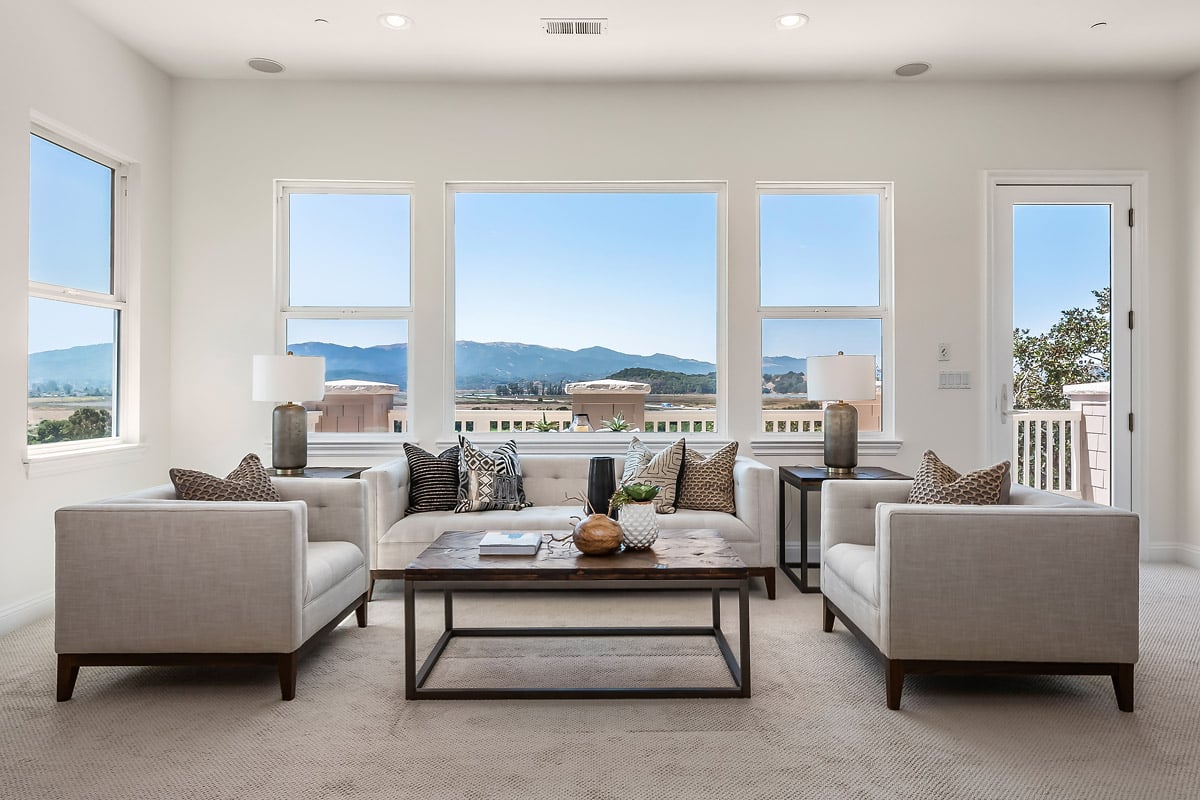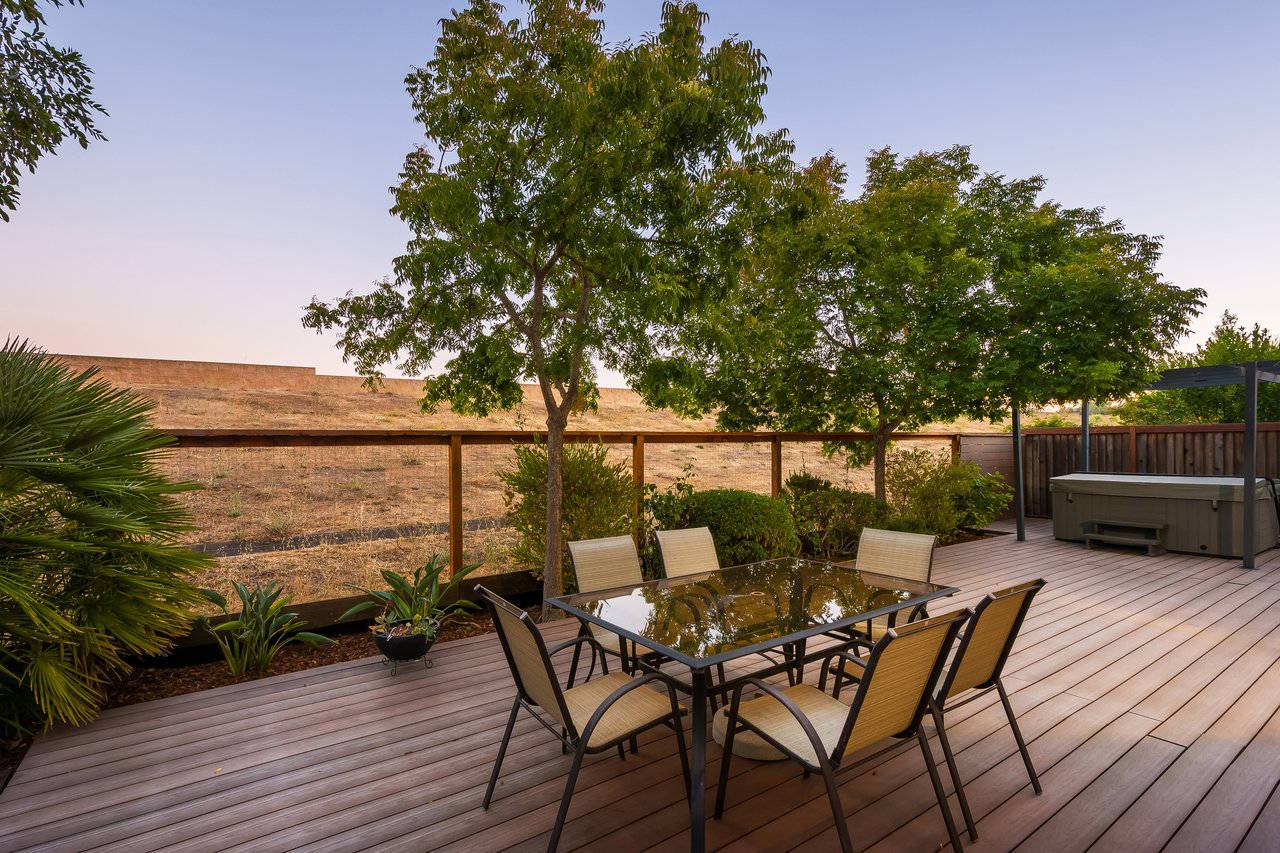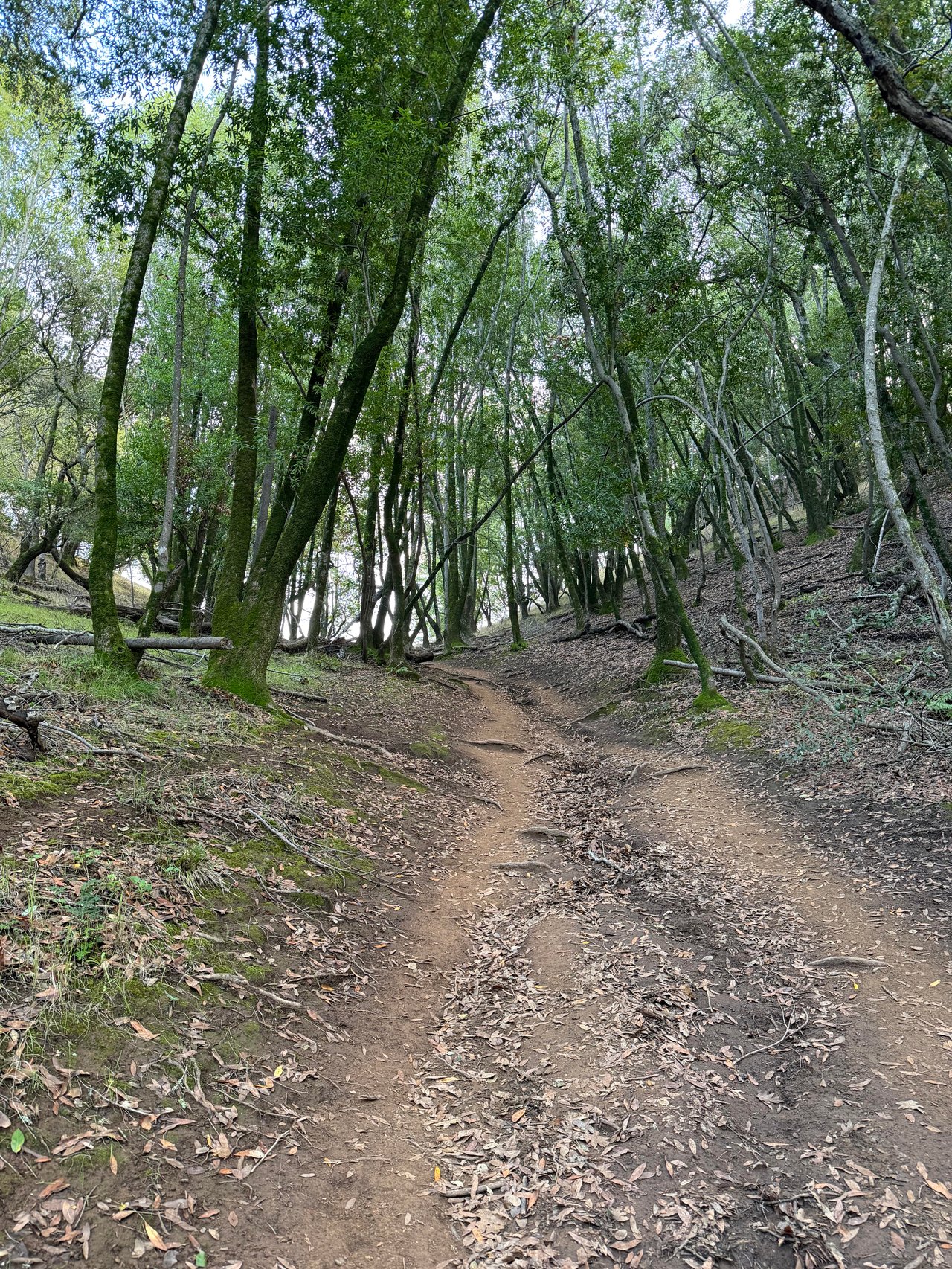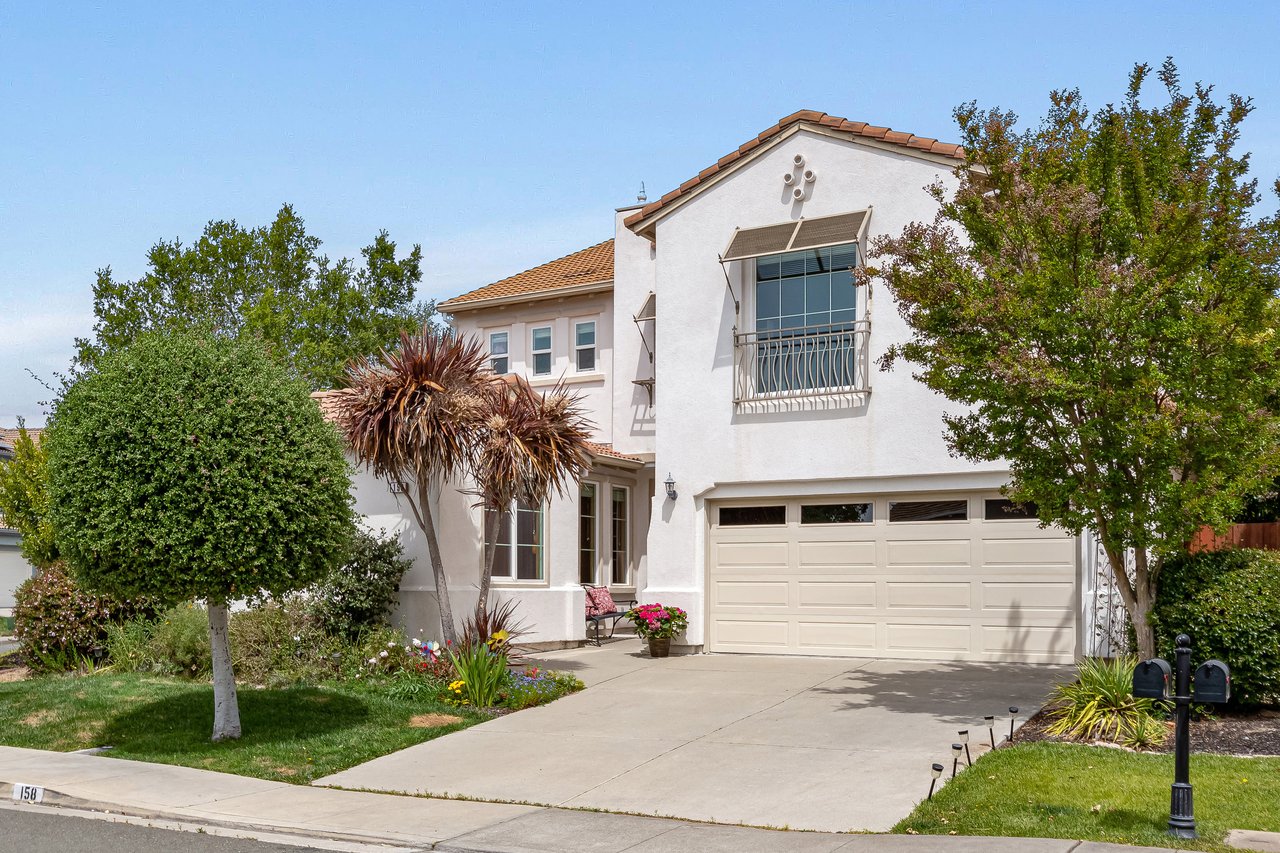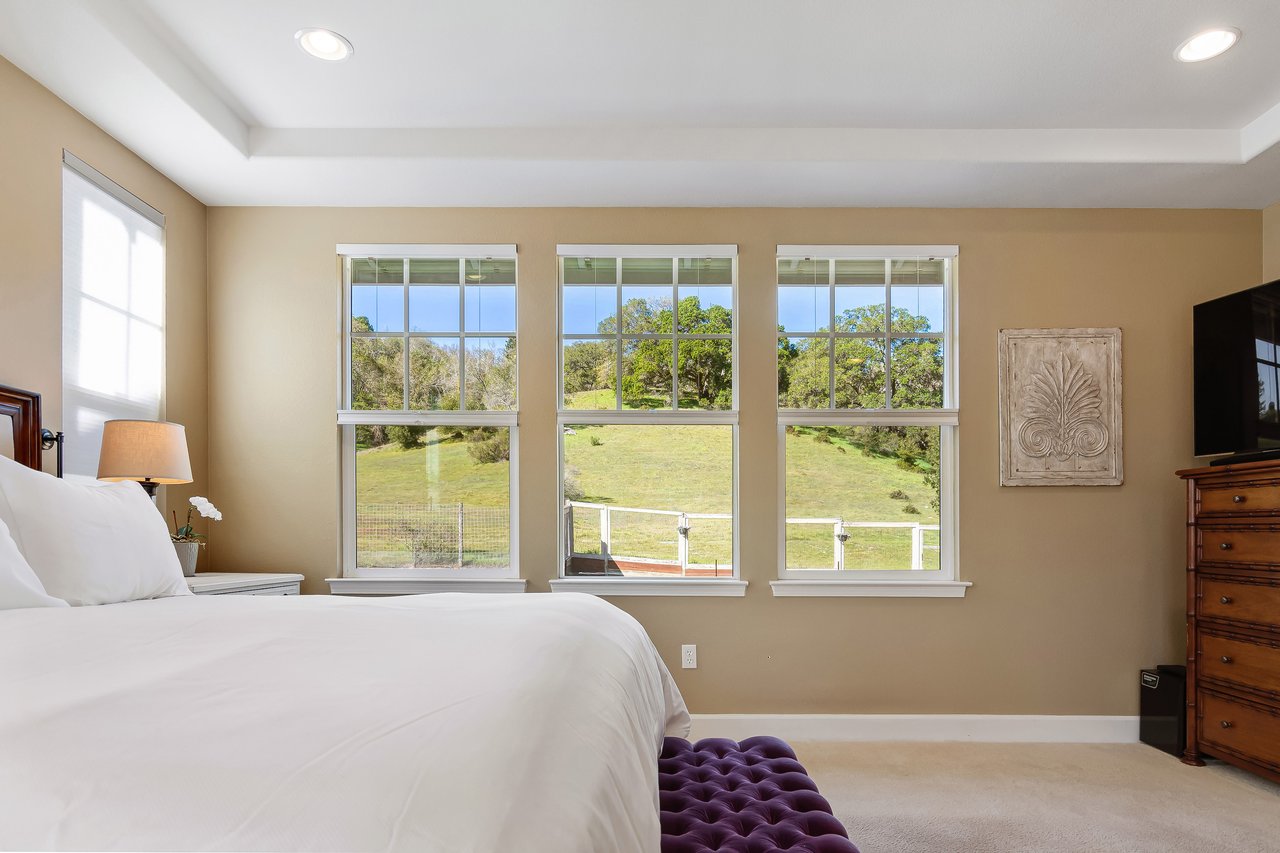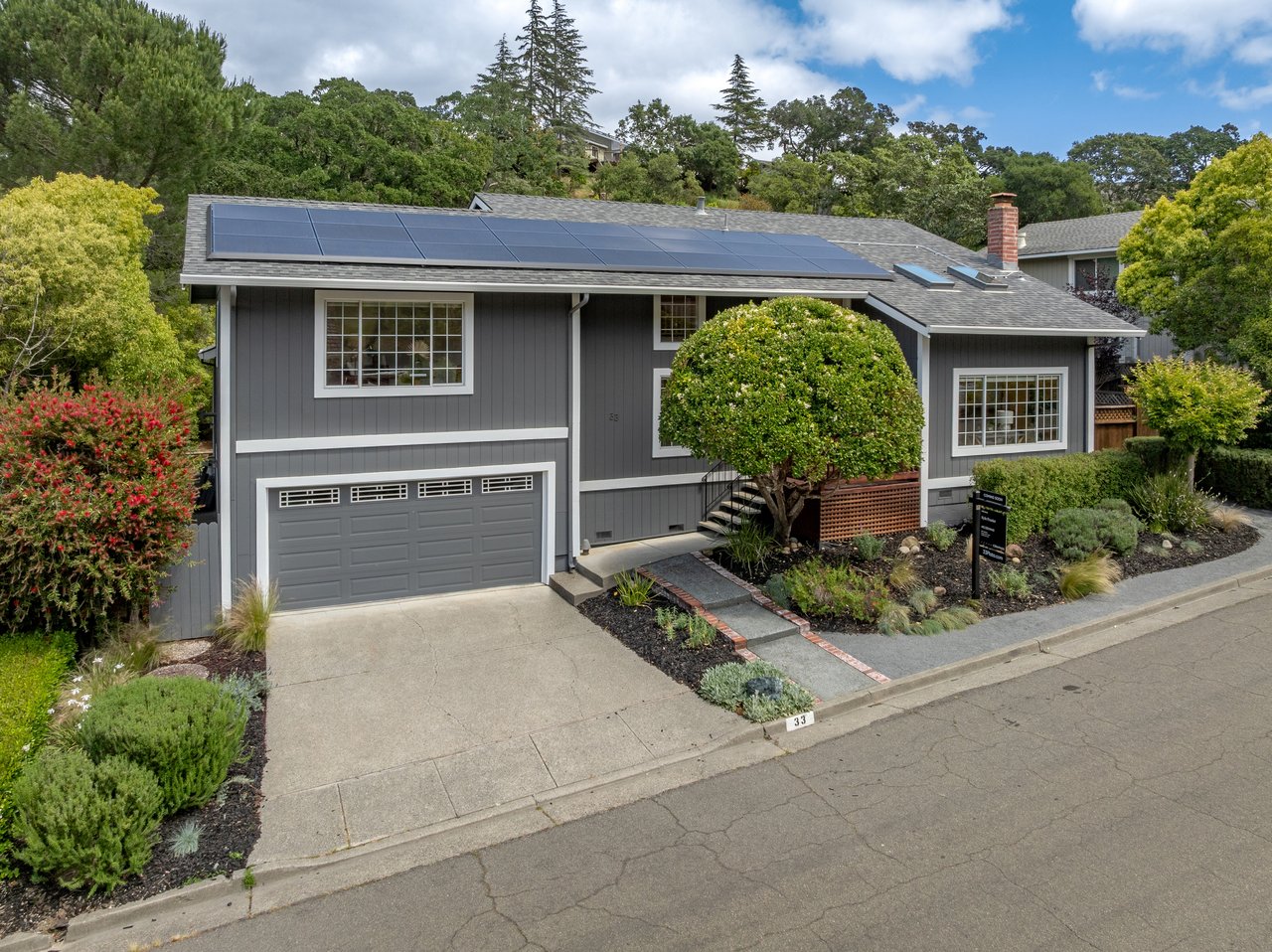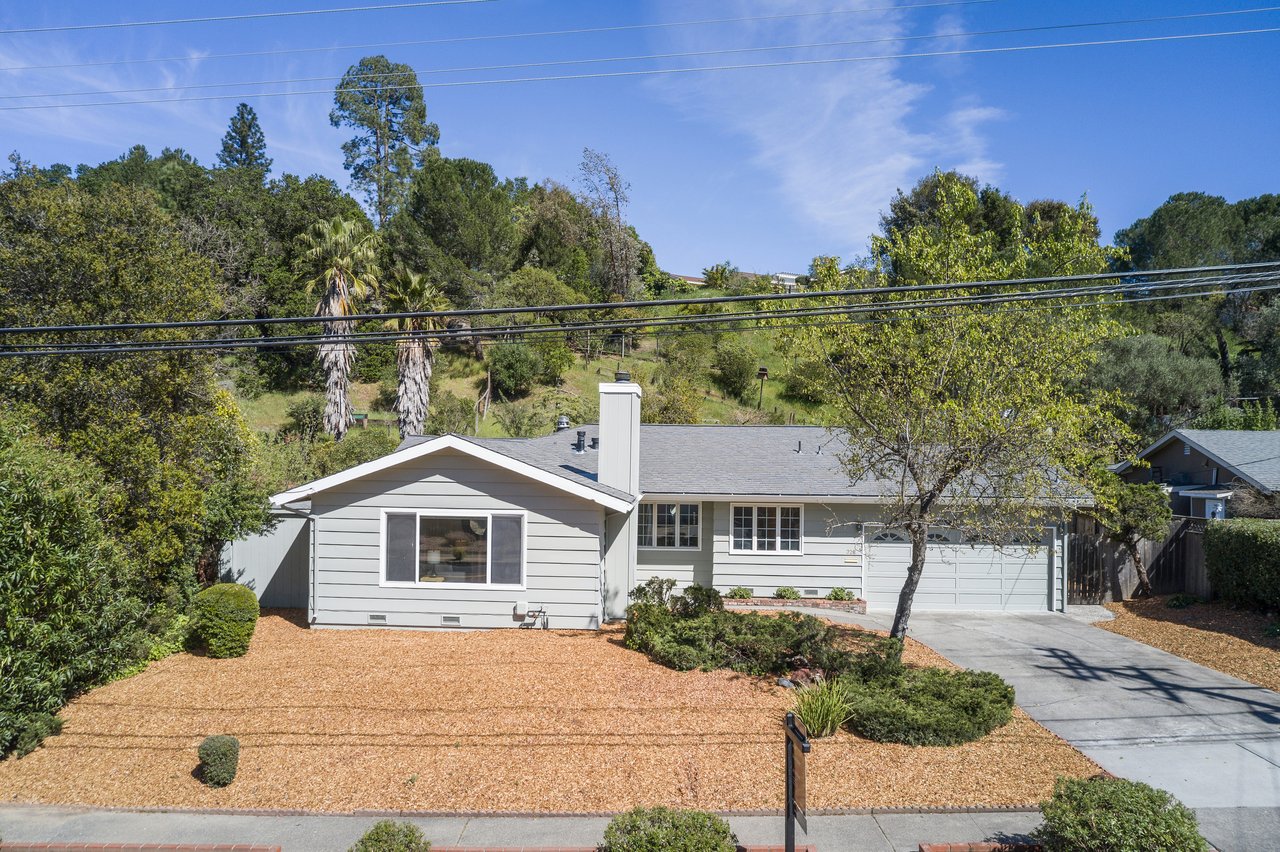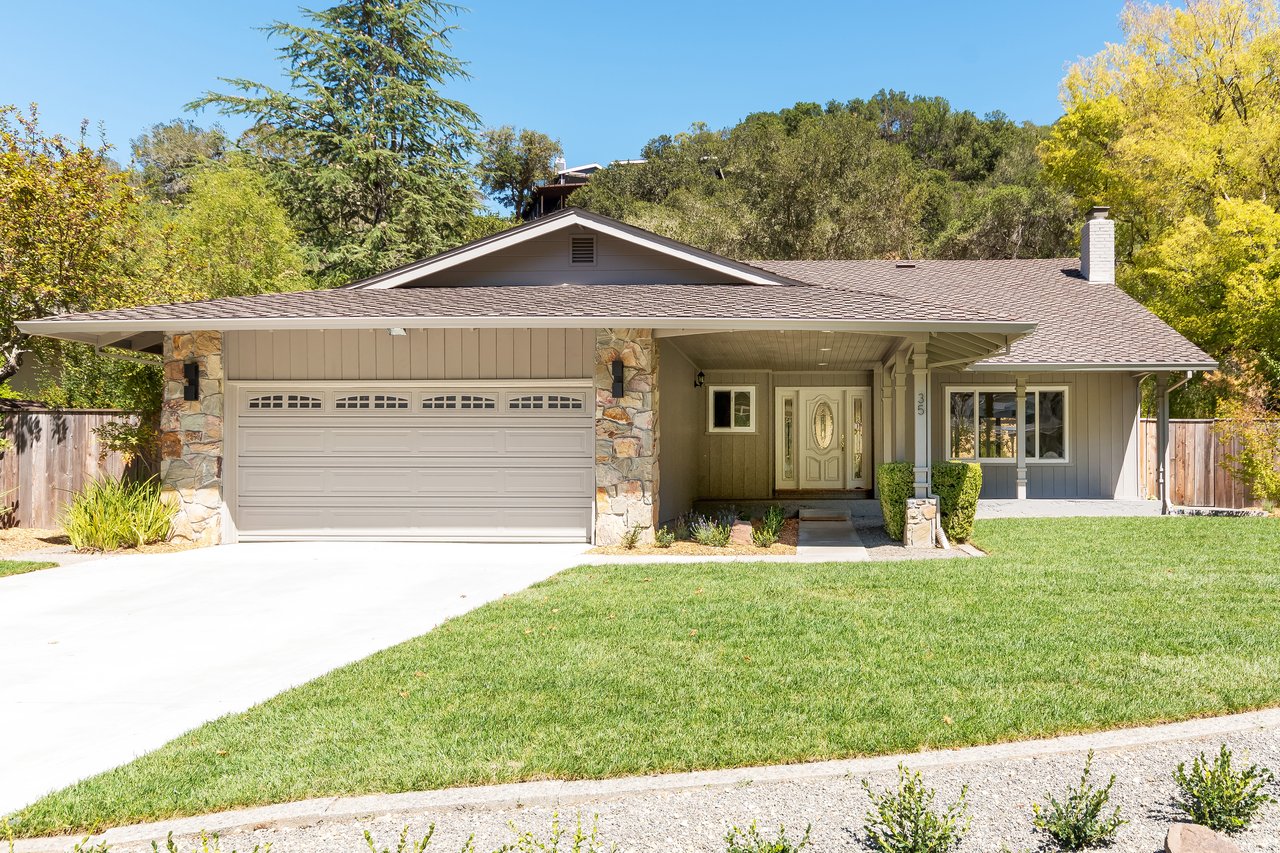
Trying to choose between Pointe Marin and Hamilton Field in South Novato (ZIP 94949)? You’re not alone. These two 94949 micro-markets are close on a map, but they can feel very different in home style, HOA or Mello-Roos costs, parks and trails, and day-to-day convenience.
This guide breaks down:
-
the real differences that matter most to buyers,
-
what to verify before you tour, and
-
a clear checklist you can use address-by-address.
Quick compare: what actually separates them
1) Home style and neighborhood layout
-
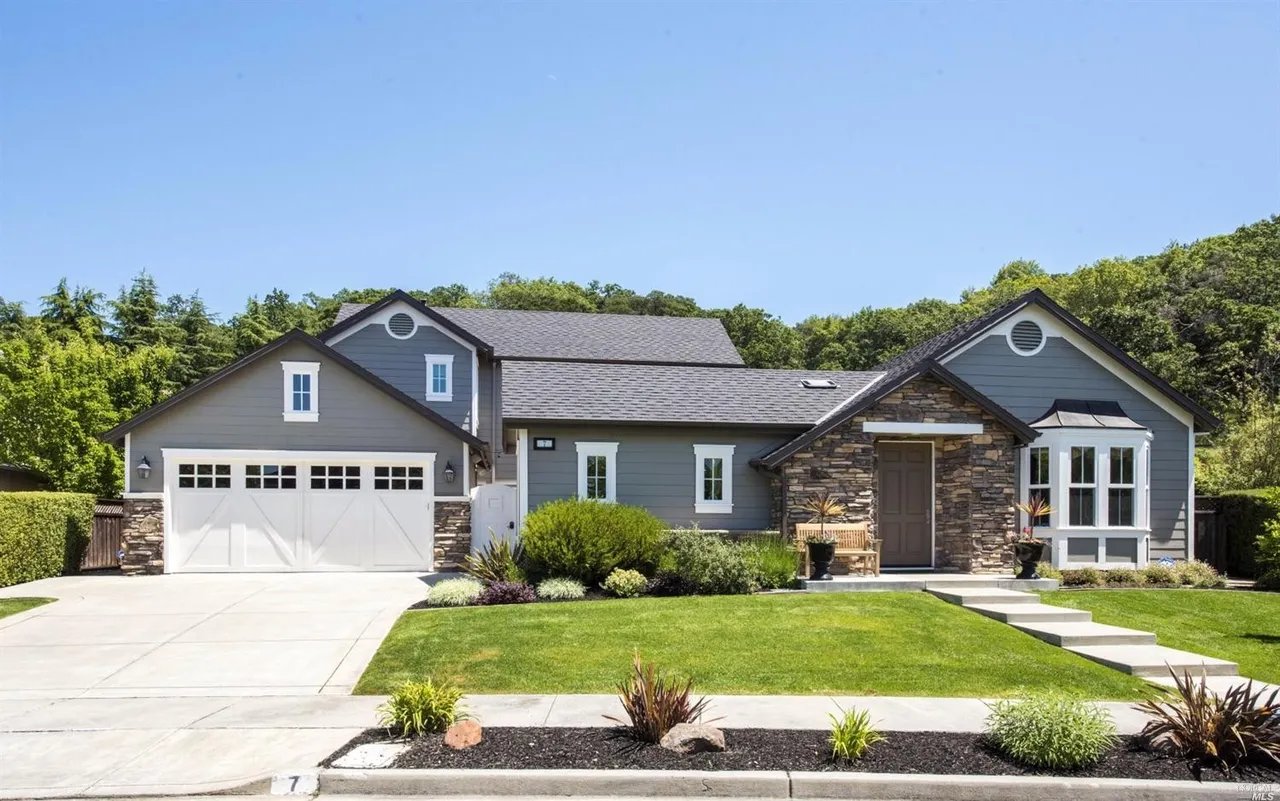
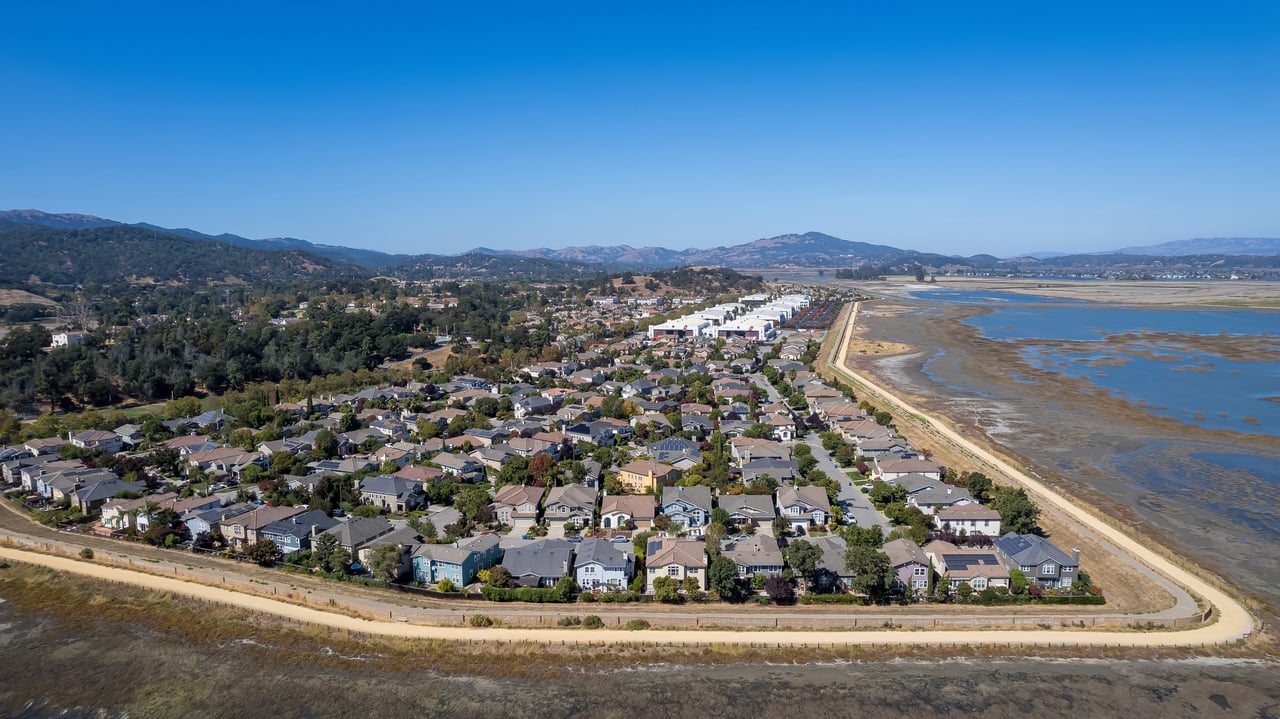
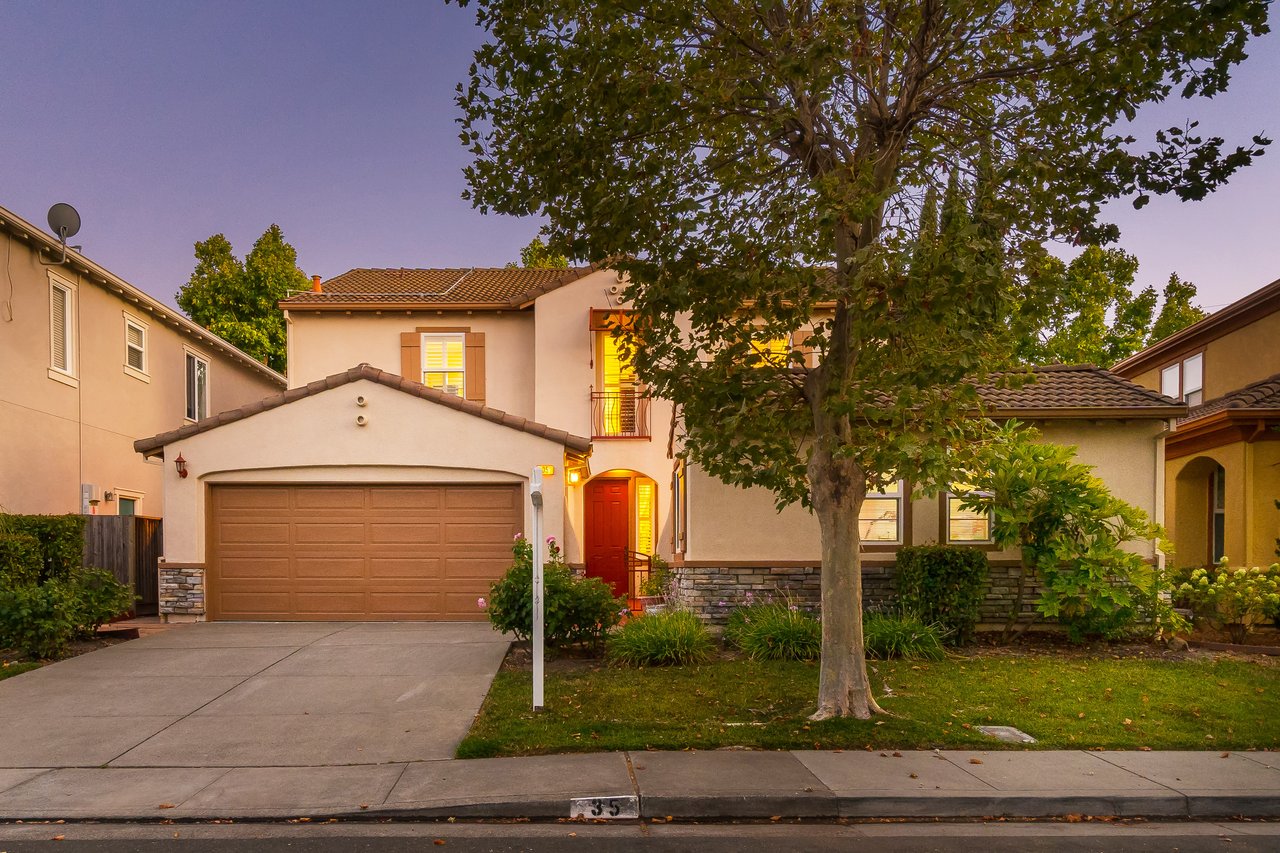
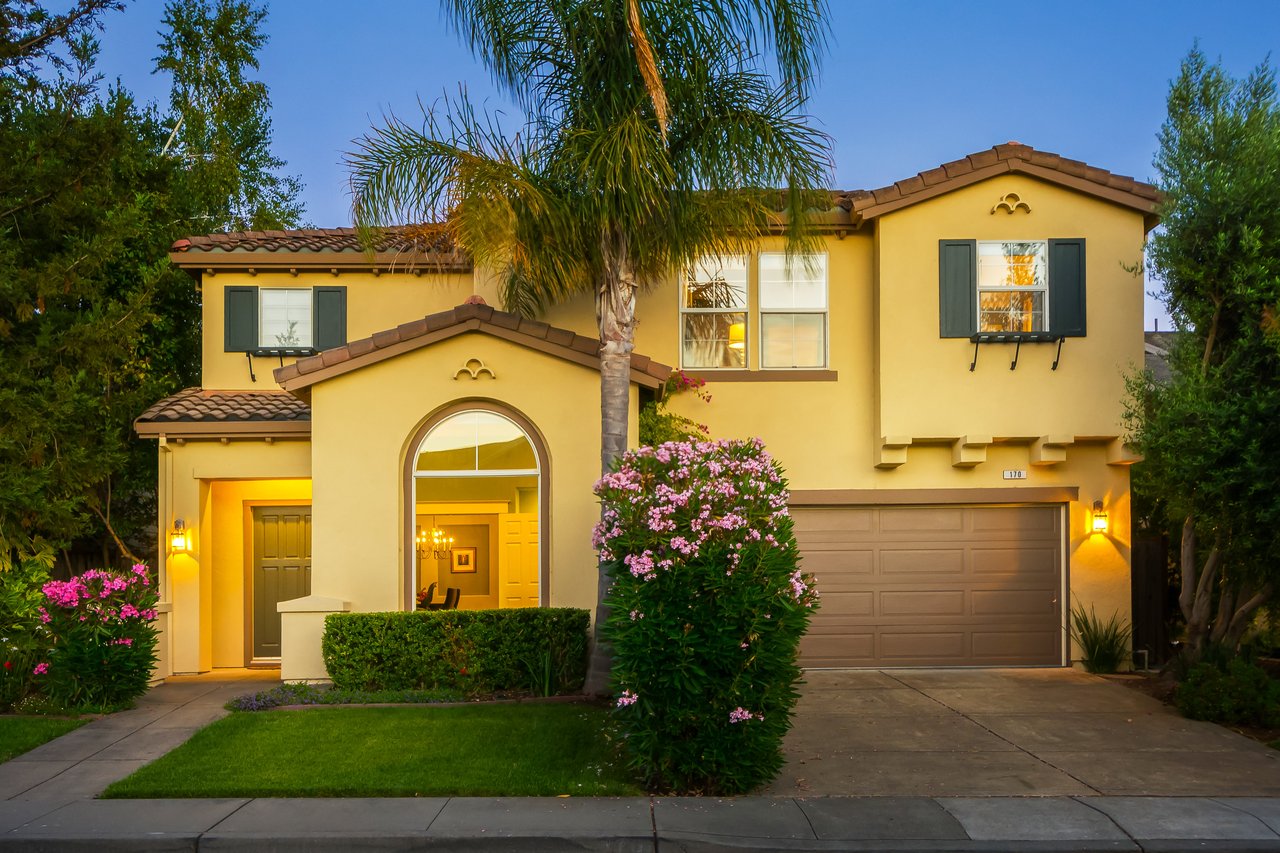
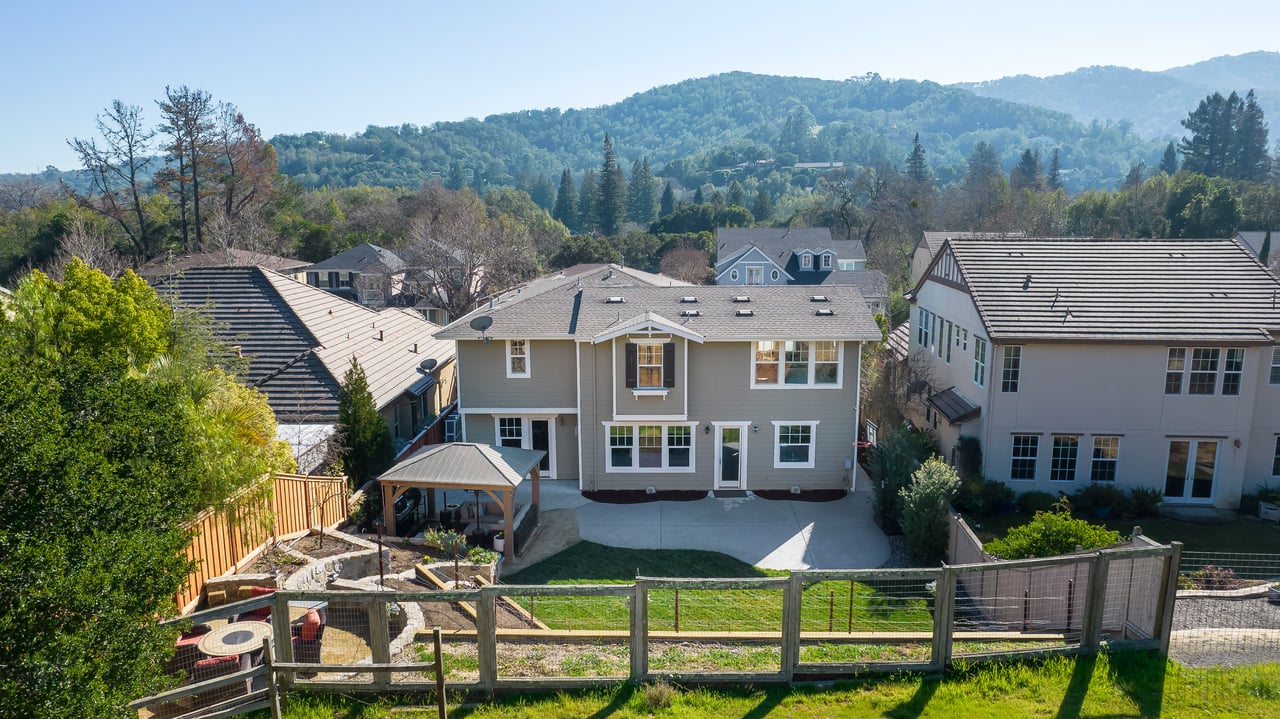
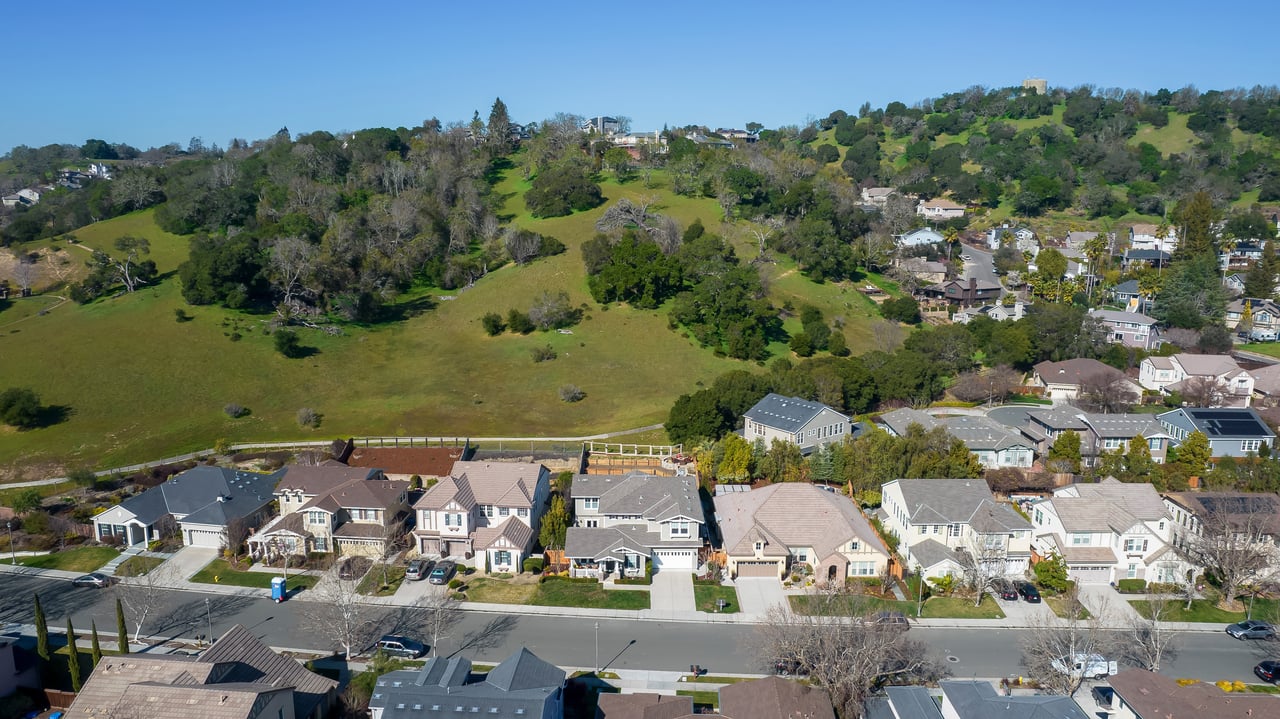
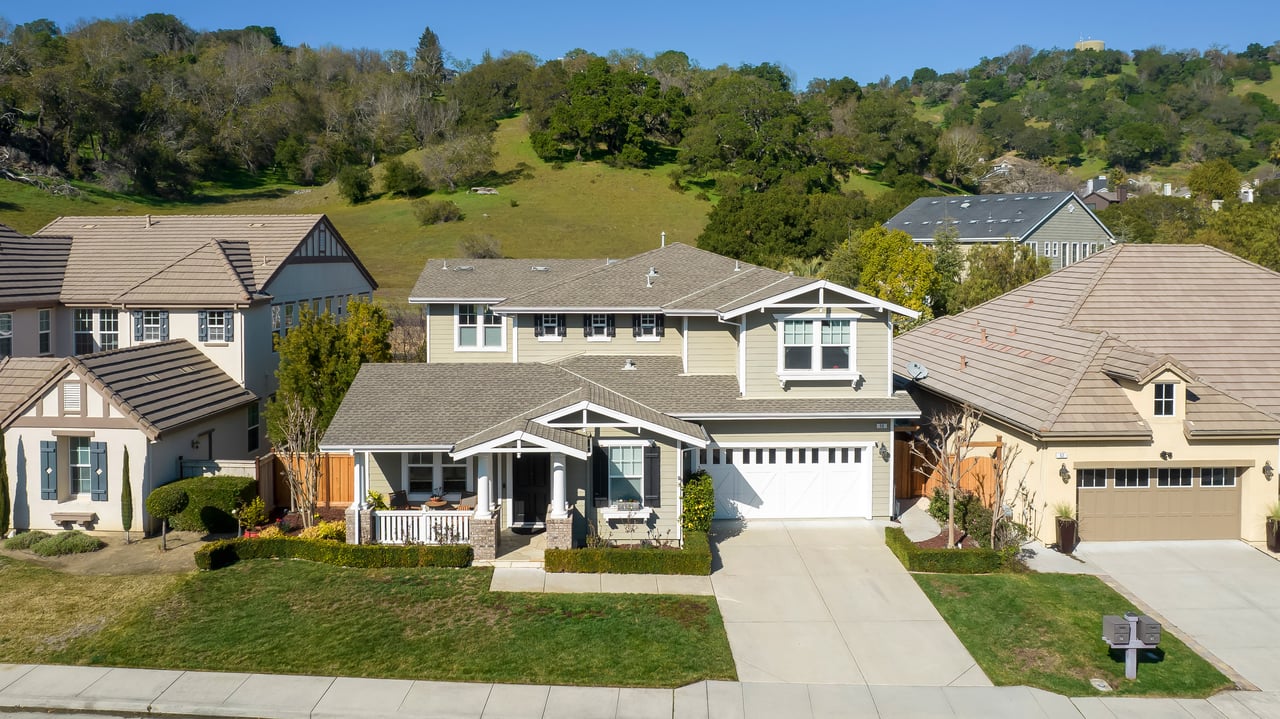
Pointe Marin is widely known for newer, larger single-family homes (generally early-2000s era), with a quiet residential feel. The experience can vary by street and enclave.
-
Hamilton Field is a master-planned redevelopment with multiple sub-neighborhoods and a broader range of housing styles across the area.
Important: Both are umbrella neighborhoods. Micro-location matters. Don’t generalize from one listing or street to the entire neighborhood.
2) Ongoing costs: HOA vs. Mello-Roos (big factor in 94949)
-
Pointe Marin commonly involves Mello-Roos / CFD, and these are not uniform across the neighborhood. The amount varies by home size.
-
Hamilton Field involves HOA and Mello-Roos / CFD, depending on the specific pocket. Coverage and dues vary by sub-area. This distinction often has a bigger long-term impact than purchase price alone.
3) Parks, trails, and community feel
-
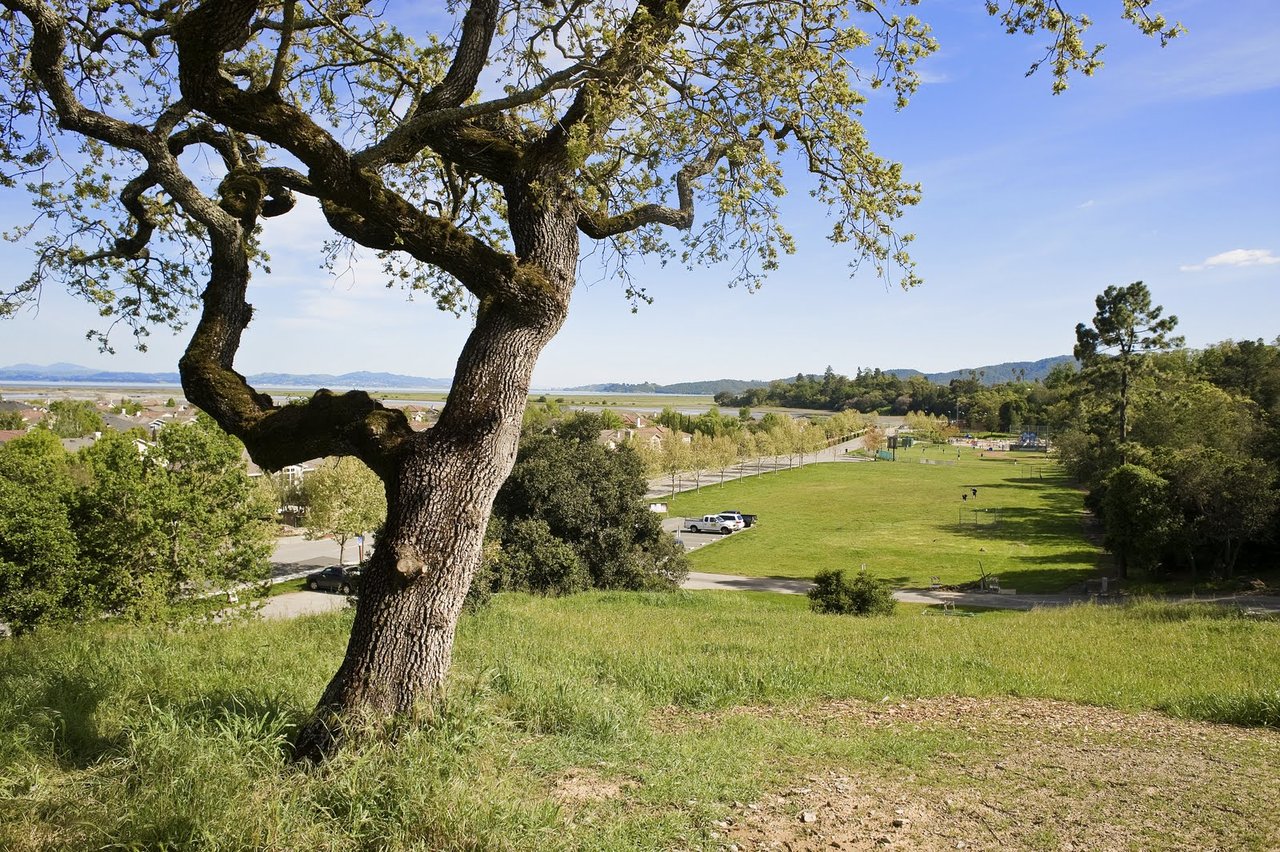
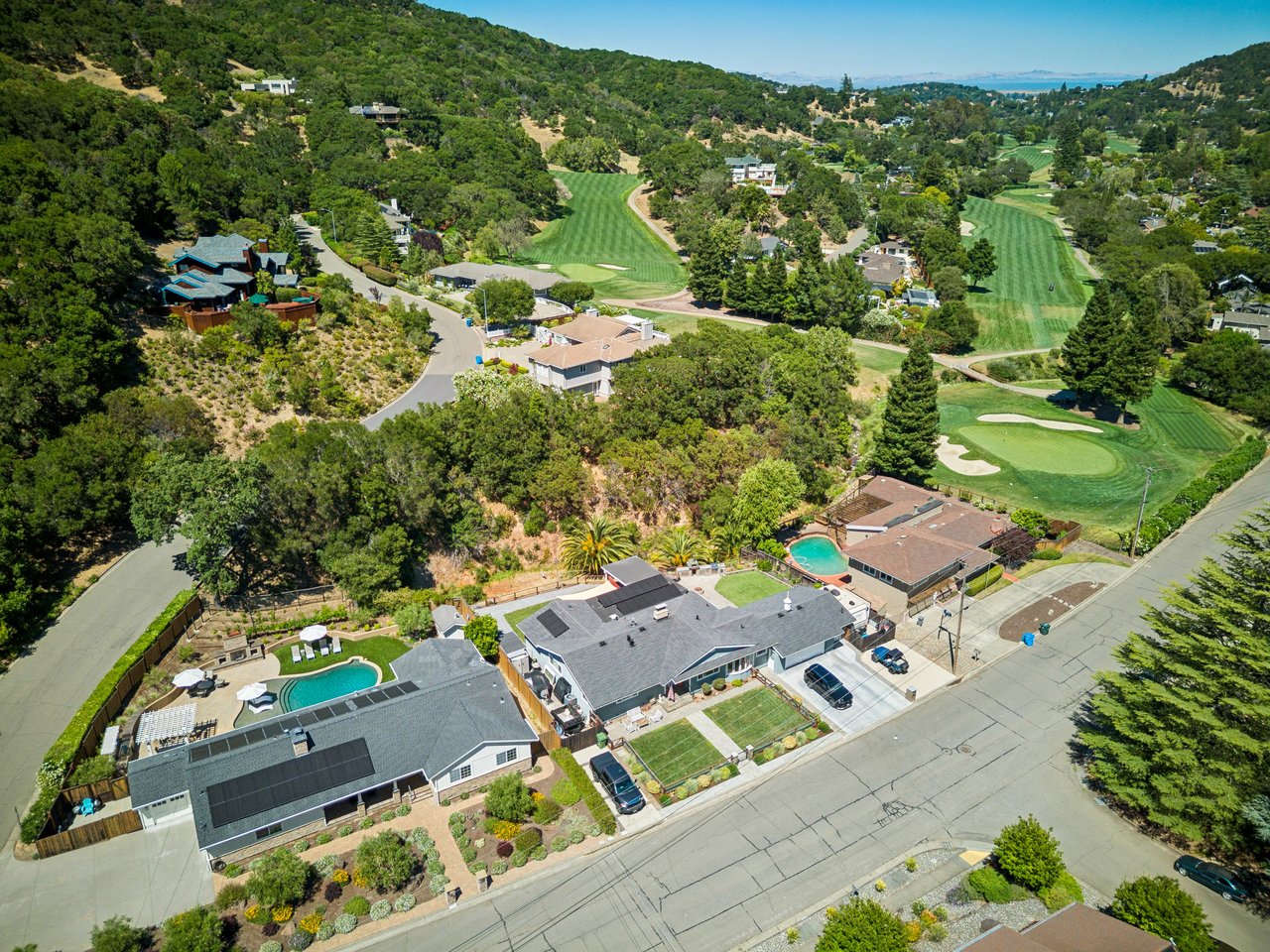
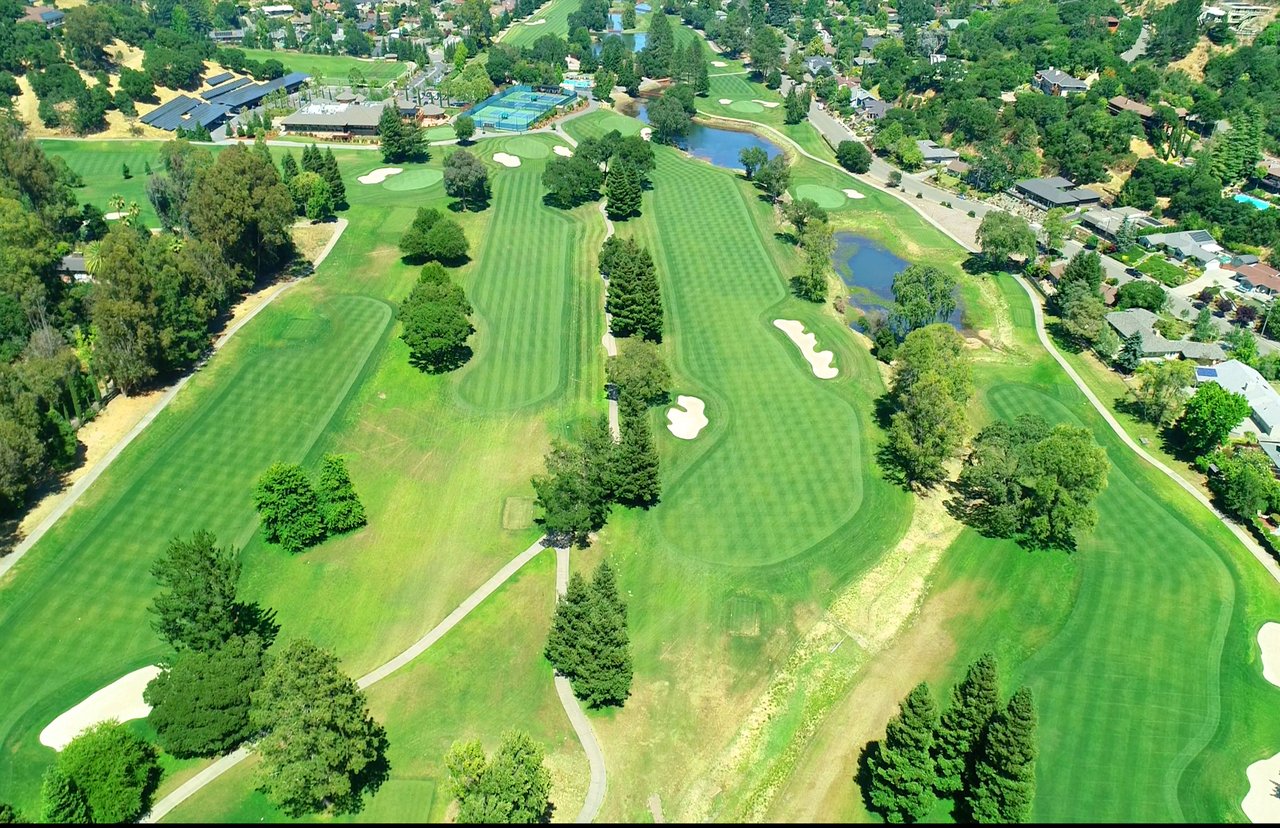
Hamilton Field often feels more like a planned village, with parks, trails, and community amenities integrated into the neighborhood design.
-
Pointe Marin generally feels more purely residential, with convenience depending heavily on the specific address.
4) Commute reality
Both neighborhoods are near US-101, but on-ramp choice and surface streets can materially affect commute reliability. Always test from the exact address during your real commute hours.
Pointe Marin: what you’ll typically find
Typical characteristics
-
Predominantly single-family homes
-
Quiet streets and a suburban South Novato feel
-
Buyer conversations that often focus on tax structure and long-term carrying costs
What to verify before touring
-
Exact Mello-Roos amount for the property
-
Year built and major system upgrades (roof, HVAC, windows)
-
Layout functionality (stairs, bedroom placement, yard usability)
-
Any HOA rules that apply to the specific pocket
Hamilton Field: what you’ll typically find
Typical characteristics
-
Multiple sub-neighborhoods with different identities
-
A stronger master-planned community feel in many areas
-
Easy access to parks, trails, and recreation spaces in many sections
What to verify before touring
-
Which sub-area the home is in
-
HOA or community association structure and responsibilities
-
Walkability to parks and amenities from the specific address
-
Neighborhood-specific rules (parking, rentals, exterior guidelines)
What to verify before you tour (this prevents surprises)
Property and layout
-
Detached vs. attached (and what that means for maintenance and insurance)
-
Usable outdoor space vs. cosmetic yard space
-
Parking reality: garage depth, guest parking, street restrictions
Build era and construction
-
Year built and system life expectancy
-
Permit history for major upgrades
Daily livability
-
Sun exposure and street noise
-
Neighbor proximity and privacy
-
Traffic patterns during peak hours
HOA and Mello-Roos: review these early
There is an HOA in both Pointe Marin and Hamilton Field.
Request:
-
Current budget and dues
-
What the HOA actually covers
-
CC&Rs (rentals, pets, parking, architectural rules)
-
Reserve study summary
-
Recent board meeting minutes
If there is Mello-Roos
-
Confirm the exact annual amount
-
Understand whether it is fixed or variable
-
Review how it appears on the tax bill
-
Do not rely on neighborhood averages
Commute and daily convenience
US-101 access
Run live mapping:
-
During your actual commute window
-
Off-peak
-
Both northbound and southbound
Daily errands
Map your real routine:
-
Grocery, gym, coffee, pharmacy
-
School drop-off routes (if relevant)
-
Weekend activities
Resale and market behavior: micro-market matters
When comparing resale potential:
-
Match layout, condition, and lot usability
-
Review days on market and sold-to-list price ratios
-
Use price per square foot as a supporting metric only
Side-by-side decision checklist
| Category | Pointe Marin | Hamilton Field |
|---|---|---|
| Home type | Mostly SFD | Mostly SFD |
| Year built | 2000-2005 | 1999 - 2020's |
| HOA | Yes | Yes |
| Mello-Roos | Confirm amount | Confirm amount |
| Rules | Rentals / pets / parking | Rentals / pets / parking |
| Parks & trails | Many | Many |
| US-101 access | Peak + off-peak | Peak + off-peak |
| Daily errands | Drive time | Drive time |
| Schools | Confirm assignments | Confirm assignments |
| Recent resale | DOM + list-to-sale | DOM + list-to-sale |
| Risk flags | Taxes / insurance | HOA scope / fees |
Which one is “better”?
Neither universally.
-
Pointe Marin often fits buyers who want a traditional single-family neighborhood feel and tight community.
-
Hamilton Field often fits buyers who value a planned community environment, strong access to parks and trails, a wider range of housing options and/or lower entry point.
The right answer depends on your priorities and the specific address.
Smart next steps
-
Tour both neighborhoods on a weekday and weekend.
-
Confirm Mello-Roos and/or HOA costs early.
-
Compare comps that match layout and condition, not just location.
-
Test real commute times from the exact address.
-
Verify school assignments before writing an offer.
FAQs
Are Pointe Marin and Hamilton Field the same neighborhood?
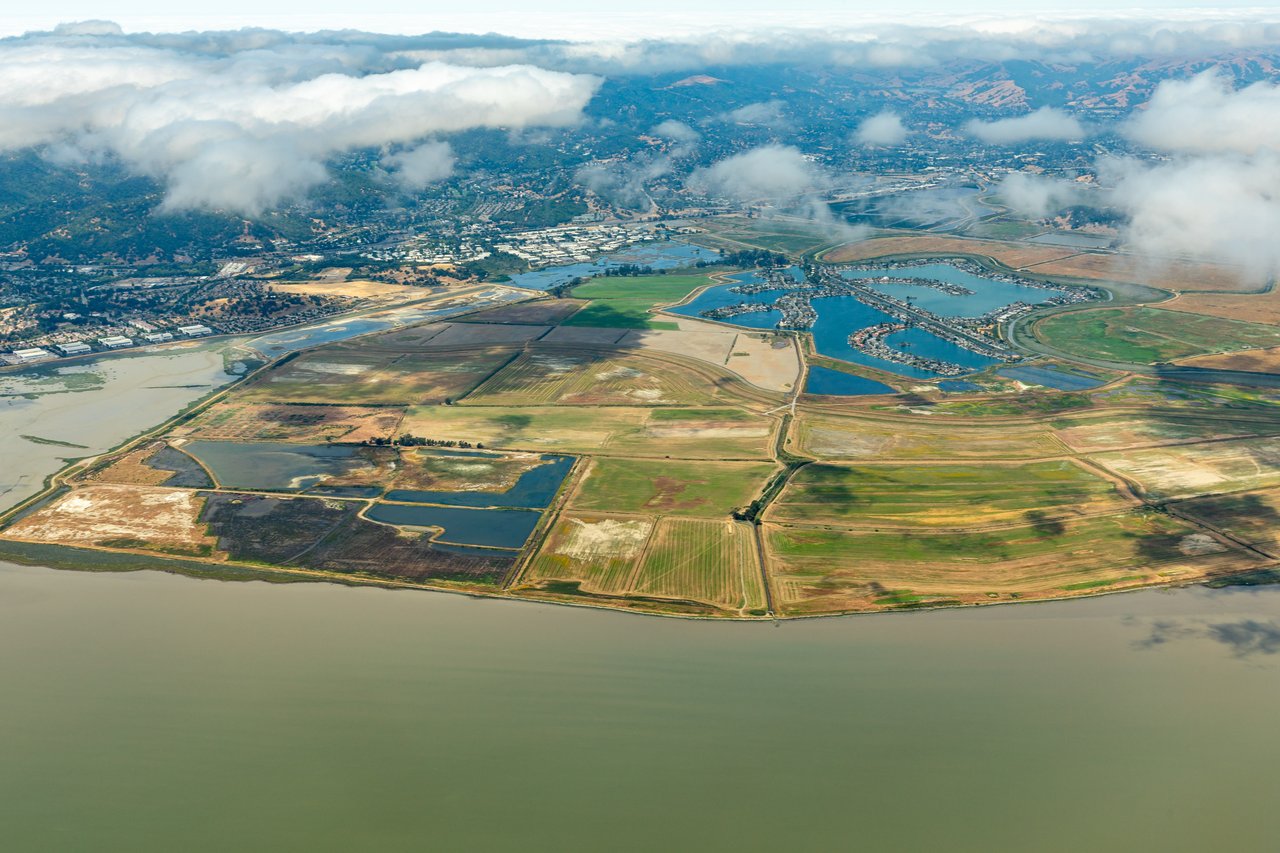
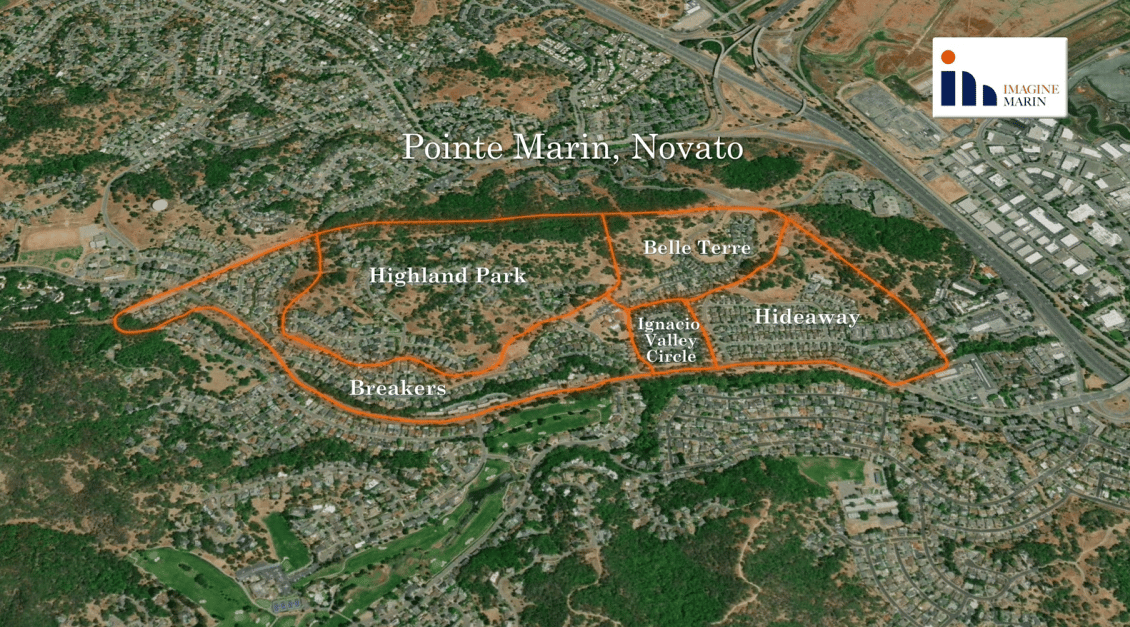
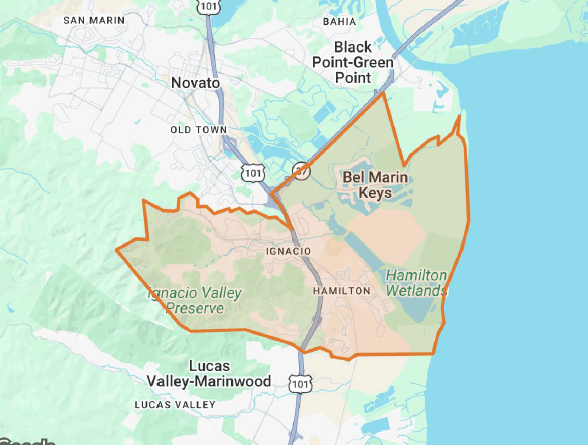
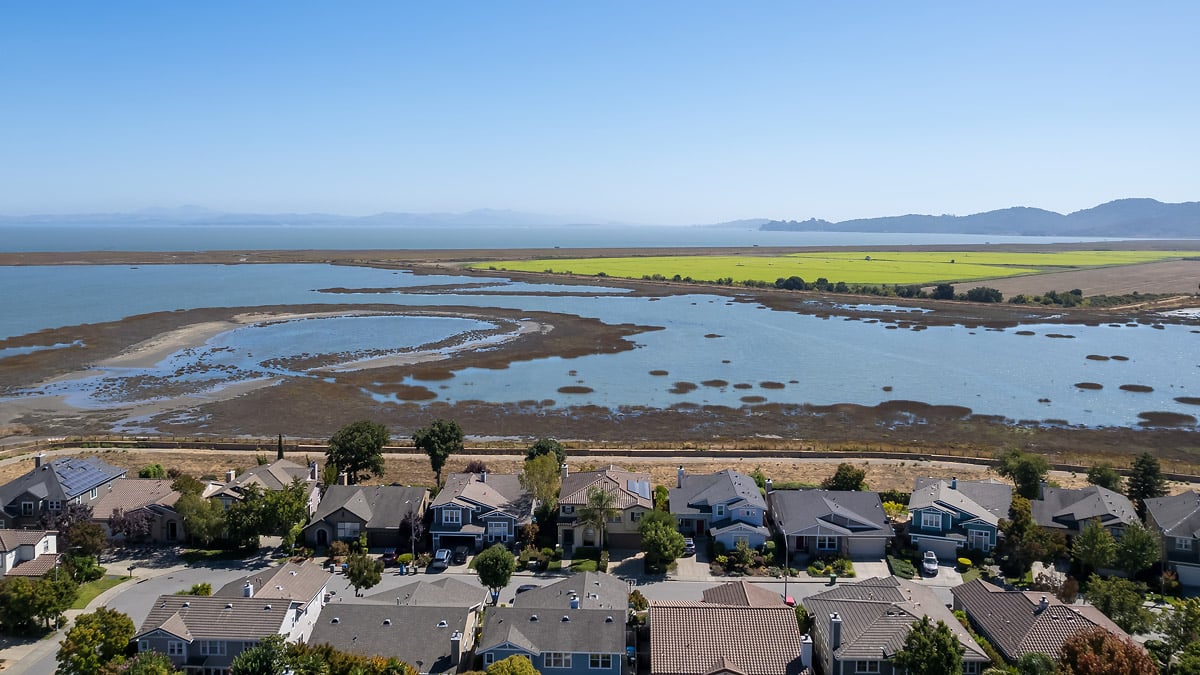
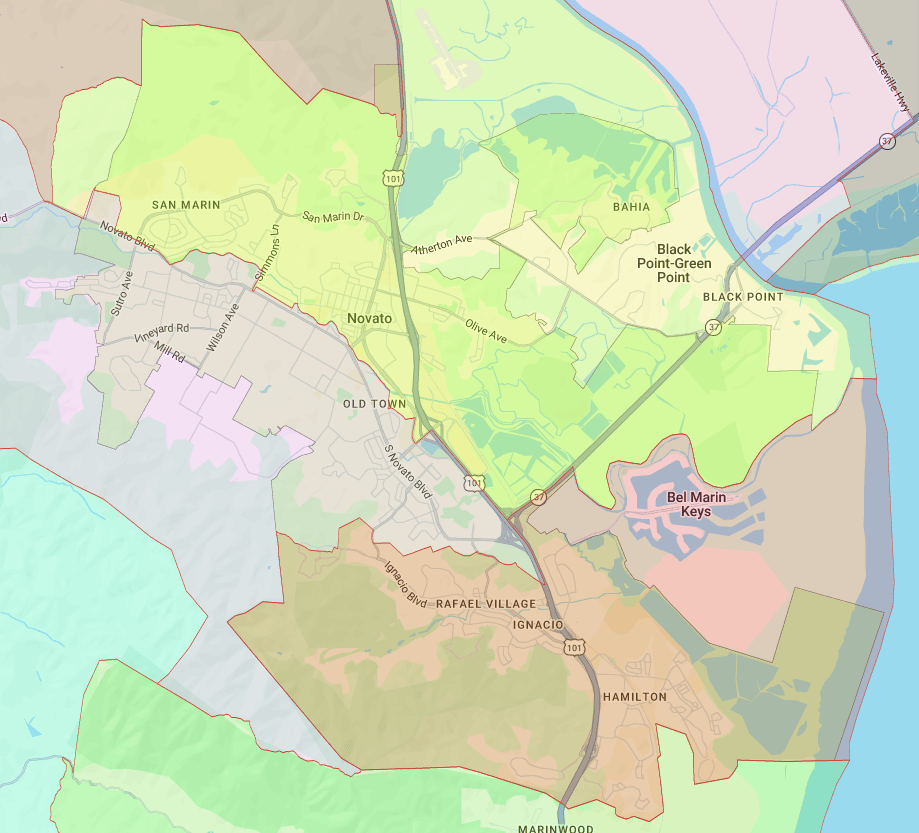
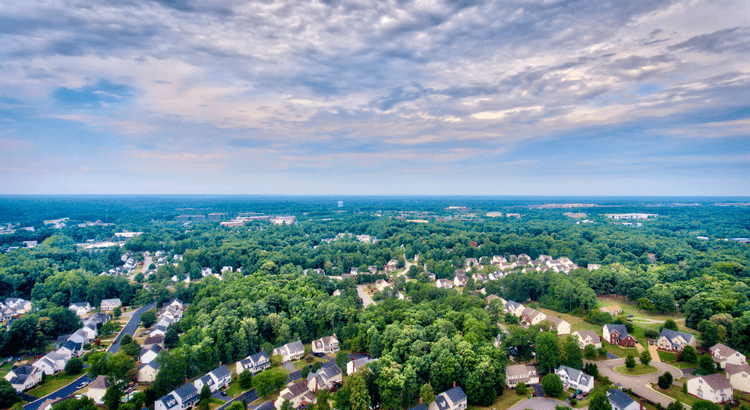
No. They are near one another, but distinct micro-markets within South Novato (94949), each with different housing styles, cost structures, and community layouts. Pointe Marin is located to the West of HWY 101. Hamilton Field lies East of HWY 101. Most buyers in South Novato will consider both during the process of their search. To view flyover maps of each, click on: Hamilton Field Map and Pointe Marin Map.
Does Pointe Marin have Mello-Roos?
Yes (there is an exception, but it is actually a separate neighborhood that is lumped in with Pointe Marin), but amounts vary by property. Mello-Roos in Pointe Marin is not uniform and must be confirmed address-by-address. You can learn more by watching: Pointe Marin Mello-Roos Explained: The "Hidden" Exemption & 2032 Expiration
Does Hamilton Field have HOAs or Mello-Roos?
Yes - single family homes have both. But, there is one street that does not have Mello-Roos. Contact Kyle Frazier for more information.
Which neighborhood is newer overall?
Both are relatively newer by Marin standards. Pointe Marin homes are largely early-2000s era, while Hamilton Field includes a broader mix of build years ranging from 1999 to 2011, depending on the sub-neighborhood. There is also a small 55+ community build in the 2020’s.
Which feels more like a planned community?
Hamilton Field typically feels more master-planned, with parks, schools, and trails integrated into the neighborhood design.
Which has more single-family homes?
Pointe Marin is predominantly single-family. Hamilton Field includes single-family homes plus other housing types, depending on the area. In terms of the sheer number of single family homes, Hamilton Field wins by a significant margin.
Is one better for commuting?
Neither universally. Commute reliability depends on the exact address, on-ramp access, and direction of travel during peak hours. Both offer some of the best commute times in Novato.
What’s the biggest mistake buyers make comparing these two?
Relying on neighborhood averages is generally the most common mistake. Both Pointe Marin and Hamilton Field include several sub-neighborhoods with differing home profiles, build dates, and locational anomalies that impact pricing. In addition, average prices can often be skewed by outliers, especially in a restrained market with few sales.
Which holds value better?
Resale performance is driven more by layout, condition, lot usability, and micro-location than by neighborhood name alone. Both neighborhoods have roughly doubled in price since 2011.
Kyle Frazier DRE 01405738
Maria Sandberg DRE 02173812