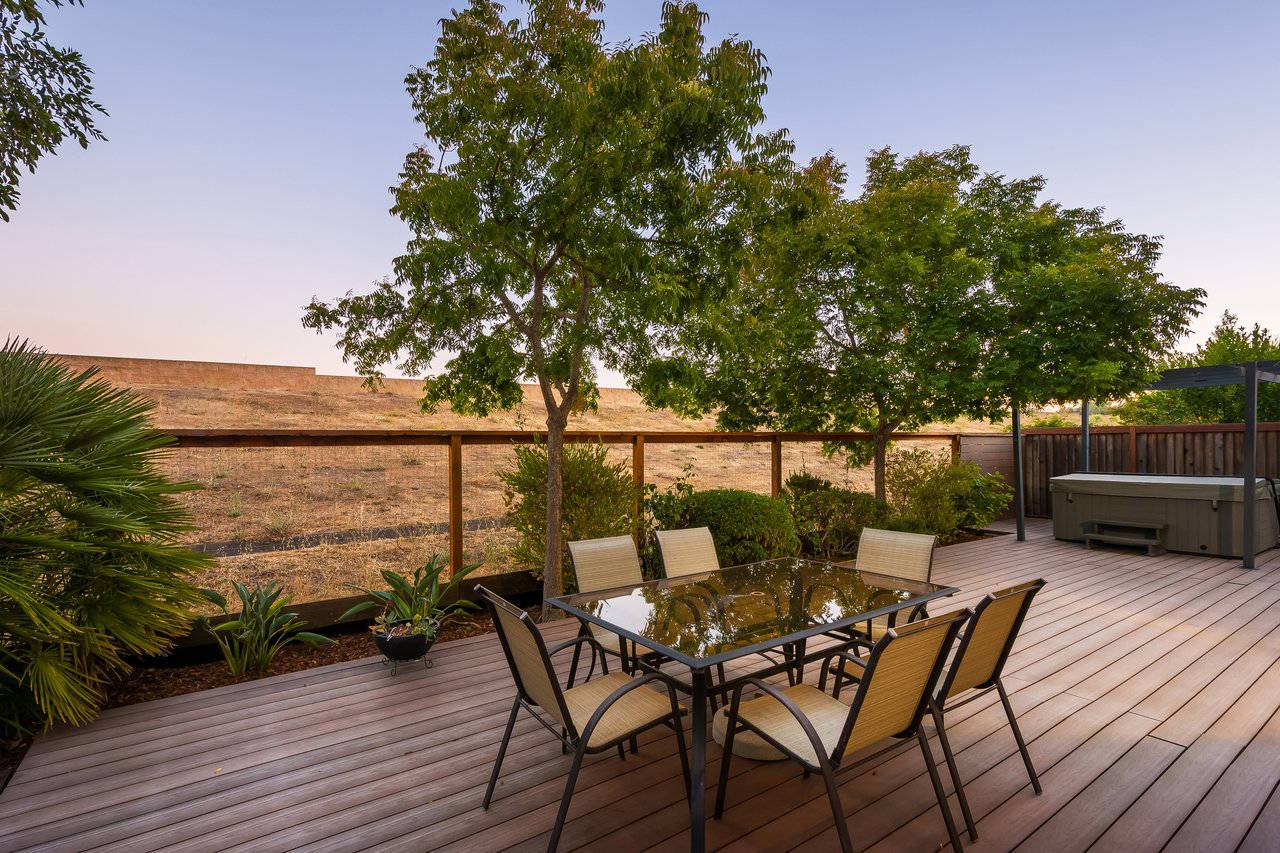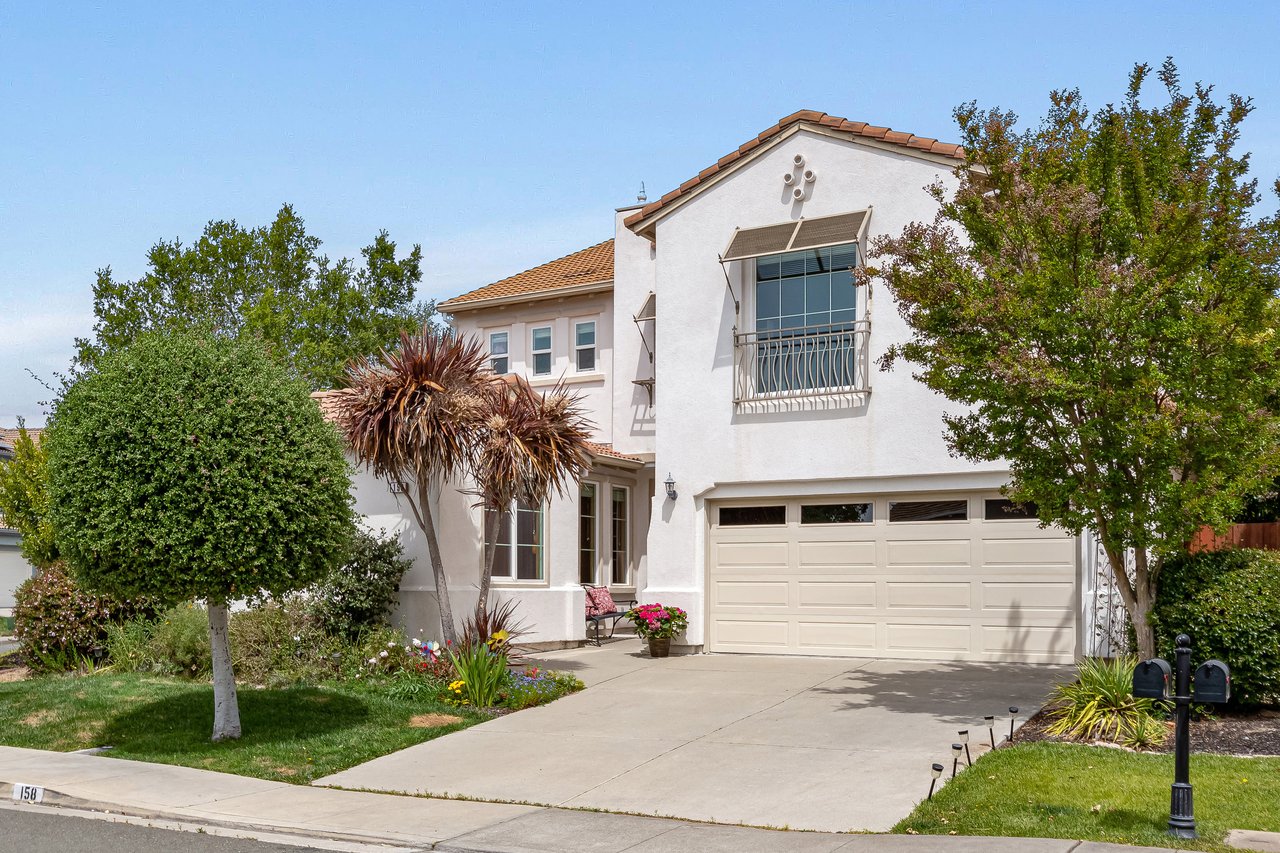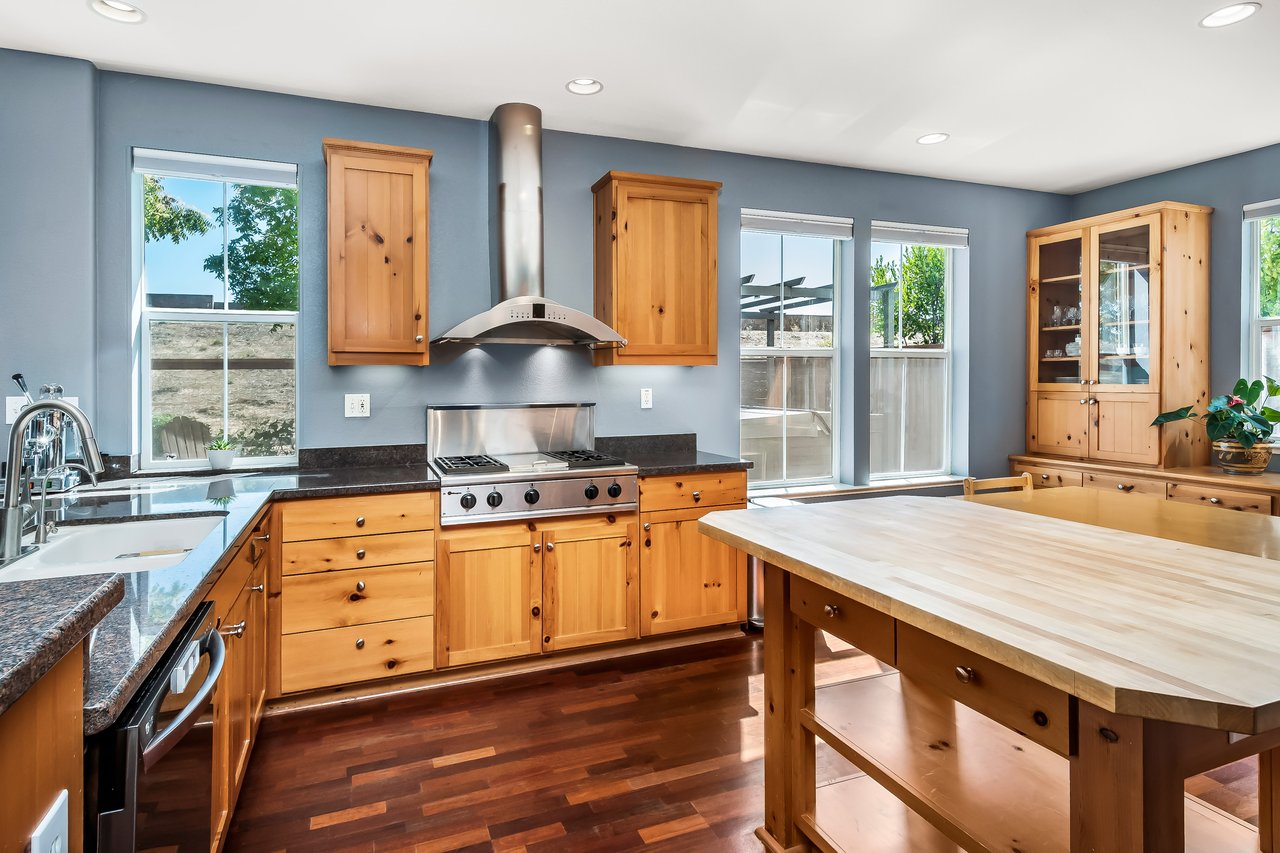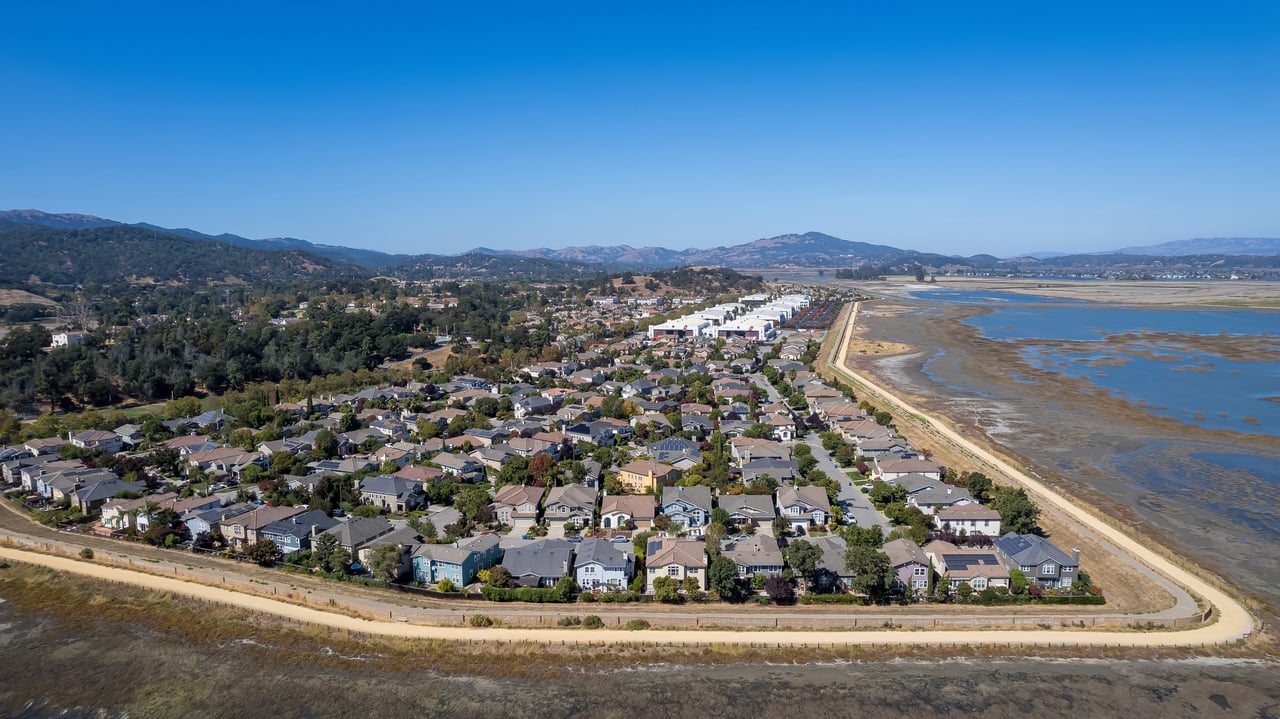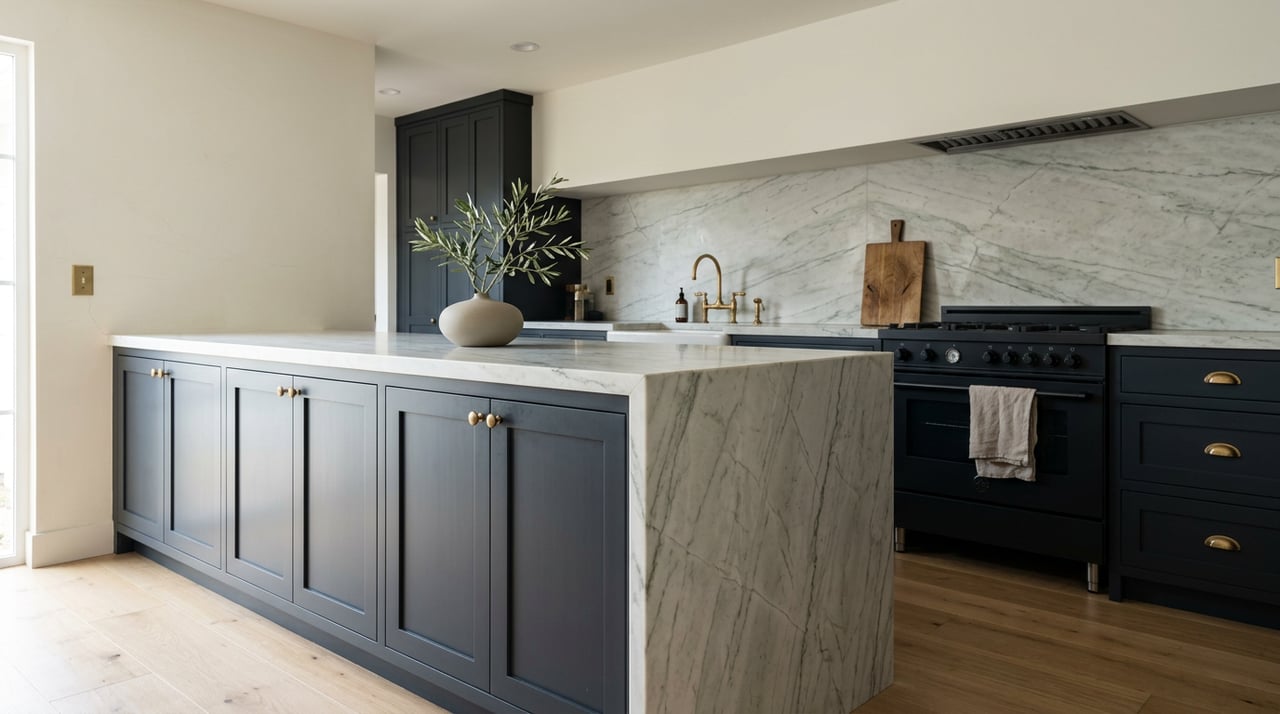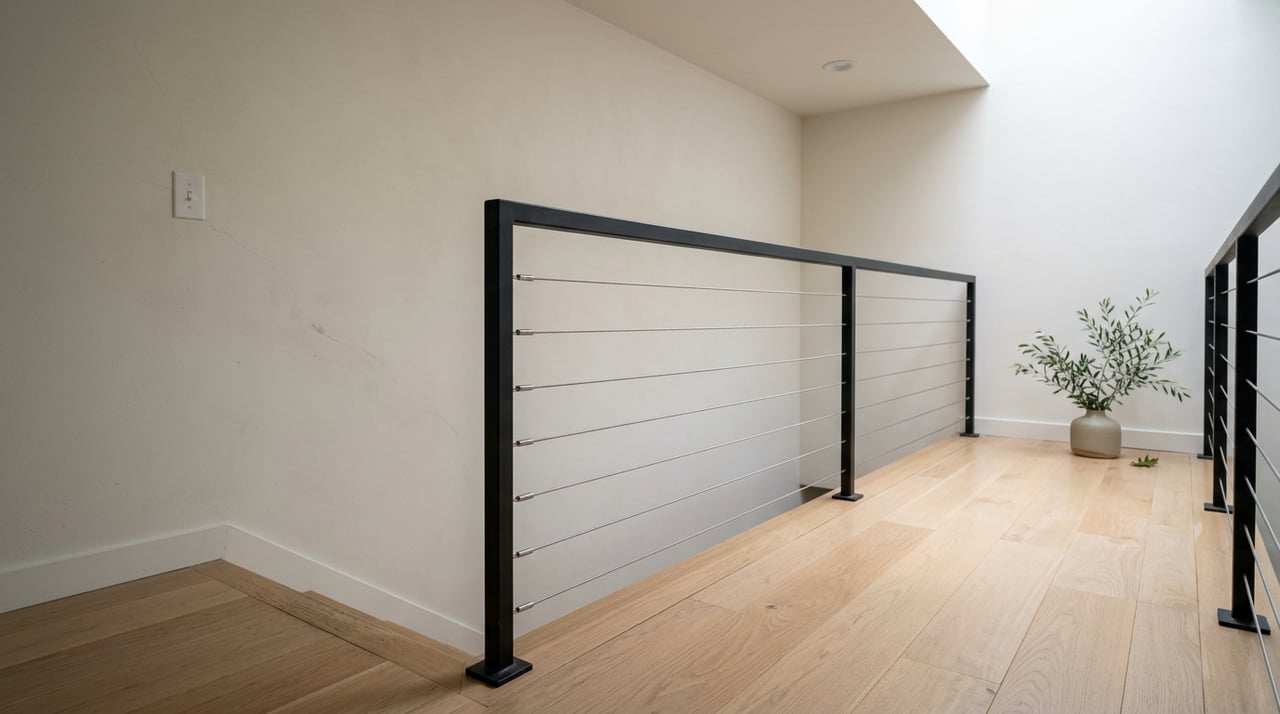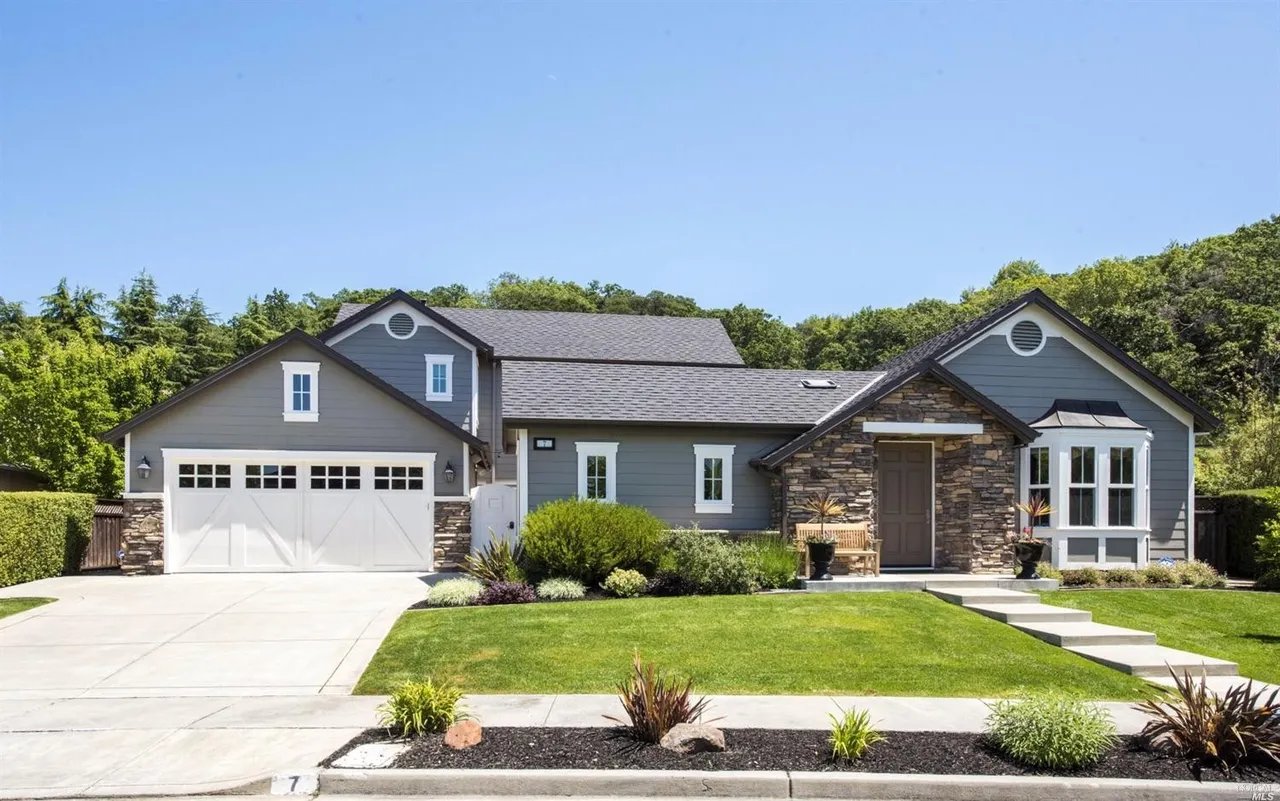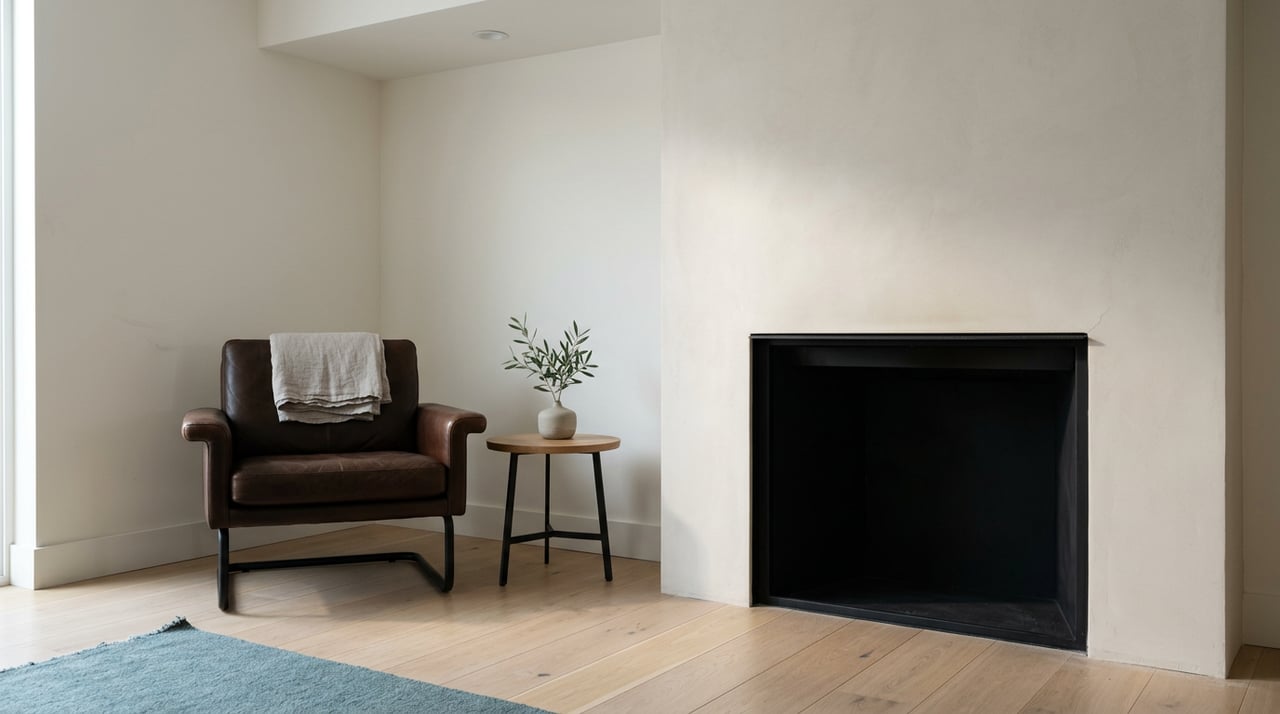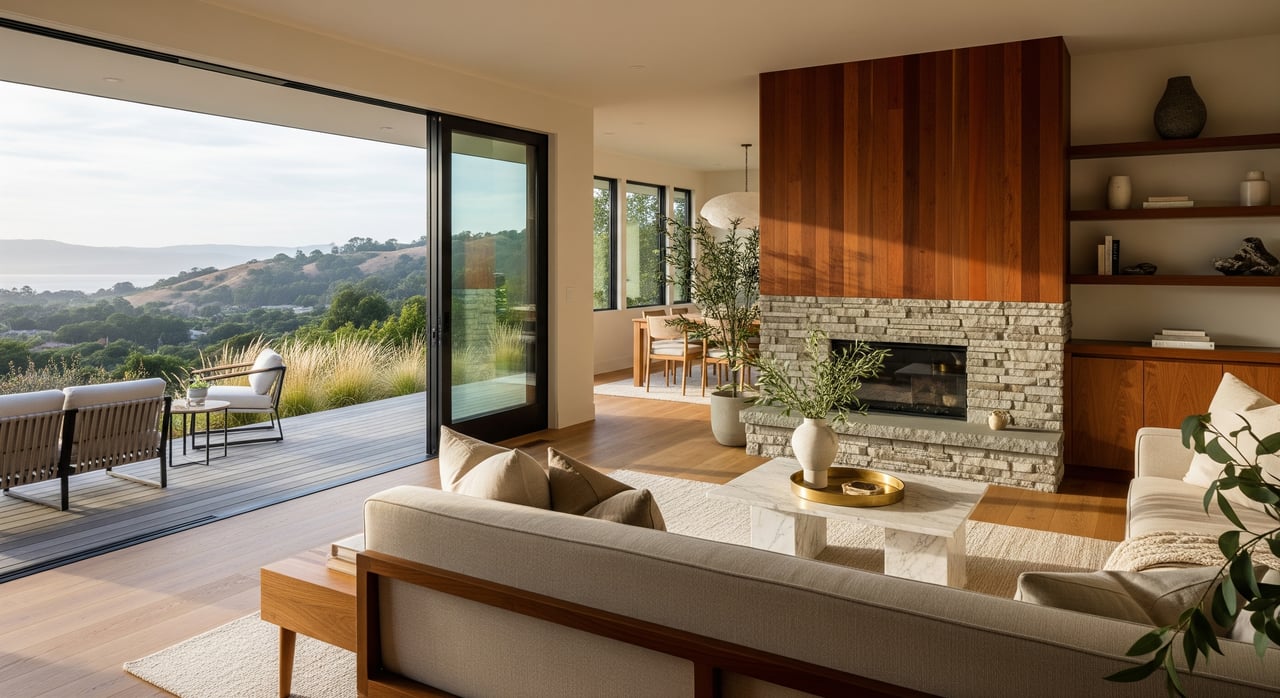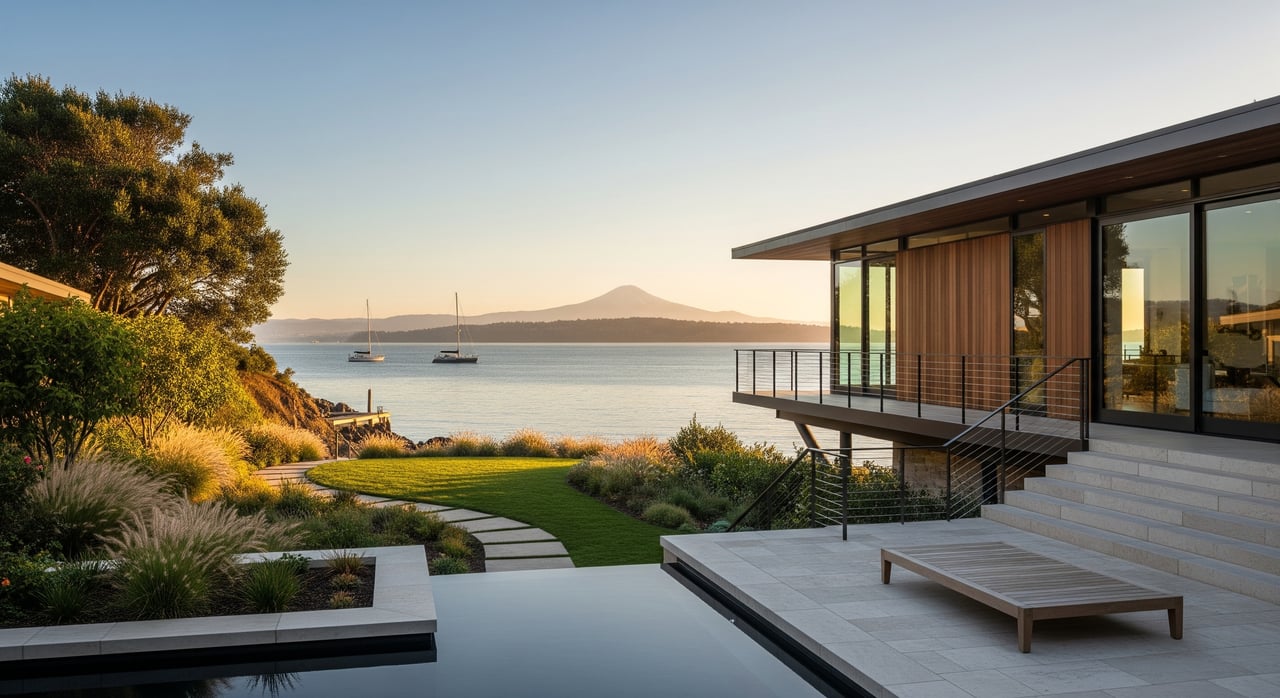
Thinking about buying or selling in Marin Country Club Estates—better known locally as “Country Club”—in South Novato? You’re not alone. This golf-course community has unique micro-market rhythms that don’t always match broader Novato or Marin County trends. In a neighborhood with relatively few sales—and specialized value drivers like single-level living, fairway views, and lot usability—one standout listing can meaningfully shift the numbers.
In this guide, you’ll learn how inventory cycles, days on market, and key premiums shape pricing here, so you can make confident decisions. Let’s dive in. ✅
Know the micro-market
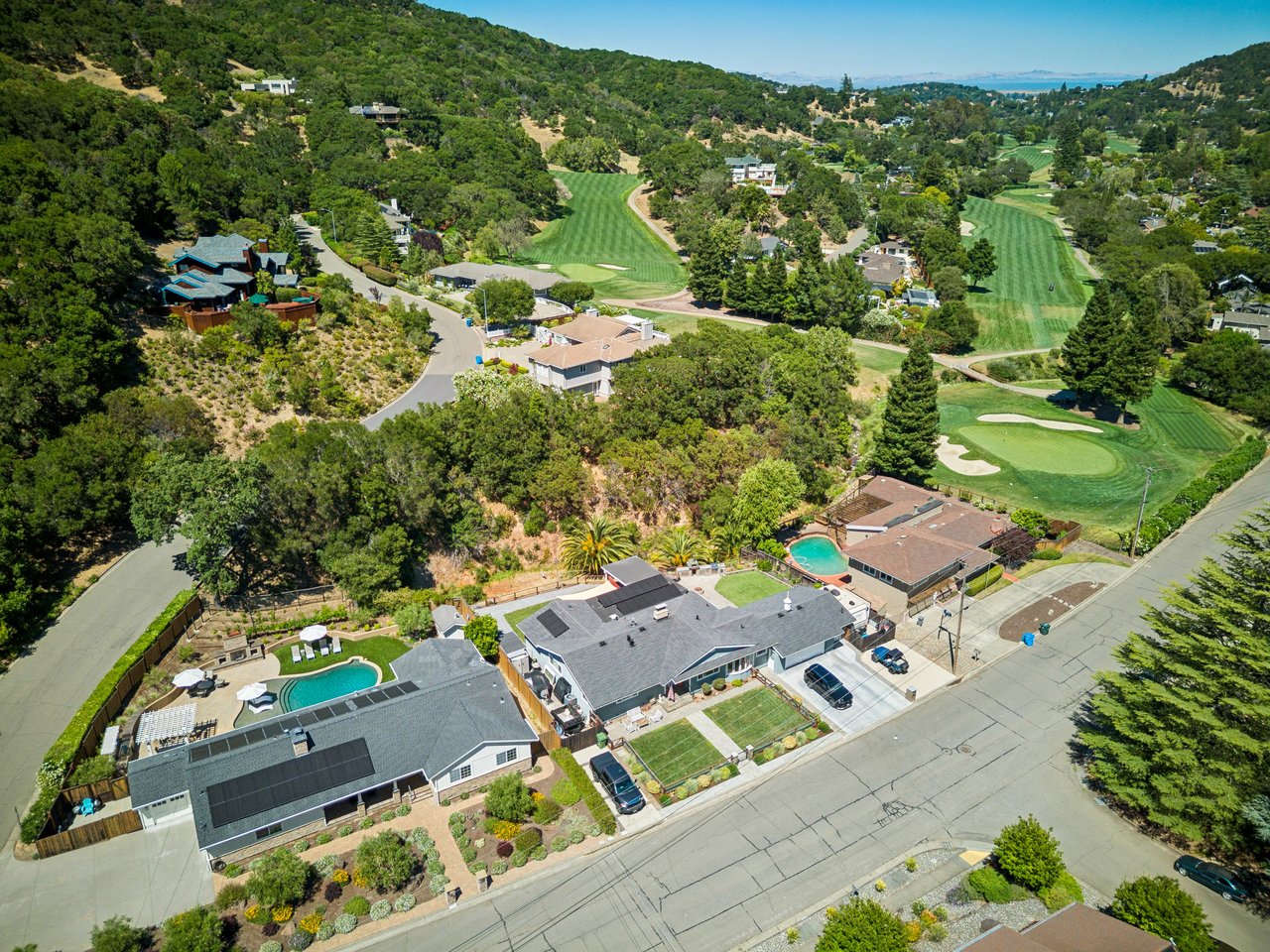
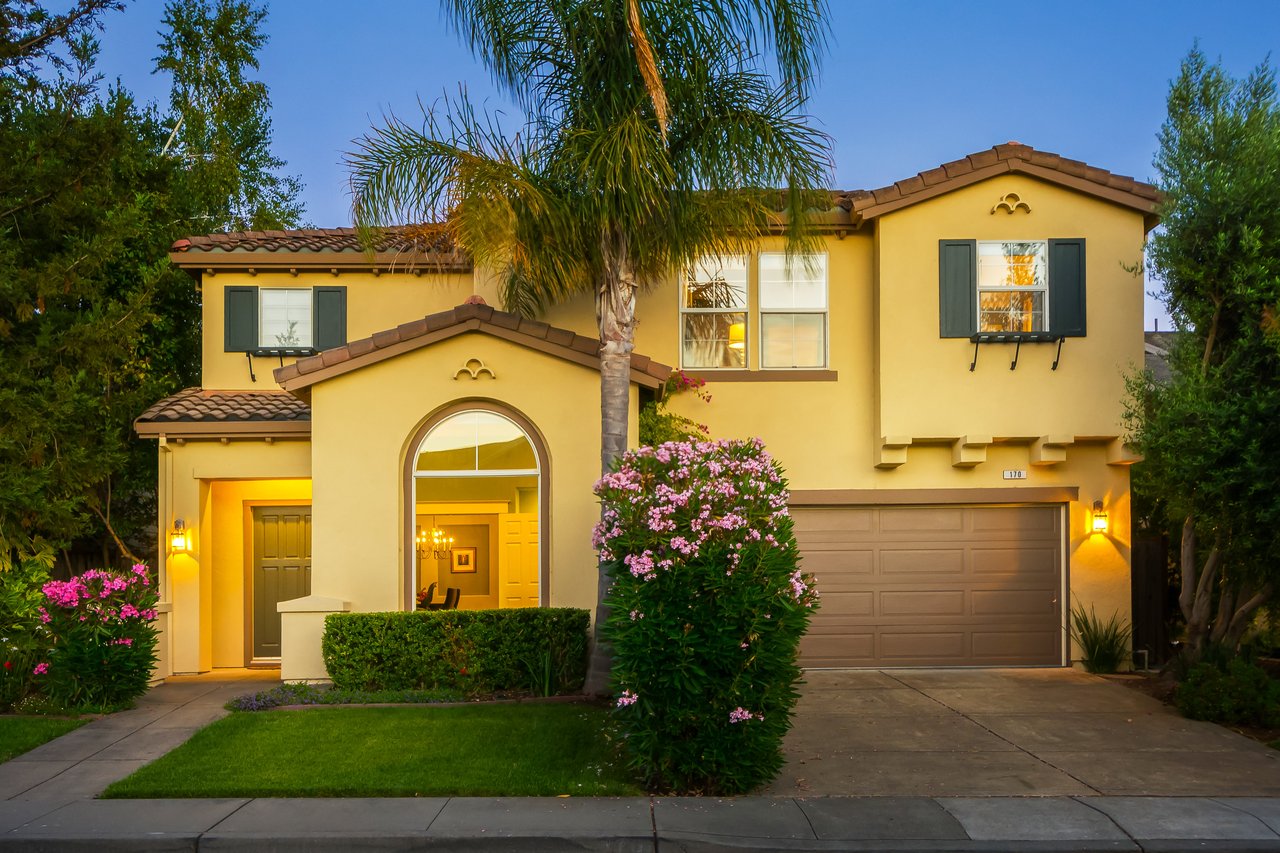
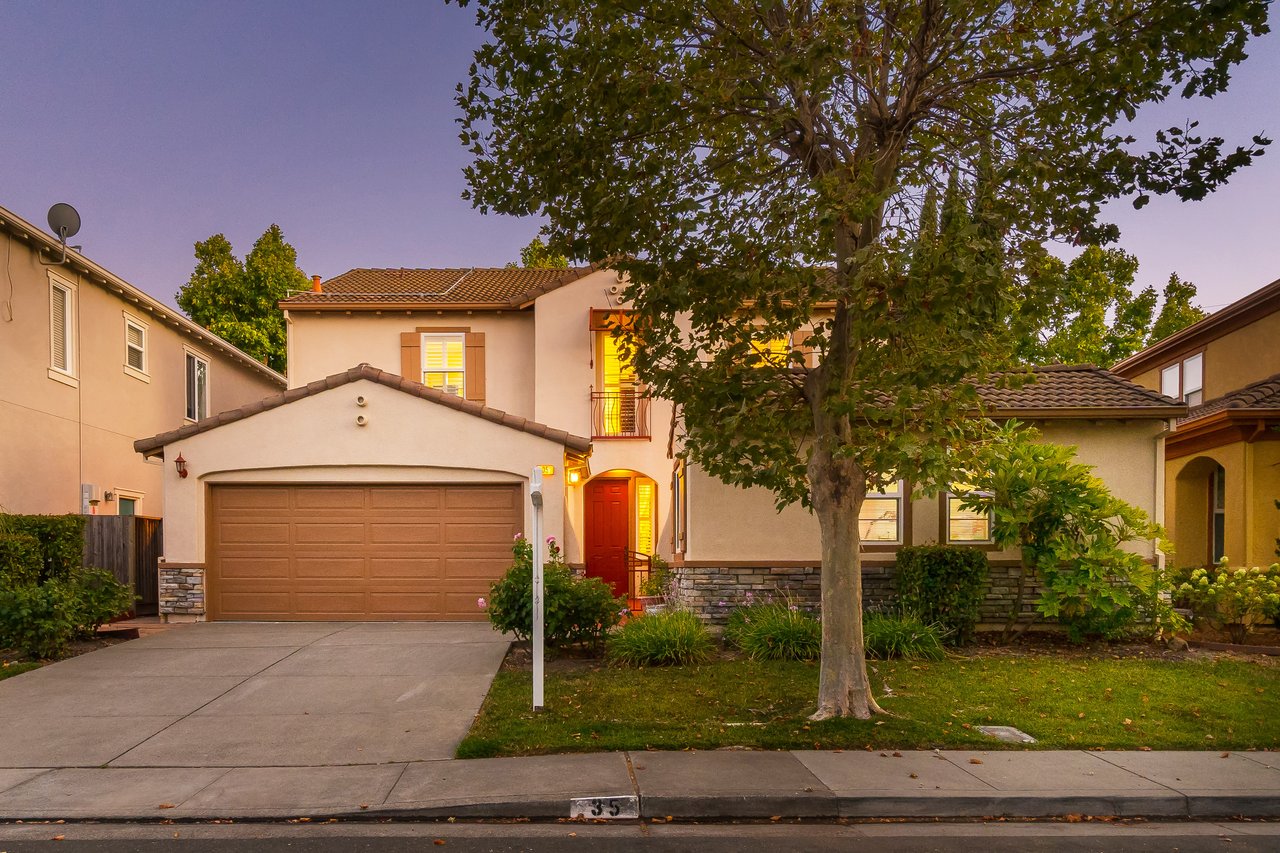
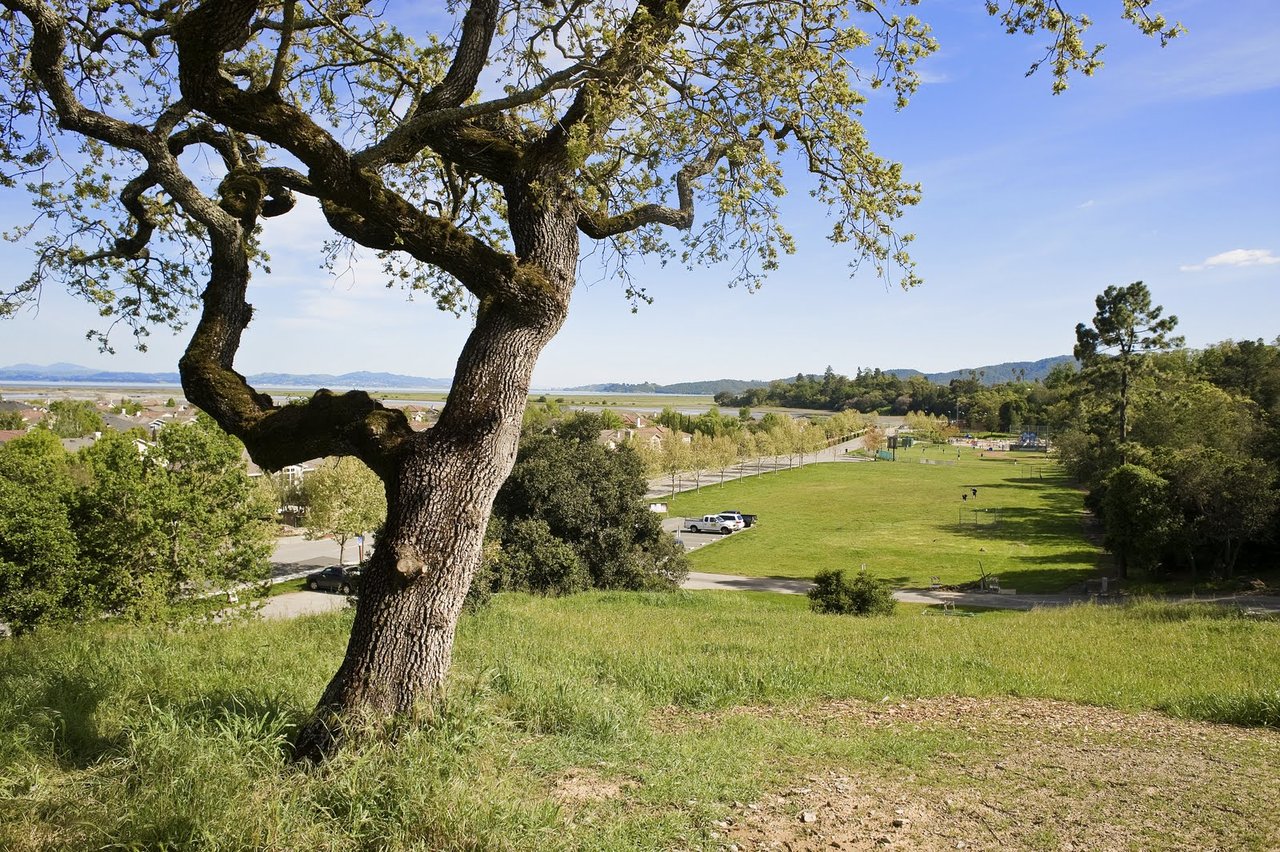
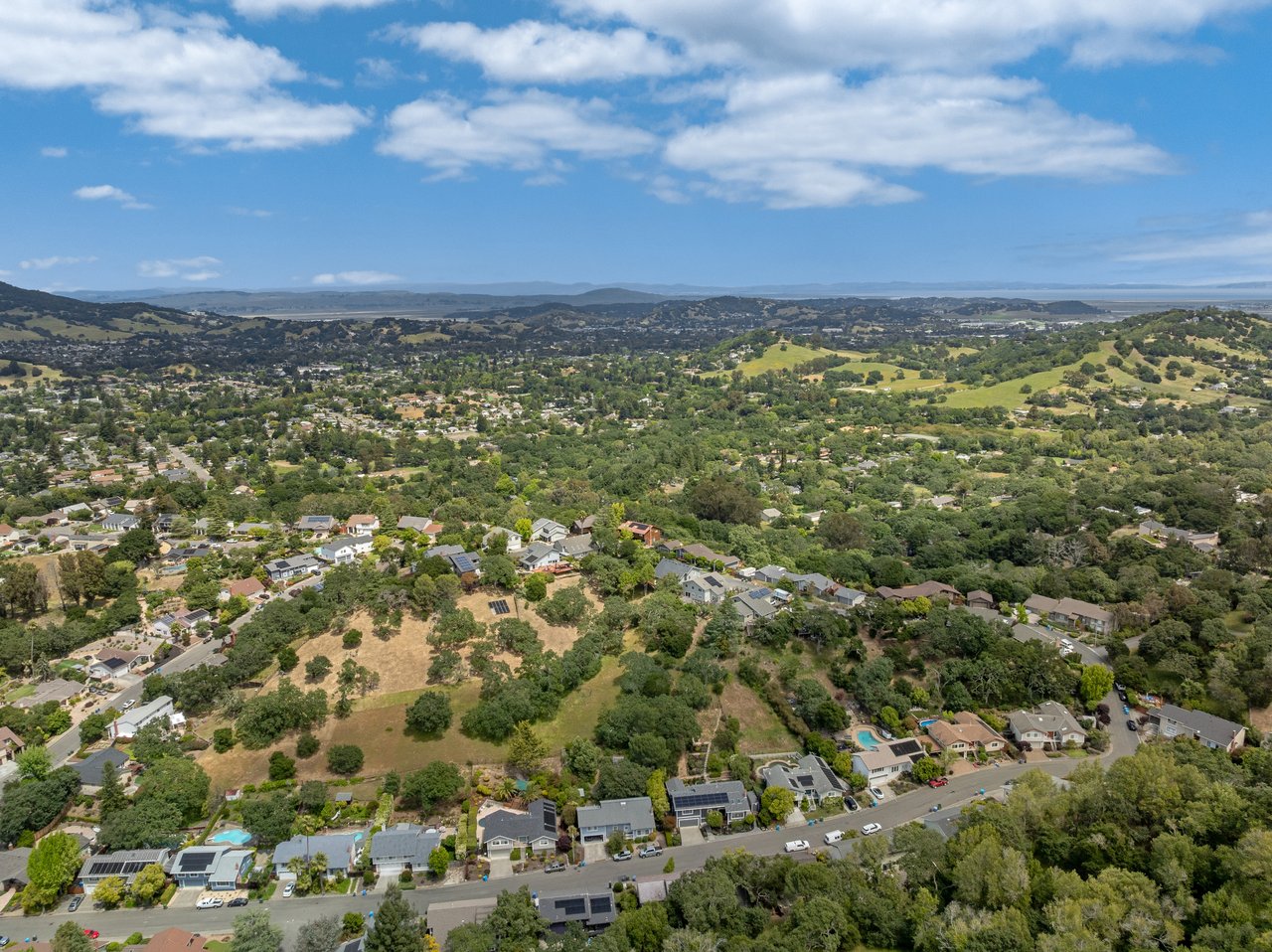
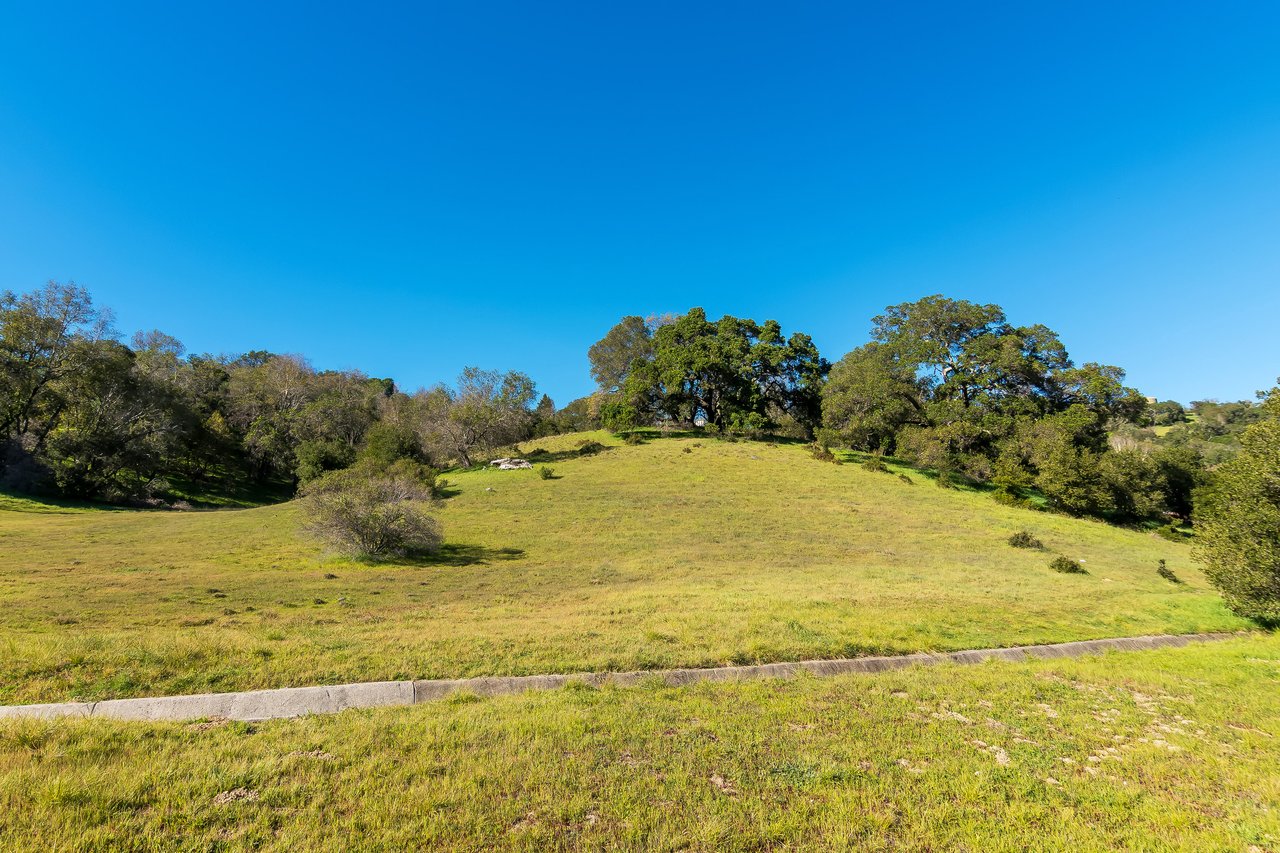
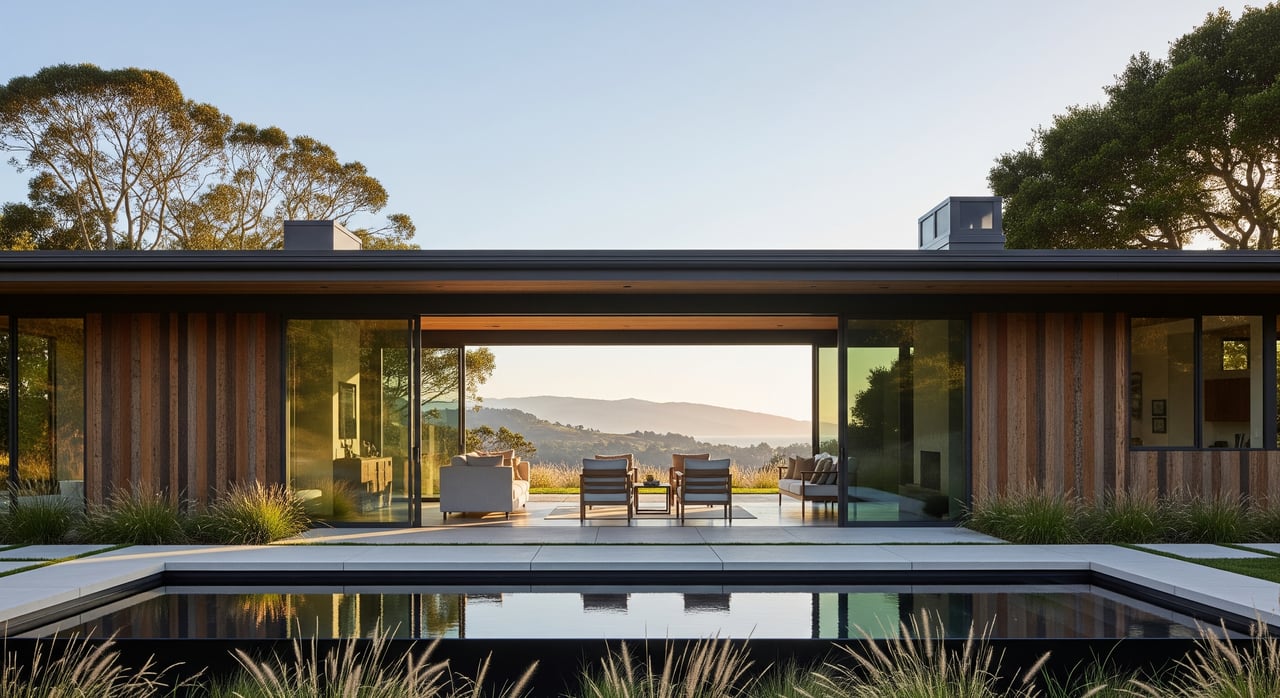
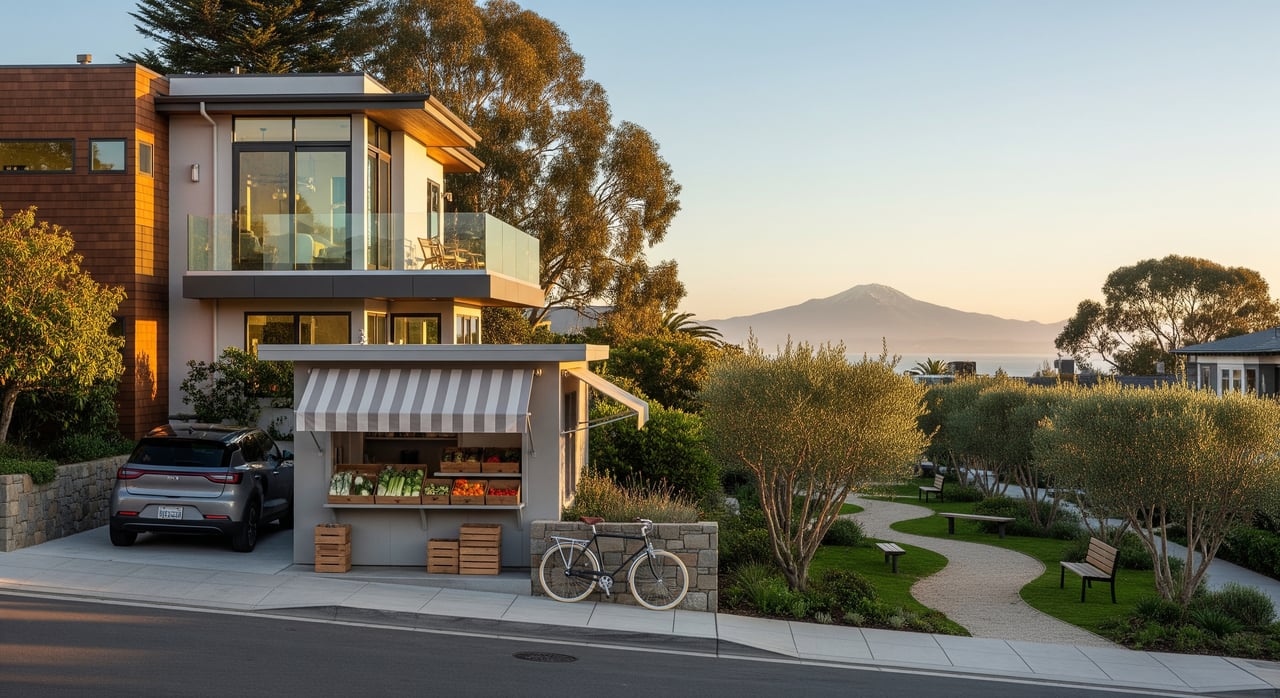
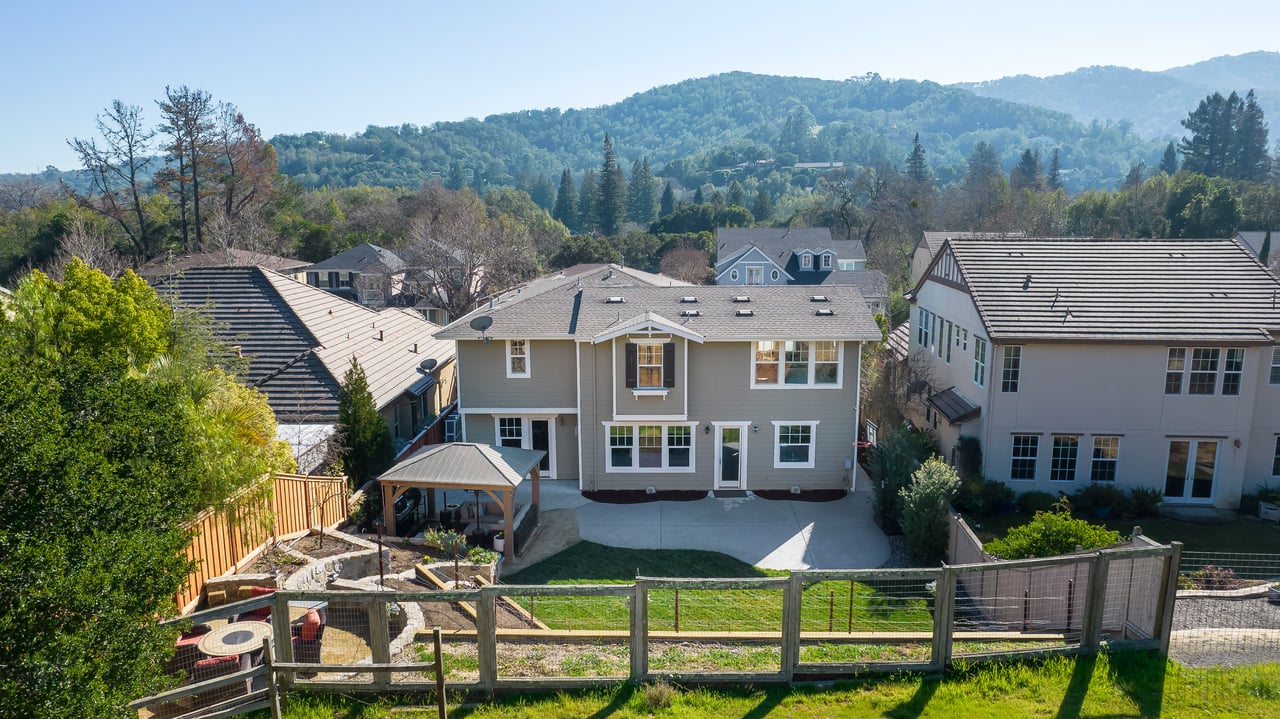
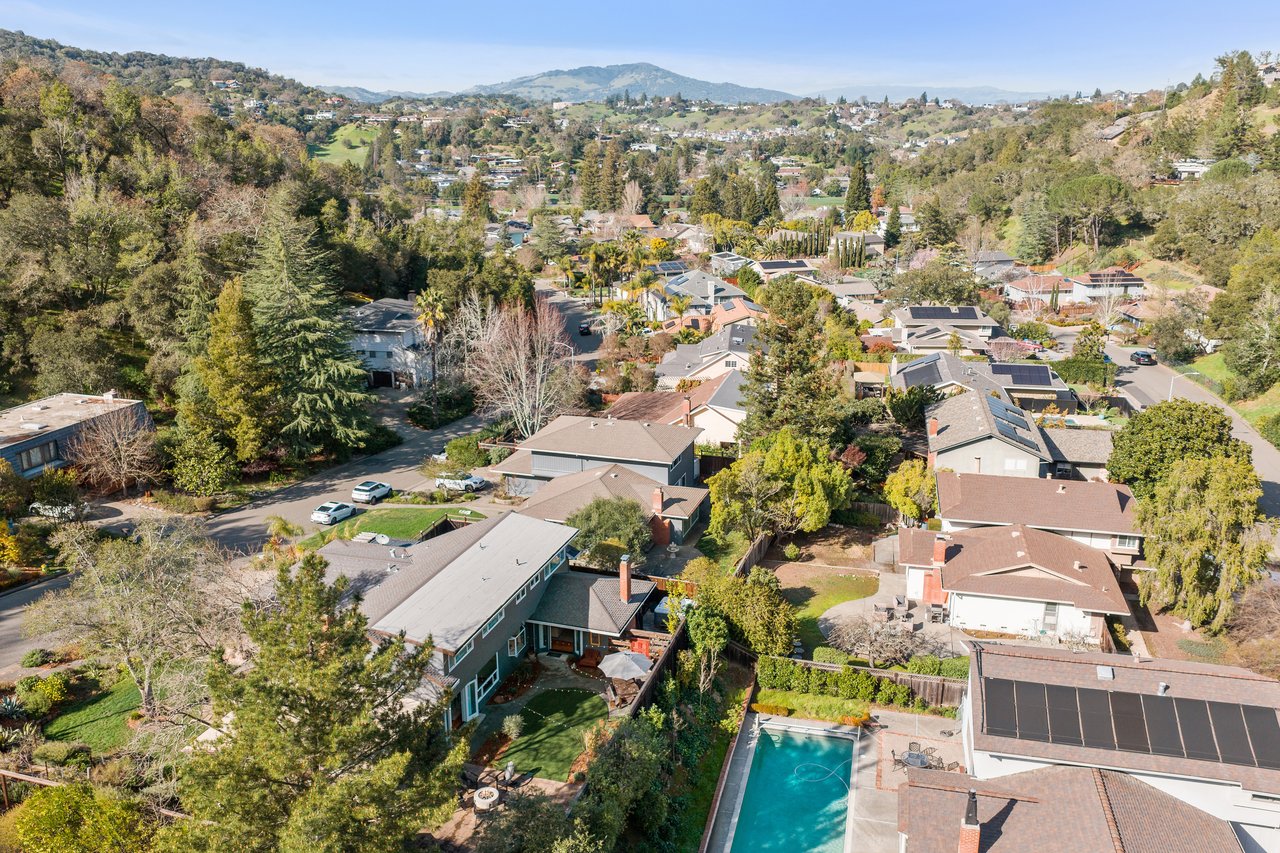
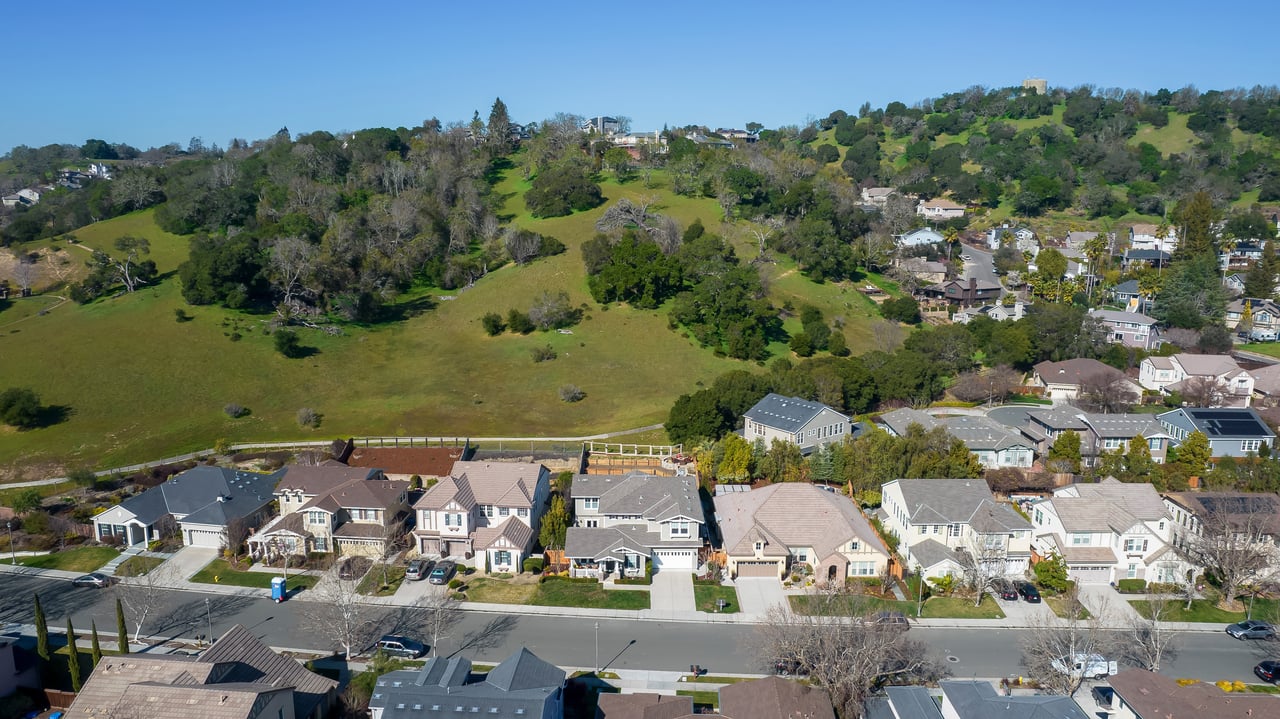
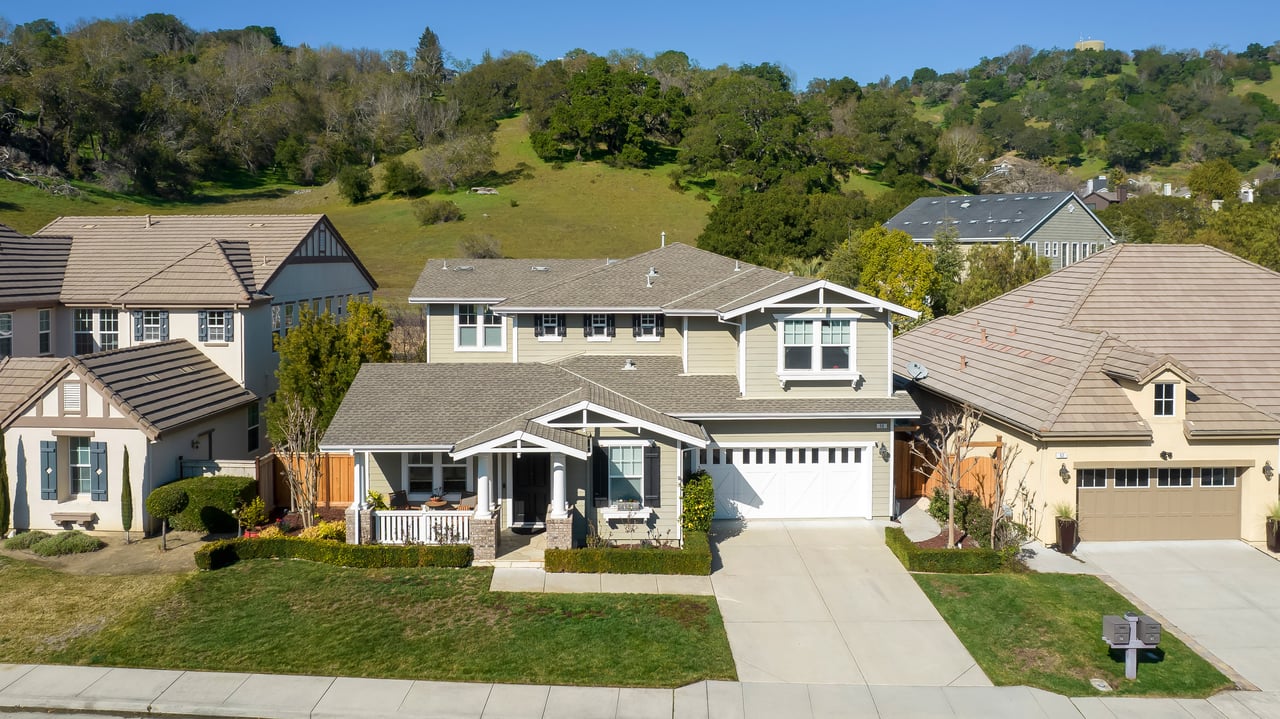
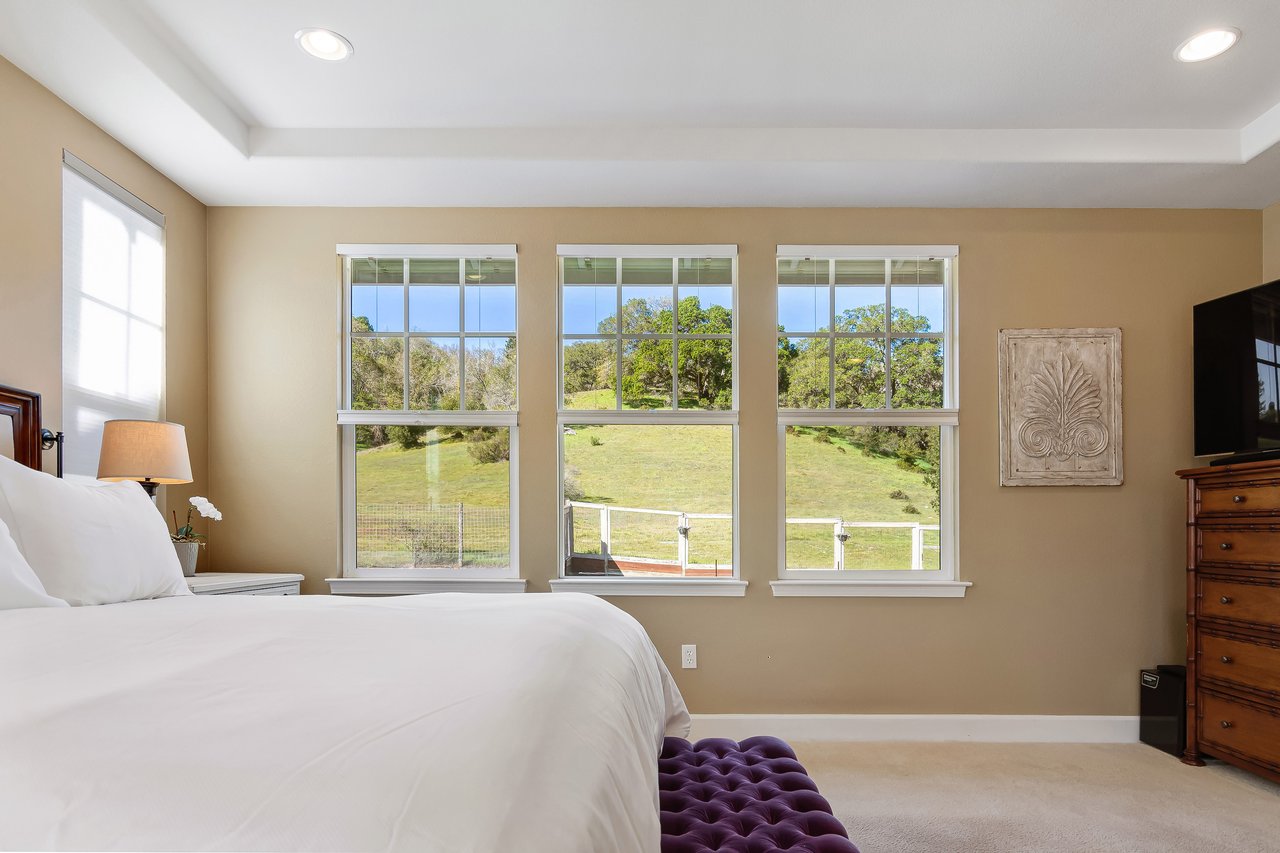
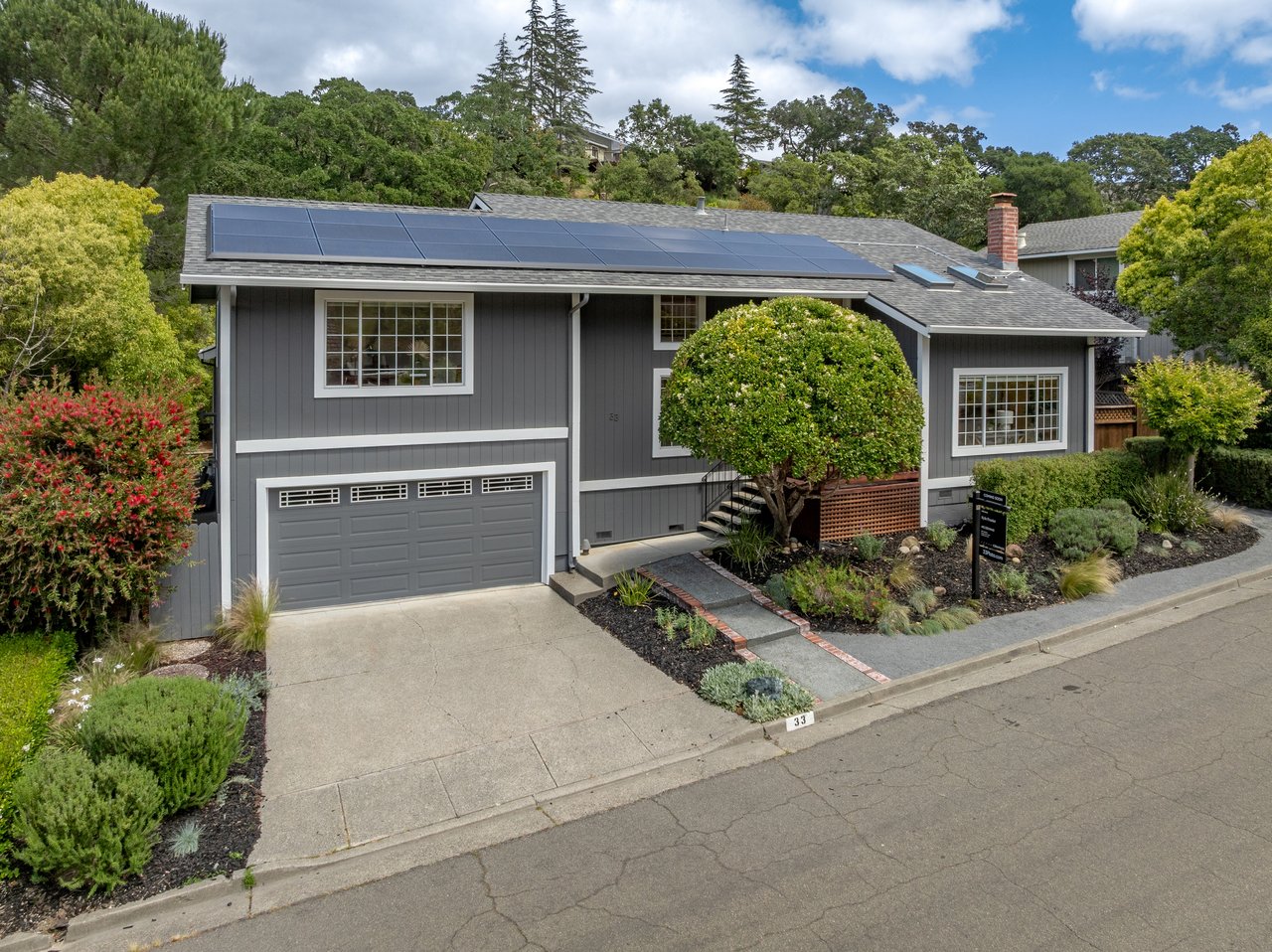
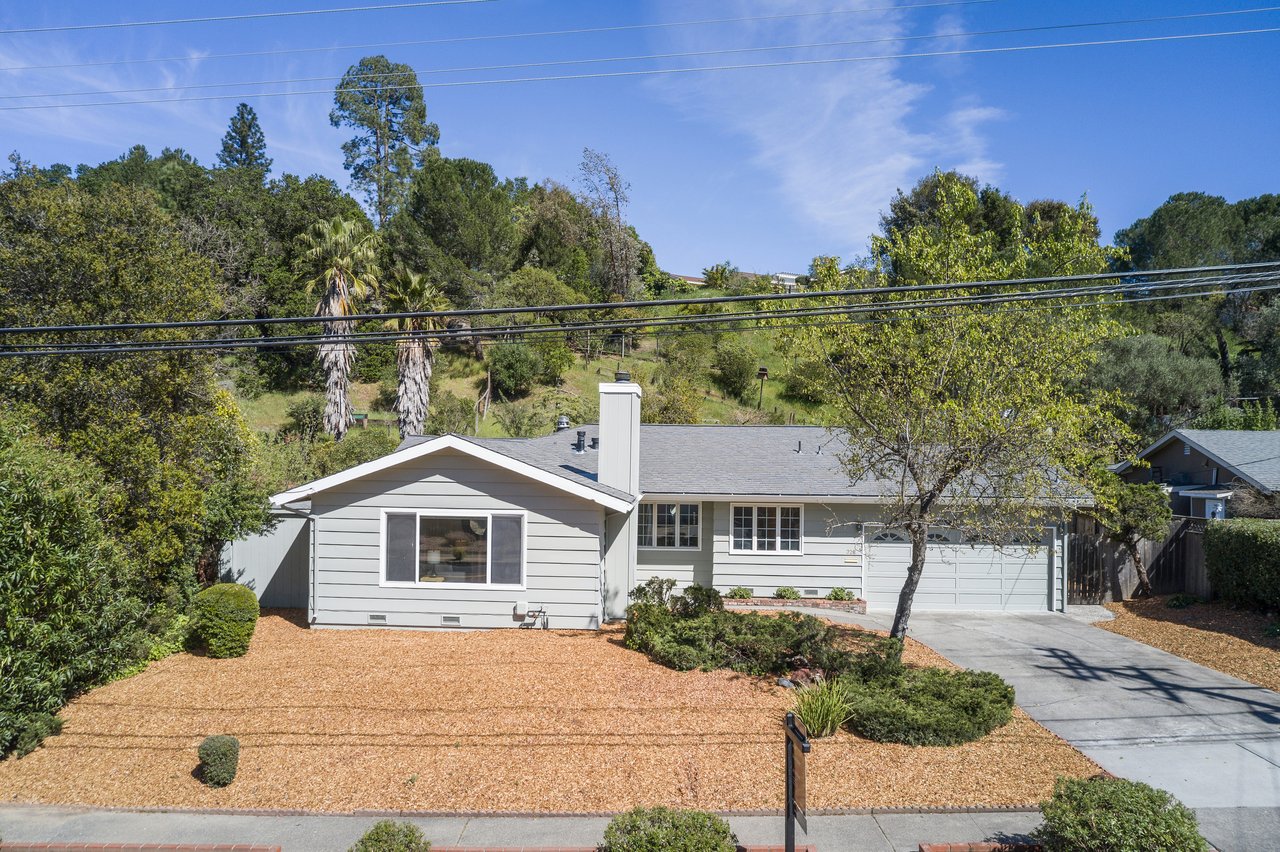
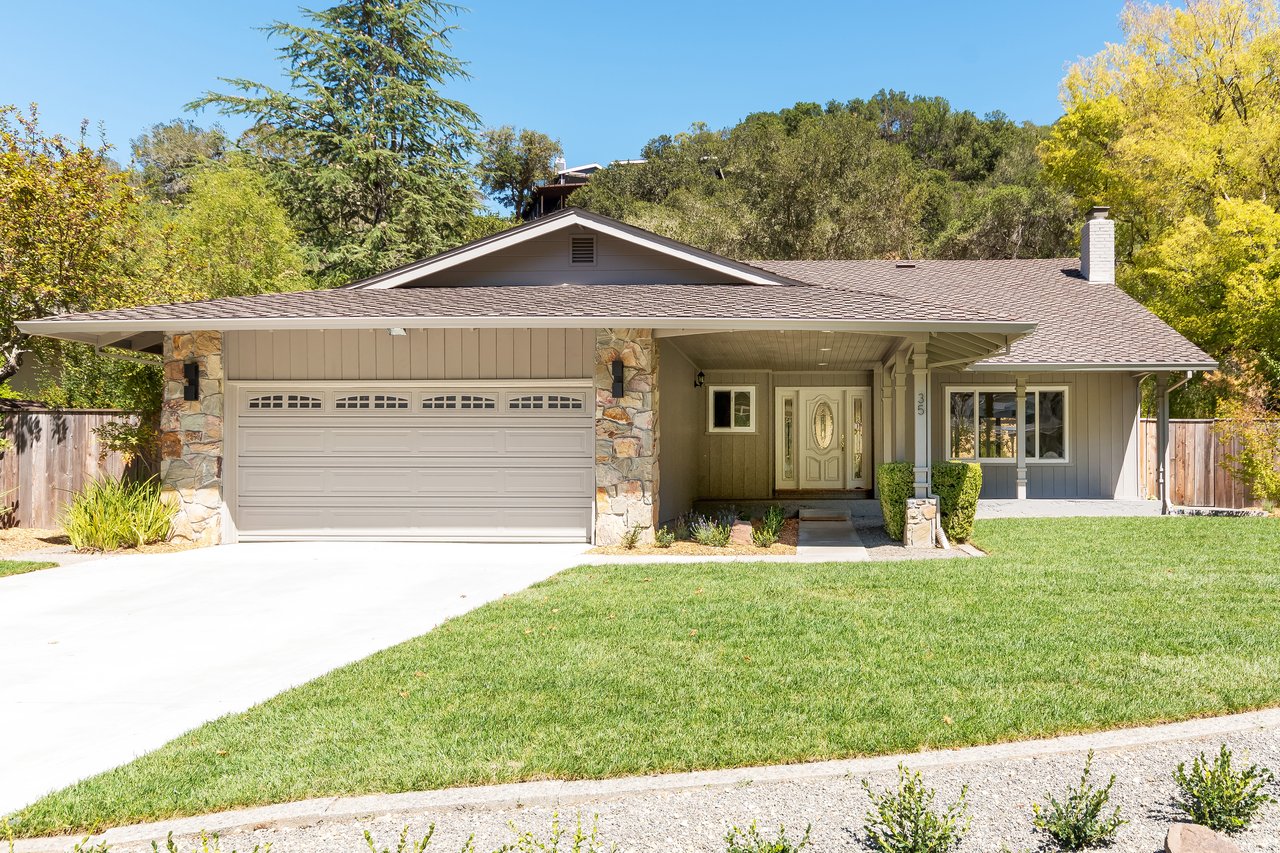
Marin Country Club Estates (“Country Club”) sits in South Novato, ZIP 94949, centered around the private Marin Country Club and its golf-course setting. The neighborhood is made up of single-family homes with a mix of single-level ranch-style homes and two-story homes, with select lots offering direct golf-course frontage and/or fairway views.
This neighborhood behaves like a true micro-market. That means prices and time-on-market can move differently than Novato citywide—or Marin County—because scarce, high-demand attributes can create outsized price differences. Here, what matters often goes beyond basic bed/bath counts.
🎥 Driving Tour — Marin Country Club Estates (Country Club), Novato 94949
If you want a quick feel for the streets, home styles, and layout, this driving tour is the fastest way to understand what ‘Country Club’ actually feels like.
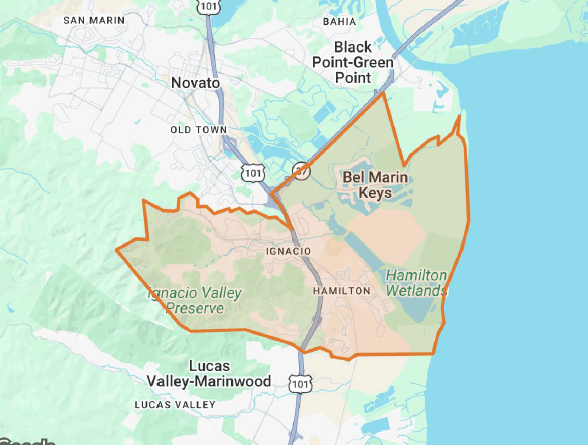
Location context and boundaries in plain English 🗺️
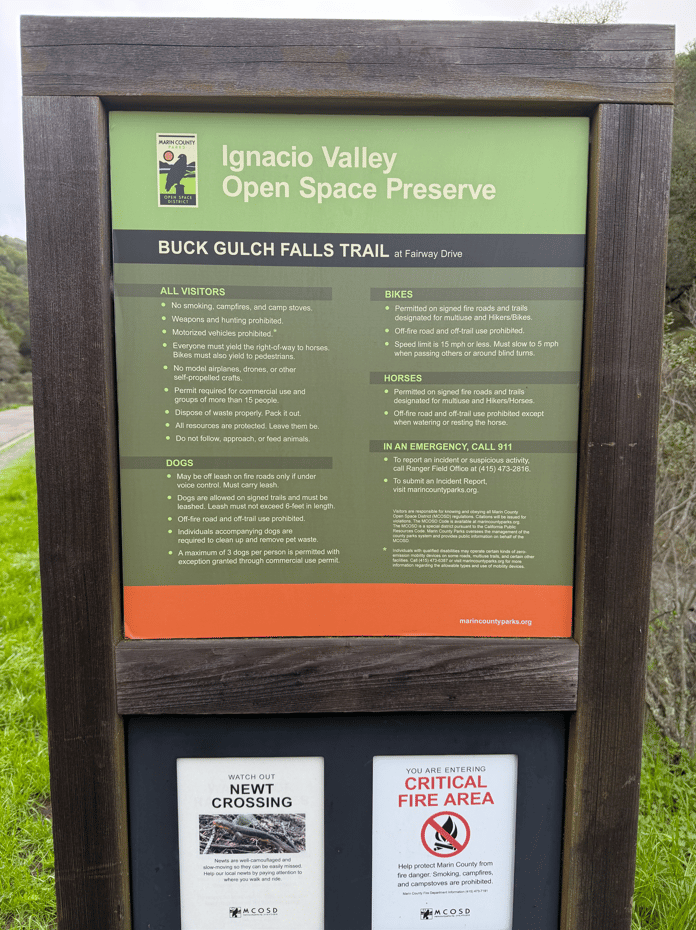
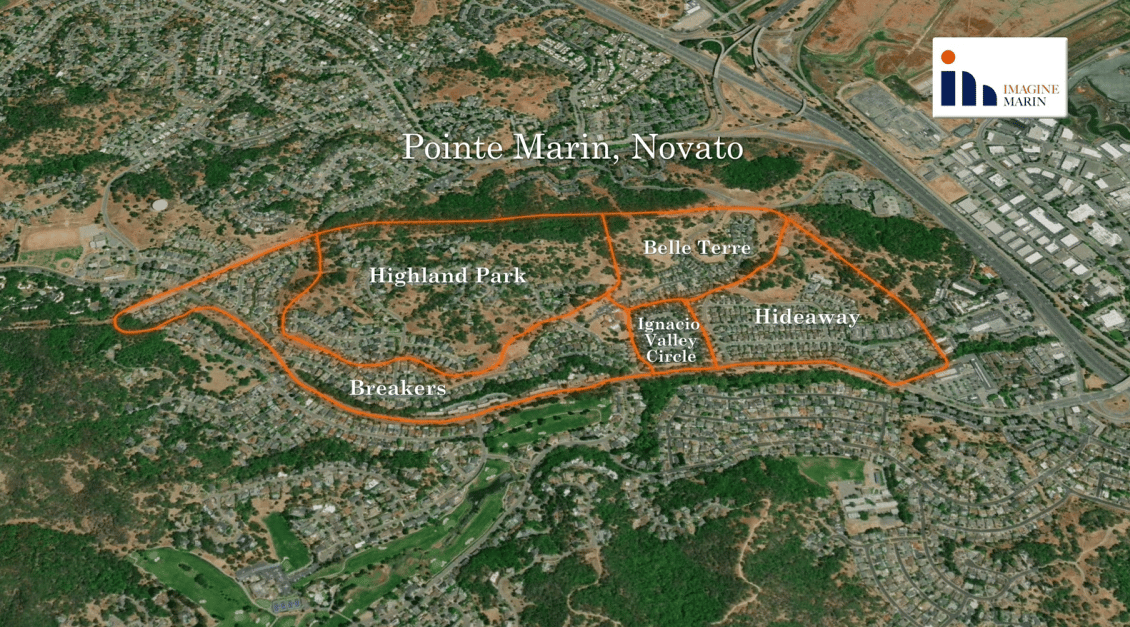
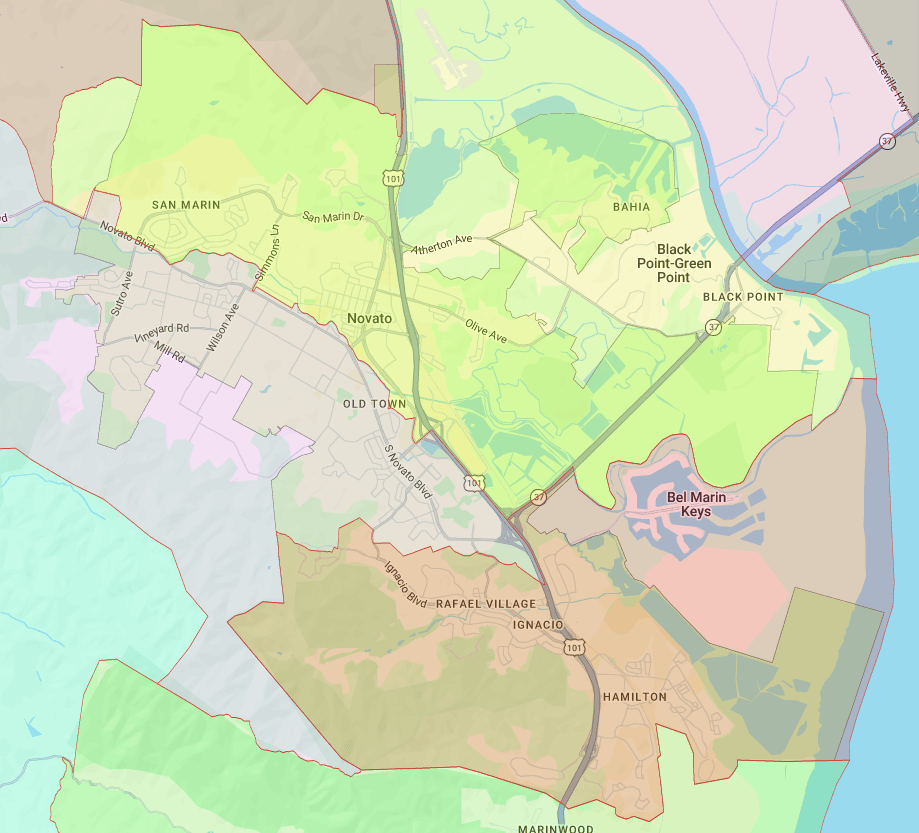
Country Club sits in the southern Ignacio area of Novato (94949). It’s commonly discussed alongside nearby South Novato neighborhoods because commuters and lifestyle buyers cross-shop them frequently. The neighborhood’s identity is strongly shaped by the golf-course setting, surrounding streets, and nearby everyday conveniences.
🎥 Where Is Marin Country Club Estates (Country Club) in Novato?
This quick location explainer helps you place Country Club within the broader South Novato / 94949 map.
What drives demand here (and why it can diverge from the wider market)
Buyer interest in Country Club is shaped by lifestyle and outdoor usability. Common buyer profiles include:
-
Local downsizers prioritizing single-level living
-
Golf / view buyers drawn to fairway proximity or vistas
-
Commuters wanting Marin quality-of-life with practical access
-
Privacy + yard buyers who value usable outdoor space and buffers
Because these needs are specific, the neighborhood can diverge from the wider market—especially in shorter time windows.
Inventory cycles and DOM signals 📈
Micro-markets follow seasonality, but small sample sizes amplify swings. Here’s what to expect and how to interpret it.
Seasonal patterns
-
Spring (March–May): More listings + more active buyers. Homes often sell faster and closer to list price.
-
Summer (June–August): Activity continues, but pace can ease with travel and schedule friction.
-
Fall (September–November): Fewer new listings; serious buyers remain. Pricing power depends on whether inventory builds.
-
Winter (December–February): Lowest supply and demand. Sometimes more negotiating room—but fewer options.
Why a few sales can move the averages
In a small pool, one exceptional sale (rare single-level + remodel + view) can skew medians and DOM. That’s why rolling 12–24 month context beats a one-month snapshot.
What the indicators usually mean
-
Shortening DOM + higher % of list price received → tightening, seller-favored period
-
Lengthening DOM + more active inventory → increasing buyer leverage
-
Low inventory + rising DOM → asking prices may be misaligned with demand (pricing problem, not demand problem)
🎥 Suggested video embed:
Country Club Market Update (as part of Novato Forecast -> skip to 5:43 for discussion of 'Country Club')
For the latest neighborhood-specific numbers (DOM, list-to-sale, and pricing pressure), this market update provides the freshest read.
Price bands and value drivers 💰
Prices here tend to cluster into bands, and your pricing strategy should start by identifying which band you’re truly in.
Common price bands (conceptual)
-
Entry band: Smaller homes and/or more dated condition (still single-family)
-
Mid band: Typical 2–3 bedroom homes (often ~1,800–2,800 sq ft, depending on the home)
-
Upper band: Larger homes, major remodels, standout lots, or meaningful views/frontage
Within a tight dataset, price per square foot inside the correct band can be more useful than broad neighborhood averages.
Key premiums to watch (the big ones)
- Golf-course frontage: Can lift value—but it’s nuanced (benefit vs. golf-ball exposure / activity).
-
Single-level living: Often sells faster and stronger—especially when condition and layout are right.
- Views: Wide fairway vistas and open outlooks can command real premiums because they’re not replicable.
-
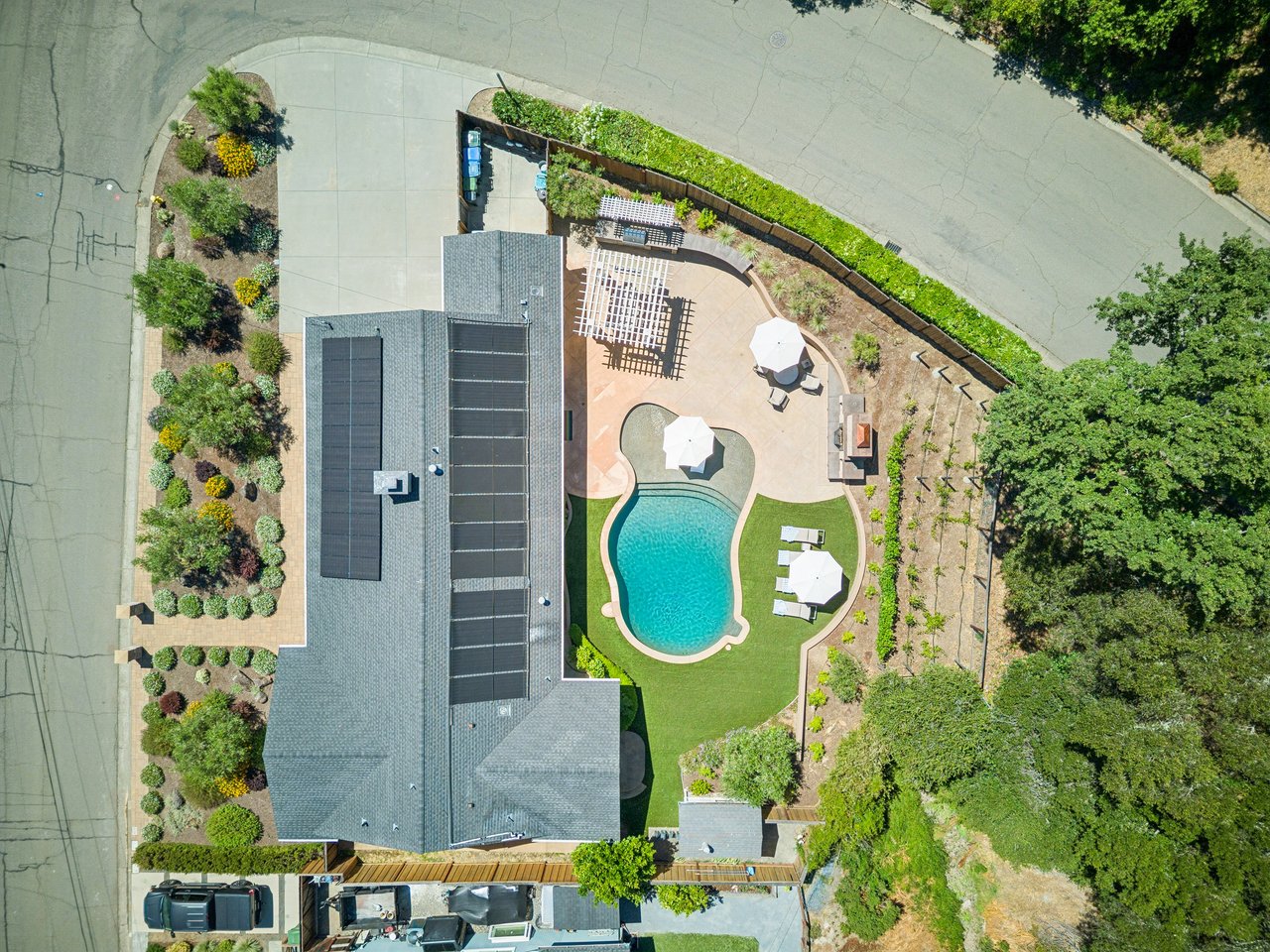
Lot usability: Flat, fenced, functional outdoor space often matters more than raw lot size.
-
Privacy + landscaping: Buffers, mature trees, and limited neighbor visibility are frequent value drivers.
-
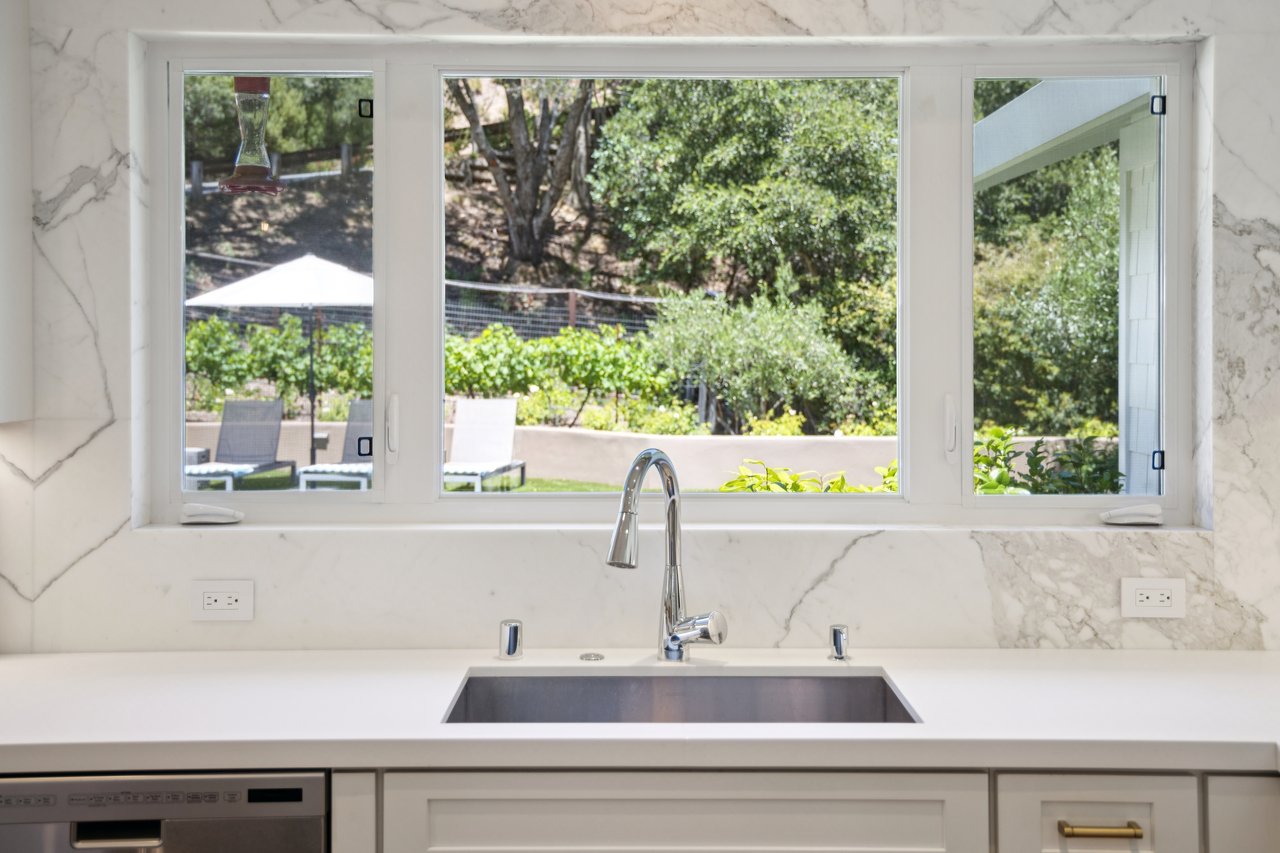
Turn-key condition: Updated kitchen/baths + clean finishes + strong outdoor living = faster sale + higher $/sf.
-
Functional features: Garage capacity, suite count, flow, and meaningful upgrades.
Common detractors
-
Steep or narrow yards that limit usability
-
Road exposure or limited privacy
-
Deferred maintenance / dated condition that triggers immediate projects
-
Constraints that limit future improvements (verify specifics for any property)
Ownership cost reality check 🧾
There is no HOA in Country Club. The main ownership costs to factor beyond your mortgage are the usual items—property taxes, insurance, utilities, and maintenance—plus any optional lifestyle choices.
Club membership is separate. Living in the neighborhood does not automatically equal membership, and membership terms/fees are their own due diligence item.
How to read current momentum (what we actually watch)
To reduce noise and spot real shifts, focus on measures that smooth out outliers:
-
Rolling 12–24 month days on market
-
% of list price received, especially for homes that sell quickly (first ~14–30 days)
-
Months of supply (active inventory ÷ recent sales pace)
-
Active vs. sold DOM (if actives sit longer than recent solds, it often signals overpricing)
-
Attribute breakouts: single-level vs. two-story; frontage vs. non-frontage; remodeled vs. not
Also: public portals can lag or mislabel features—anchor conclusions in MLS data and verified property records whenever possible.
Buyer playbook for Country Club ✅
If you want to win here, focus on the attributes that matter and be ready to move when the right one hits.
-
Define must-haves early. Single-level vs. two-story, yard usability, privacy, view… decide your trade-offs.
-
Get financing locked. Strong terms can beat a slightly higher price in a low-inventory pocket.
-
Time your search strategically. Spring brings choice; late fall/winter can bring leverage (but fewer listings).
-
Inspect what matters here. Drainage/slope, foundation/roof, outdoor usability, and course-adjacent considerations.
-
Use paired comps. Compare size/condition first, then adjust for one major difference at a time (view, single-level, frontage).
-
Move fast on the right fit. Rare attributes often trigger multiple offers.
Seller strategy that works here 🏡
Micro-markets reward disciplined prep and precision pricing.
-
Price to the attribute—not citywide averages. Use paired sales to quantify view/frontage/single-level/remodel premiums.
-
Prepare for the buyer you want. Eliminate “obvious” deferred maintenance; upgrade high-impact areas (kitchen, baths, outdoor living).
-
Launch like you mean it. Staging + polished media are non-negotiable when privacy, yard feel, and views drive value.
-
Time the debut. Spring has the most buyers, but rare homes can win any season if competition is light.
-
Negotiate with a plan. Watch early feedback patterns; adjust fast if the market tells you you’re off.
-
Document the value. Provide comp logic that supports your price for appraisal and buyer confidence.
Compare to nearby markets (for better decision-making)
Benchmarking helps separate neighborhood dynamics from macro trends. Compare Country Club against:
-
Novato 94949 overall (same ZIP, different micro-markets)
-
Marin County (rate-driven shifts and broader sentiment)
-
Other golf-oriented communities buyers cross-shop
🎥 Marin Country Club Estates (Country Club) vs StoneTree — How They Compare
This comparison is useful because many buyers cross-shop these two golf-adjacent lifestyle options in South Novato.
What I’m watching right now 👀
Because a handful of transactions can change the picture, the most telling signals tend to be:
-
Rolling DOM down + % of list price up → demand tightening
-
Months of supply falling below recent norms → seller advantage
-
More price reductions + longer active DOM → overpricing or cooling
-
More sales in the upper band → could be inventory mix (remodels/views) rather than a true market jump
When numbers move, the key is separating true trend from one-off outliers by checking matched sales and attribute-level comps.
Ready for a clear plan?
If you want a clear plan for buying or selling in Country Club, reach out. We pair hyper-local analysis with platform-powered marketing and disciplined negotiation—so you’re not guessing in a micro-market.
FAQs
Is Marin Country Club Estates the same thing as Marin Country Club?
Not exactly. Marin Country Club Estates (“Country Club”) is the neighborhood. Marin Country Club is the private club within/adjacent to the community.
Is club membership required to live in Country Club?
No—membership is a separate decision with its own terms, fees, and availability.
Does Country Club have an HOA?
No—Country Club does not have an HOA.
When is the best time to buy in Country Club?
Late fall and winter can bring more negotiating room with fewer listings, while spring brings more choices. Track months of supply and % of list price received to fine-tune timing.
How much does golf-course frontage add here?
It depends on view quality, lot orientation, and buyer preferences - generally, you can expect ~15% premium (more if the home is single level). The best way to estimate the premium is paired sales that control for size and condition.
Do single-level homes sell for more here?
Often, yes—single-level can command a premium and shorter market times.
What inspections should buyers prioritize near the course?
Drainage/slope and outdoor usability, roof/foundation condition, and course-adjacent considerations (including potential golf-ball exposure).
Contact
Kyle Frazier | Imagine Marin | Compass
📞 (415) 350-9440 | ✉️ [email protected]
Maria Sandberg | Imagine Marin | Compass
📞 (415) 407-5749
Kyle Frazier DRE 01405738; Maria Sandberg DRE 02173812