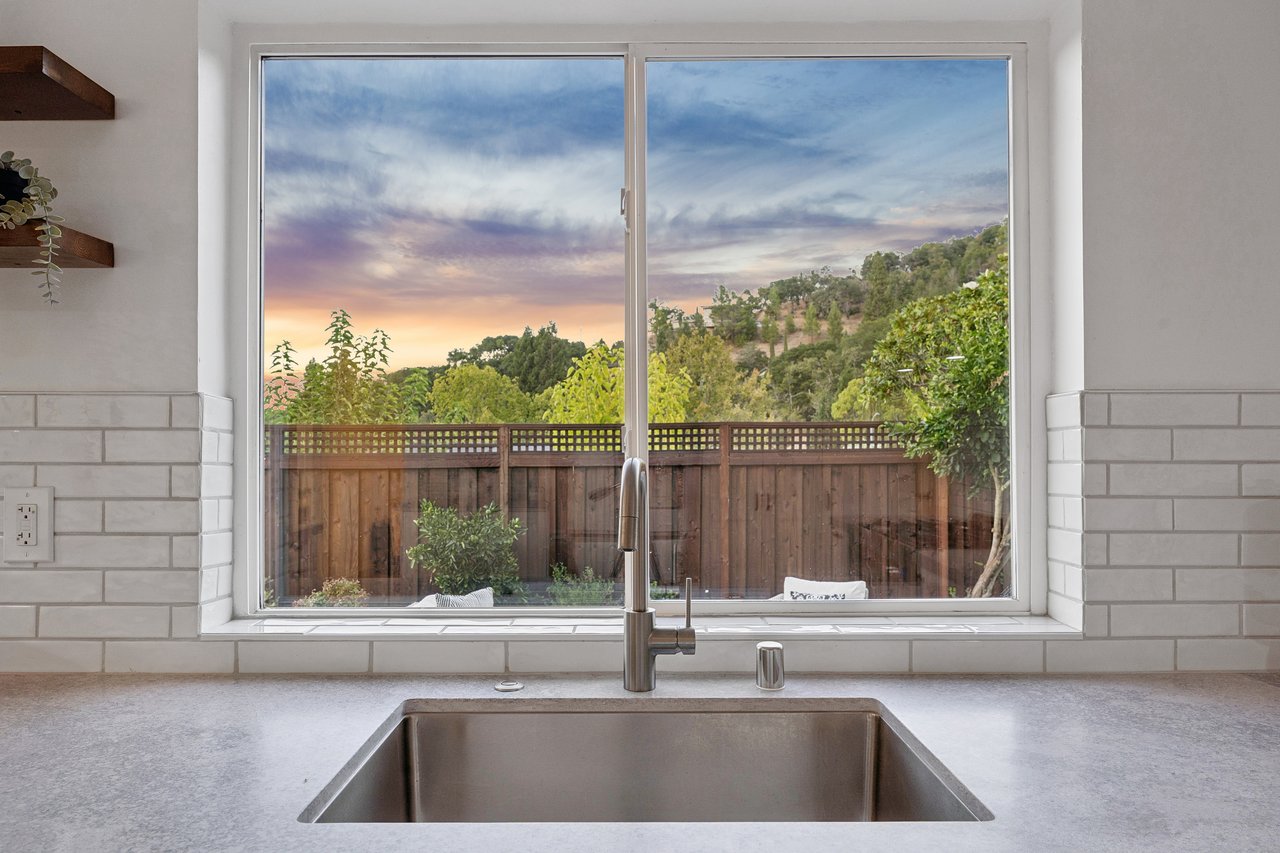
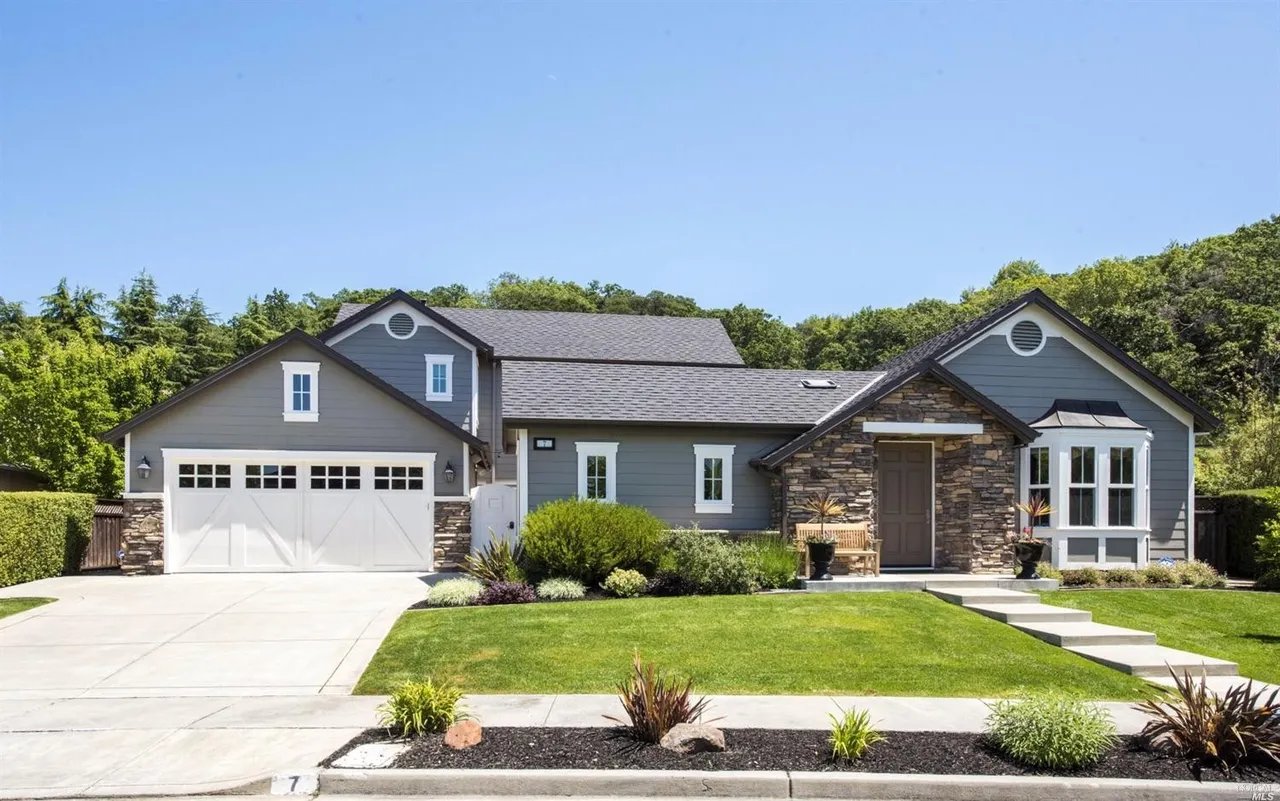
17 Carnoustie Drive, Novato: The Fenced Front Yard in Marin Country Club Estates
- Kyle Frazier
- 09/27/26
A fully fenced front yard, a 2026 kitchen, and a one-minute golf cart ride to the club gate. Inside 17 Carnoustie Drive, Marin...
Read MORE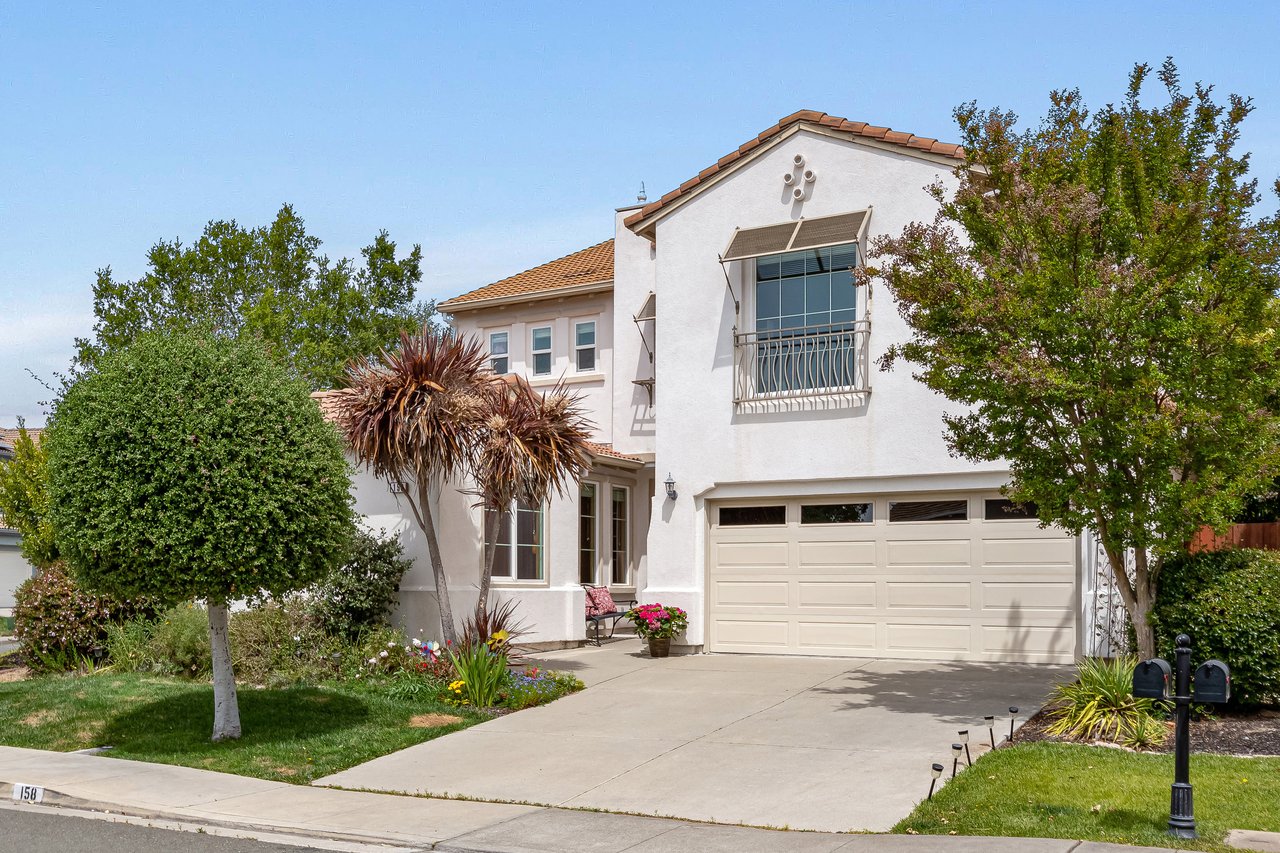
Hamilton Field's Fall Calendar, Corrected: When the Pool Really Closes, the Pumpkin Patch, and Where the Artists Open
- Kyle Frazier
- 09/24/26
Hamilton Field keeps two calendars that never compare notes. The fall 2026 version, corrected: pool closing, pumpkin patch, ope...
Read MORE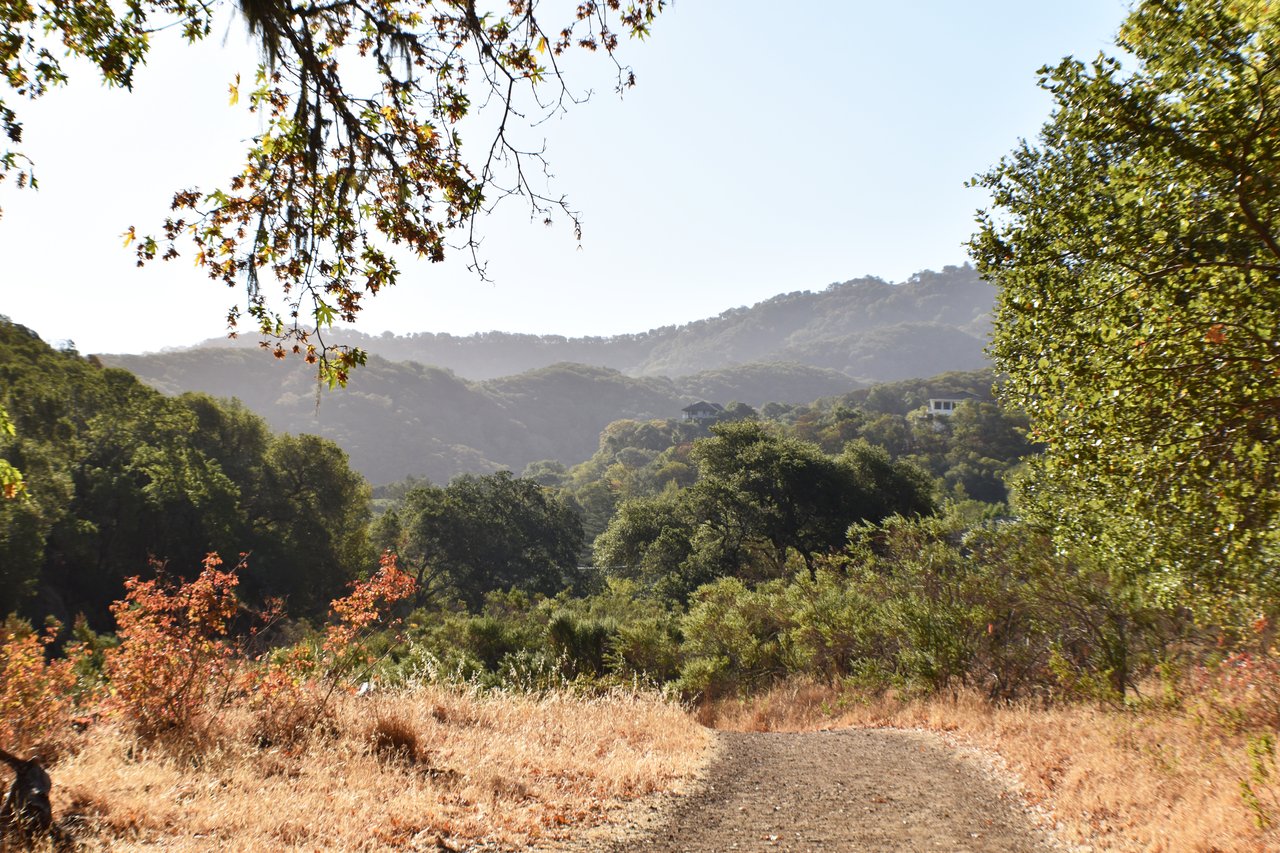
One Storm, Two Seasons: What the First Fall Rain Turns On in Novato's Indian Valley
- Kyle Frazier
- 09/17/26
I live off Ignacio Boulevard, and one storm flips its last mile from farm stand to waterfall, newts and planting season. Here's...
Read MORE
Bel Marin Keys Beyond the Docks
- Kyle Frazier
- 09/17/26
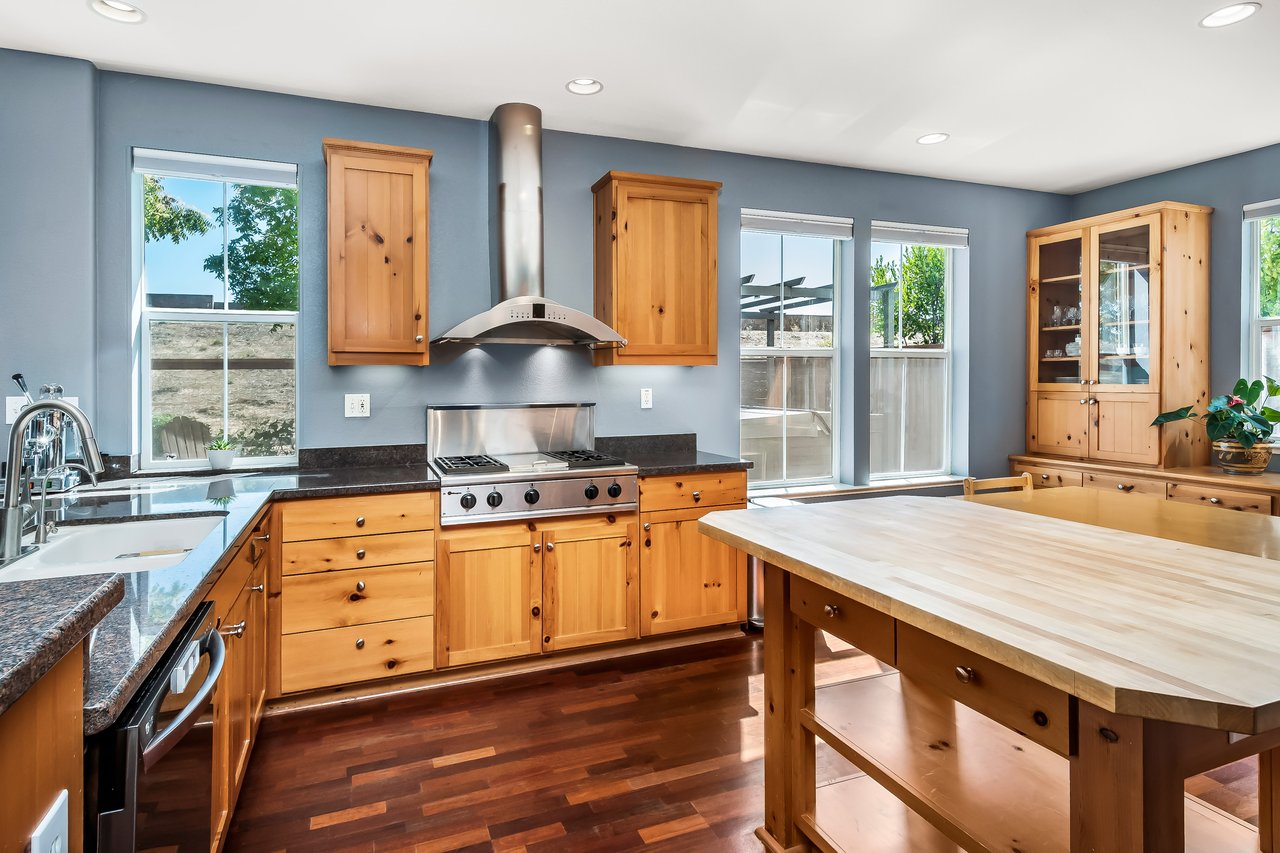
Bel Marin Keys runs on more than boats: the Community Center, the Yacht Club's land-side calendar, and the parks committee deci...
Read MORE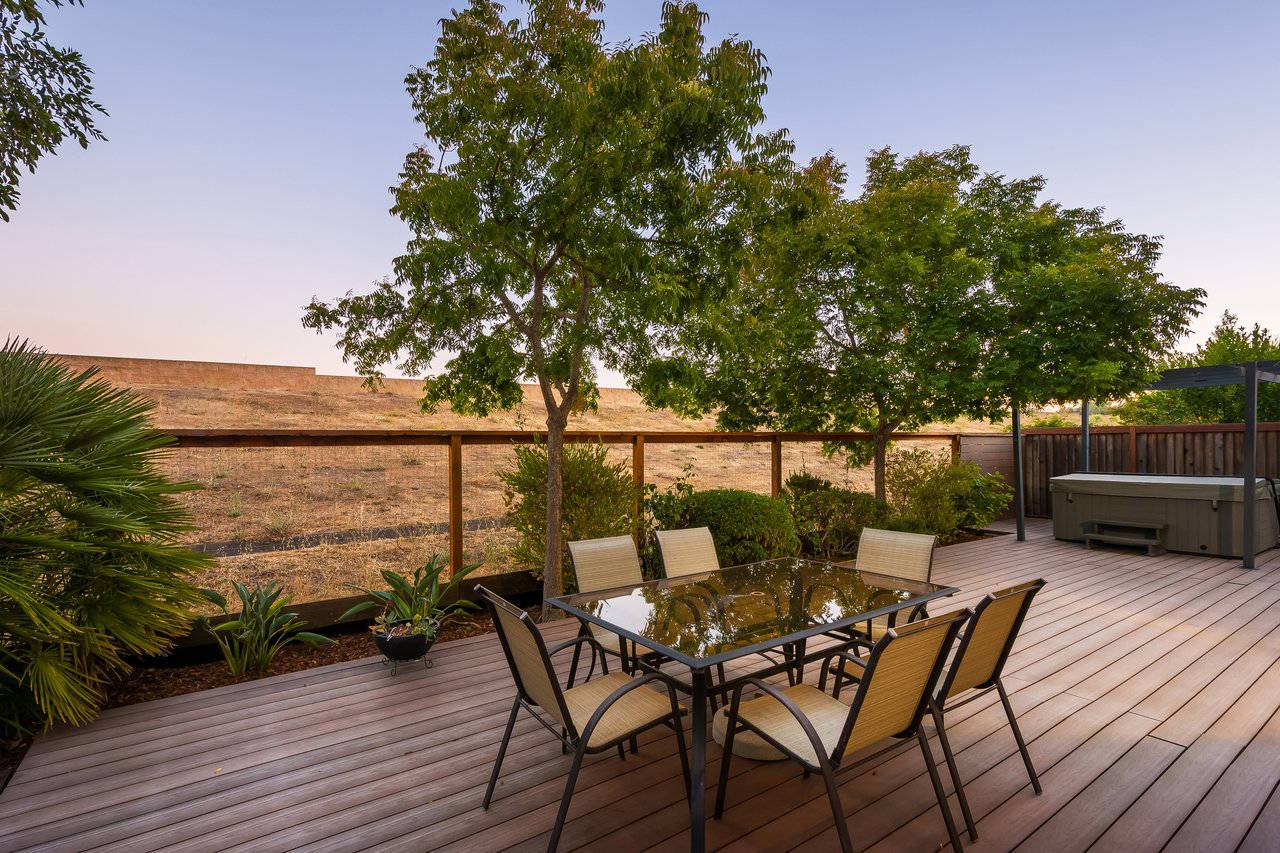
The Novato Appraisal Gap: Why Winning the Bid Is Only Half the Deal
- Kyle Frazier
- 09/10/26
Hamilton Field Has Two Approval Systems, and Only One of Them Cares How Old Your House Is
- Kyle Frazier
- 09/10/26
I sold The Landing's 29 homes inside this association's rules. The historic label on Hamilton listings is mostly noise; the HOA...
Read MORE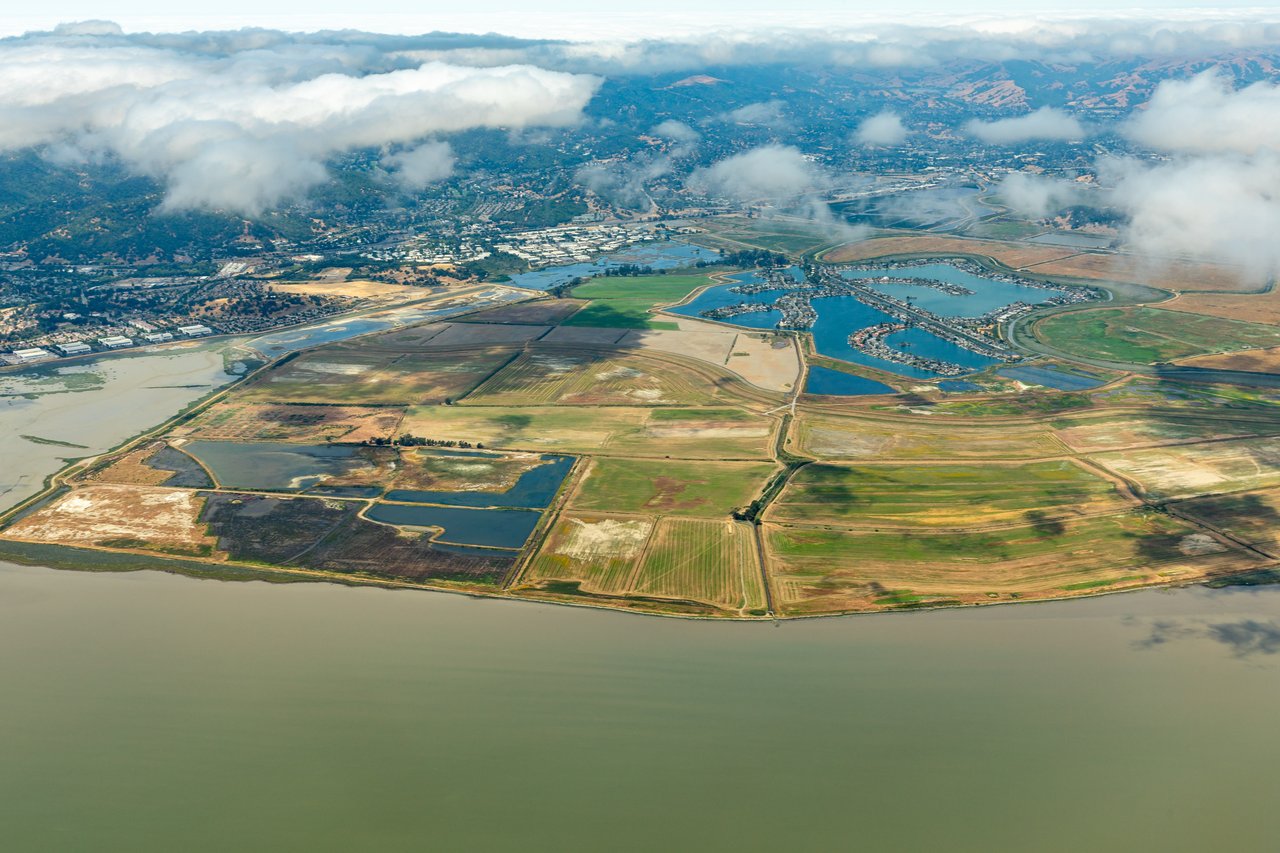
Bel Marin Keys in Winter: The Season Nobody Markets Is the One That Defines It
- Kyle Frazier
- 08/29/26
Santa by Sea, Icicle Day, a yacht club that doesn't require a boat — Bel Marin Keys' real social calendar peaks in the months n...
Read MORE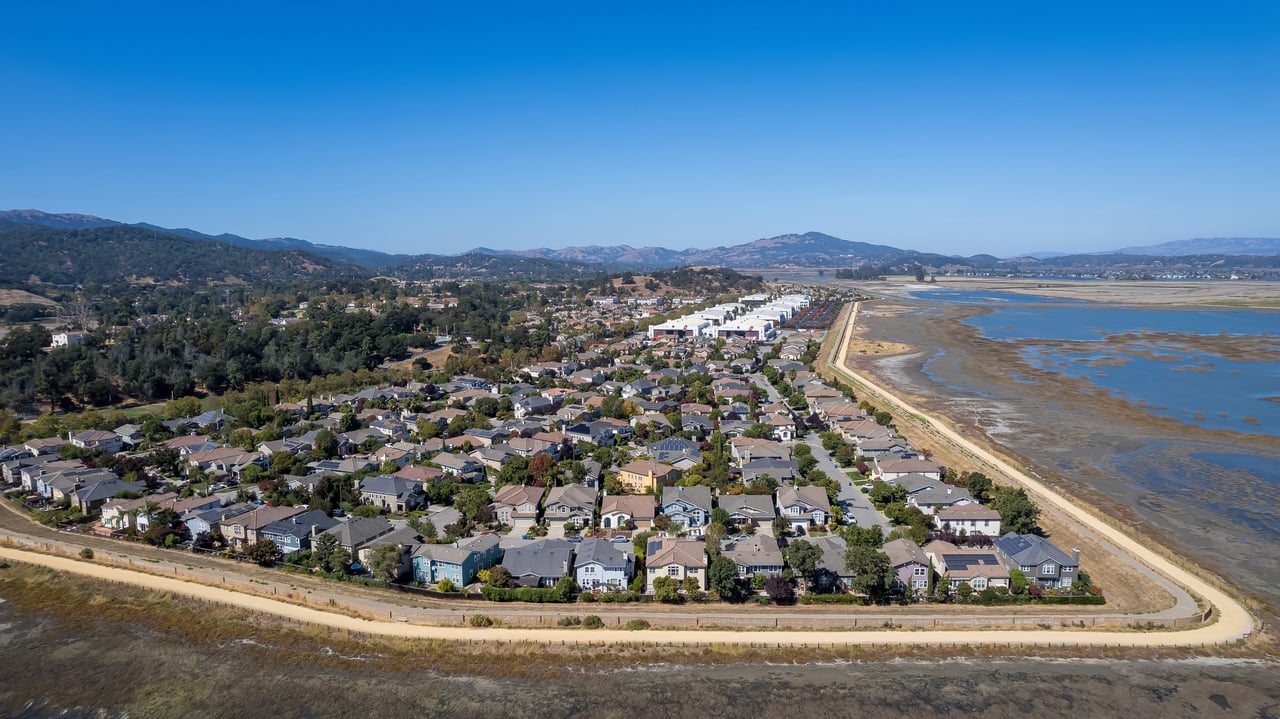
Which Hamilton Field Are You Looking At? Why Every Price Site Shows a Different Number
- Kyle Frazier
- 08/27/26
One site says Hamilton Field is down 30%. Another says up 16%. Both are "real." Here's how to read a 15-sale-a-year Novato mark...
Read MORE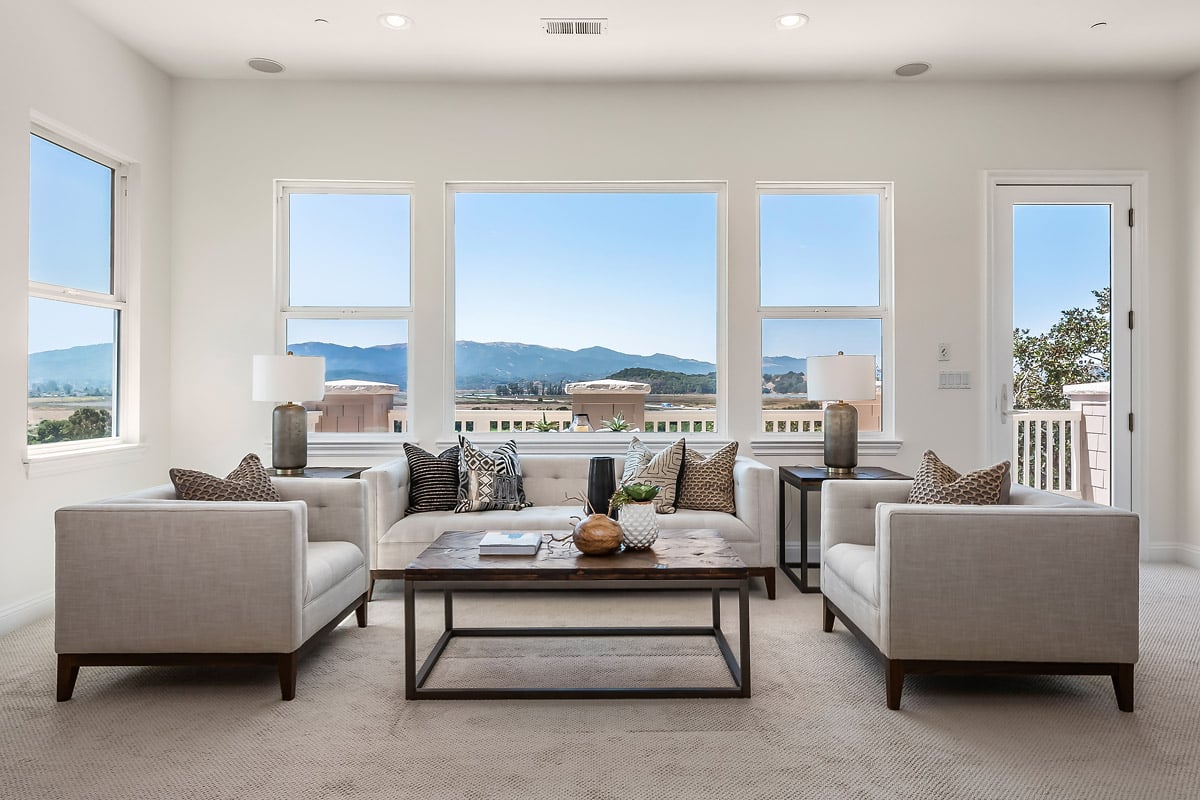
When Does Marin's Fall Market Start?
- Kyle Frazier
- 08/24/26
Think Marin's fall market starts after Labor Day? It already started. Here's what I'm seeing on the ground — and why the next t...
Read MORE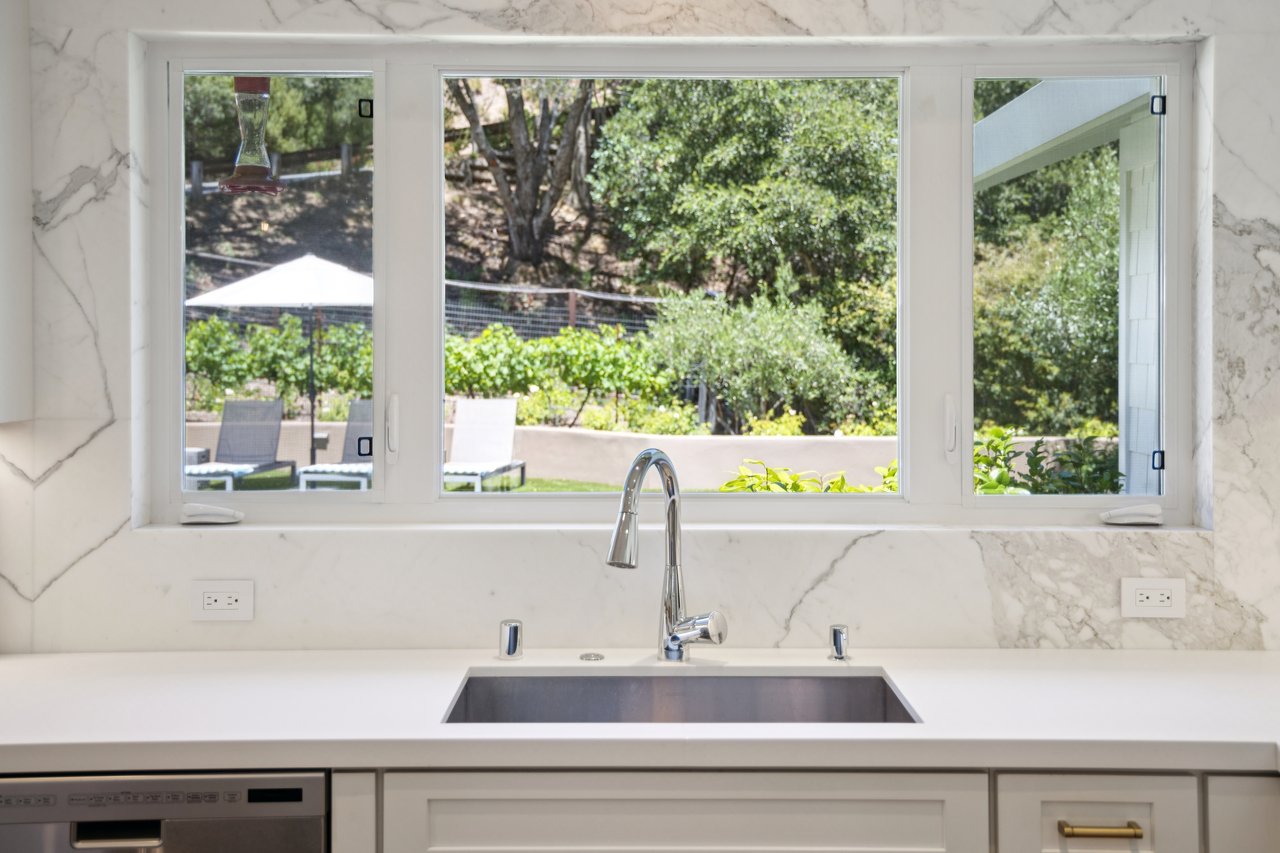
How Accurate Is the Zillow Zestimate in Marin County? The $1,192,200 Case Study
- Kyle Frazier
- 08/16/26
Zillow valued this Novato home at $1.6M. It sold for $2.8M thirty days later. What the $1.19M miss reveals about Marin home val...
Read MORE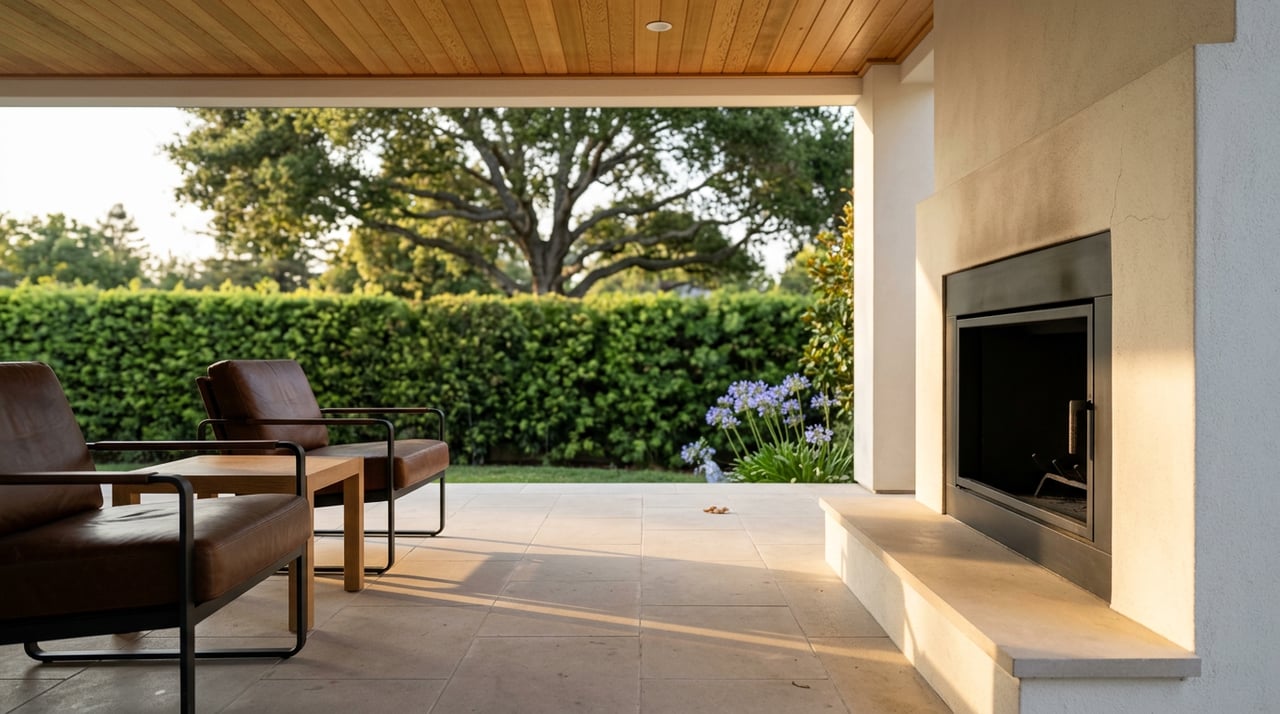
Marin Country Club: More Than Golf
- Kyle Frazier
- 08/13/26
The club at the heart of Novato's Country Club neighborhood doesn't run solely on golf anymore — a member's look at the 2026 re...
Read MORE
Off-Market Home Sales in Novato (2026)
- Kyle Frazier
- 08/13/26
More than 1 in 10 Novato homes now sells without ever hitting the portals. Here's how off-market really works in 2026 — and wha...
Read MORE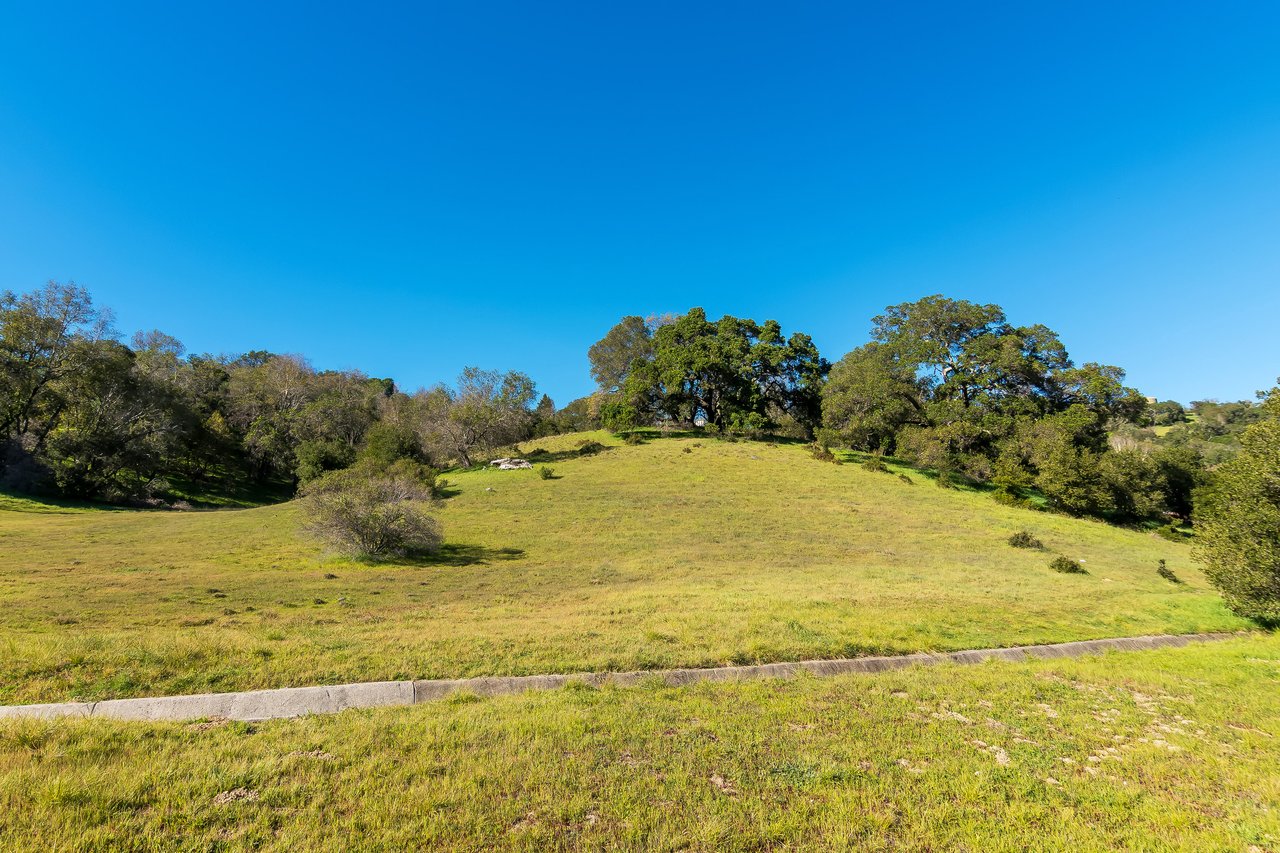
The Pointe Marin Fall Loop: Twelve Saturdays Between the Farmstand and the First Rain
- Kyle Frazier
- 08/6/26
One walkable route connects Pacheco Plaza, Indian Valley Preserve, and the Saturday farmstand — but only for about twelve weeke...
Read MORE
New Homes in Marin County: The Complete 2026–2027 Guide
- Kyle Frazier
- 07/29/26
One community is selling today, one is coming to Larkspur next — here is every new-construction project in play across Marin Co...
Read MORE
Selling in Bel Marin Keys: The Disclosure Package That Decides Your Sale Price
- 07/23/26
The Pointe Marin Cost Stack: What Your Qualifying Price Really Looks Like Once the CFD and HOA Are In
- Kyle Frazier
- 07/23/26
Two Pointe Marin homes on the same street can pay $1,491 apart in Mello-Roos. Here's the bracket math, the 2032 question, and w...
Read MORE
Selling in Hamilton Field After the CFD Sunset: What the 2026 Buyer Actually Underwrites
- 07/23/26
Do Off-Market Home Sales Really Net Sellers More? A Marin Broker's Read on the New Economics Study
- Kyle Frazier
- 07/20/26
A neutral university study found off-market sales net sellers more — and I watched it happen twice this year in Marin Country C...
Read MORE
A Local's Summer Playbook for Downtown Novato
- 07/16/26
Marin Country Club Estates: Why the Median Fell and Prices Still Went Up
- 07/16/26
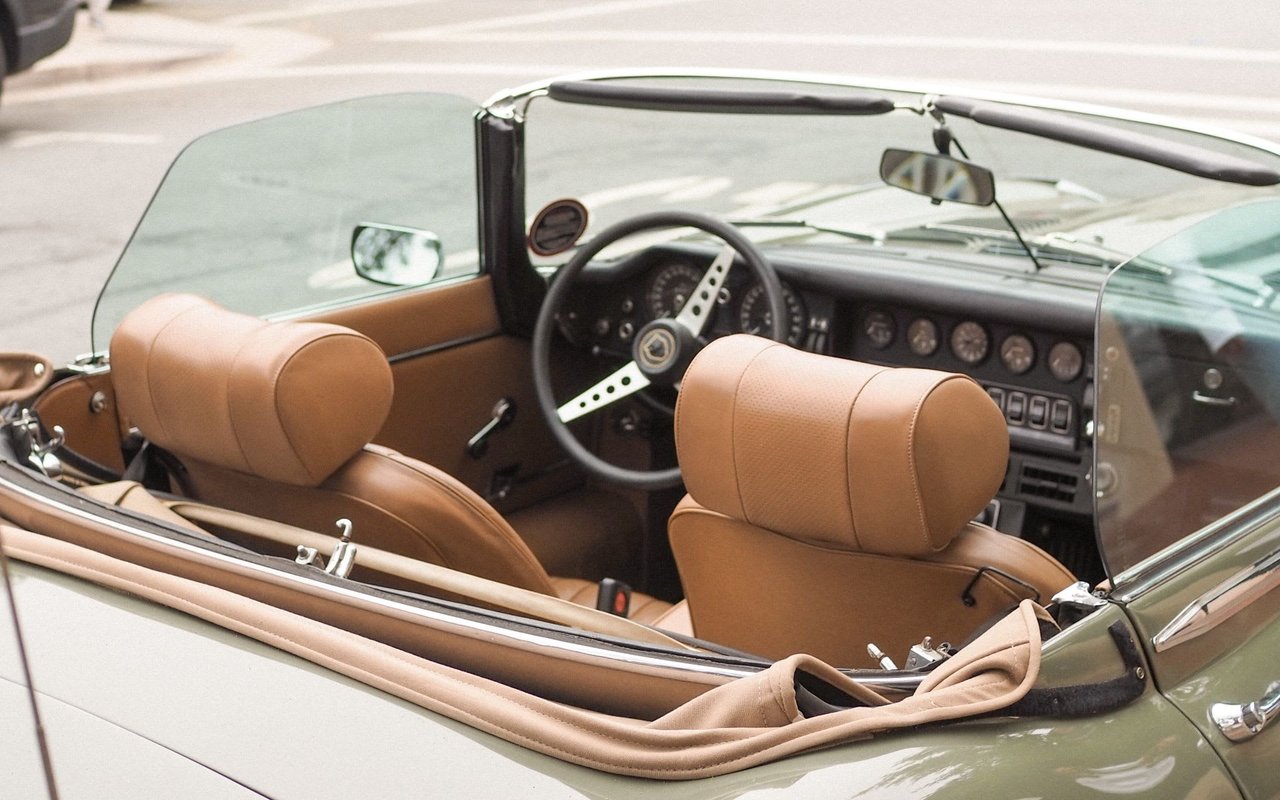
What's Opening in Novato This Summer, and Why It's Not All Downtown
- Kyle Frazier
- 07/16/26
Three big Novato openings land this summer — and none are on Grant Avenue. Where to eat, drink, and listen, corridor by corridor.
Read MORE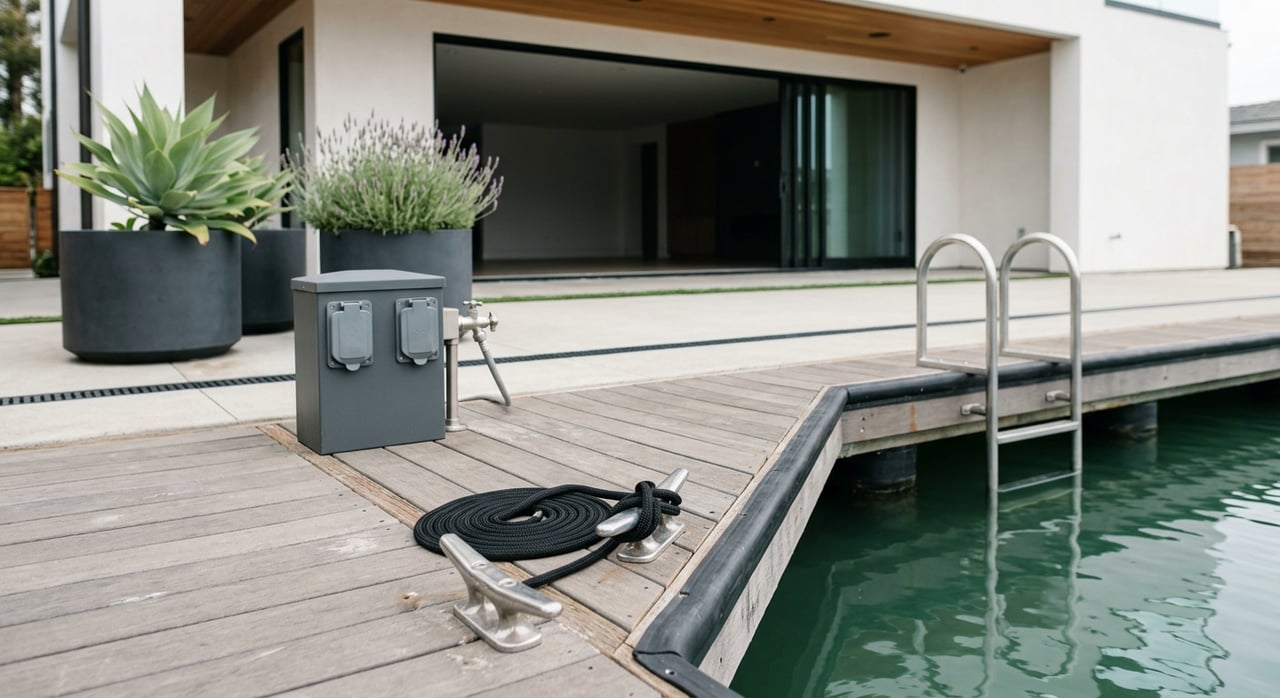
Buying a Boater-Friendly Home in Bel Marin Keys: What to Verify Before You Offer
- Kyle Frazier
- 07/9/26
My buyer's guide to Bel Marin Keys waterfront homes — how the docks, locks, access cards, and lagoon rules should shape your se...
Read MORE
Marin Housing Market Q2 2026: The $385,000 Sprint vs. Stale Gap
- Kyle Frazier
- 07/7/26
Marin's Q2 2026 numbers show two markets in one county: 76% of homes selling over asking in 30 days, the rest sliding toward 84...
Read MORE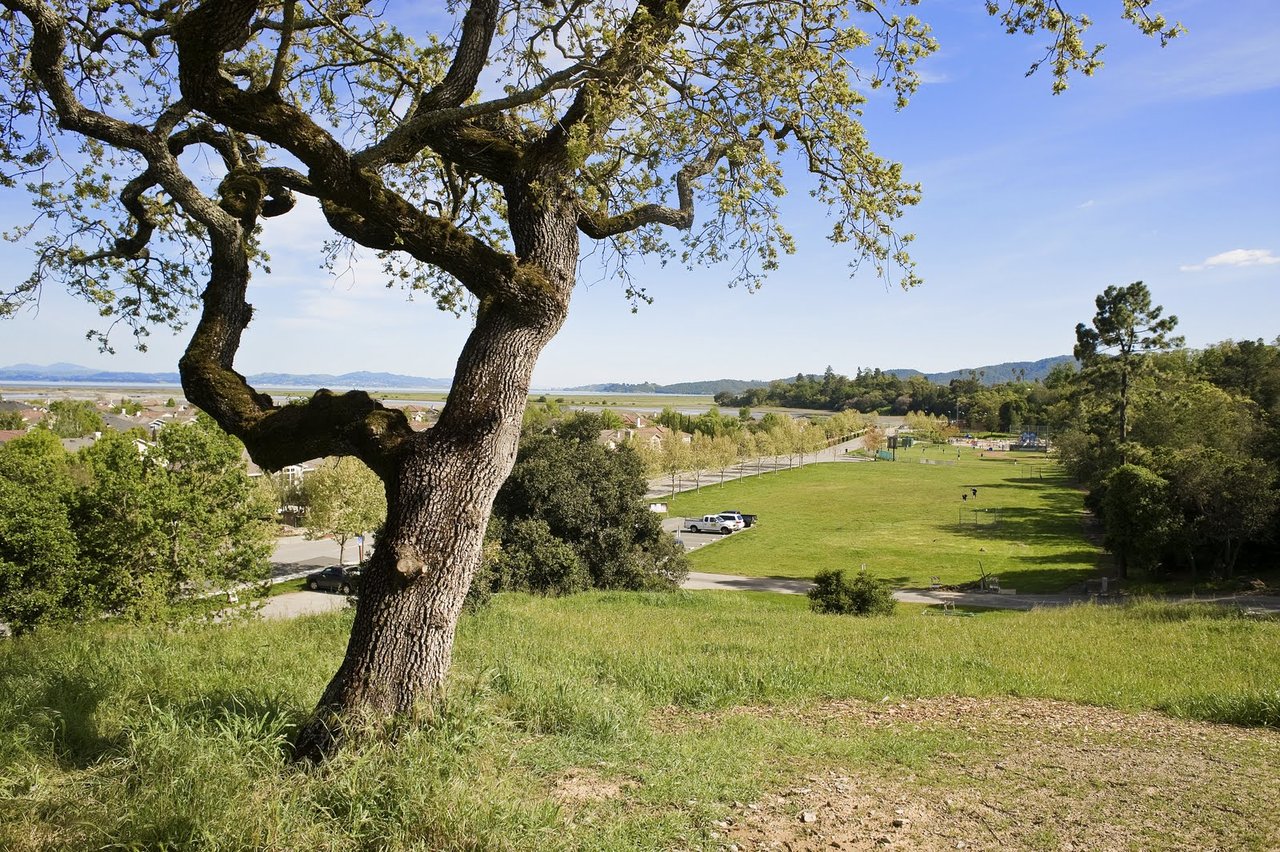
Novato Housing Market Report: Q2 2026 — What Really Happened in 94945, 94947 & 94949
- Kyle Frazier
- 07/2/26
Novato's Q2 numbers look soft until you read them right. I break down what actually happened in 94945, 94947, and 94949 — and w...
Read MORE
Waterfront Weekends In Bel Marin Keys: Life On The Lagoon
- Kyle Frazier
- 07/2/26
What waterfront weekends actually look like in Bel Marin Keys — lagoon living, boat ramps, docks, and community traditions in N...
Read MORE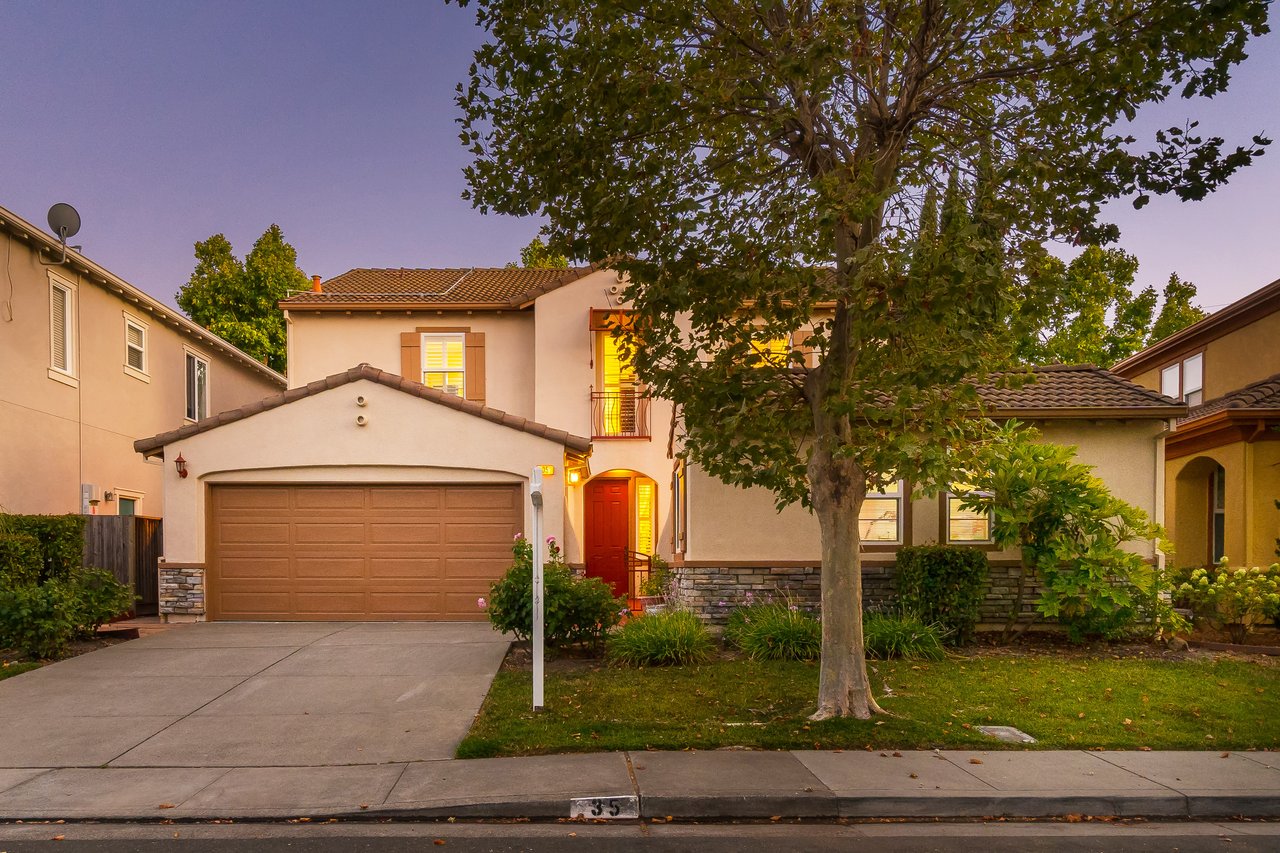
Hamilton Field First-Time Buyer Guide
- Kyle Frazier
- 06/25/26
A resident broker's breakdown of what it really costs to buy in Hamilton Field, Novato — CFD taxes, HOA swings, the levee, and ...
Read MORE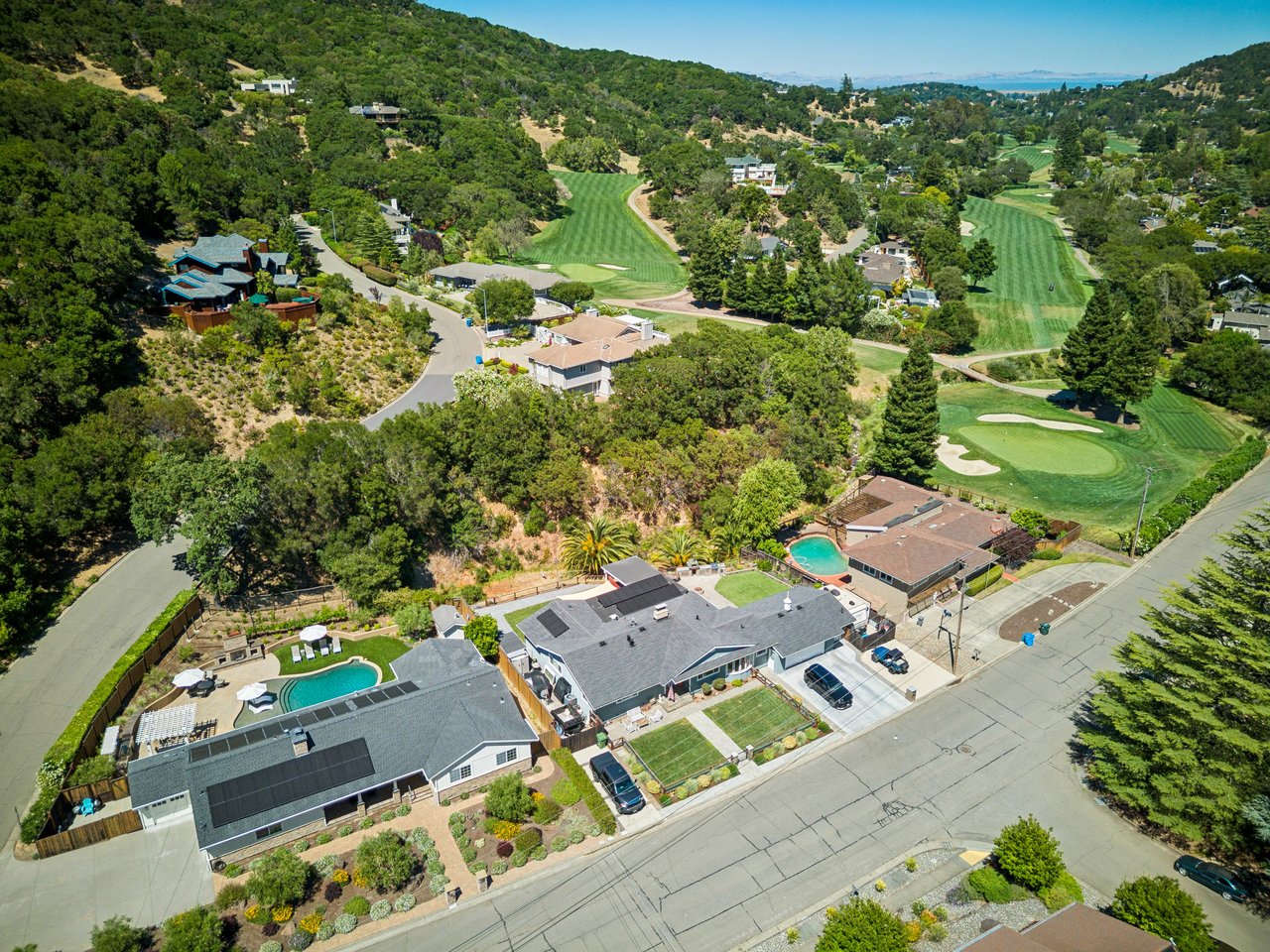
Off-Market Homes in Marin Country Club: Two Properties, Two Ways to Live (Novato 94949)
- Kyle Frazier
- 06/24/26
Marin Country Club Estates (Novato, ZIP 94949) is a private, golf-course neighborhood surrounding Marin Country Club — named Tr...
Read MORE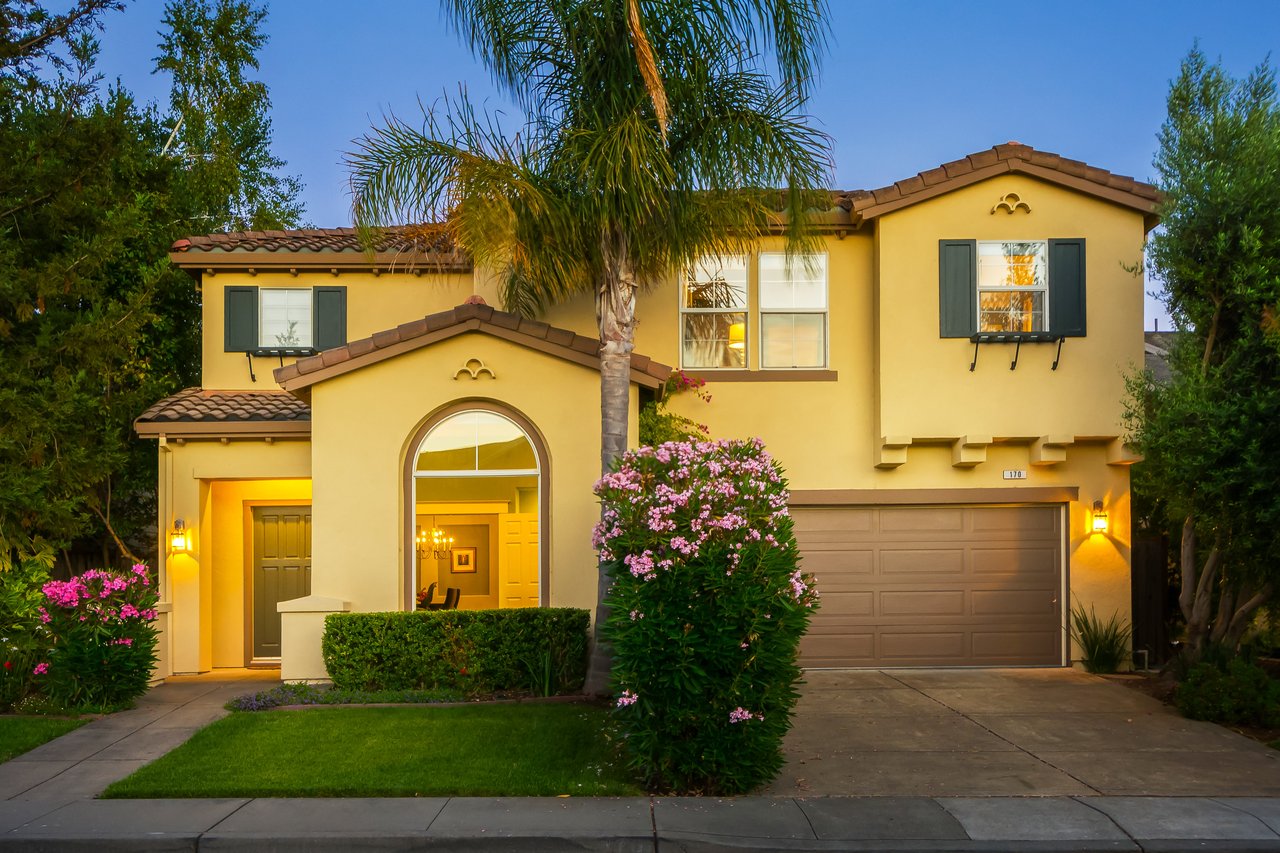
A Weekend In Hamilton Field: Trails, Hangars And Local Favorites
- Kyle Frazier
- 06/18/26
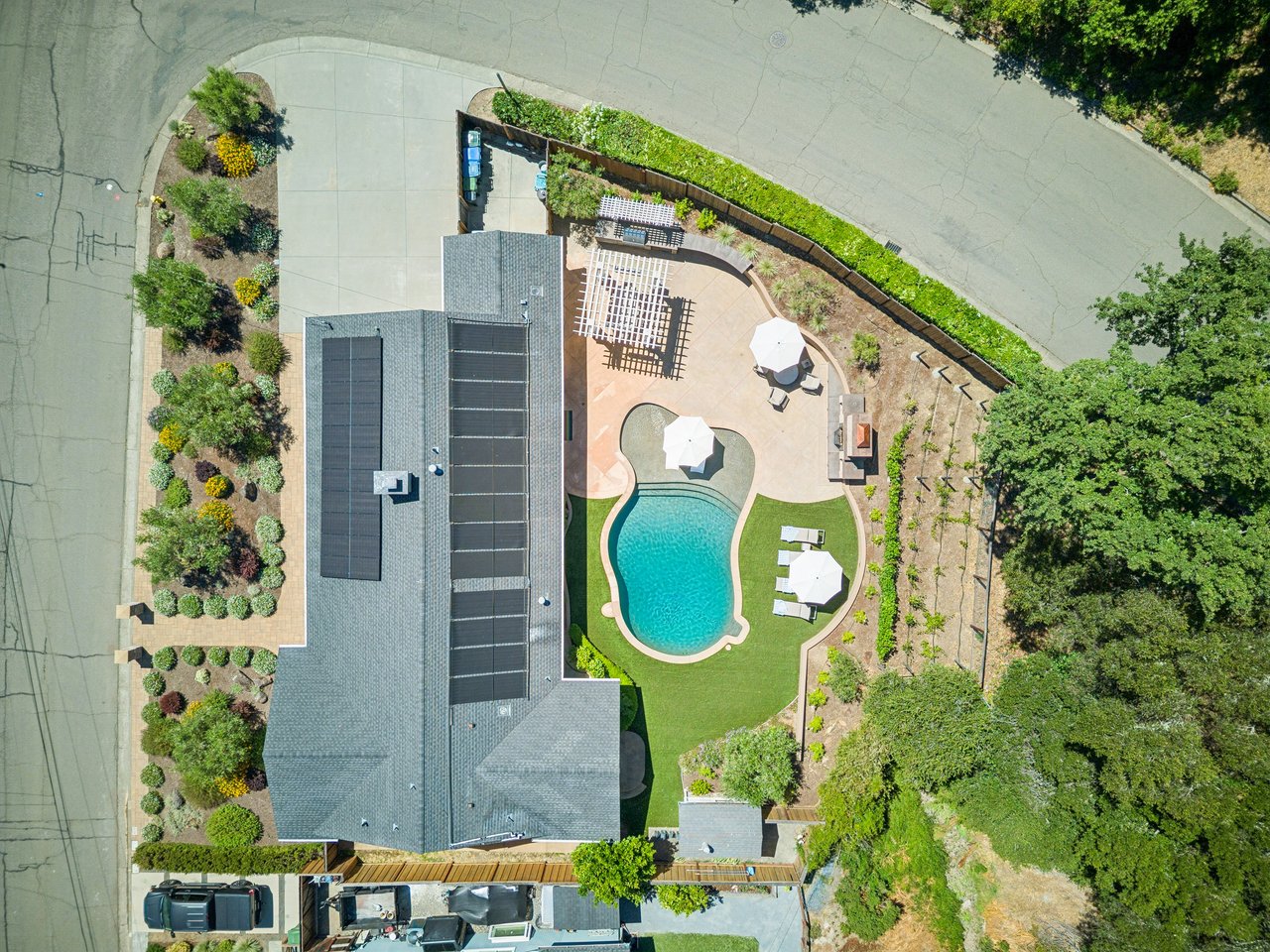
Is Marin Country Club The Right Move-Down Option? A Novato 94949 Downsizing Guide
- Kyle Frazier
- 06/11/26
Wondering whether Marin Country Club Estates is the kind of move-down that actually makes life simpler — or just changes the ad...
Read MORE
Novato Housing Market Report — Spring 2026 (94945, 94947, 94949)
- Kyle Frazier
- 06/6/26
This spring in Novato, fewer homes sold, they took a little longer to sell — and prices still went up. The reason is tight supp...
Read MORE