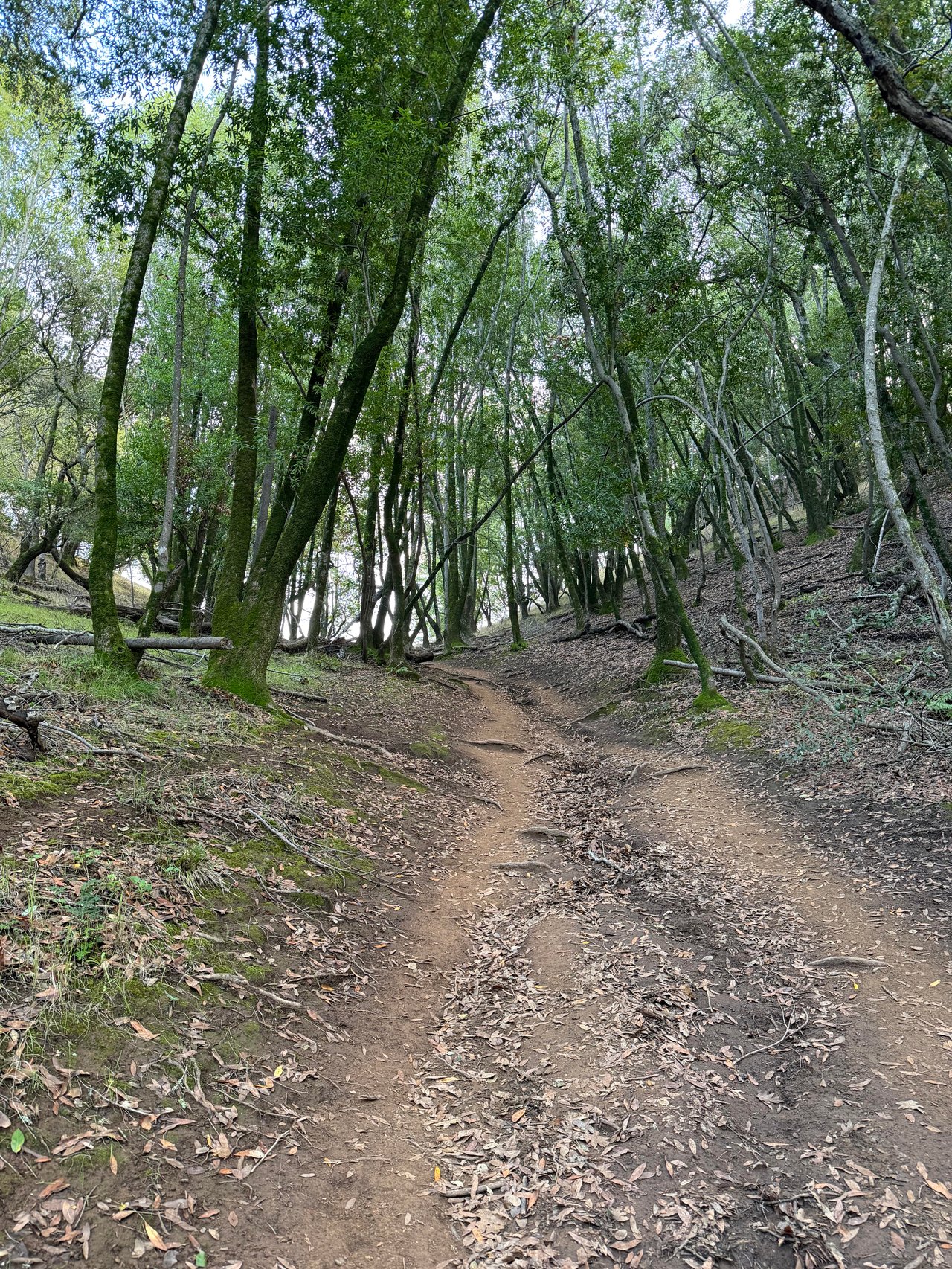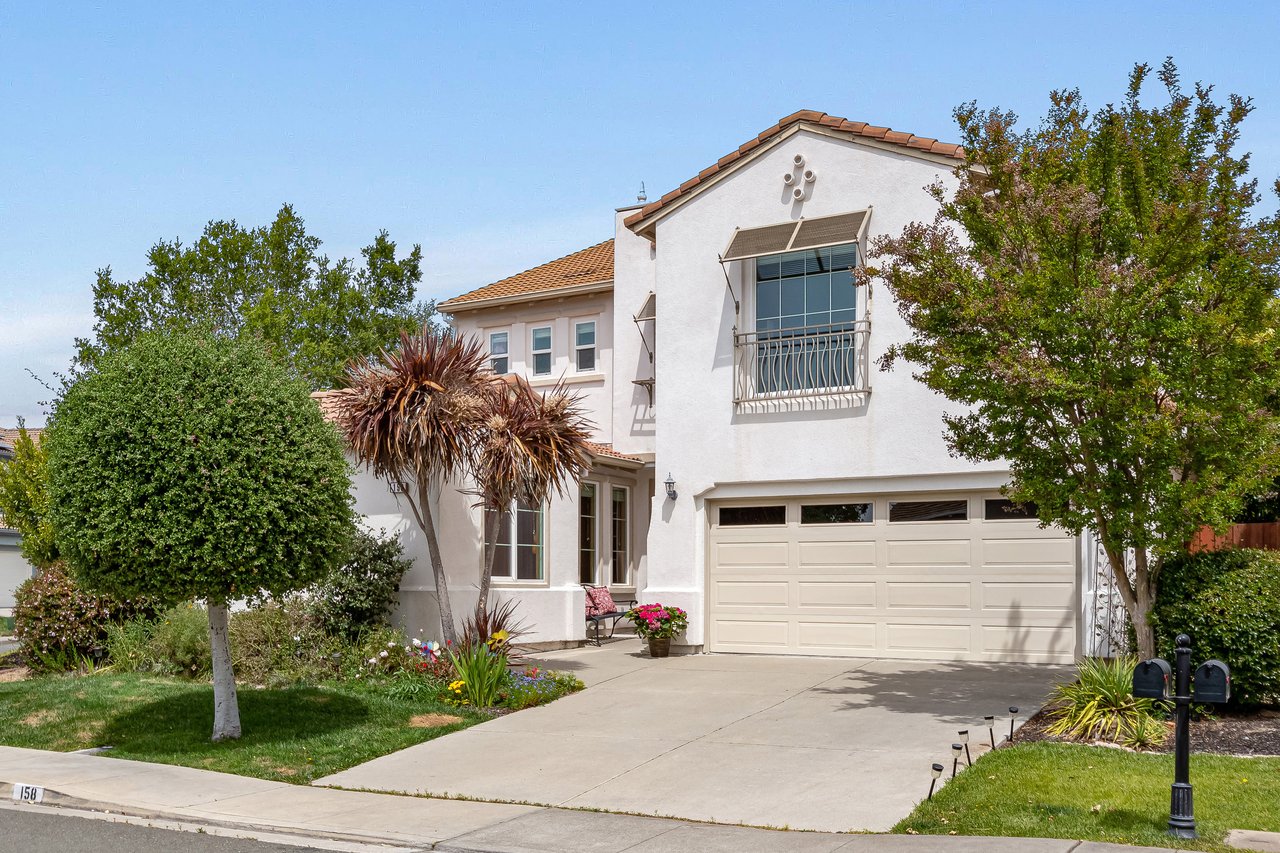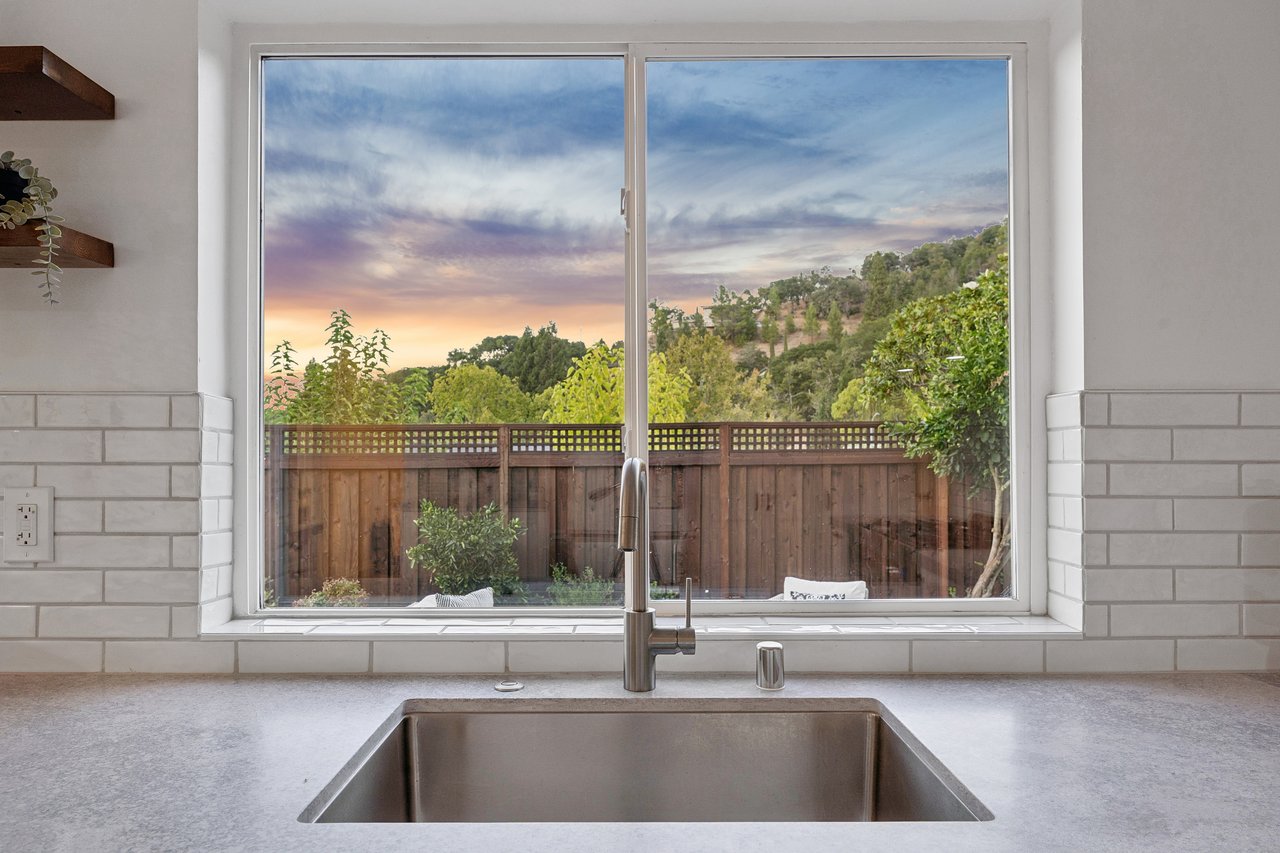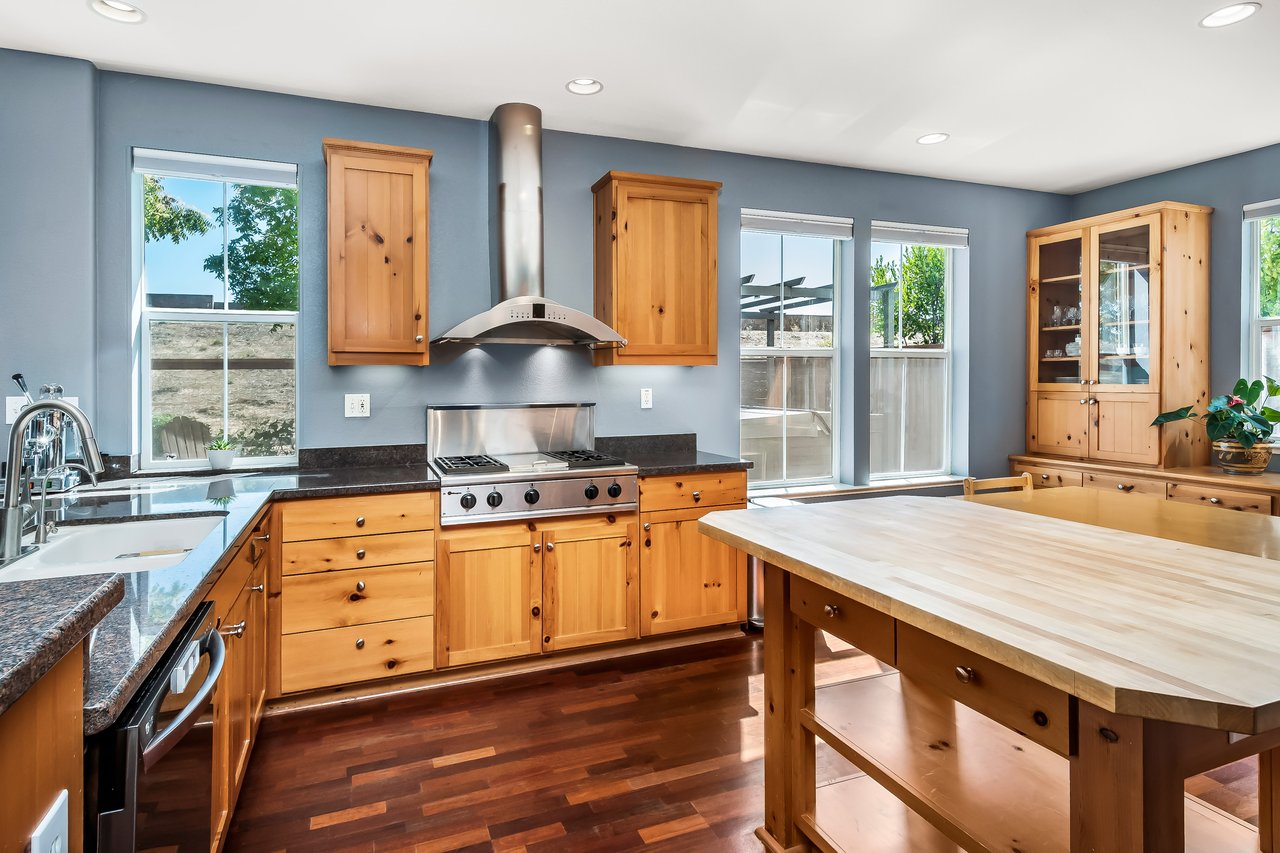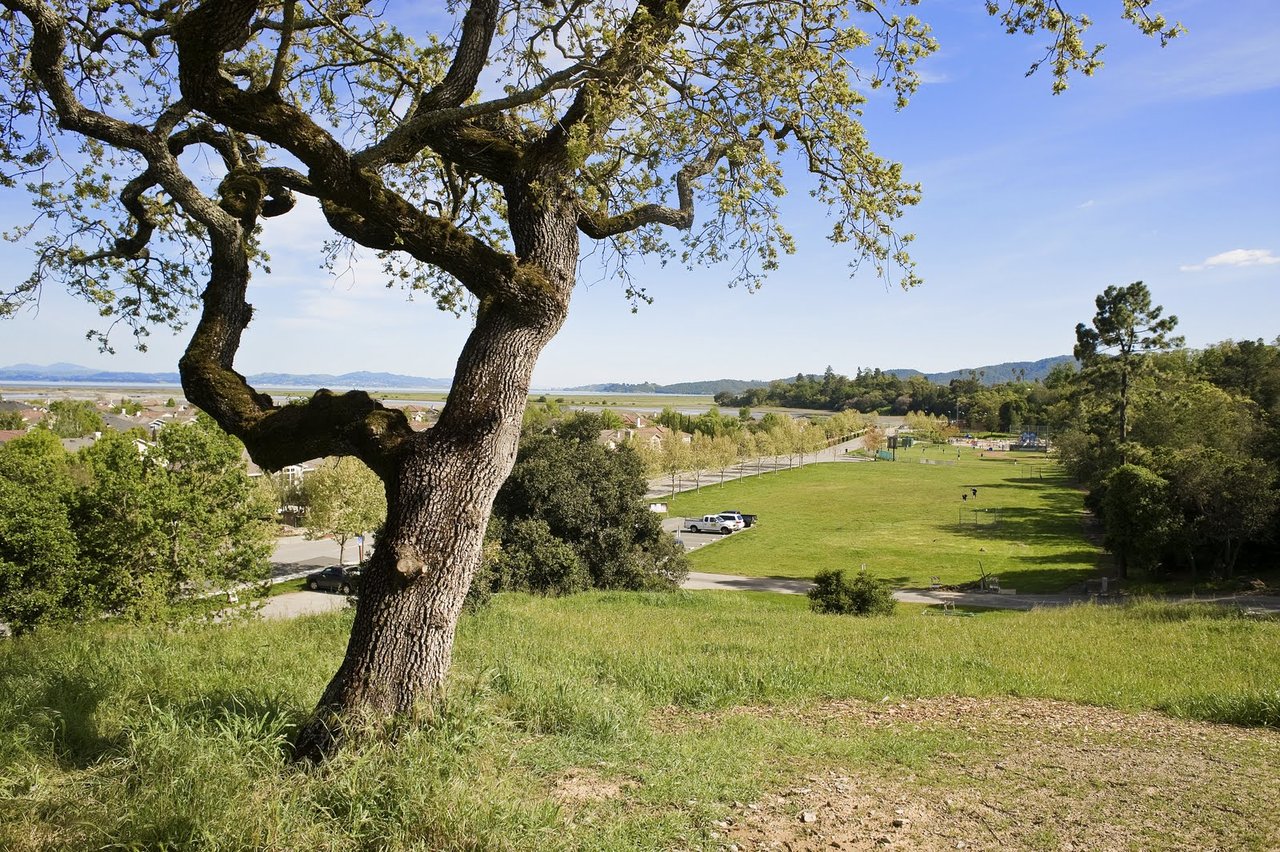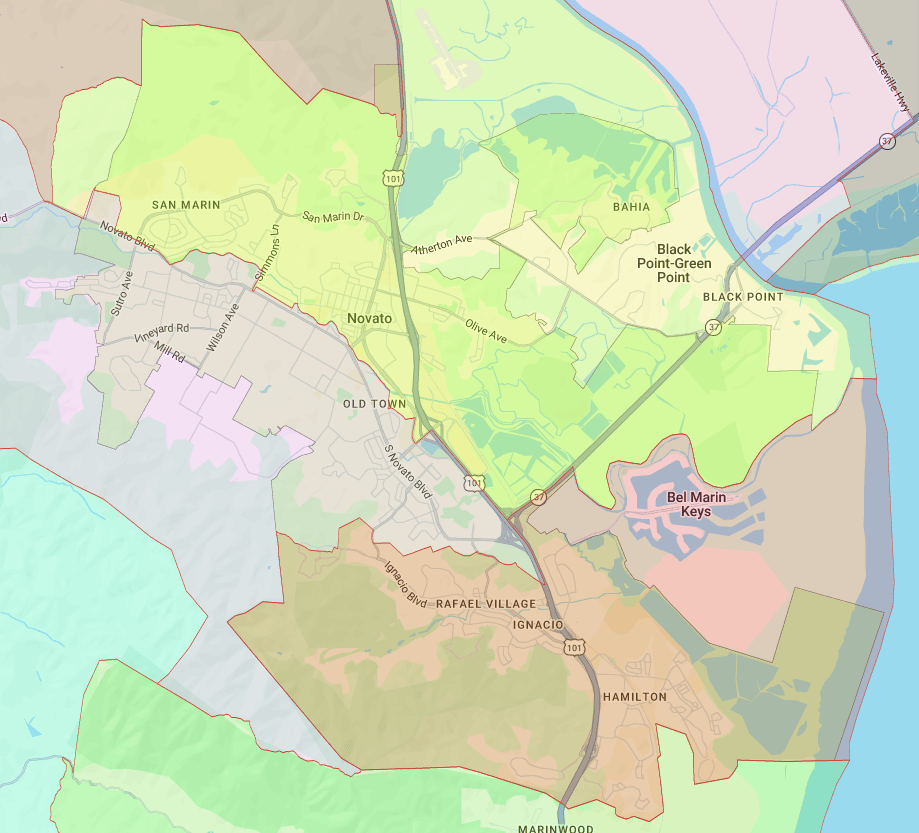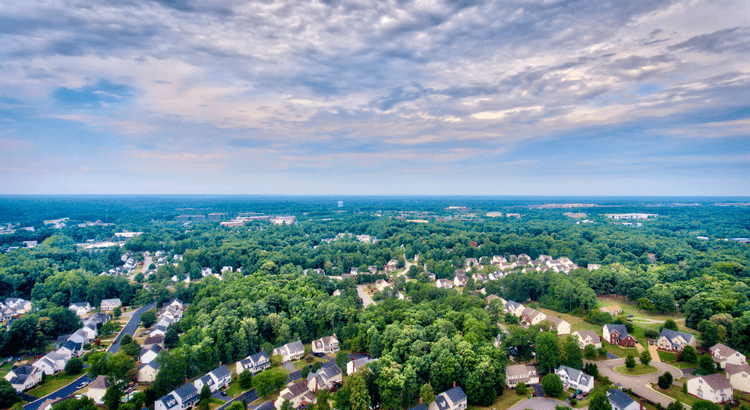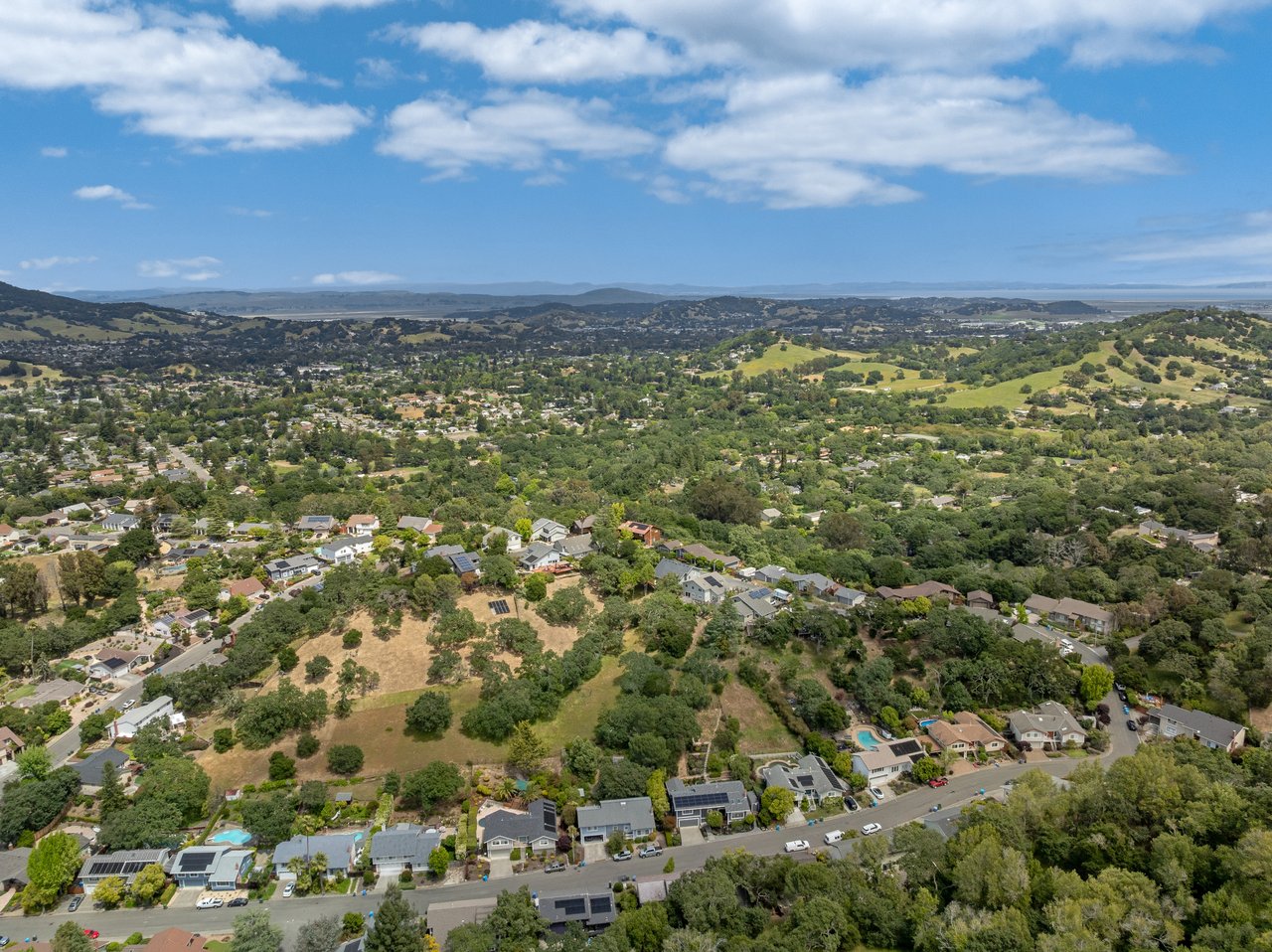
Novato is not one climate. It spans two Sunset garden zones — Zone 15 (inland, drier, sunnier, more afternoon wind) and Zone 17 (bayfront, foggier, cooler summers seldom topping 75°F). Hamilton Field and Bel Marin Keys feel materially cooler and breezier than Pointe Marin or Pleasant Valley on the same afternoon. The differences are real, sourced, and they affect how a home shows, sells, and lives.
Author: Kyle Frazier | Source Data: UC Marin Master Gardeners (Sunset Zones), City of Novato General Plan 2035 / CAP2030, Marin Civil Grand Jury 2024, Marin Water Wise Schedule | Data Effective Date: May 2026 | Analysis Period: Climate references current as of 2024–2026
Two Climates, One City
UC Marin Master Gardeners places Novato in Sunset Zones 15 and 17 — not one climate, two.
Zone 15 covers most of Novato's inland geography: warmer summers, afternoon winds, more frost in lowland valleys and on hilltops, average winter lows of 28–21°F. Zone 17 covers eastern Novato along the San Pablo Bay edge: marine-effect climate, mild wet winters, cool summers with frequent fog, average winter lows of 36–23°F. Sunset's own description of Zone 17 puts it bluntly: summer highs seldom top 75°F.
The same numbers tell the rainfall story. The Marin Water Wise schedule pegs Zone 15 inland Novato at roughly 50 inches typical rainfall against Zone 17 eastern Novato at 33 inches. That's not a microclimate quibble. That's a 50-percent difference in annual rainfall inside one city.
The City of Novato's own General Plan 2035 documentation reinforces the pattern: marine air condenses into fog in winter, stratus clouds move in during evenings, prevailing winds run westerly in spring and summer and southeasterly in winter, and inland areas run slightly warmer than the bay edge. CAP2030 — Novato's stand-alone Climate Action Plan, unanimously adopted by City Council on September 23, 2025 — uses these baselines as the foundation for local resilience planning.
What This Means at the Street Level
Hamilton Field — the bayfront extreme
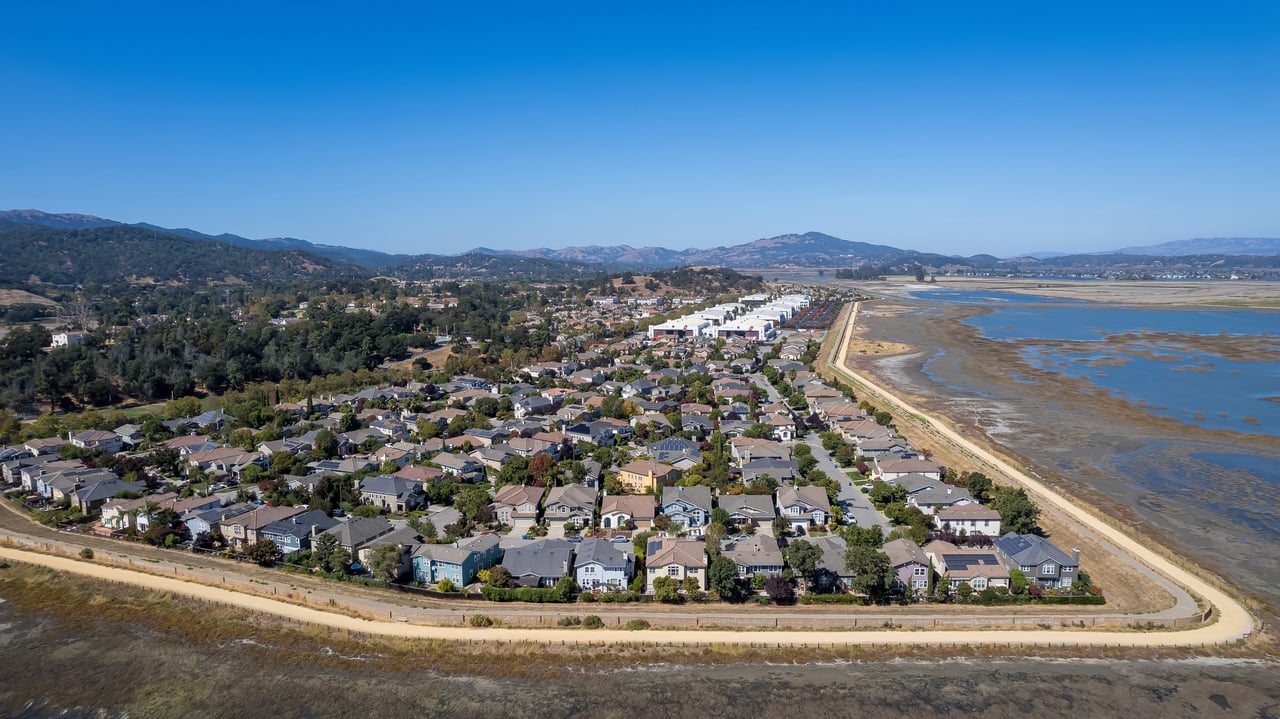
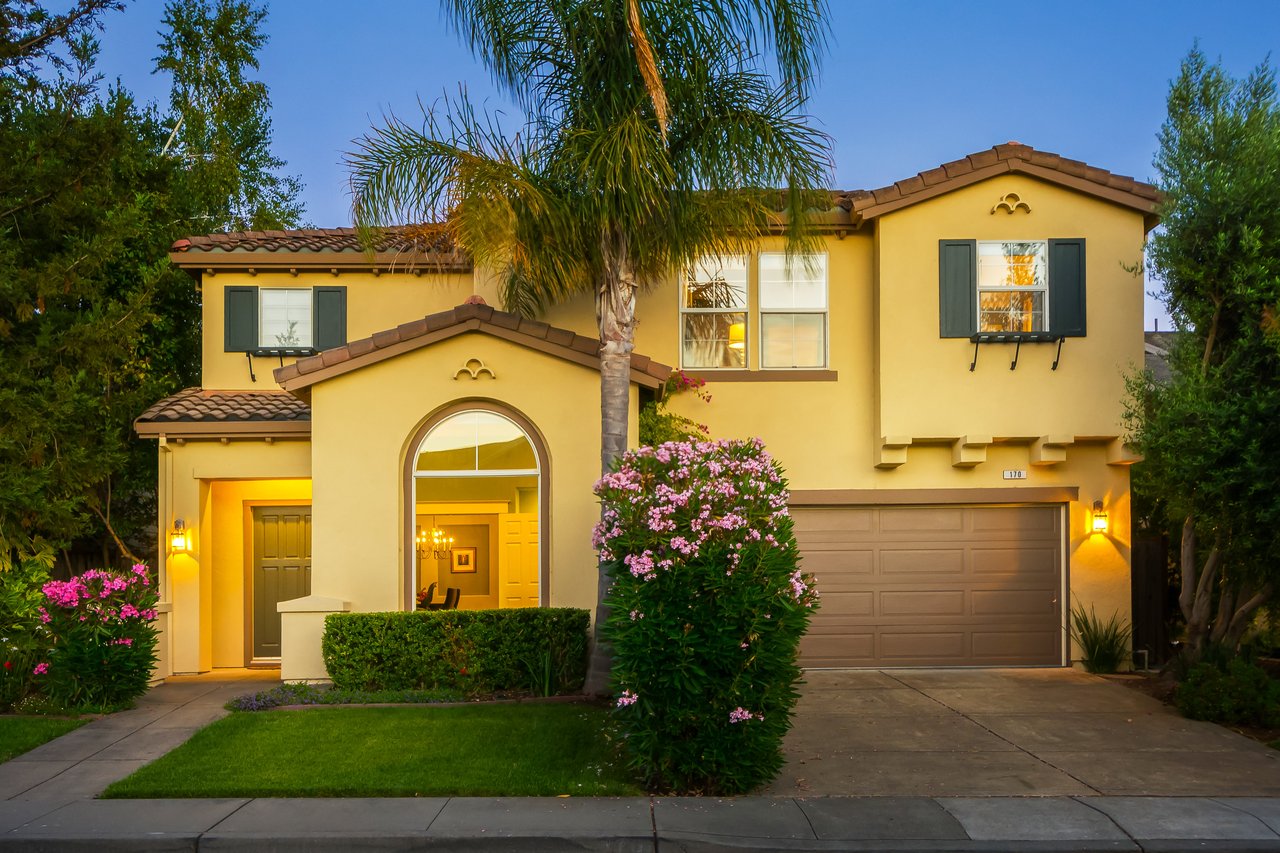
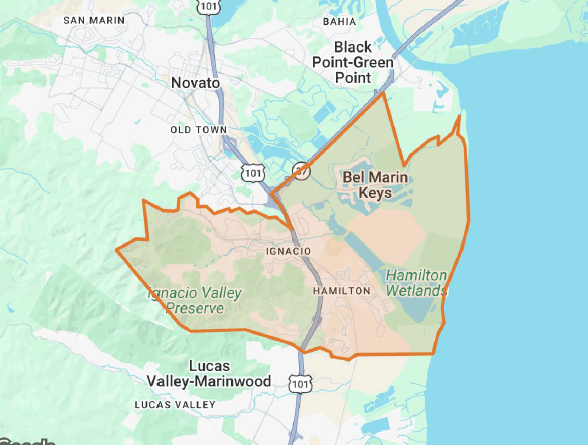
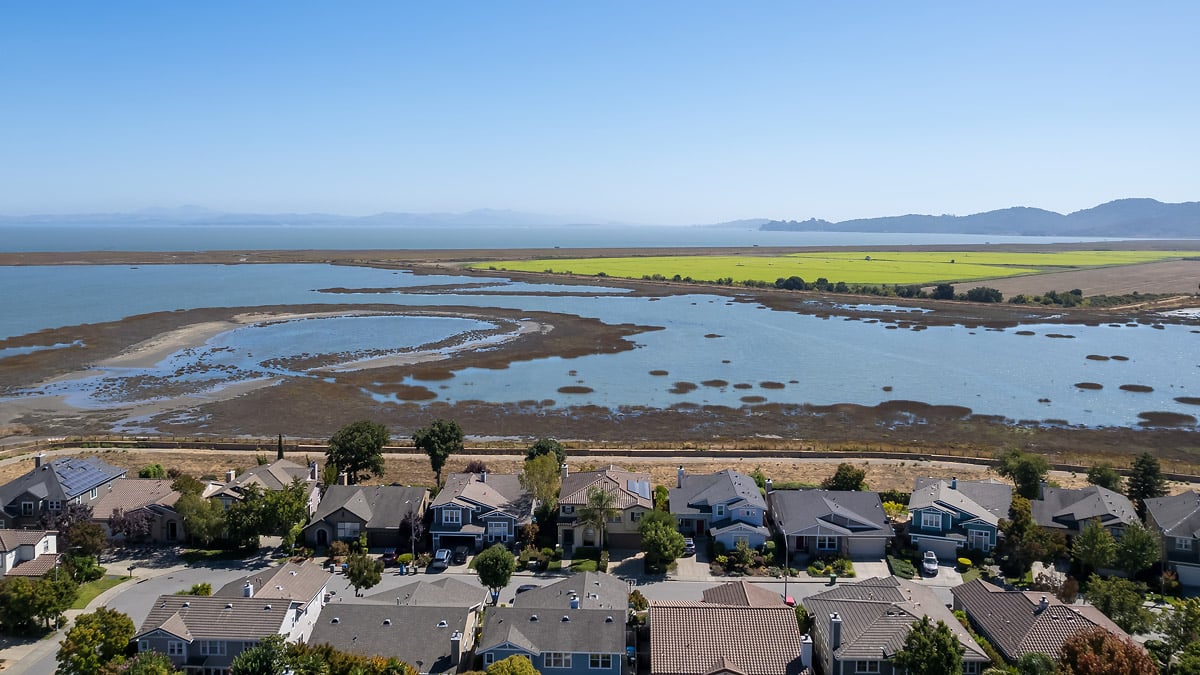
Hamilton Field sits on the former Hamilton Air Force Base, directly on the San Pablo Bay edge in South Novato. It's the clearest example of Zone 17 conditions inside Novato. Afternoon winds at Hamilton run 5–10 mph stronger than West Novato. Mornings and evenings feel cooler. Summer heat builds less. Patios facing west see the wind first.
For The Landing at Hamilton — the bayfront sub-neighborhood within Hamilton Field where I served as Director of Sales for the original 29-home sellout — the exposure is even more direct. Original buyers selected for orientation and windbreak placement, and the homes that did it well are the homes that show best on summer afternoons today.
For a sense of the streetscape and the bayfront feel, I made a Hamilton Field driving tour on YouTube — useful context if you're trying to get a feel for the neighborhood before visiting in person.
Bel Marin Keys — low, wet, and on the public radar
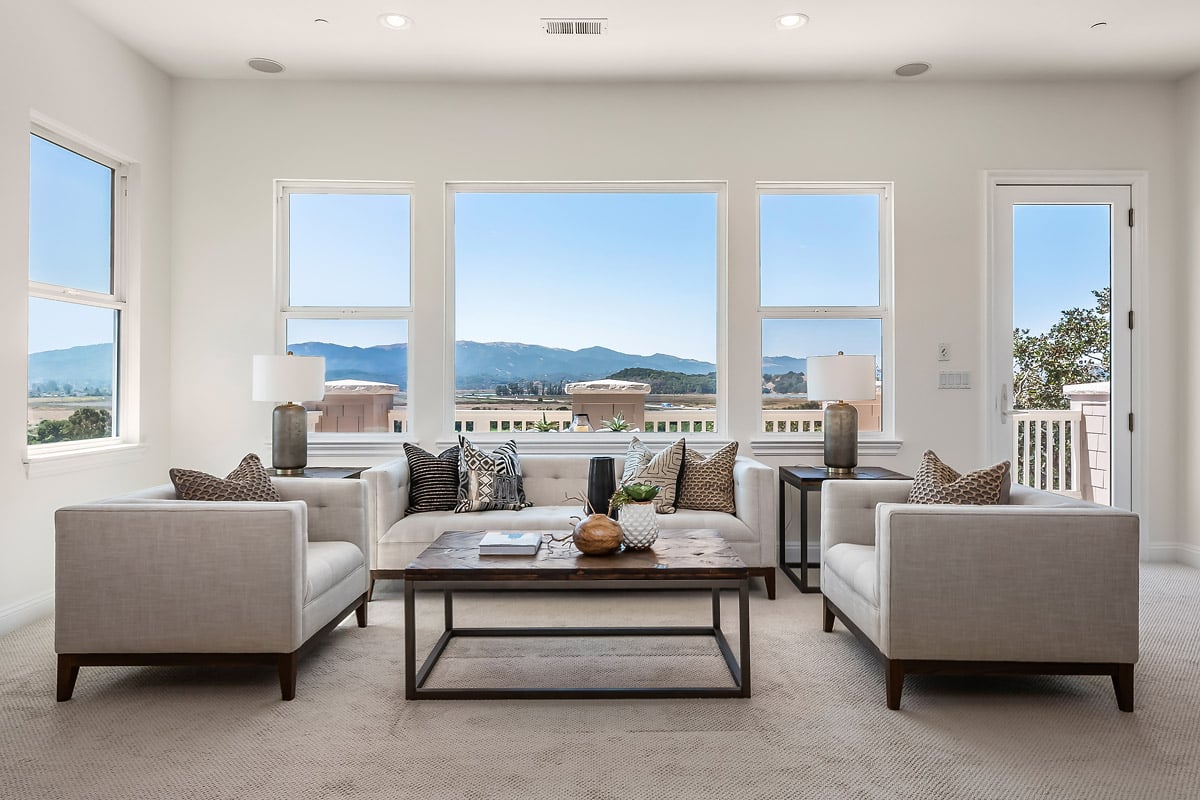
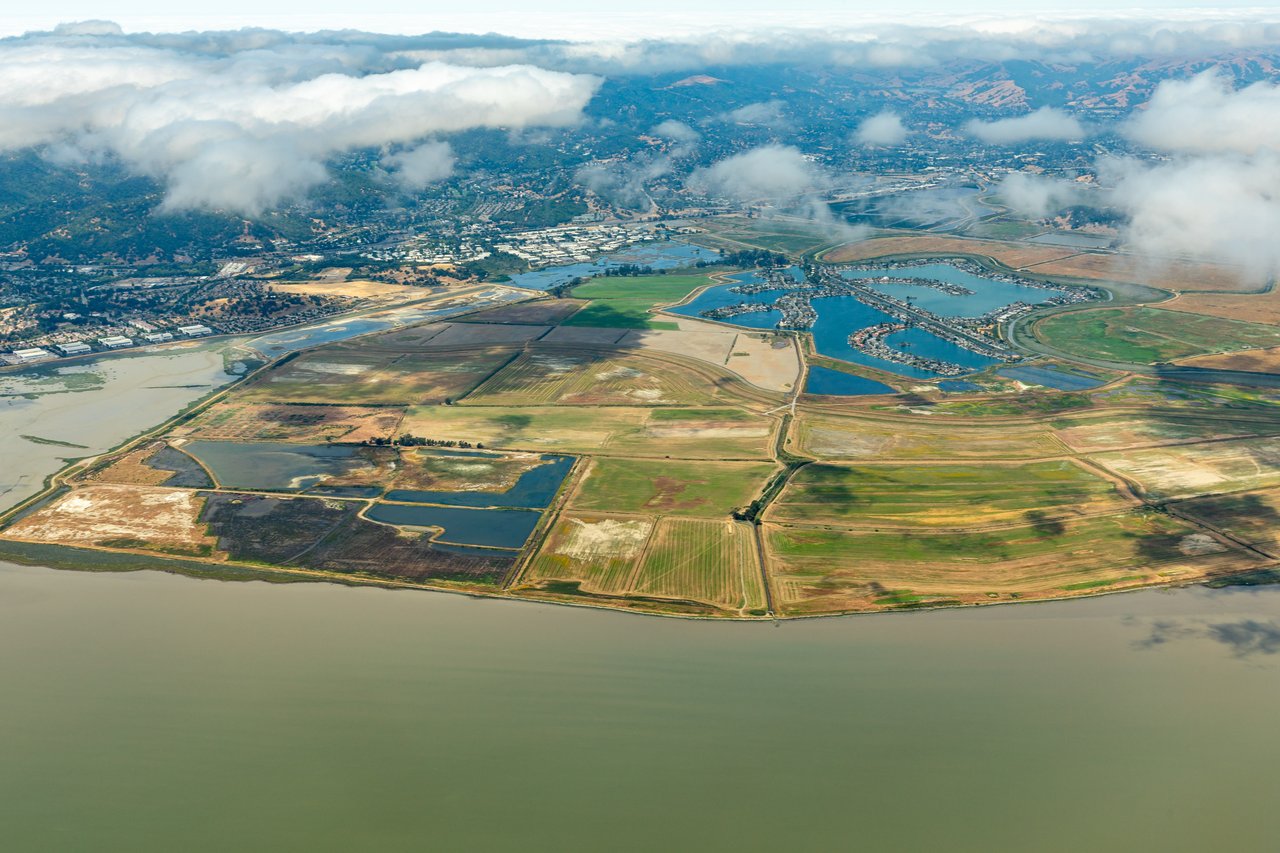
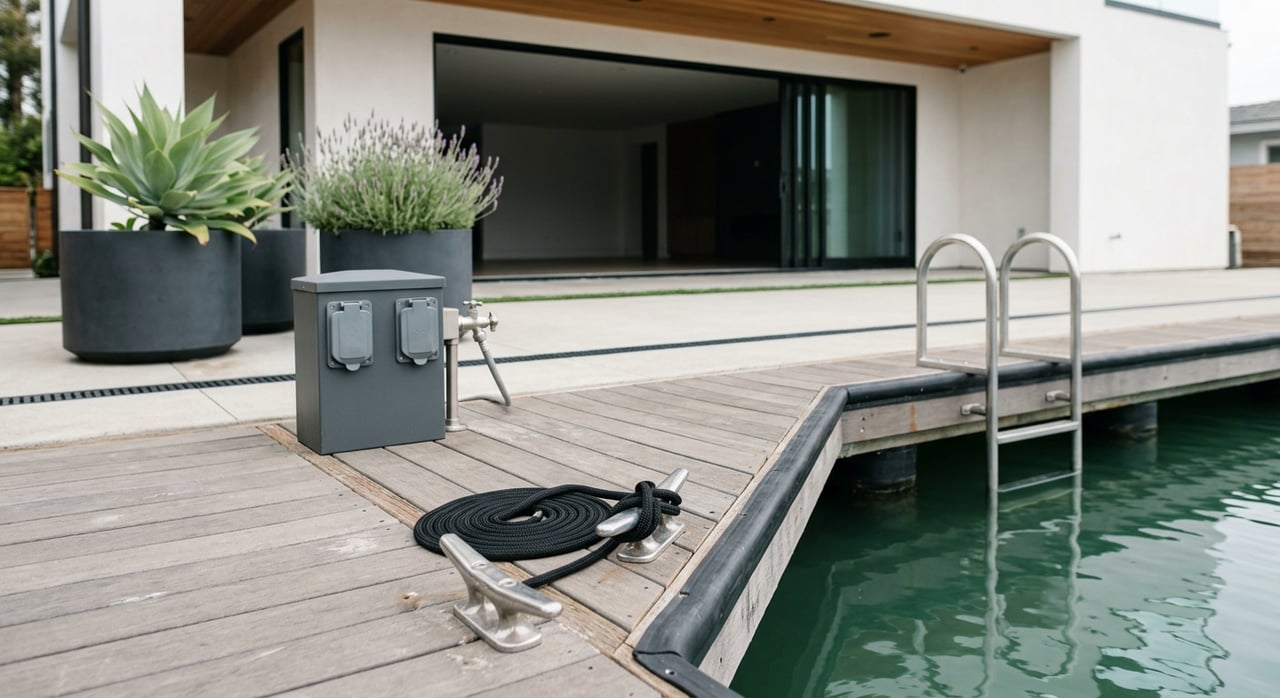
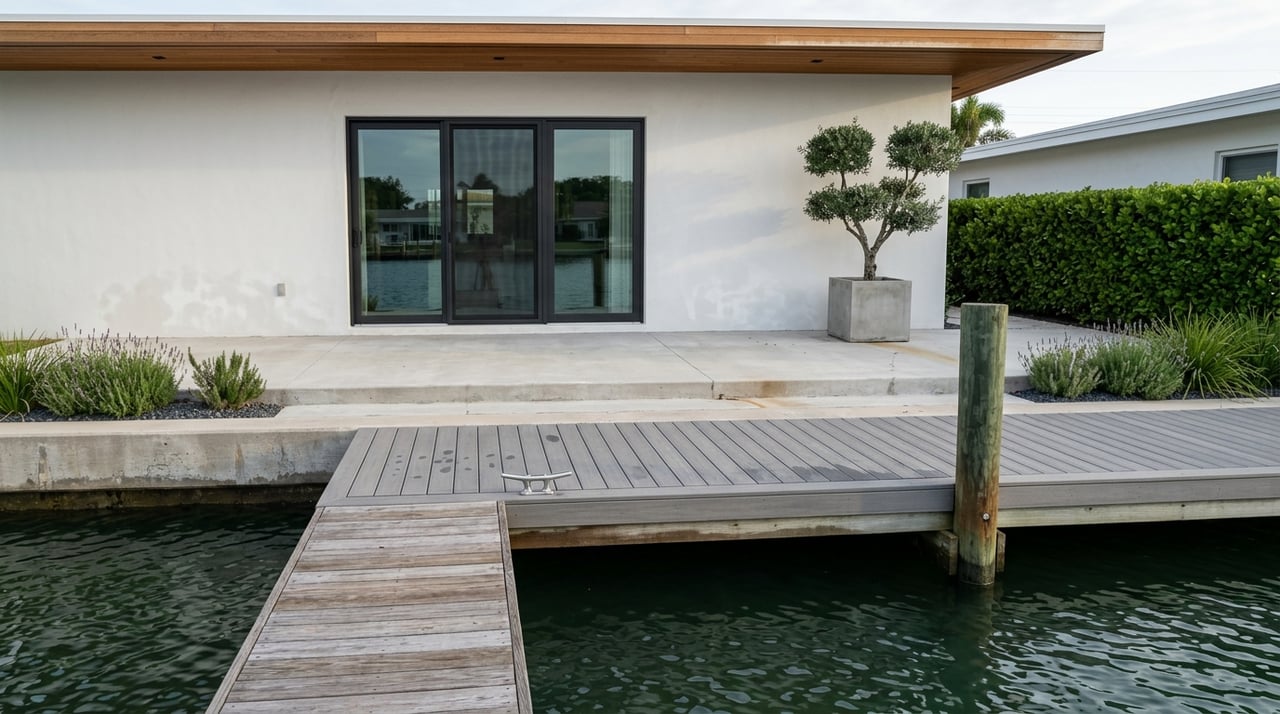
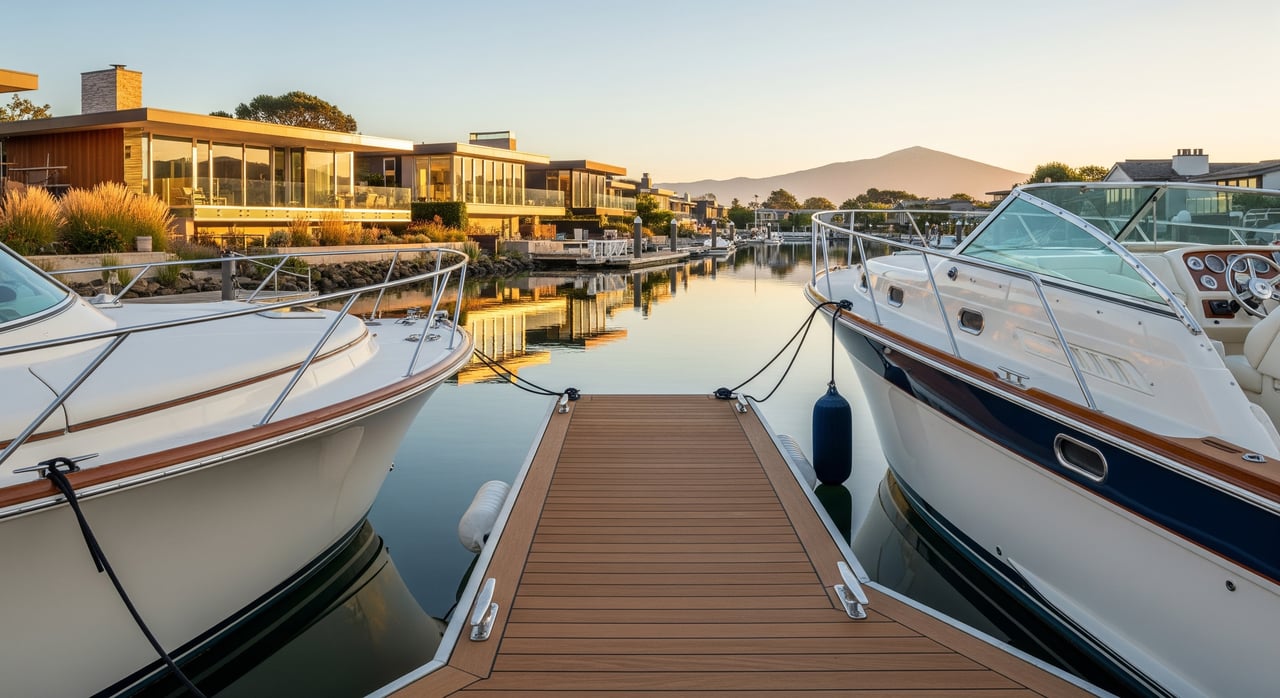
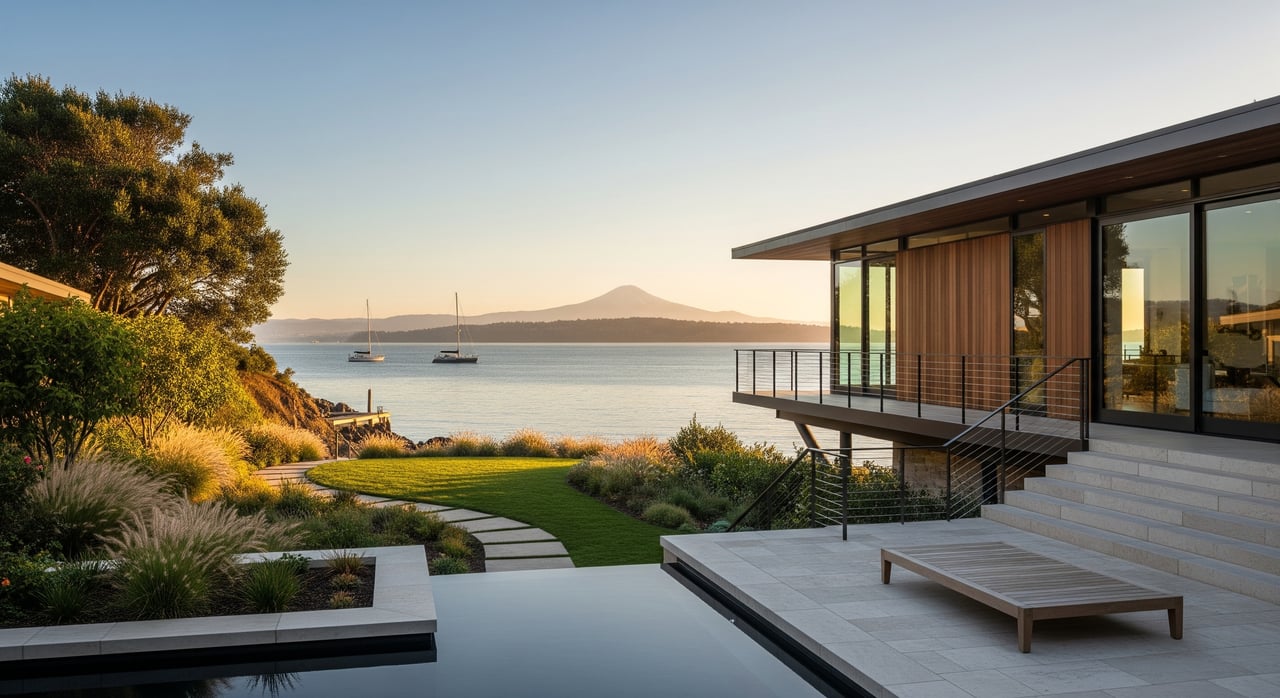
Bel Marin Keys is Novato's premier deepwater waterfront community with private boat dock access to the San Pablo Bay. It's also the lowest-lying neighborhood in our coverage and the one with the most documented public-record exposure to sea level rise.
The 2024 Marin County Civil Grand Jury report "Sea Level Rise: The Water Is Upon Us" names Bel Marin Keys among 19 Marin shoreline areas of concern for groundwater rise and flooding. A 2018 Union of Concerned Scientists report cited Marin as the California county leading the state in number of parcels potentially exposed to chronic inundation by 2045 — with Bel Marin Keys among the documented examples. The $115 million Bel Marin Keys wetlands restoration project is the public-side response.
What that means on the ground today: cooler, breezier, more marine-influenced than anywhere else in Novato, with parcel-by-parcel flood-zone variability. Lagoon position, dock orientation, and lot elevation all matter — and they don't show up in a Zillow estimate.
Pointe Marin — South Novato, inland-of-101 shelter
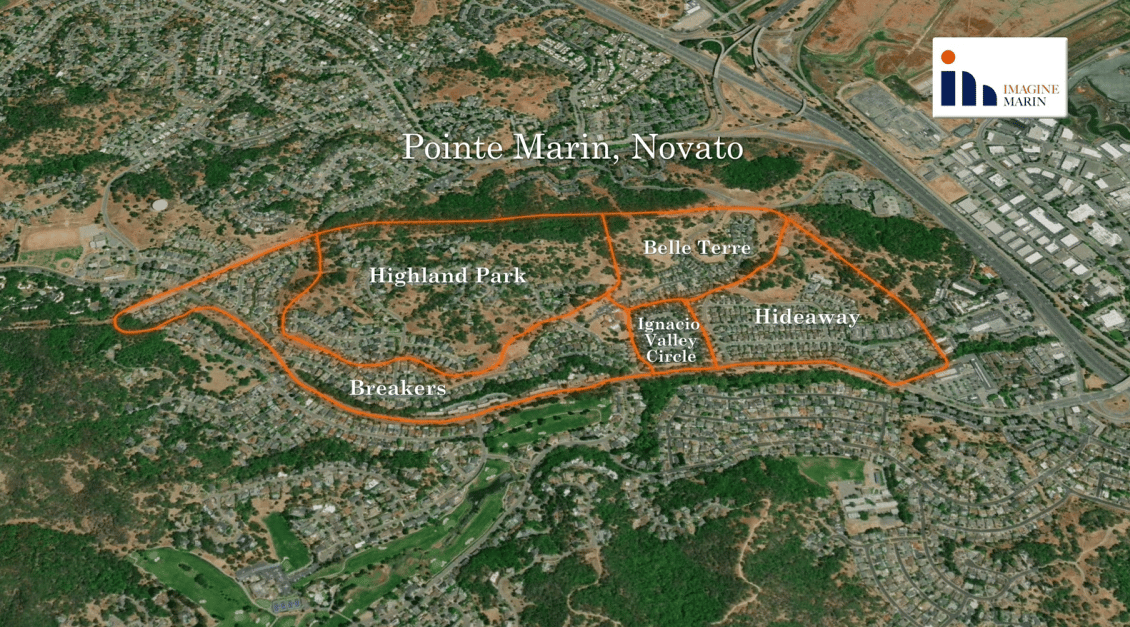
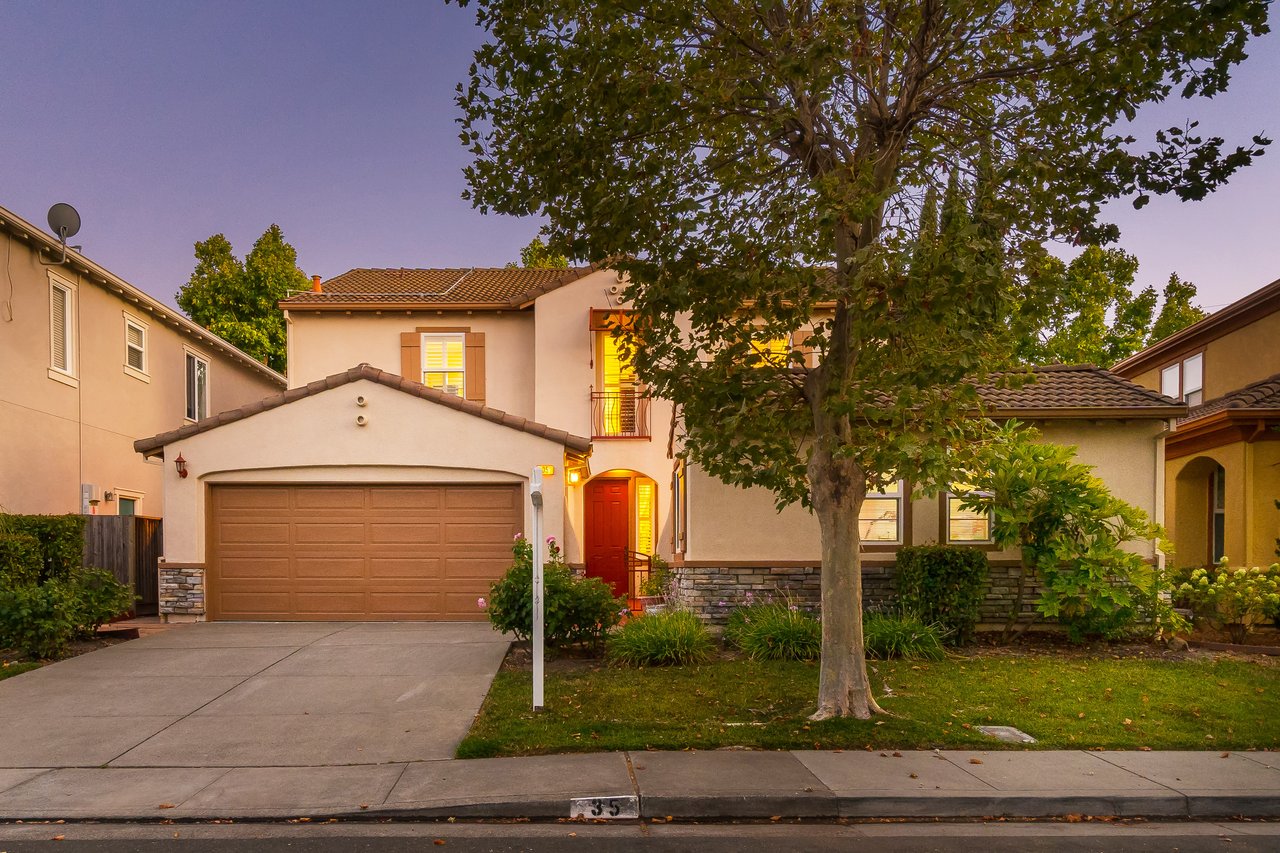
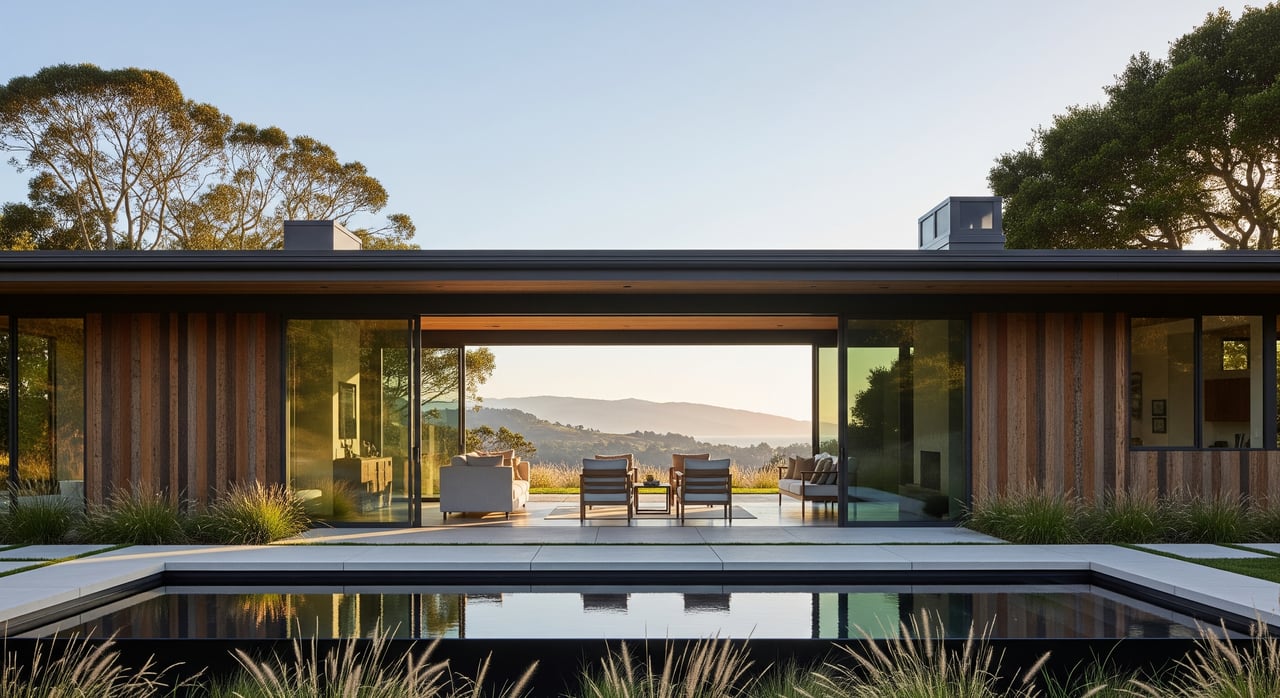
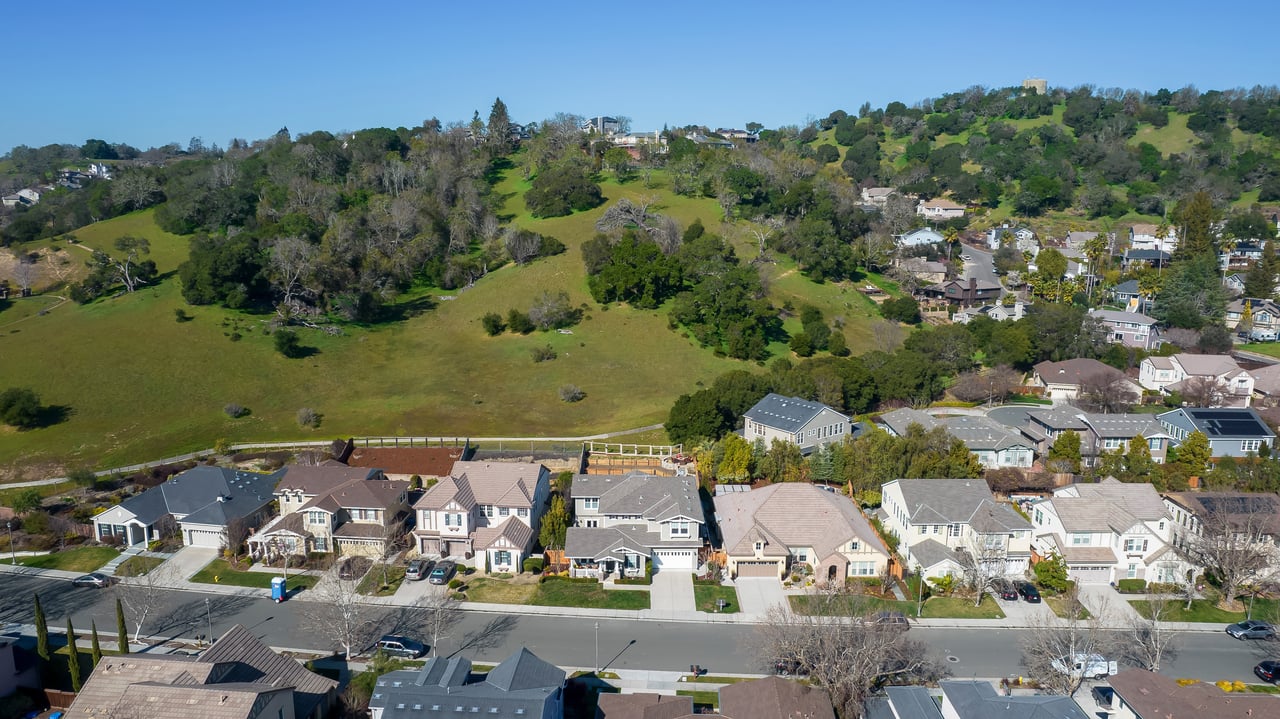
Pointe Marin sits in South Novato (94949), just west of Highway 101 and adjacent to Marin Country Club Estates. Far enough from the bay edge to escape the Hamilton Field afternoon wind, but inland of the corridor that runs along the marine-influenced eastern flank of Novato. The result is a more sheltered, sunnier feel than the Zone 17 bayfront neighborhoods, with summers that run warmer than Hamilton or Bel Marin Keys but cooler than the far-west inland pockets. A moderate middle.
The Hideaway and Breakers sub-pockets within Pointe Marin feel similar weather-wise — the sub-neighborhood split that matters here is price, not climate.
Marin Country Club Estates — Zone 15 with golf-course sunlight
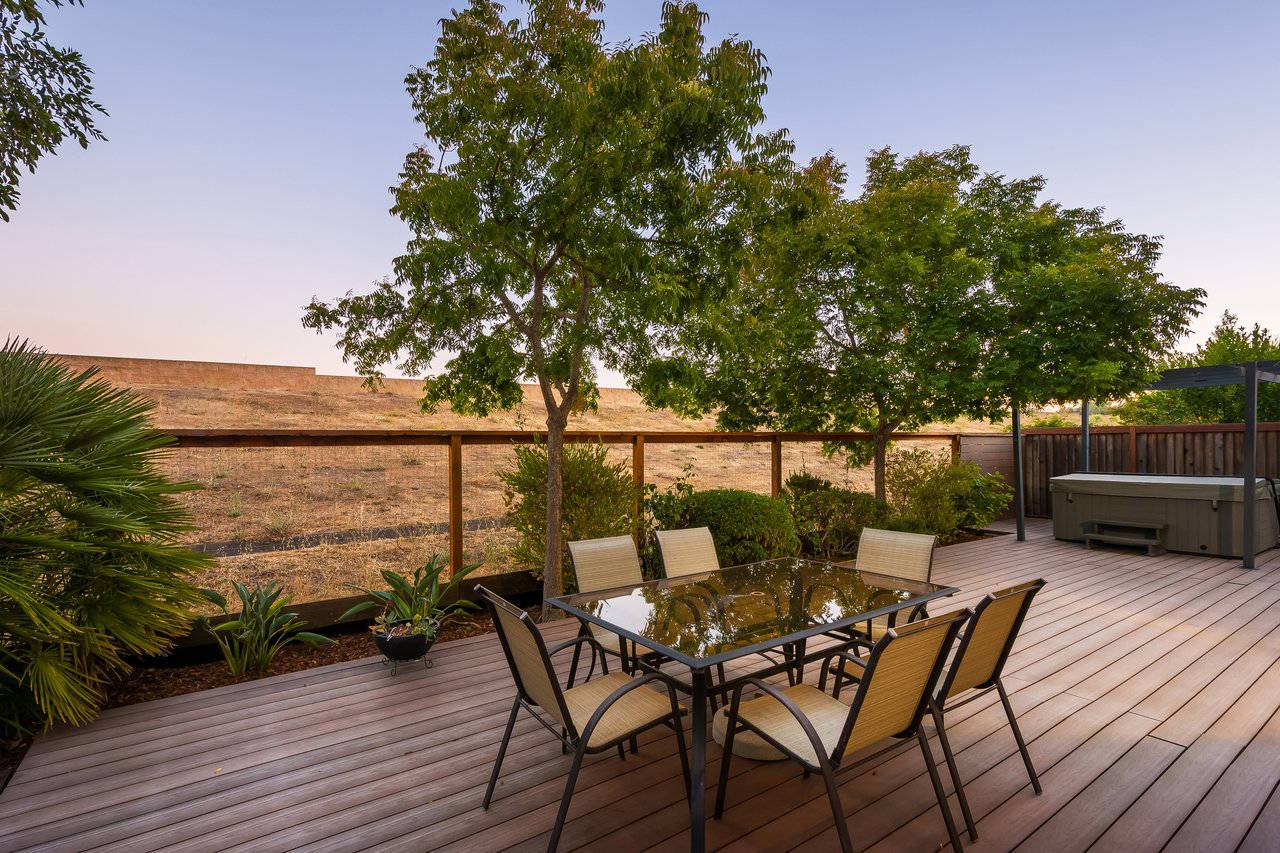
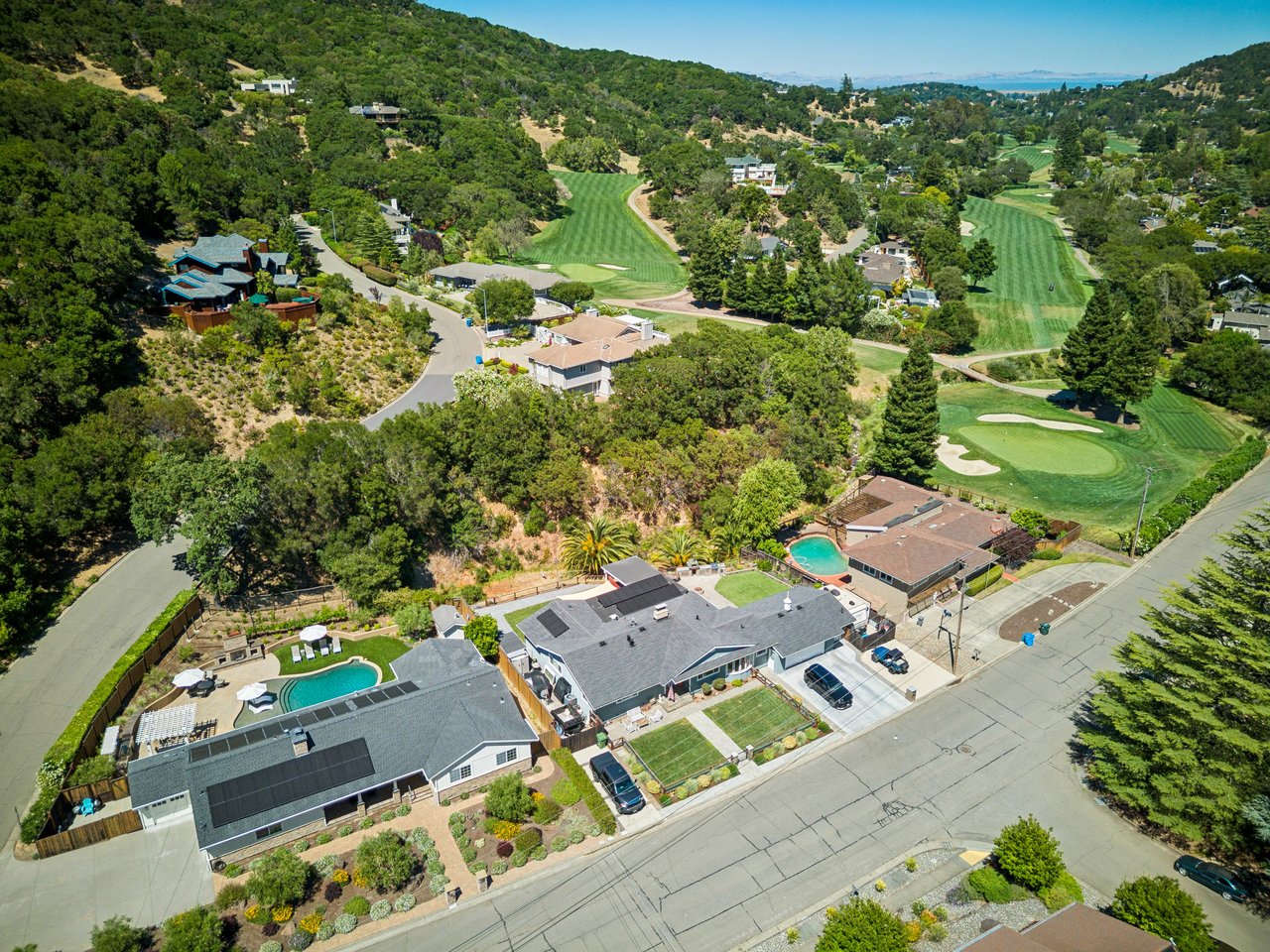
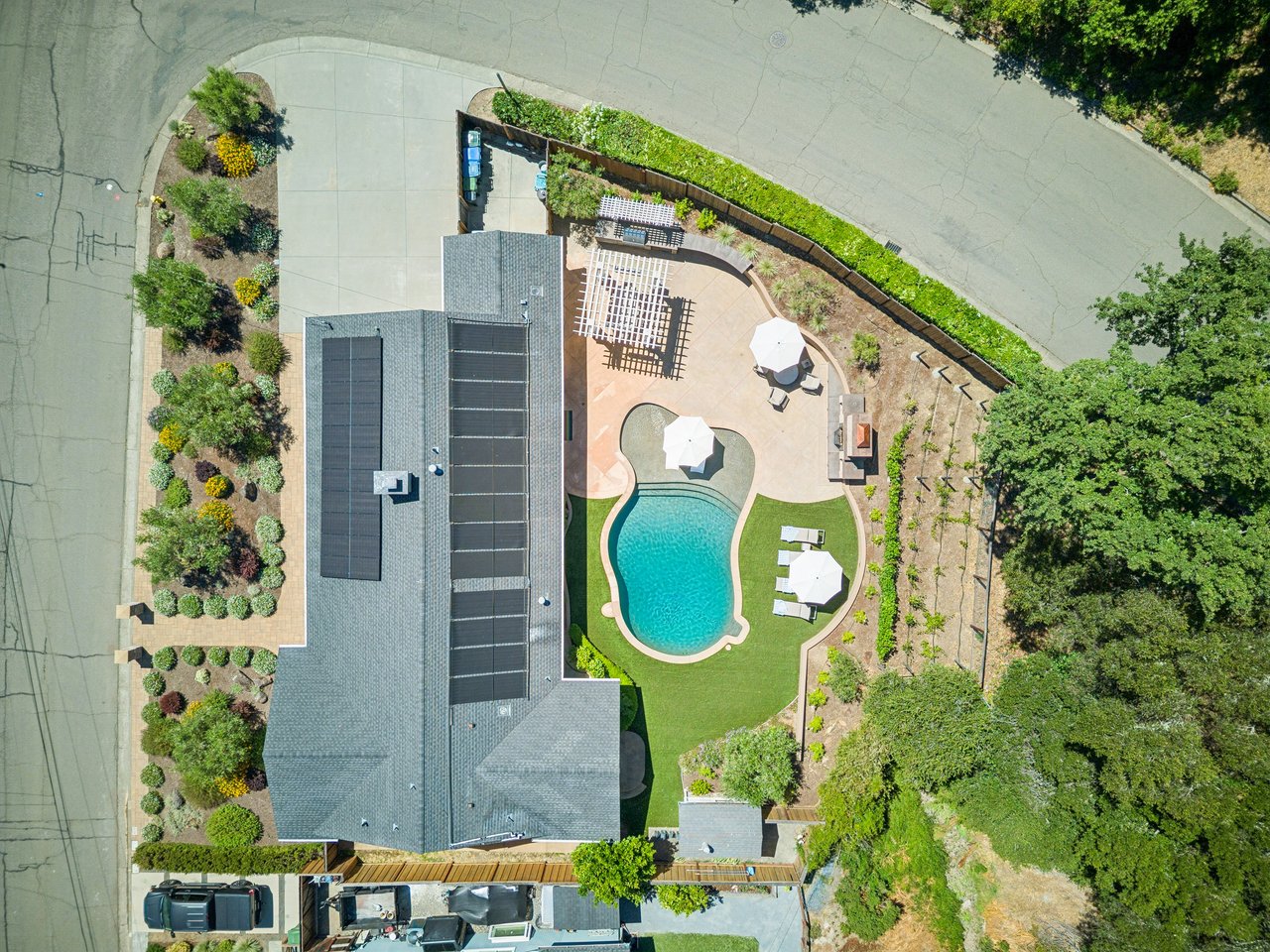
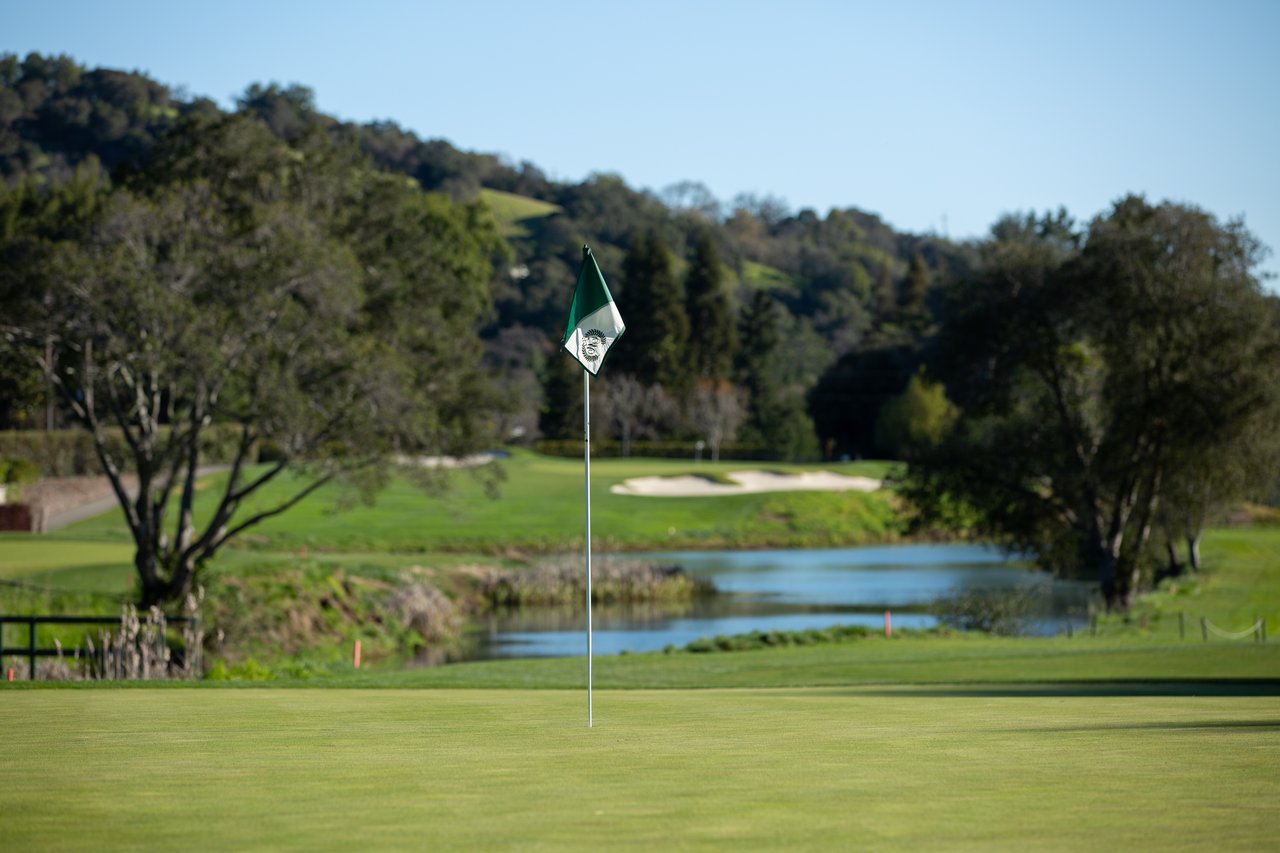
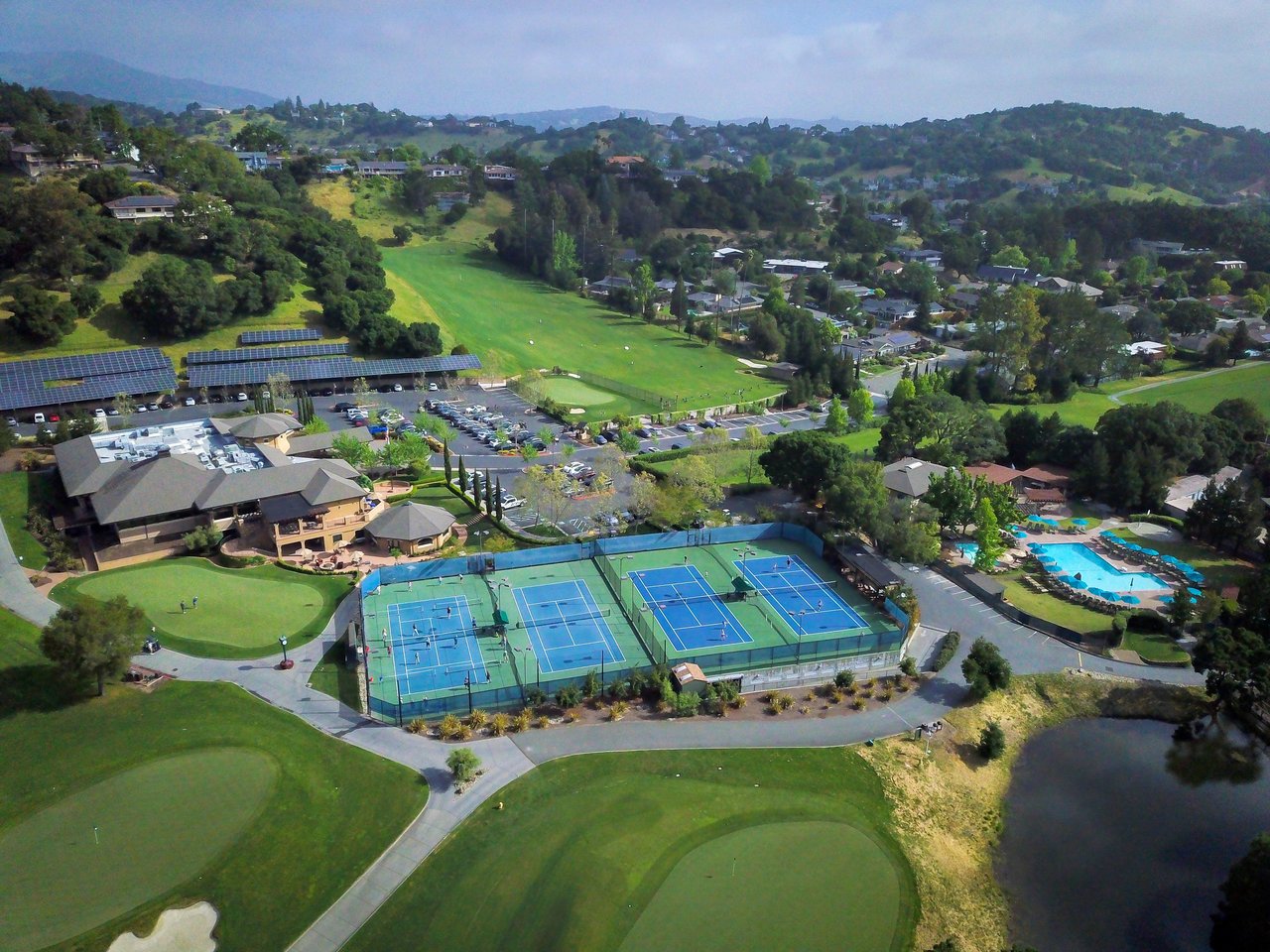
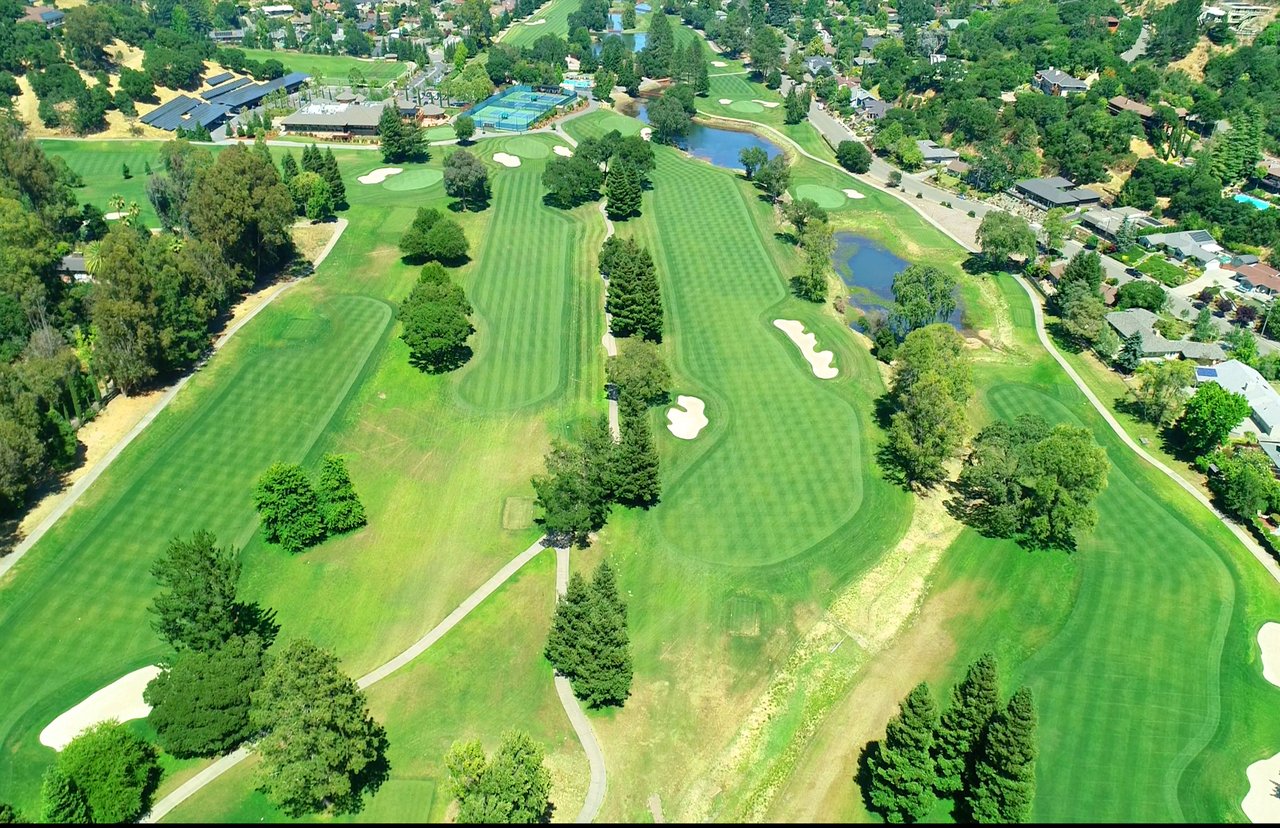
MCCE sits inland on rolling terrain around the Marin Country Club golf course, immediately east of Pointe Marin and west of Highway 101. Open fairway frontage means more direct afternoon sun than tree-lined inland streets. Backyards facing the course typically get full afternoon exposure — relevant for landscaping, pool comfort, and patio use. Same general climate band as Pointe Marin; the differentiator is the open course exposure.
Pacheco Valle — hillside, view-variable, commuter-positioned
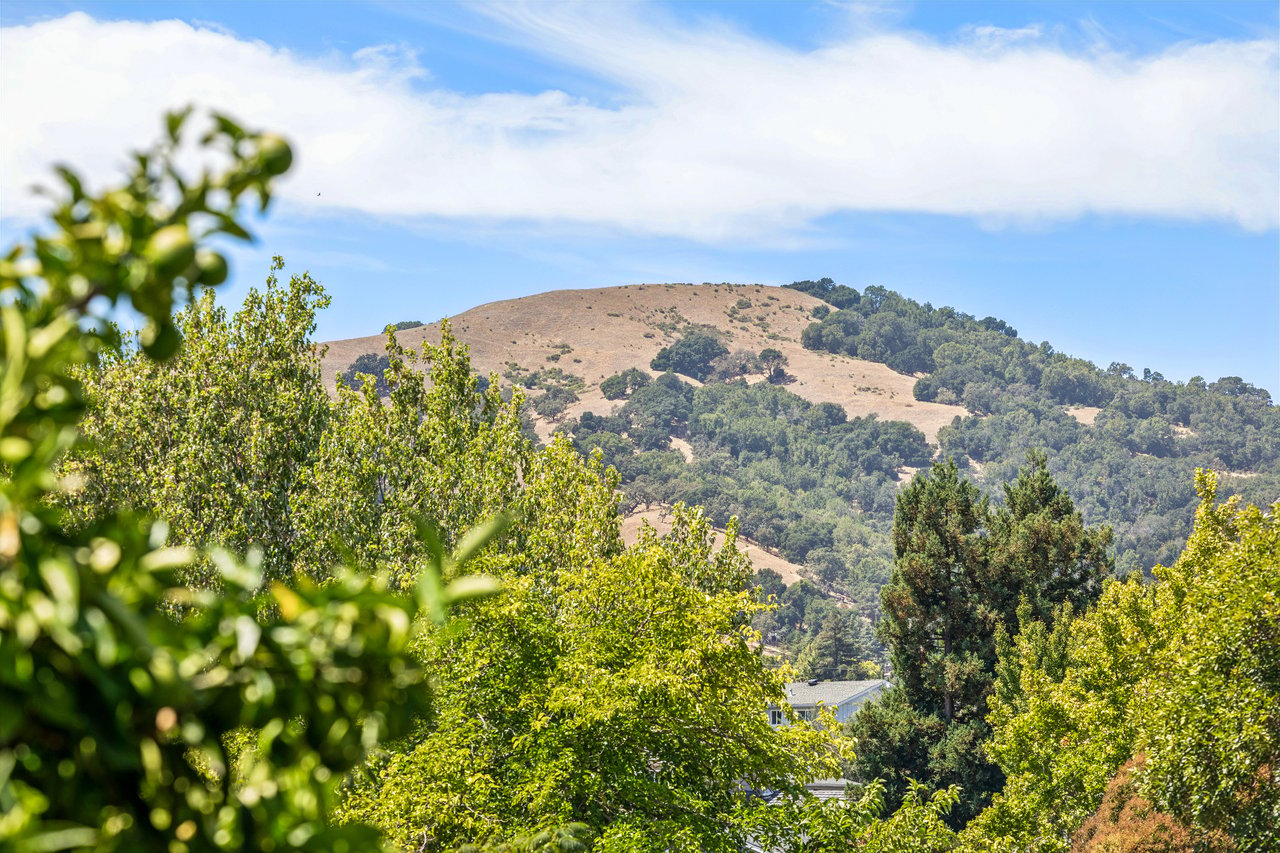
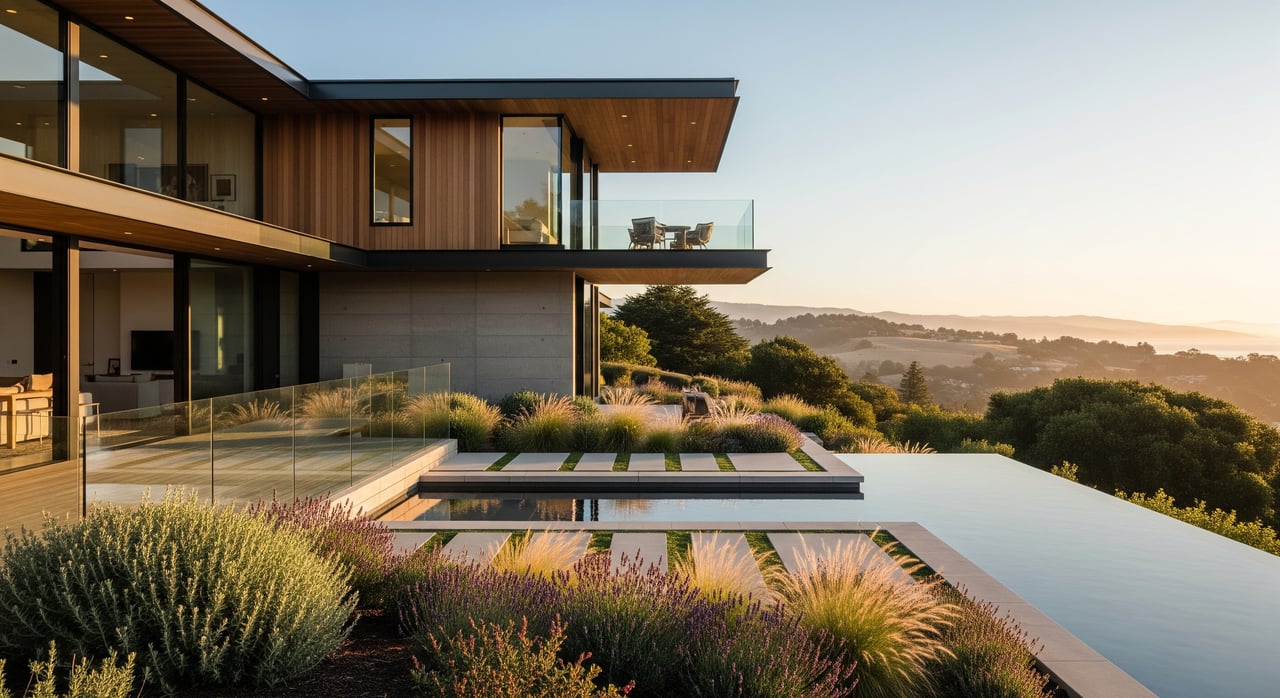
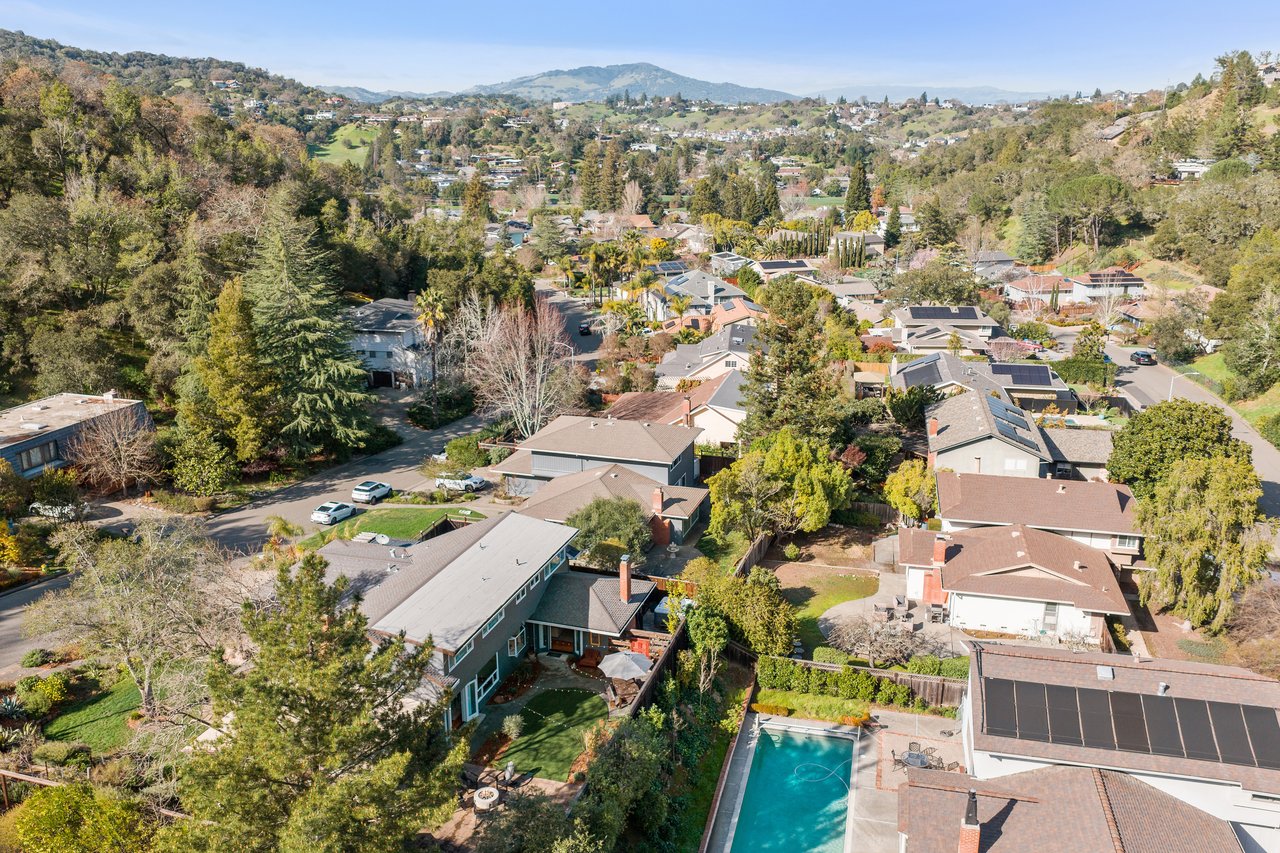
Pacheco Valle sits in southeastern Novato along the 101 corridor. Hillside topography means microclimate varies lot-to-lot — a south-facing slope a hundred yards from a north-facing lot can run several degrees warmer with longer daylight on the patio. Higher elevations escape some of the lowland fog pooling that affects valley-floor lots. Less marine influence than Hamilton or Bel Marin Keys; more topographic variability than Pointe Marin or MCCE.
Pleasant Valley and West Novato — the sun belt
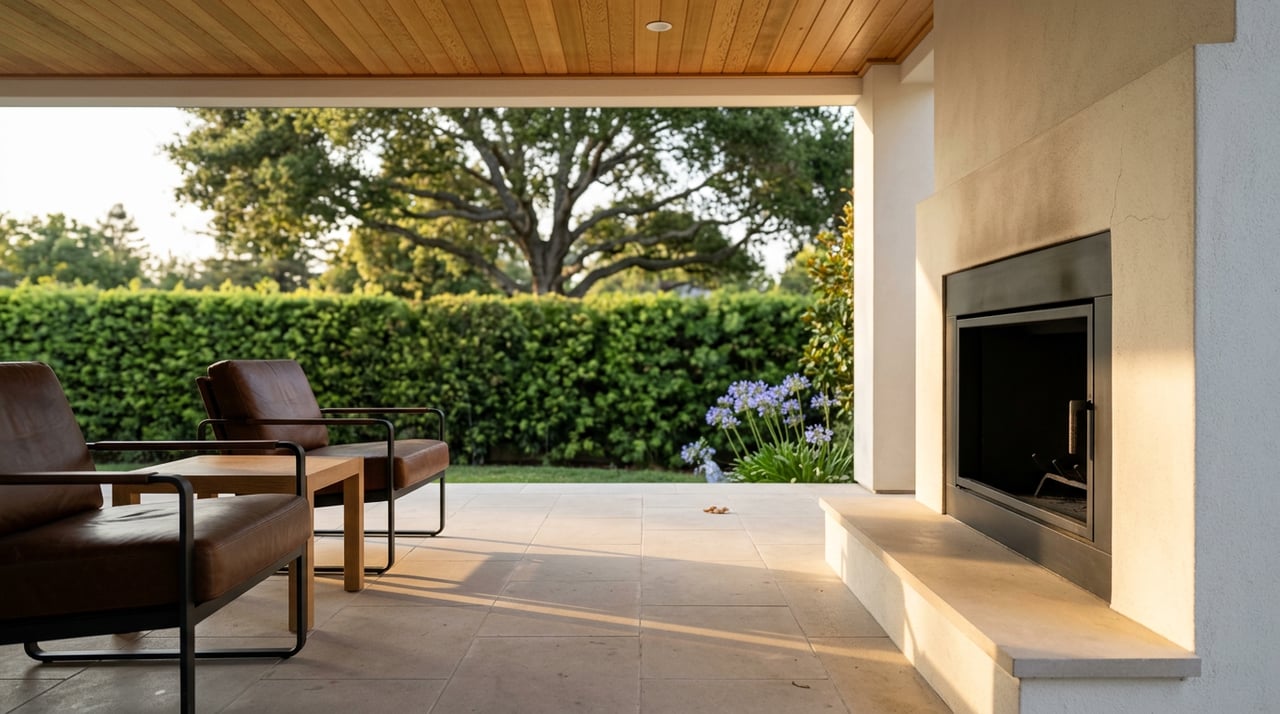
Pleasant Valley and the broader West Novato pocket are firmly Zone 15 inland. West-facing exposures here run hotter, windier, and drier — UC Marin Master Gardeners notes this directly: western exposure gets afternoon sun and is hotter, windier, and drier; eastern exposure is moister and less windy. Lowland valleys can hold colder air in winter. South-facing slopes get the longest growing season. A lot's orientation matters as much as the neighborhood's name.
What This Means for You
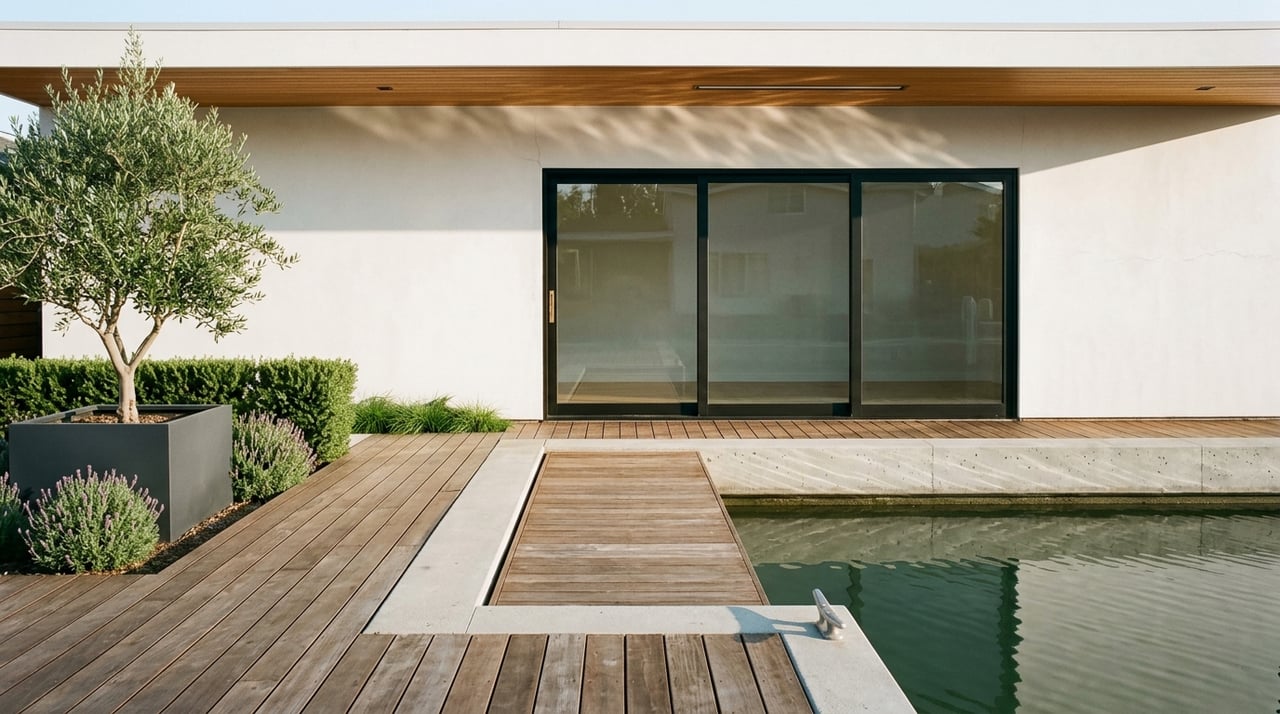
Sellers: The microclimate is part of how your home shows. A Hamilton Field listing photographed at 4 p.m. on a summer afternoon may show a wind-rippled flag and an empty patio. The same home at 10 a.m. — calm, sun-warmed, used. A Pleasant Valley listing reads opposite: morning cool, afternoon heat, west-facing yards that get punishing 4 p.m. sun without shade. Brief your photographer and your stager accordingly. If your yard's strength is morning calm, schedule showings around it. If it's evening shade, lean into it. The home doesn't change. The hour does.
Buyers: Visit the property at the time of day you'll actually use it. A 10 a.m. Saturday tour tells you almost nothing about whether the patio is comfortable at 5 p.m. on a Tuesday in July. For Hamilton Field and Bel Marin Keys, an afternoon visit will tell you whether the wind is a feature or a problem. For Pleasant Valley and inland west-side streets, an afternoon visit tells you whether you need afternoon shade you don't currently have. The Zillow listing will not show you any of this. The only way to know is to stand in the yard at the relevant hour.
Frequently Asked Questions
What Sunset climate zone is Novato in?
Novato spans two Sunset zones. Inland Novato — Pointe Marin, MCCE, Pleasant Valley, most of West Novato, Pacheco Valle hillside lots — is in Zone 15: warmer summers with afternoon winds and average winter lows of 28–21°F. Eastern Novato along the bay — Hamilton Field, Bel Marin Keys, parts of Ignacio — is in Zone 17: marine-effect climate with frequent fog, cooler summers, and average winter lows of 36–23°F.
How much windier is Hamilton Field than the rest of Novato?
Afternoon winds at Hamilton Field run roughly 5–10 mph stronger than West Novato. The bay-edge location means more consistent marine breeze, cooler evenings, and less heat buildup than inland streets.
Is Bel Marin Keys at risk from sea level rise?
The 2024 Marin County Civil Grand Jury sea-level-rise report names Bel Marin Keys among 19 Marin shoreline areas of concern for flooding and groundwater rise. A 2018 Union of Concerned Scientists report identified Marin County as leading California in the number of parcels potentially exposed to chronic inundation by 2045, with Bel Marin Keys cited as a documented example. A $115 million wetlands restoration project is in the public planning pipeline.
Does annual rainfall vary across Novato neighborhoods?
Materially, yes. Marin Water's Wise schedule guide pegs typical rainfall at roughly 50 inches in inland Zone 15 Novato and 33 inches in bayfront Zone 17 Novato — a 50-percent variance across one city.
Why does microclimate matter for home value in Novato?
It affects daily comfort, outdoor-living utility, landscaping choices, and how a home shows during a sale. Two homes at the same price per square foot in Hamilton Field versus Pointe Marin will live differently — that's a buyer-fit question, not a price question, but it shows up in days-on-market for homes that are mismatched to the buyer profile they attract.
What's the best time of day to visit a Novato home before buying?
The hour you'll actually use the yard. For bayfront homes (Hamilton Field, Bel Marin Keys), visit late afternoon to assess wind. For inland homes (Pointe Marin, MCCE, Pleasant Valley), visit late afternoon to assess west-facing sun exposure. A morning showing tells you almost nothing about either.
Reply with your address and I'll send you the closed-comp picture for your specific street within 24 hours — not a Zestimate, not a county average. For more neighborhood-level video tours, the Imagine Marin YouTube channel covers Novato's 94949 micro-markets in depth.
-Kyle
Serving Marin County & San Francisco's North Bay Region Kyle Frazier | Imagine Marin | COMPASS Cell: 415-350-9440 | [email protected] www.imaginemarin.com DRE#: 01405738 JD | Broker Associate | CRS | CLHMS Board of Directors, Marin Assoc. of Realtors, Marin Platinum Group and Top Agent Network