Quick Answer: Inverness is an unincorporated West Marin village of roughly 1,300 residents (ZIP 94937) on the forested western shore of Tomales Bay, named for the Scottish Highlands town by the Shafter family in 1889 and functioning today as the residential gateway to Point Reyes National Seashore. The market is cabins, cottages, and post-1995 custom homes on wooded lots between the bay and Inverness Ridge, where the Mount Vision Fire remains the community's defining reference point. The infrastructure is distinctively local: the Inverness Public Utility District supplies water and runs the volunteer fire department, every property is on septic, and Marin County's coastal short-term-rental cap applies. Downtown is two blocks — Saltwater Oyster Depot, Vladimir's Czech Restaurant, the Inverness Store, and the famous shipwreck behind it — and that is precisely the point.
Key Takeaways
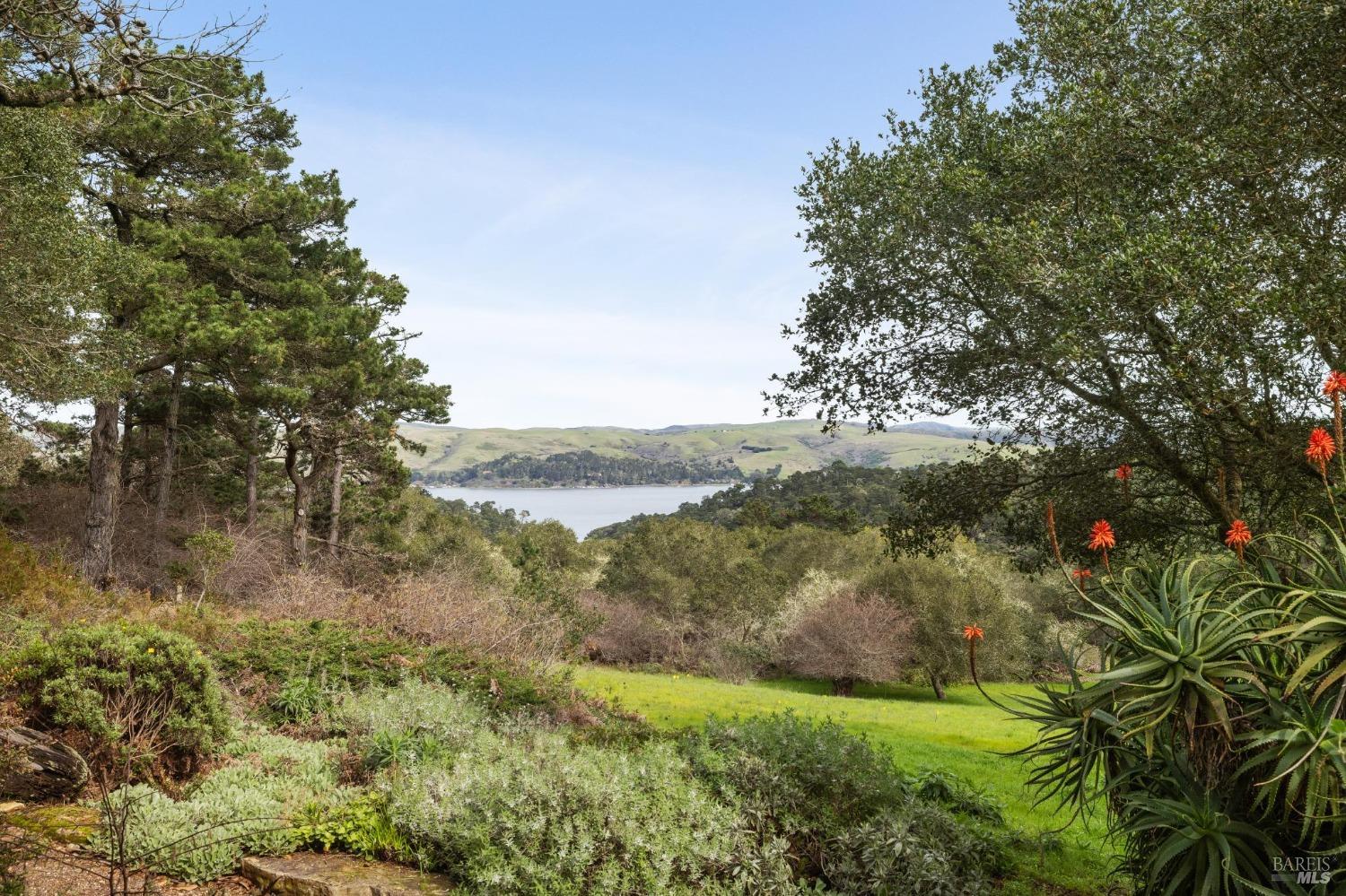
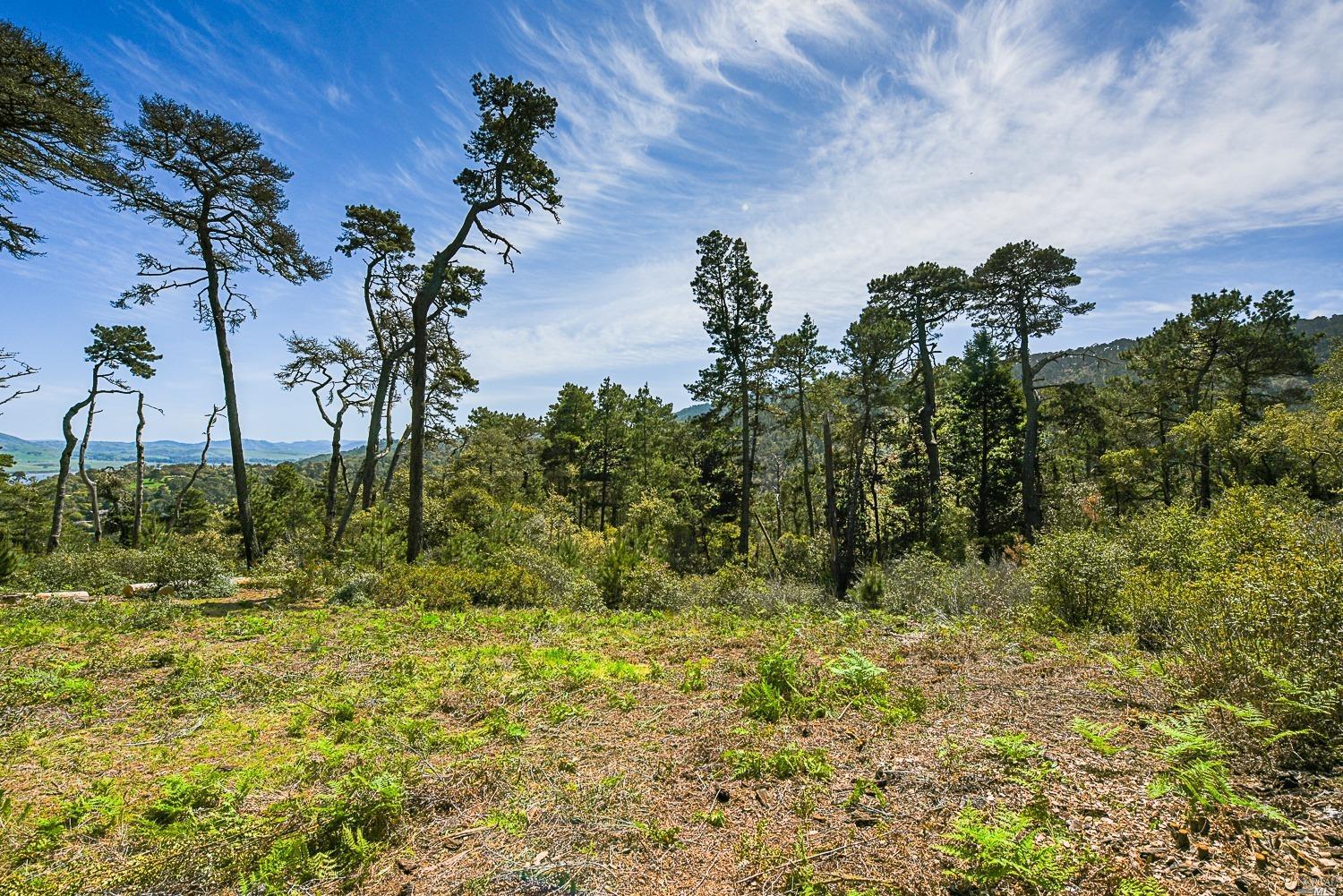
Inverness occupies the narrow, forested band where Inverness Ridge meets Tomales Bay — Bishop pine and Douglas fir above, tidewater below, and Sir Francis Drake Boulevard threading the shoreline as the community's single spine. The Shafter family subdivided and named it in 1889 for the Scottish Highlands town, and the Scottish thread survives in lane names climbing off the boulevard. Point Reyes National Seashore wraps the west and Tomales Bay State Park the north, which settles the supply question permanently: Inverness is finished growing.
The community is really two hamlets plus a ridge. Inverness proper holds the two-block downtown, the yacht club, and the lanes rising into First and Second Valley and toward Seahaven on the ridge. Inverness Park, three miles south, is the smaller settlement around its market and Tap Room, with Paradise Ranch Estates on the slope above — ground the 1995 fire hit hard and the community rebuilt. Governance is unincorporated Marin County with one distinctive local layer: the Inverness Public Utility District, which both delivers the water and runs the volunteer fire department.
Inverness is a patience market. In my quarter-by-quarter BAREIS MLS analysis, annual turnover runs in handfuls, the buyer pool divides between full-time residents who chose deliberate remoteness and second-home buyers who chose the same thing part-time, and pricing spans an unusually wide band — modest cabins to architecturally serious bay-view homes — because the housing stock itself does. Quiet sales are a standing feature; in a village where everyone knows the housing stock by heart, many transactions begin as conversations long before any listing exists.
Two patterns decide outcomes. First, the West Marin file leads: septic capacity and condition, water-district status, fire-insurance answers, and — on the ridge — the defensible-space and evacuation picture. Sellers who assemble that file before listing convert the region's known frictions into non-issues; buyers who sequence it early win the rare competitive situations. Second, condition under canopy is priced precisely: moisture is the patient adversary of every wooded coastal house, and homes with documented roof, drainage, and foundation care trade at a visible premium over deferred ones.
This guide is deliberately evergreen, so the perishable numbers live where I update them constantly: my Marin Market Intelligence briefings and video library carry the current quarter's BAREIS MLS data for Inverness, and you can browse current listings at any time — noting that here, the public inventory is rarely the whole story. My off-market channel covers the rest.
For a village this size, the table is remarkable — and knowing it is part of knowing the market. Downtown's most famous restaurant (note: Saltwater Oyster Depot, the neighborhood oyster-and-wine room, was shut down in August 2025) is Vladimir's Czech Restaurant, the beloved institution that has poured Czech beer and served goulash by the bay for more than six decades — as close to a village pub as West Marin gets. Across the street, the Inverness Store covers groceries, a genuinely good deli counter, and morning coffee, with the famous shipwreck on the sand out back.
Three miles south, the Inverness Park Market and the Tap Room beside it carry the everyday — deli sandwiches bound for the Seashore, local beer on tap after the trail. Point Reyes Station, ten minutes on, completes the provision map: the Palace Market for the full basket, the Bovine Bakery for the pastry case that fuels half of West Marin, and the Point Reyes Surf Shop for boards and wetsuits headed to Limantour and the Great Beach. On the water side, Blue Waters Kayaking rents and guides from the Inverness shoreline — including the bioluminescence paddles that turn moonless summer nights luminous — and Motel Inverness hosts the overflow when your guest room fills. The Inverness Fair each August puts the whole community on one lawn.
Inverness rewards a slow arrival — and demands a second visit in winter rain, because the roads, the moisture, and the light all tell diligence truths that a sunny Saturday hides. Bring the tide chart; the bay is a different place at high and low water.
Stop 1 — Inverness Park. Arriving on Sir Francis Drake from Point Reyes Station, pull in at the Inverness Park Market. This is the southern hamlet's whole center — deli, Tap Room, community bulletin board — and Paradise Ranch Estates on the ridge above is the neighborhood the 1995 fire taught hardest. Note your cell signal here, and keep noting it; connectivity is parcel-specific in the folds.
Stop 2 — The downtown two blocks. Continue north into Inverness proper and park once for everything: Saltwater Oyster Depot, Vladimir's, the Inverness Store. Walk behind the store to the S.S. Point Reyes — the grounded fishing boat that may be the most photographed object in Marin, charred by a 2016 photo-shoot fire and iconic anyway. Buy your coffee first; the parking is the store's.
Stop 3 — First and Second Valley. Turn up into the wooded lanes and drive them slowly. Read the canopy density over each candidate street, the drainage paths beside the road, the sun exposure by orientation — and the road surface itself, which is the winter question. The Scottish lane names are the 1889 founding's signature; the moss on the north-facing roofs is the diligence memo.
Stop 4 — The ridge at Seahaven. Climb to the upper neighborhoods and watch the forest change: the young, dense Bishop pine stands are the 1995 fire's regeneration — a species whose cones open with heat — growing beside the survivors. Bay views open over the treetops, and the wildfire conversation becomes physical: defensible space, the road you'd descend in an emergency, the insurance quote you'll price in week one.
Stop 5 — The bay shore. Descend and follow the water: Chicken Ranch Beach at the village edge, the yacht club, the kayak put-ins, and — ten minutes north — Heart's Desire Beach in Tomales Bay State Park, the calm wooded cove that is the bay's flagship swim. If the season's right, book a bioluminescence paddle and see the town's greatest amenity after dark.
Stop 6 — Into the Seashore. Finish by continuing out Sir Francis Drake into Point Reyes National Seashore — the Cypress Tree Tunnel a few minutes on, Mount Vision Road's overlook for the whole geography in one frame, and the lighthouse at the end of the road for the full pilgrimage. This is the backyard; the tour's last lesson is how much of it there is.
Optional extensions. Loop Point Reyes Station's provision map at a busy Saturday hour; drive the full route to central Marin at your honest schedule — both directions — before committing; or continue up the bay shore toward Marshall's oyster country. A dedicated Inverness profile video is on my production calendar — the written tour above is its working script; meanwhile every Marin tour lives on my channel @KyleFrazier and in the Imagine Marin video library.
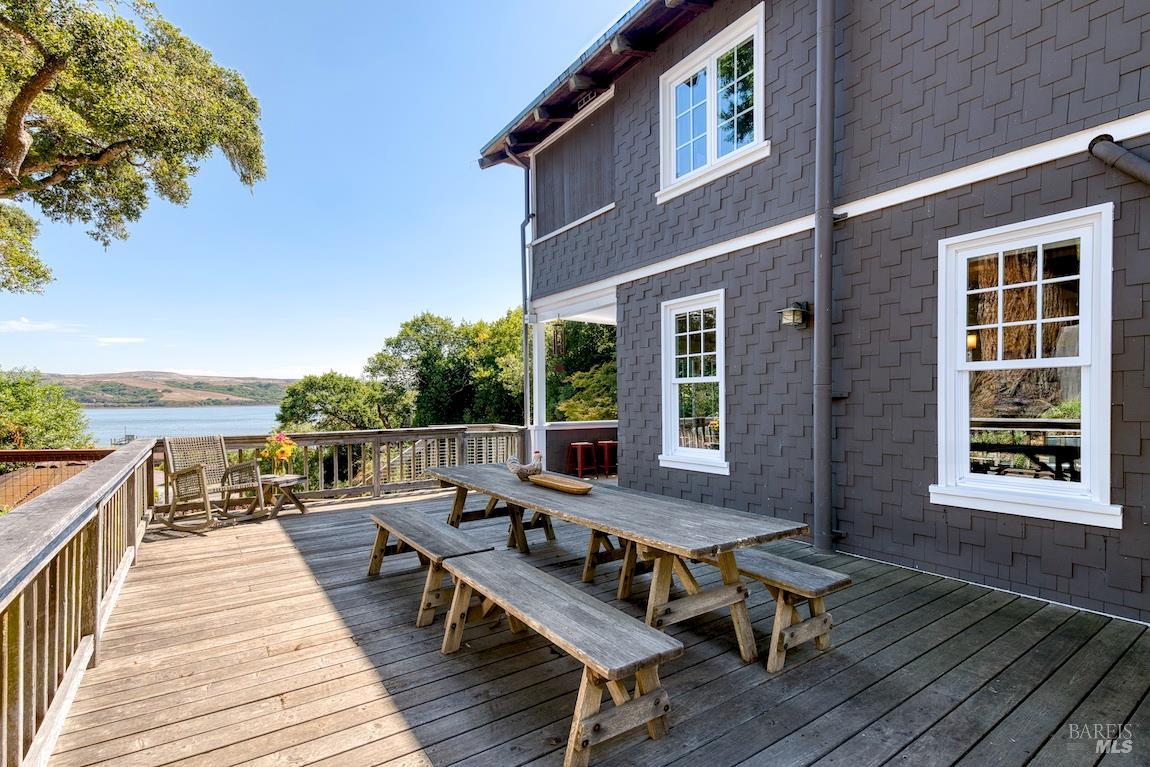
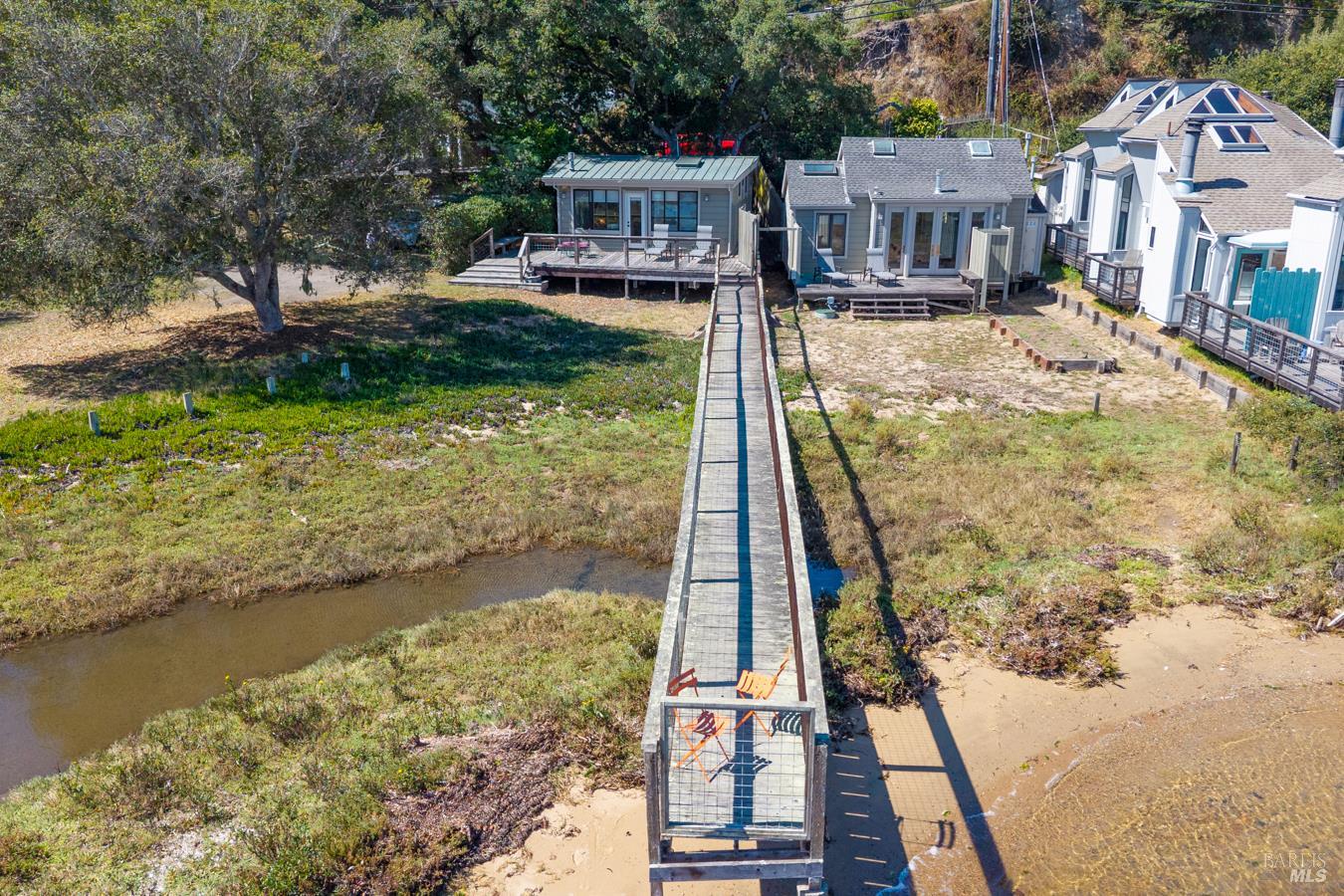
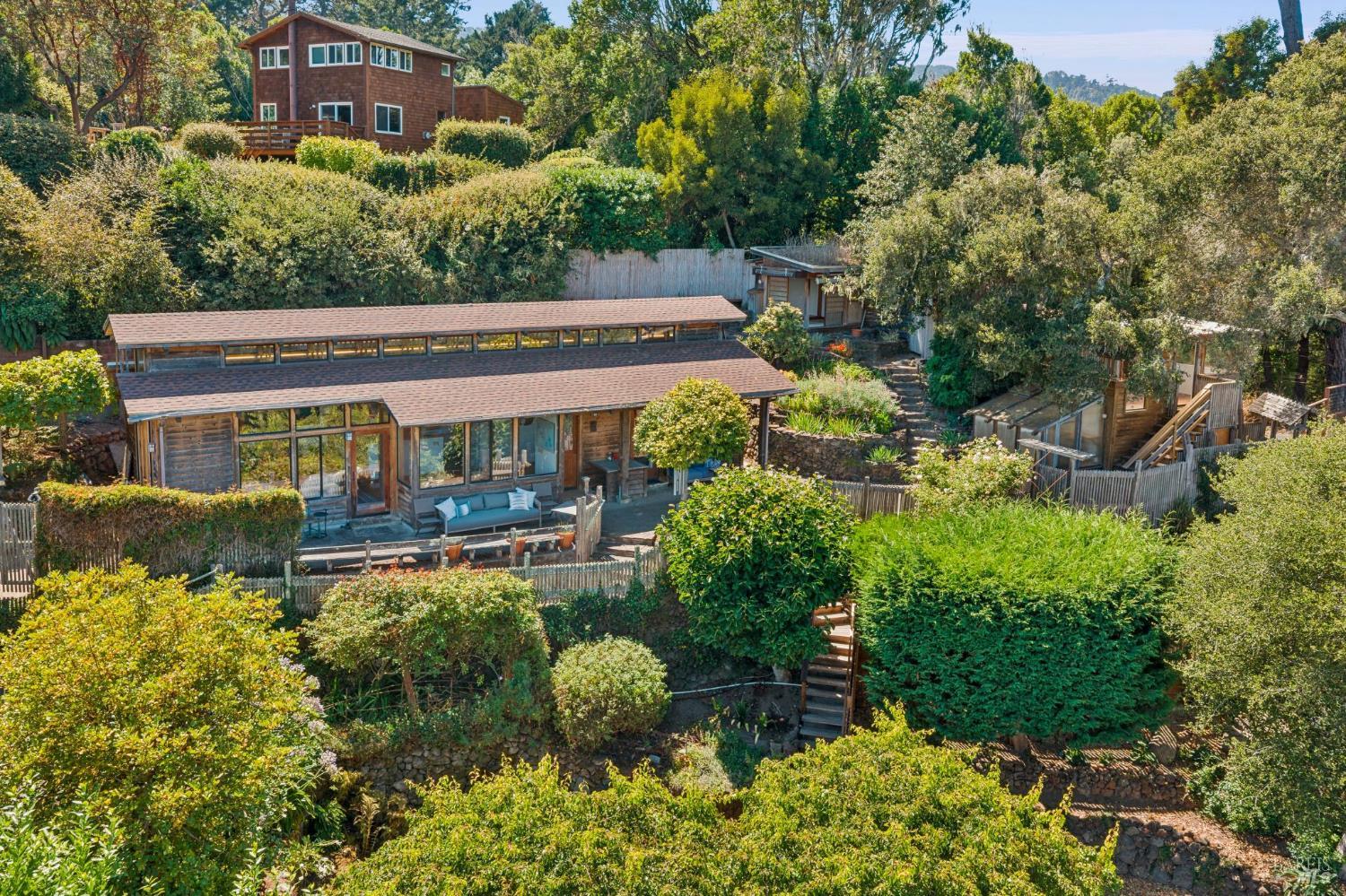
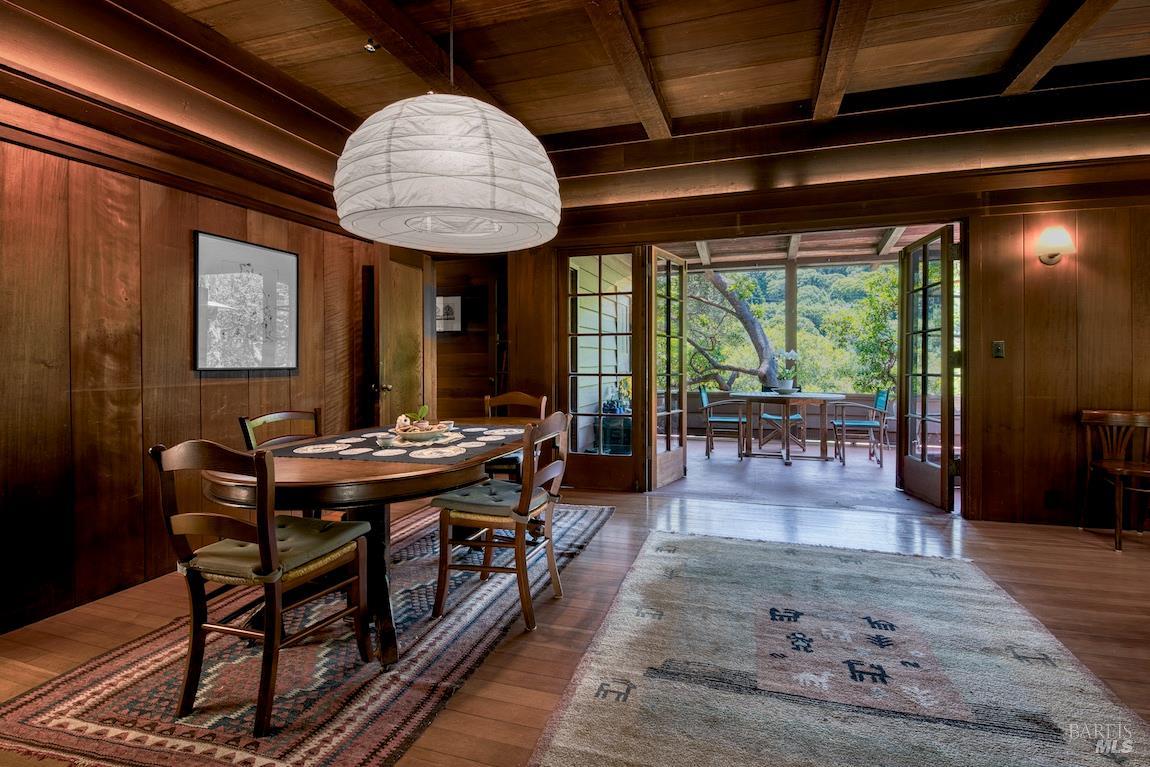
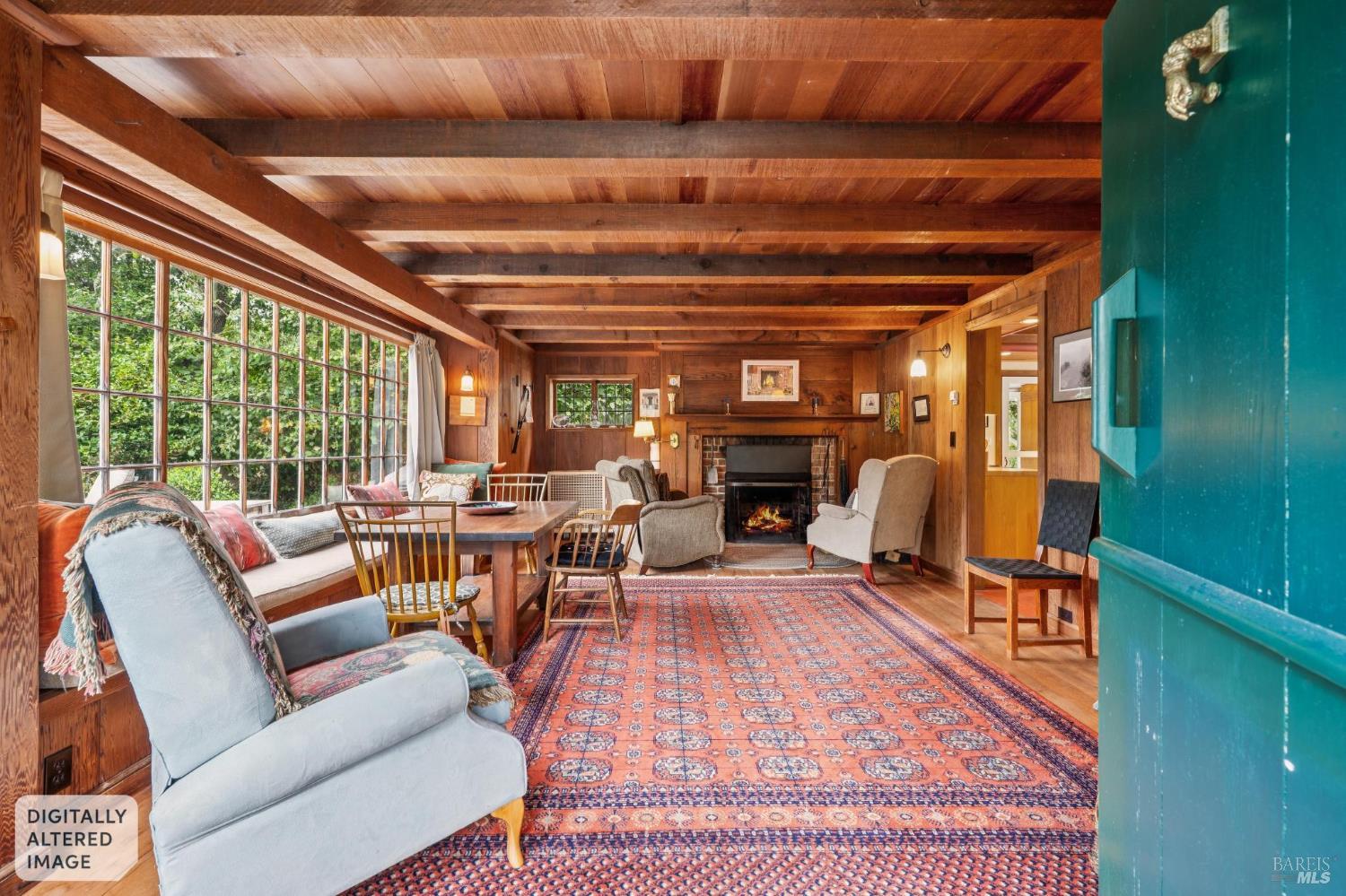
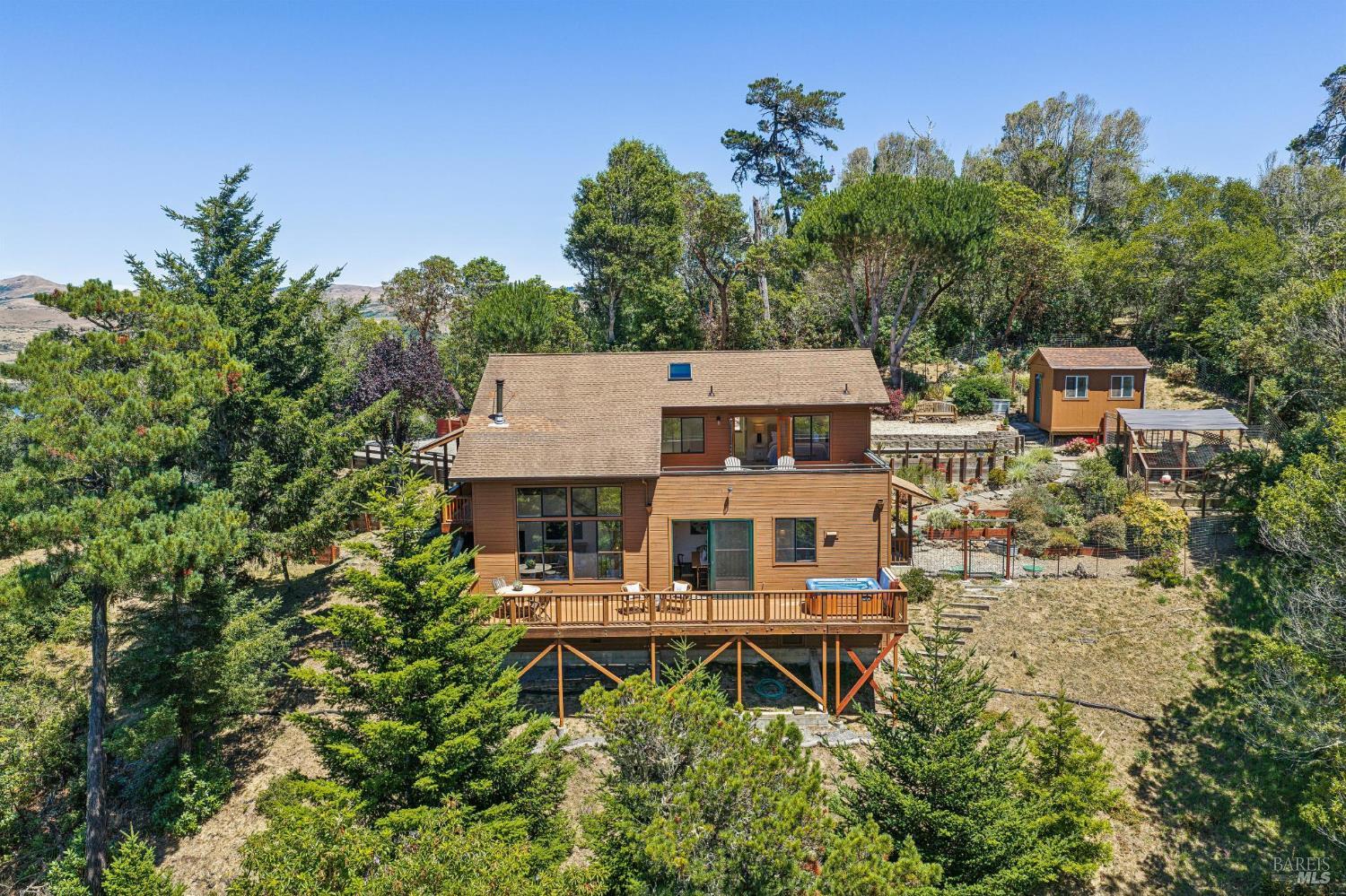
The stock reads as the village's biography: early-1900s summer cottages from the railroad-resort era, mid-century cabins and A-frames under the canopy, architecturally serious bay-view homes on the slopes, and the post-1995 chapter — custom rebuilds on the ridge that date themselves to the fire. Lots run wooded and irregular, privacy is the shared amenity, and almost nothing is standard — which is exactly what the market's devoted buyer pool is here for.
The diligence stack is rural-coastal-grade: the septic file first (type, capacity, condition, expansion feasibility under county environmental health), then water-district status with IPUD, then the moisture ledger — roofs, drainage, foundations, and pest history under deep canopy in a foggy climate — then fire insurance verified in writing early, AB 38 defensible-space documentation in designated zones, road access and winter passability on the lanes, and cell connectivity if remote work is the plan. None of it is optional; all of it is manageable when sequenced from day one.
Daily life runs on the bay and the trail. Mornings might mean coffee at the Inverness Store and a paddle from the beach; the Seashore's trail network — from Mount Vision's overlooks to Limantour's dunes — is the standing weekend; and the evening question is Saltwater or Vladimir's. The Inverness Yacht Club carries the sailing calendar, the Jack Mason Museum keeps West Marin's history, the August Inverness Fair puts the village on one lawn, and Point Reyes Station supplies everything else ten minutes away. Winter belongs entirely to the locals: storm light on the bay, mushrooms in the forest, and the quiet the whole arrangement exists to protect.
Inverness belongs to the Shoreline Unified School District — a different pathway from Marin's Tamalpais-bound towns — with West Marin School in Point Reyes Station serving the elementary and middle grades and Tomales High School to the north. Small rural districts adjust campus configurations more often than suburban ones, so verify current assignments and transportation logistics for any specific address, and consult GreatSchools and the California School Dashboard directly for performance data.
One road, honestly measured: Sir Francis Drake Boulevard is the way in and out, and central Marin runs 50 to 70 minutes on its two winding lanes — San Francisco comfortably past ninety at peak. This is not a commuter address; it is a remote-work, flexible-schedule, and second-home address, and its residents chose the distance on purpose. Two practical notes: verify cell and internet service at the specific house before assuming the remote-work plan works, and drive the route in winter rain once before you commit — the road is the town's membership test, and most residents come to love it.
The structural stack: no Mello-Roos, no HOAs outside small road or mutual-water arrangements worth confirming in title, standard county parcel taxes including the Marin Wildfire Prevention Authority (Measure C) levy, and the Inverness Public Utility District's water charges. I pull the actual tax bill for any property a client is serious about.
The moisture ledger and the fire ledger, together: roof, drainage, and foundation vigilance under canopy; pest and rot history; defensible-space maintenance as a standing line item; and fire insurance priced in writing during week one — coverage in West Marin is expensive and selective, and it shapes deals. On the lanes, add road maintenance reality and winter passability.
Septic ownership is real ownership: inspection, pumping, and eventual replacement belong in the long-term budget, and capacity constrains what the house can legally become. Water-district status, storage, and conservation rules complete the file. Sequenced early, none of it surprises; surfaced in escrow, all of it stalls.
Inverness takes fire seriously because it has to: the October 1995 Mount Vision Fire burned more than 12,000 acres of the ridge and the Seashore and destroyed dozens of homes, and the forested slopes carry elevated Fire Hazard Severity Zone designations today. The Inverness Volunteer Fire Department — operated through the utility district — is the first line, the Marin Wildfire Prevention Authority funds county-wide vegetation management and evacuation planning, and California's AB 38 defensible-space documentation applies at sale in designated zones. The buyer sequence is non-negotiable here: CAL FIRE viewer, written insurance quote in week one, evacuation-route clarity, and defensible-space budgeting. On every ridge purchase I represent, that file opens before the offer does.
West Marin offers three distinct answers to the get-away-from-it-all question. I maintain full guides to Stinson Beach and Nicasio as well.
Inverness | Stinson Beach | Nicasio | |
|---|---|---|---|
Landscape & character | Forest village on Tomales Bay; the Seashore's residential gateway | The beach town — the county's great strand and its visitor economy | Ranchland valley around a historic town square |
Dominant housing | Cabins, cottages, bay-view customs, post-1995 ridge rebuilds | Beach cottages, the Calles grid, Seadrift waterfront | Horse properties, ranches, homes around the square |
Infrastructure reality | IPUD water + volunteer fire; septic; one road in | Own water district with wastewater oversight; septic; coastal permits | Wells and septic; rural county services |
Hazard profile | Forested WUI — the Vision Fire's territory; bayside moisture | Coastal flood/tsunami/erosion plus hillside WUI | Grassland-and-oak WUI; rural road access |
Visitor pressure | Seashore flow-through on the boulevard; quiet lanes | The county's heaviest — thousands on warm weekends | Minimal — the quietest of the three |
Short-term rentals | County-capped and licensed in coastal West Marin — verify current status | County rules apply — verify for inland West Marin | |
Relative price position | Wide cottage-to-retreat band below Stinson's waterfront tier | Wide band topping out at Seadrift's county-top waterfront | Acreage-driven; fewer, larger transactions |
Geography and protection: the village occupies a narrow band between Tomales Bay and Inverness Ridge, with Point Reyes National Seashore and Tomales Bay State Park sealing the west and north, and Sir Francis Drake Boulevard as the single road in. Roughly 1,300 residents, a housing stock of cabins, cottages, and custom homes that rarely turns over, and no meaningful capacity to grow — when an Inverness property surfaces, it draws a buyer pool that has often been waiting years.
In October 1995, a fire that began on Mount Vision burned more than 12,000 acres of Inverness Ridge and the Seashore and destroyed dozens of homes, concentrated in the ridge neighborhoods. Three decades later it remains the community's defining reference point: the rebuilt homes date the housing stock, the regenerated Bishop pine forest — a species whose cones open with fire — tells the ecological story, and the event permanently shaped how Inverness thinks about defensible space, insurance, and evacuation.
Serious, and the community treats it that way. The forested ridge carries elevated Fire Hazard Severity Zone designations, the Inverness Volunteer Fire Department — operated through the local utility district — is the first line, and the Marin Wildfire Prevention Authority's programs apply county-wide. Practical buyer sequence: verify the address in the CAL FIRE viewer, get a written fire insurance quote in week one (coverage here is expensive and selective), factor AB 38 defensible-space documentation, and know your evacuation route on day one.
The Inverness Public Utility District — a distinctive local arrangement in which one small district both supplies the community's water and operates its volunteer fire department. Small systems live close to their supply, so conservation rules, connection status, and storage questions deserve early diligence attention, and the district's dual role makes it the single most important local agency for any Inverness owner to know. Confirm service details for the specific parcel during escrow.
No — properties run on septic and other onsite wastewater systems under Marin County environmental health oversight, and the septic file leads every transaction: system type, condition, permitted capacity, and expansion feasibility. The wooded, wet setting adds its own layer — dense canopy and coastal moisture make drainage, roofing, and foundation condition standing inspection priorities. Budget for the full rural-systems inspection scope; in Inverness it is where deals are actually decided.
Not automatically. Marin County caps and licenses short-term rentals in coastal West Marin communities including Inverness — licenses are limited, rule-bound, and not guaranteed to be available or transferable when you want one. If rental income is part of the purchase math, verify the current ordinance, license availability, and waitlist status before writing the offer. I check this on every West Marin engagement because the rules have continued to evolve.
The S.S. Point Reyes — the weathered wooden fishing boat grounded on the Tomales Bay sandbar behind the Inverness Store — is one of the most photographed objects in Northern California, a default subject for every photographer who passes through. A 2016 fire, widely attributed to a photo shoot gone wrong, charred part of the boat, but it remains in place and remains iconic. Local etiquette: buy something at the store before using the parking.
The two-block downtown holds the pair that defines the town: Saltwater Oyster Depot, the neighborhood oyster-and-wine room built on Tomales Bay's harvest, and Vladimir's Czech Restaurant, pouring Czech beer and serving goulash as an institution for more than six decades. Five minutes south, the Inverness Park Market's deli and the Tap Room beside it cover the everyday — sandwiches, local beer on tap — and Point Reyes Station adds the Bovine Bakery and the rest of West Marin's table.
The Inverness Store anchors downtown — groceries, a genuinely good deli, coffee, and the shipwreck out back — with the Inverness Park Market as the second provision stop and the Palace Market in Point Reyes Station, ten minutes away, for the full basket. Gear runs through Point Reyes Station too, including the Point Reyes Surf Shop for boards and wetsuits bound for the Seashore's breaks, and Blue Waters Kayaking on the bay for paddling equipment and tours.
One of the best flat-water paddling environments in California, and Inverness sits on its shore: protected water, harbor seals and bat rays below, boat-in beaches along the state park shoreline, and — on moonless summer and fall nights — bioluminescence paddles where every stroke lights up. Blue Waters Kayaking operates from the water's edge in Inverness with rentals and guided tours, and the Inverness Yacht Club carries the sailing side of the bay's life.
The gentle ones are the point: Chicken Ranch Beach sits at the edge of the village, Shell Beach hides below the ridge, and Heart's Desire Beach in Tomales Bay State Park is the flagship — calm, warm-ish bay water in a wooded cove, a world apart from the Pacific surf beaches over the ridge in the Seashore. That range, ocean wildness and bay calm within fifteen minutes, is a genuine part of what an Inverness address buys.
Inverness belongs to the Shoreline Unified School District — a different pathway from the rest of Marin's Tamalpais-bound towns — with West Marin School in Point Reyes Station serving the elementary and middle grades and Tomales High School to the north. Campus configurations in small rural districts change more often than in suburban ones, so verify current assignments and transportation for any specific address, and consult GreatSchools and the California School Dashboard directly for data.
Honestly: only if the office is flexible. Central Marin runs 50 to 70 minutes via Sir Francis Drake Boulevard — the whole way on a winding two-lane road — and San Francisco is comfortably past the ninety-minute mark at peak. Cell service is patchy in the folds, so verify connectivity at the specific house if remote work is the plan; many residents do work remotely, successfully, but they chose the house with that question answered rather than assumed.
Two hamlets, one community, three miles apart on Sir Francis Drake. Inverness proper is the bayside village — the two-block downtown, the yacht club, the lanes climbing into First and Second Valley and up the ridge toward Seahaven. Inverness Park is the smaller settlement to the south, anchored by its market and Tap Room, with Paradise Ranch Estates on the ridge above — a neighborhood the 1995 fire hit hard and rebuilt. Both share the 94937 ZIP, the utility district, and the way of life.
Three West Marin answers to the same question. Stinson is the beach town — the great strand, the visitor economy, the coastal hazard stack. Nicasio is the ranchland valley — horse properties, the town square, inland quiet. Inverness is the bay-and-forest option: Tomales Bay at the door, the Seashore as the backyard, and the deepest woods of the three. All share septic-and-small-district infrastructure, wildfire seriousness, and scarcity; the landscape you want to wake up in decides it.
The answer is the agent who leads with the West Marin file — the utility district's dual role, the septic and fire-insurance realities, the Vision Fire's lessons — because in Inverness those decide transactions before price does. I am Kyle Frazier, JD, CRS, CLHMS, a Broker Associate with Compass (DRE #01405738) and a Marin County broker for more than 20 years covering the coast and the ranchlands alongside every inland sub-market. I analyze BAREIS MLS data quarterly and have been quoted by the Wall Street Journal, Financial Times, and San Francisco Chronicle.
A dedicated Inverness profile is on my production calendar — the written driving tour above is its working script, and the bioluminescence paddle is begging to be filmed. In the meantime, my Marin town tours, quarterly market briefings, and West Marin analyses live on my channel @KyleFrazier — over 20,000 local subscribers and one million views — and in the Imagine Marin video library.
I'm Kyle Frazier — JD, CRS, CLHMS, Broker Associate at Compass, and a Marin County broker for more than 20 years covering West Marin alongside every inland sub-market, quoted by the Wall Street Journal, Financial Times, and San Francisco Chronicle. Inverness transactions are won on the West Marin file — septic, the utility district, fire insurance, the ridge's lessons — and that is how I run them, with quarterly BAREIS MLS analysis plus access to off-market and pre-market opportunities in a village where many sales begin as conversations. For buyers, my clients obtain full underwriting up front so their offers compete like cash when the rare right cabin surfaces. For owners, start with a discreet, data-driven valuation second opinion.
Book a consultation · Call or text (415) 350-9440 · [email protected] · Explore more Marin neighborhood guides.
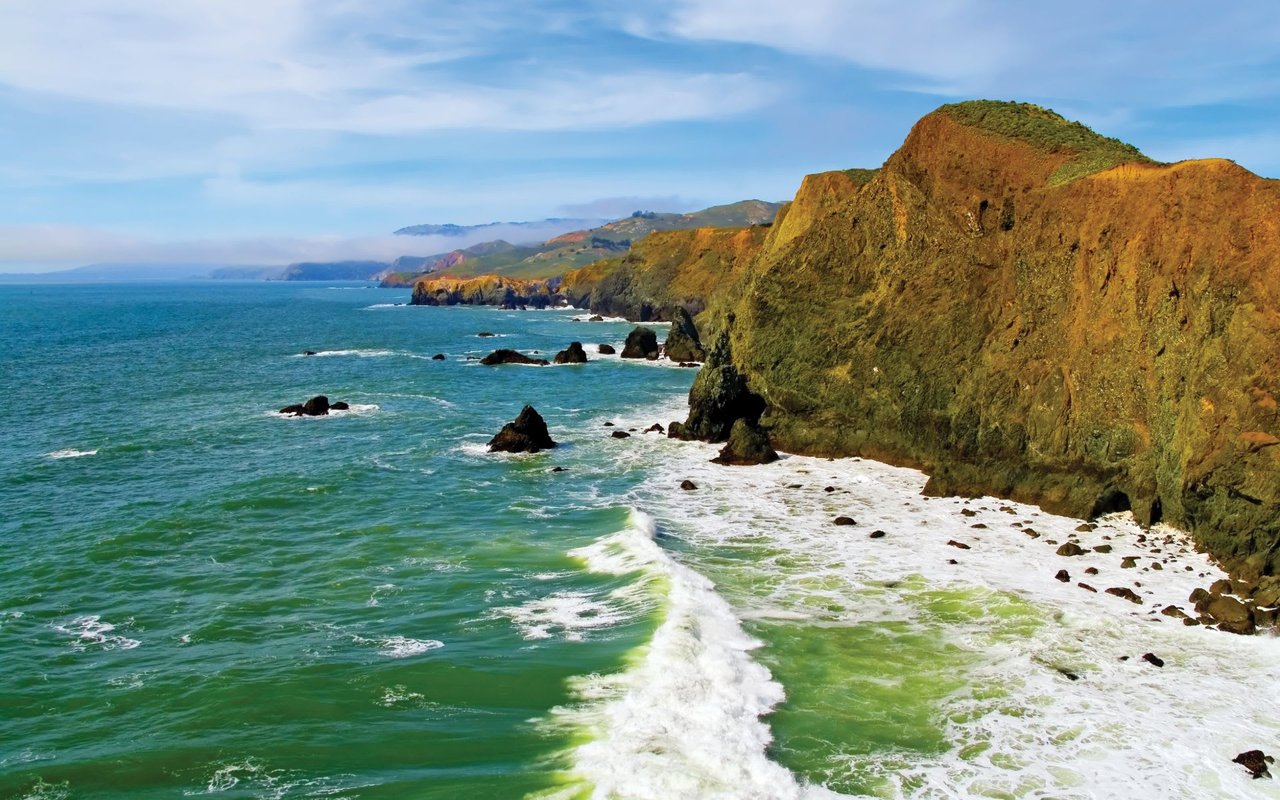
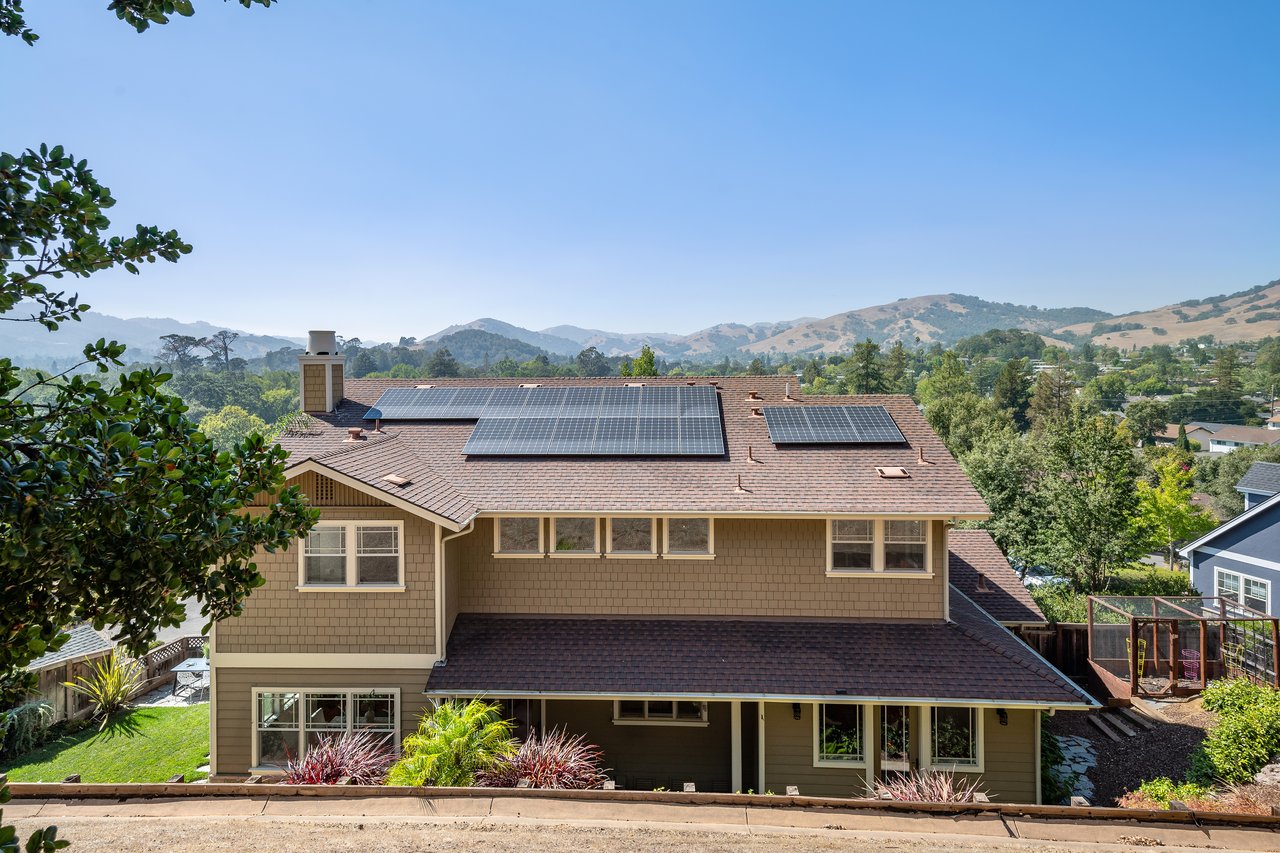 Novato, CA Real Estate: A Resident Broker's Neighborhood Guide
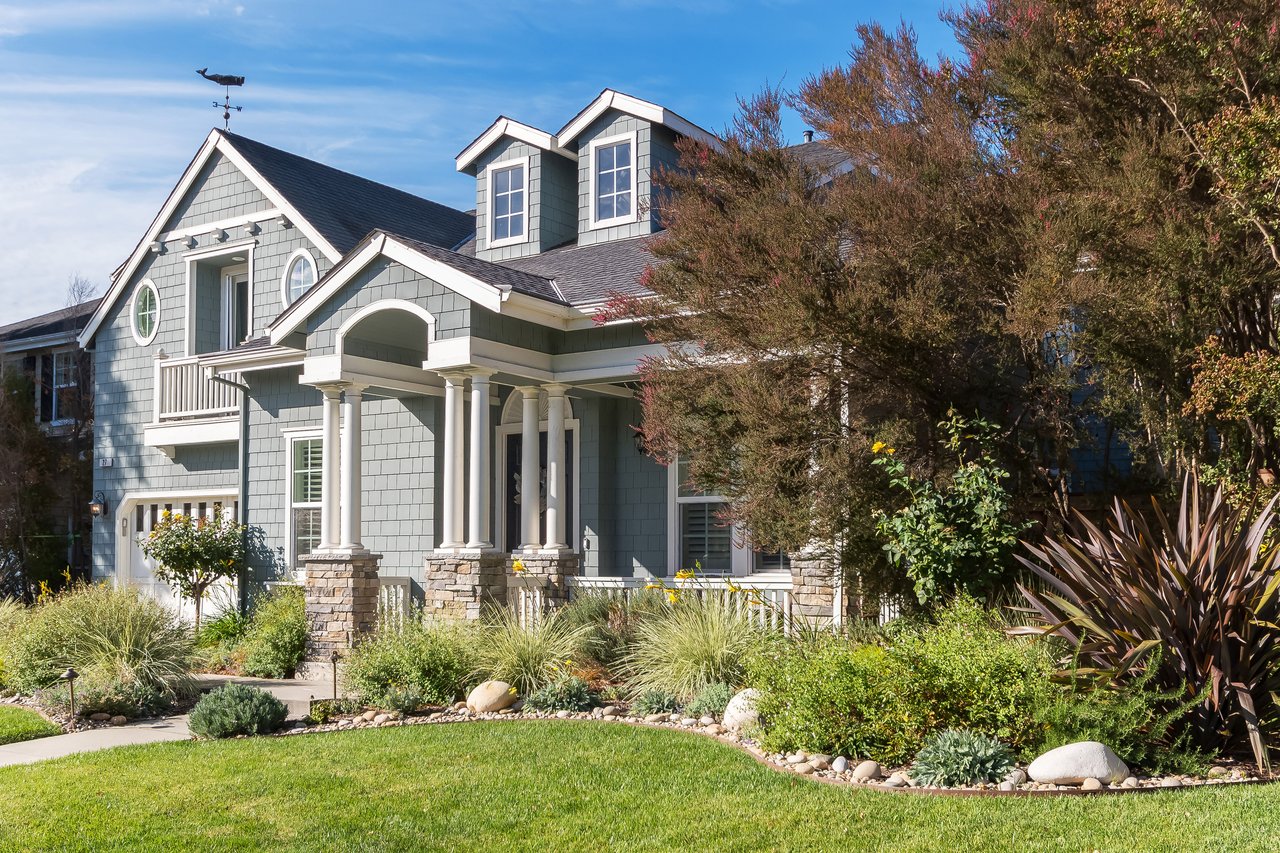 Pointe Marin, Novato CA (94949): Current Listings & Complete Neighborhood Guide
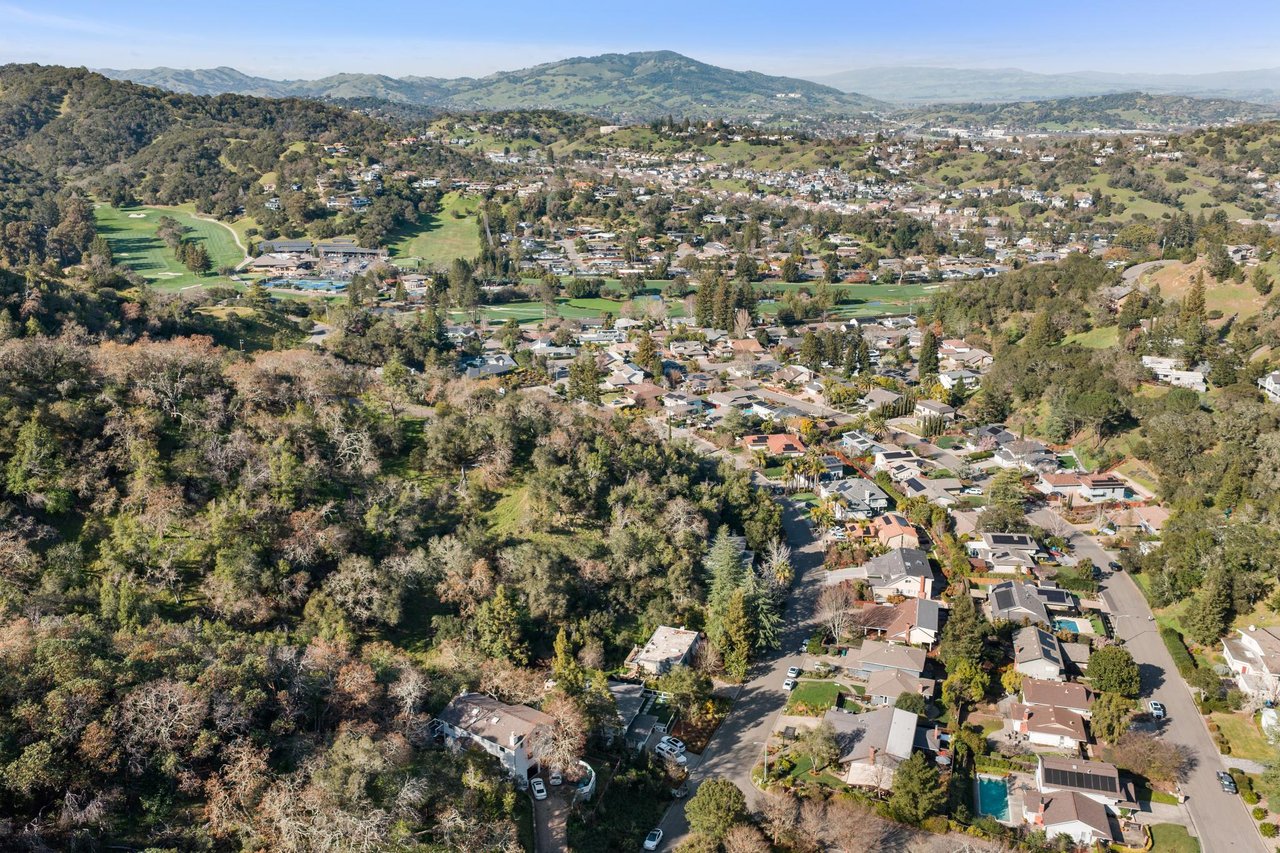 Marin Country Club Estates (Country Club) Novato 94949 Guide
 Hamilton Field, Novato (94949): The Definitive 2026 Resident & Buyer Guide
 Bel Marin Keys, Novato (94949): Complete Waterfront Community Guide
 Loma Verde, Novato (94949): Complete Neighborhood Guide
 Tiburon, CA Real Estate: A Marin Luxury Broker's Complete Town Guide
 Stinson Beach, CA Real Estate: A Marin Broker's Complete Guide
 Sausalito, CA Real Estate: A Marin Broker's Complete Town Guide
 San Anselmo, CA Real Estate: A Marin Broker's Complete Town Guide
 Ross, CA Real Estate: A Marin Broker's Complete Town Guide
 Mill Valley, CA Real Estate: A Marin Broker's Complete Town Guide
 Larkspur, CA Real Estate: A Marin Broker's Complete Town Guide
Inverness, CA Real Estate: A Marin Broker's Complete Guide
Larkspur, CA Real Estate: A Marin Broker's Complete Town Guide
Inverness, CA Real Estate: A Marin Broker's Complete Guide
 Greenbrae, CA Real Estate: A Marin Broker's Complete Guide
 Fairfax, CA Real Estate: A Marin Broker's Complete Town Guide
 Corte Madera, CA Real Estate: A Marin Broker's Complete Town Guide
 San Rafael, CA Real Estate: A Marin Broker's Complete Town Guide
 Kentfield, CA Real Estate: A Marin Broker's Complete Guide
 Belvedere, CA Real Estate: A Marin Broker's Complete City Guide
 Nicasio, CA Real Estate: A Marin Broker's Complete Valley Guide