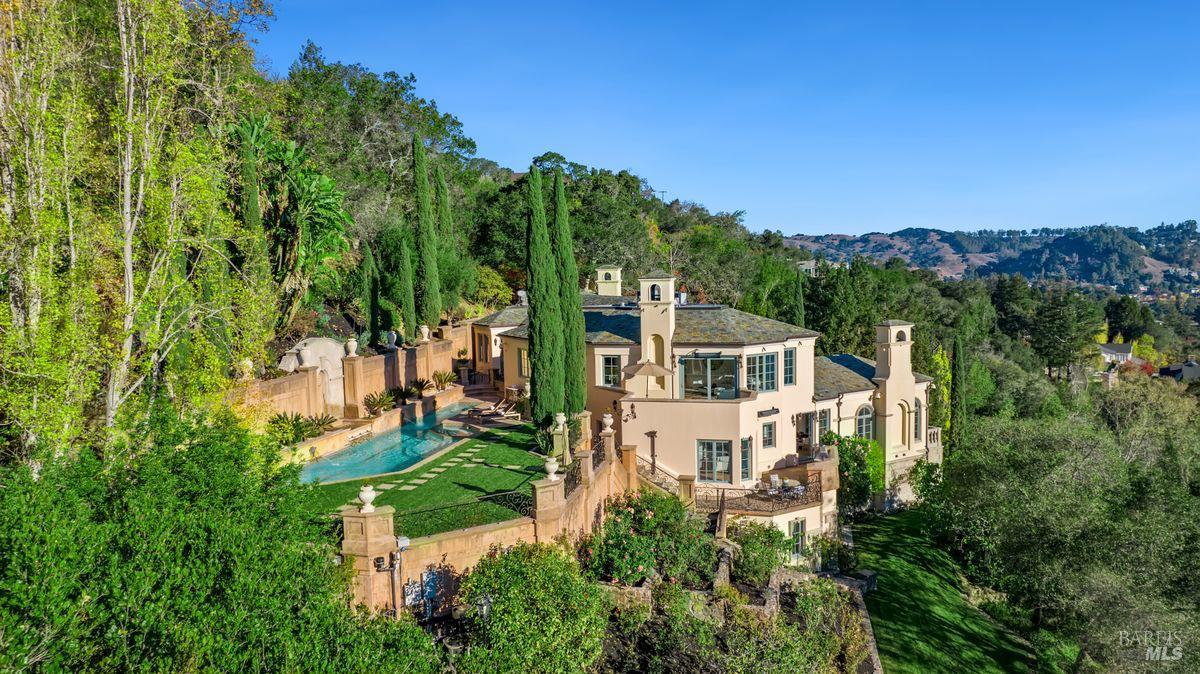
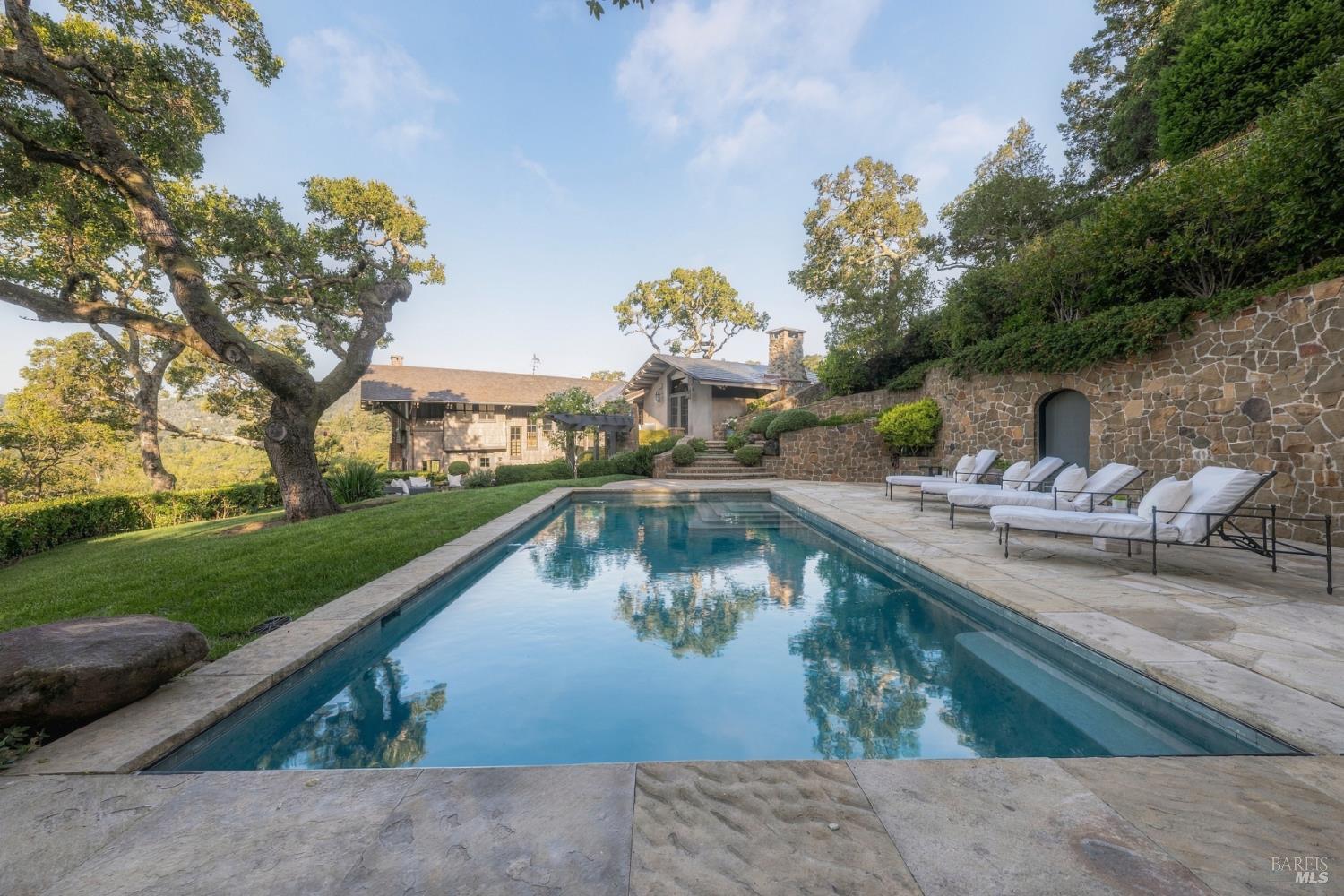
Quick Answer: Ross is a town of roughly 2,300 residents and about 1.6 square miles in the middle of Marin County's Ross Valley (ZIP 94957), incorporated in 1908 and named for James Ross, the Scottish merchant who bought the land in 1857. It is Marin's most closely held market — estate-scale parcels under a heritage canopy protected by town ordinance since incorporation, essentially no commercial district, ownership tenures measured in decades, and a meaningful share of sales that never reach the public market. The regulatory framework is the market's spine: exacting design review, construction time limits, a weekend construction ban, and a mandatory town resale inspection before listing. Corte Madera Creek's flood map on the valley floor and the canopy's wildfire map are the diligence items; Phoenix Lake at the end of Lagunitas Road is the town's back gate into the Mount Tamalpais watershed.
Key Takeaways
Ross occupies the center of the Ross Valley between San Anselmo and Kentfield: a valley floor of estate parcels along Corte Madera Creek and Shady Lane, hillsides rising toward the Mount Tamalpais watershed on Upper Road and the lanes above, and a deliberately minimal center where Lagunitas Road meets the Common — post office, a corner of essentials, Ross School's fields, and the town's civic buildings. The Marin Art and Garden Center anchors the San Anselmo line; Natalie Coffin Greene Park and the Phoenix Lake trailhead close the town's western end.
What makes Ross singular is that its character is legislated, and has been from the start. Among the first acts of the council after incorporation in 1908 was making it illegal to cut down trees without town approval — the heritage canopy is a century of policy, not luck. The modern code carries the same DNA: design review among the most exacting in Marin, municipal time limits requiring construction to finish within roughly 12 to 20 months by project scale, no construction on weekends, and a mandatory town resale inspection before any home is listed. Buyers and sellers who understand that framework transact smoothly here; those who learn it mid-escrow do not.
Ross is the purest estate market in Marin. In my quarter-by-quarter BAREIS MLS analysis, the town produces a handful of public transactions in a typical year — and behind them, a quiet channel where a meaningful share of Ross's most significant trades happen without ever reaching the portals. Buyer pools are deep and patient: households targeting this specific town wait for specific properties, sometimes for years, and when the right estate surfaces, it draws competition that public days-on-market statistics never capture.
Two durable patterns govern outcomes. First, preparation is the whole game: the resale inspection means the permit file is examined before the market sees the home, so sellers who reconcile records, assemble defensible-space and insurance documentation, and answer the creek question in advance remove every friction that stalls estate escrows. Second, stewardship is priced: homes whose grounds, trees, and period architecture show generational care trade on provenance, and the market discounts deferred maintenance here more sharply than anywhere in the county — because at this tier, buyers are purchasing the stewardship as much as the structure.
This guide is deliberately evergreen, so the perishable numbers live where I update them constantly: my Marin Market Intelligence briefings and video library carry the current quarter's BAREIS MLS data for Ross, and you can browse current listings at any time — with the caveat that in Ross, the public inventory is never the whole story. My off-market channel is where the rest of it lives.
Ross reveals itself in ten unhurried minutes — and rewards a second pass on foot. Do it twice: once midweek in the morning to see the school-hour rhythm around the Common, and once on a weekend to watch the trailhead economy at the end of Lagunitas Road.
Stop 1 — The Common. Start where Lagunitas Road meets Sir Francis Drake: the post office corner, the essentials, Ross School's fields, and the civic buildings — the entire "downtown" in one glance. Walk to the creek and look at the channel and its banks: Corte Madera Creek through Ross is the valley's flood story in its estate-scale form, and the 2005 benchmark is the reference every creekside disclosure package should answer.
Stop 2 — Shady Lane, slowly. Drive the town's signature street at a crawl, or better, walk a stretch. The canopy overhead is a century of tree ordinance made visible; the estates behind the hedges are why Ross trades on stewardship. Note how little you can actually see from the street — that privacy is the product, and it is also why touring Ross without access to the quiet channel means touring a fraction of the market.
Stop 3 — Lagunitas Road to the end. Follow Lagunitas past the school and the club to Natalie Coffin Greene Park. Park if the small lot allows — on weekends it fills early, which is its own data point — and walk ten minutes toward Phoenix Lake. This is the watershed's flagship trailhead, and the permanent boundary that guarantees Ross's western edge never changes.
Stop 4 — The hillside lanes. Return and climb Upper Road or the lanes above the floor. Watch the canopy close over the road — the wildfire observation — note the lane widths and pullout etiquette, and register how the estates up here trade valley-floor flatness for view and even deeper privacy.
Stop 5 — The school radius at the bell. If you can, pass the Ross School and Branson corridor near drop-off or pickup: the town's one predictable congestion window, worth experiencing before buying nearby — and a genuine picture of the community's daily center of gravity.
Stop 6 — The Marin Art and Garden Center. Finish at the town's northern anchor: eleven acres of gardens and historic buildings at the San Anselmo line, the civic jewel that hosts the community's calendar and softens the border between the estate town and its livelier neighbor.
Optional extensions. Continue five minutes into San Anselmo for the downtown Ross deliberately does not have; loop through Kentfield to compare the valley's other estate market; or time the Drake run to the Greenbrae interchange at 8:00 AM for the honest commute number. A dedicated Ross driving-tour video is on my production calendar — until then, every Marin tour lives on my channel @KyleFrazier and in the Imagine Marin video library.
Ross's housing stock is the county's deepest concentration of legacy estates: early-1900s manors in shingle, Craftsman, and classic California traditions on multi-acre grounds, period landmarks maintained across generations, gated compounds on the hillsides, and newer custom builds that — by review and by culture — follow the town's established character rather than break from it. Around the Common, a smaller tier of period cottages and family homes gives the town its approachable edge, relatively speaking.
The diligence stack is estate-grade. Creekside: FEMA status, flood history, bank stability, and setbacks. Hillside: access, drainage, retaining, and canopy wildfire review with insurance verified in writing early. Everywhere: the permit file (the resale inspection will examine it), heritage-tree stewardship (significant work runs through the town), systems appropriate to century-old structures, and renovation plans built around design review and the municipal construction clock. None of it is a surprise to prepared parties — and preparation is precisely what this market rewards.
Daily life in Ross is engineered quiet. Mornings orbit the schools and the Common's post-office corner; the Marin Art and Garden Center carries the civic calendar with its gardens, events, and the Ross Historical Society; and the town's evenings are famously its own — no commercial strip, no through-traffic, no weekend construction noise, by code. Errands and dining run to San Anselmo's Avenue, Kentfield's corridor, and Larkspur's Magnolia Avenue, all minutes away — a division of labor residents consider a feature, not a gap.
The outdoor ledger is the watershed itself: Phoenix Lake's loop from Natalie Coffin Greene Park, Bald Hill rising directly above town, and the Mount Tamalpais trail network beyond — plus the Common's fields and the Art & Garden Center's grounds for the everyday. Few addresses anywhere pair this much protected wilderness with a ten-minute run to a freeway interchange.
Ross operates its own single-school district: Ross School serves grades K-8 in town, and for grades 9-12 the town belongs to the Tamalpais Union High School District, with most students attending Redwood High School in Larkspur. The Branson School, an independent college-preparatory high school, sits in Ross itself, and additional independent options — San Domenico, Marin Catholic, Marin Country Day — are minutes away. For performance data, consult GreatSchools and the California School Dashboard directly, and verify current assignments for any specific address.
Ross commutes better than its seclusion suggests. Sir Francis Drake Boulevard reaches US-101 at the Greenbrae interchange in roughly ten minutes, putting downtown San Francisco about 30 to 45 minutes away at peak, with the Larkspur ferry terminal and SMART station roughly ten minutes from town for the water-and-rail alternative. Golden Gate Transit serves the corridor. The Drake run through Kentfield is the honest variable — test your actual route at your actual hour, ideally on a school morning, before you commit.
The structural stack is clean: no Mello-Roos Community Facilities Districts and essentially no HOAs. Beyond the roughly one percent base property tax — a substantial figure at Ross valuations — expect voter-approved parcel taxes on the county bill: school measures, the Marin Wildfire Prevention Authority (Measure C) tax, the Ross Valley flood-control fee, and any town levies. I pull the actual tax bill for any property a client is serious about.
Plan around the code from day one: design review timelines, the municipal construction clock (roughly 12 to 20 months to completion by project scale), the weekend construction ban, town approval for significant tree work, and the pre-listing resale inspection with its Report of Residential Building Record. Confirm current requirements with the Town of Ross — procedures evolve — but the framework itself is the town's oldest tradition.
Grounds at this scale carry professional care as a standing line item: arborists for the heritage canopy, drainage and creek-bank attention on the floor, defensible-space maintenance on the hillsides, and systems renewal in century-old structures. The purchase price is the entry fee; the stewardship is the ownership — and it is exactly what the market pays for when these homes trade.
The canopy that defines Ross is also its wildfire exposure: heavily wooded parcels and the hillside edges toward the watershed carry elevated Fire Hazard Severity Zone designations. The Ross Valley Fire Department serves the town, the Marin Wildfire Prevention Authority funds county-wide vegetation management and evacuation planning, and California's AB 38 defensible-space documentation applies to sales in designated zones. Verify any address through the CAL FIRE viewer and get a written insurance quote — not a verbal indication — in the first week of escrow; at estate scale, insurability is a deal term, and on every Ross purchase I represent, that sequence is standard.
The Ross Valley's three core communities share the watershed and the Drake corridor and sit on a clean spectrum. I maintain full guides to Kentfield and San Anselmo as well.
Ross | Kentfield | San Anselmo | |
|---|---|---|---|
Status & character | Incorporated town; the estate market in its purest, most closely held form | Unincorporated; Kent Woodlands estates plus school-radius flats | Incorporated town; the valley's biggest downtown and deepest pre-war stock |
Governance layer | Town design review, construction time limits, resale inspection, century-old tree ordinance | County planning + KWPOA design review in the Woodlands | Town planning; creek-corridor flood program |
Dominant housing | Multi-acre period estates, gated compounds, hillside customs | Woodlands estates and mid-century pedigree; postwar flats | Majority pre-1940 Craftsman/Tudor; mid-century in Sleepy Hollow and the hills |
Signature asset | Shady Lane, the Common, and Phoenix Lake's front door | Kent Woodlands and the Crown Road watershed gate | The Hub, the Avenue, Imagination Park |
Flood/fire profile | Creek through the valley floor; canopy WUI on the slopes | Channel-end flood map on the flats; wooded WUI in the Woodlands | Creek-through-downtown flood history; WUI on the wooded slopes |
Schools pathway | Own single-school district (Ross School) → Redwood; Branson in town | Kentfield SD (Bacich → Kent) → Redwood; Marin Catholic in town | Ross Valley SD → Archie Williams, in town |
Relative price position | Top of the county with Kentfield and Belvedere | Top of the county with Ross | The valley's middle, overlapping both neighbors |
Structural scarcity, compounded for a century. Ross is about 1.6 square miles with roughly 2,300 residents, essentially no commercial district, large parcels under a protected canopy, and ownership tenures that run in decades — so inventory counts in handfuls and each listing is its own micro-market. Add a regulatory framework built to preserve exactly that character, and the result is Marin's most closely held market, trading at the top of the county alongside Kentfield and Belvedere.
Among the most exacting in Marin, by design. The town's planning process scrutinizes exterior changes closely, its municipal code sets time limits requiring construction to finish within roughly 12 to 20 months depending on project scale, and construction is not permitted on weekends — a rule that tells you precisely what the town is protecting. Build the review timeline and those constraints into any renovation plan from day one, and confirm current requirements directly with the Town of Ross.
A distinctive Ross requirement: before listing a home for sale, owners must obtain a town resale inspection producing a Report of Residential Building Record, which documents the property's permitted history and is disclosed to buyers. For sellers, that means the permit file is examined before the market sees the home — one more reason to reconcile any unpermitted work early. For buyers, it is a genuinely useful diligence document. Confirm current procedures and fees with the town.
Because the trees have been protected for over a century. One of the town council's first acts after incorporation in 1908 was to make it illegal to cut down trees without town approval — and that early ordinance, still reflected in today's code, built the heritage canopy that defines Ross. For owners, the practical read: significant tree work runs through the town, and mature trees are a stewarded asset, priced into estates rather than treated as an obstacle on them.
Ross runs its own single-school district: Ross School serves grades K-8 in town, and for grades 9-12 students attend the Tamalpais Union High School District, most commonly Redwood High School in Larkspur. The Branson School — an independent college-preparatory high school — sits in Ross itself. For performance data, consult GreatSchools and the California School Dashboard directly, and verify current assignments for any specific address.
An independent college-preparatory high school located in Ross on a wooded campus near the town's center — one of the Bay Area's long-established private schools and a fixture of the town's institutional landscape alongside Ross School, the Marin Art and Garden Center, and the Lagunitas Road corridor. School-day traffic around its campus and Ross School is the town's one predictable congestion window, worth observing if you're considering a nearby home.
The valley floor can. Corte Madera Creek runs directly through Ross, the New Year's Eve 2005 storm — the Ross Valley's benchmark flood — hit the town hard, and creekside and low-lying parcels can sit in mapped FEMA zones requiring flood insurance on financed purchases. Many tax bills carry the Ross Valley flood-control fee, and creek-adjacent estates add setback and bank-stability questions to the inspection scope. Check the map, the history, and the disclosures for any specific property.
The canopy that defines Ross is also its exposure: heavily wooded parcels and the hillside edges toward the watershed carry elevated Fire Hazard Severity Zone designations. The Ross Valley Fire Department serves the town, the Marin Wildfire Prevention Authority funds county-wide vegetation management and evacuation planning, and California's AB 38 defensible-space documentation applies at sale in designated zones. Verify any address in the CAL FIRE viewer and get a written insurance quote early — on estate-scale parcels, insurability shapes the deal.
A deliberately minimal one: the corner where Lagunitas Road meets the Common holds the post office, a small set of essentials, and a beloved restaurant or two, bordered by Ross School's fields and the town's civic buildings. That is the point — Ross residents use San Anselmo, Larkspur, and Kentfield for errands and dining, and the town trades the commercial strip for a quiet that is nearly impossible to find this close to San Francisco.
Ross's front door to the Mount Tamalpais watershed: from Natalie Coffin Greene Park at the end of Lagunitas Road, the Phoenix Lake loop is the flagship walk of the entire watershed trail network, connecting onward to Bald Hill and the mountain beyond. It is arguably the town's greatest daily amenity and a permanent supply cap on its western edge. The honest note: the small trailhead lot fills early on weekends — walk or bike from home like the locals do.
A Scottish merchant who made his fortune in San Francisco and, in 1857, paid $50,000 for the land — part of the Mexican-era Rancho Punta de Quentin Cañada de San Anselmo grant — where the town now stands. After his death in 1862, his widow Annie sold portions of the holdings, and the acreage she kept became the core of today's town, incorporated in 1908 and named in his honor. His shipping point on Corte Madera Creek, Ross Landing, survives as the historic origin of neighboring Kentfield.
A meaningful share — in a town where inventory counts in handfuls and discretion is a community value, quiet sales between represented parties are a standing feature of the market, and some of the most significant trades never reach the portals. That structure rewards relationships and preparation: buyers need standing access to the quiet channel, and sellers deserve a real analysis of whether a private sale or full exposure serves them better. I maintain a dedicated off-market channel for exactly this.
No Mello-Roos — Ross has no Community Facilities Districts — and HOAs are essentially absent from the single-family stock. Beyond the roughly one percent base property tax (substantial at Ross price points), expect voter-approved parcel taxes on the county bill: school measures, the Marin Wildfire Prevention Authority (Measure C) tax, the Ross Valley flood-control fee, and any town-approved levies. I pull the actual tax bill for any property a client is serious about rather than estimating.
Better than the town's tucked-away feel suggests: Sir Francis Drake Boulevard reaches US-101 at Greenbrae in roughly ten minutes, putting downtown San Francisco about 30 to 45 minutes away at peak, with the Larkspur ferry terminal roughly ten minutes from town as the water alternative. The Drake corridor through Kentfield is the variable, and it is entirely testable — drive your actual route at your actual hour before you commit.
The three share the Ross Valley's watershed and the Drake corridor, and sit on a clean spectrum. Ross is the estate market in its purest form: the smallest, quietest, and most closely held, with the valley's strictest preservation framework. Kentfield matches it at the top through Kent Woodlands while adding school-radius flats. San Anselmo is the valley's middle — the biggest downtown and deepest pre-war housing stock. Most estate-tier buyers tour Ross and Kentfield together; the town-versus-unincorporated governance difference is often the deciding nuance.
The answer is the agent who understands both the data and the discretion this market runs on — the resale-inspection requirement, the design-review timeline, the off-market channel where much of Ross actually trades. I am Kyle Frazier, JD, CRS, CLHMS, a Broker Associate with Compass (DRE #01405738) and a Marin County broker for more than 20 years, with an office on Sir Francis Drake minutes away in Kentfield. I analyze BAREIS MLS data quarter by quarter across every Marin sub-market and have been quoted by the Wall Street Journal, Financial Times, and San Francisco Chronicle.
A dedicated Ross town profile is on my production calendar — the written driving tour above is its working script. In the meantime, my Marin town tours, quarterly market briefings, and estate-market analyses live on my channel @KyleFrazier — over 20,000 local subscribers and one million views — and in the Imagine Marin video library.
I'm Kyle Frazier — JD, CRS, CLHMS, Broker Associate at Compass with an office on Sir Francis Drake minutes away in Kentfield, and a Marin County broker for more than 20 years, quoted on this market by the Wall Street Journal, Financial Times, and San Francisco Chronicle. Ross is a market where a meaningful share of significant trades happen quietly and preparation decides outcomes — my clients get standing access to off-market and pre-market opportunities, my buyers obtain full underwriting up front so their offers compete like cash when the right estate finally surfaces, and my sellers walk into the resale inspection with the file already reconciled. For owners, start with a discreet, data-driven valuation second opinion built on BAREIS MLS analysis.
Book a consultation · Call or text (415) 350-9440 · [email protected] · Explore more Marin neighborhood guides.
 Novato, CA Real Estate: A Resident Broker's Neighborhood Guide
 Pointe Marin, Novato CA (94949): Current Listings & Complete Neighborhood Guide
 Marin Country Club Estates (Country Club) Novato 94949 Guide
 Hamilton Field, Novato (94949): The Definitive 2026 Resident & Buyer Guide
 Bel Marin Keys, Novato (94949): Complete Waterfront Community Guide
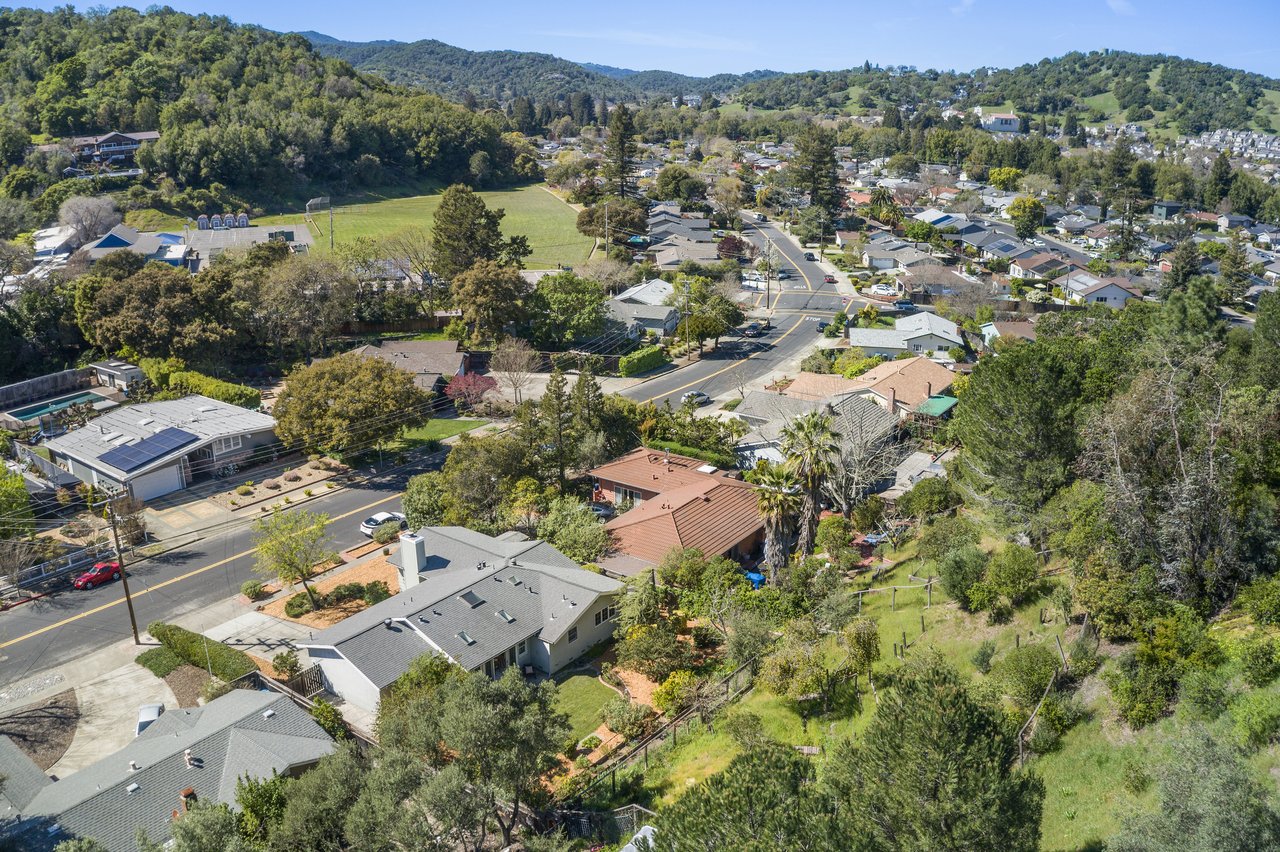 Loma Verde, Novato (94949): Complete Neighborhood Guide
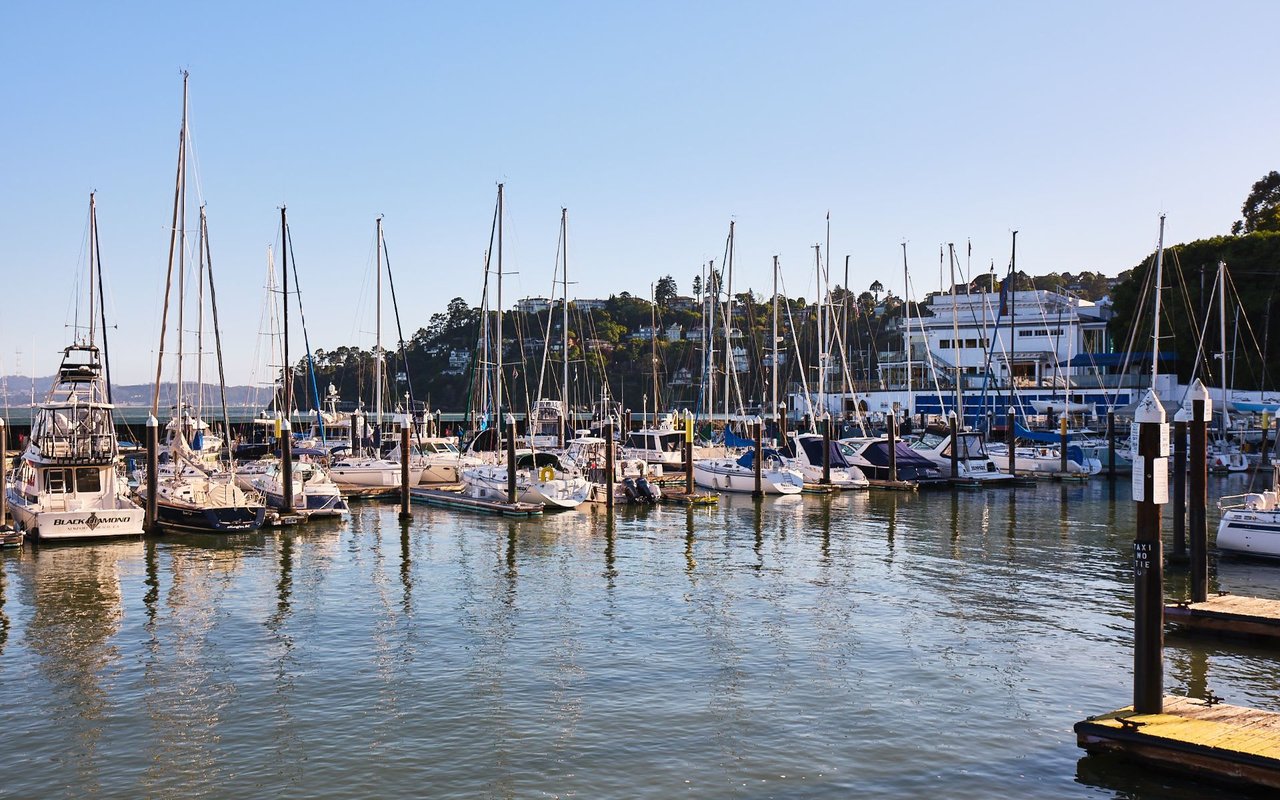 Tiburon, CA Real Estate: A Marin Luxury Broker's Complete Town Guide
 Stinson Beach, CA Real Estate: A Marin Broker's Complete Guide
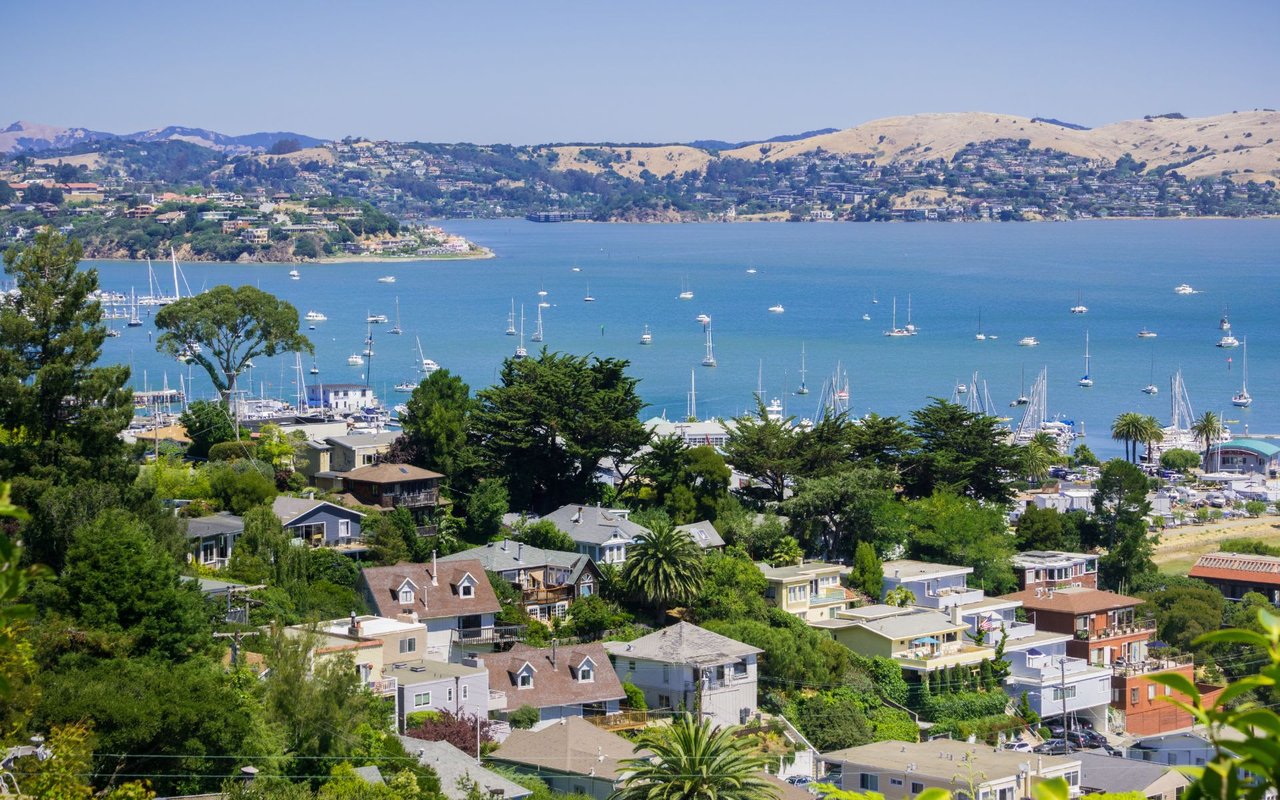 Sausalito, CA Real Estate: A Marin Broker's Complete Town Guide
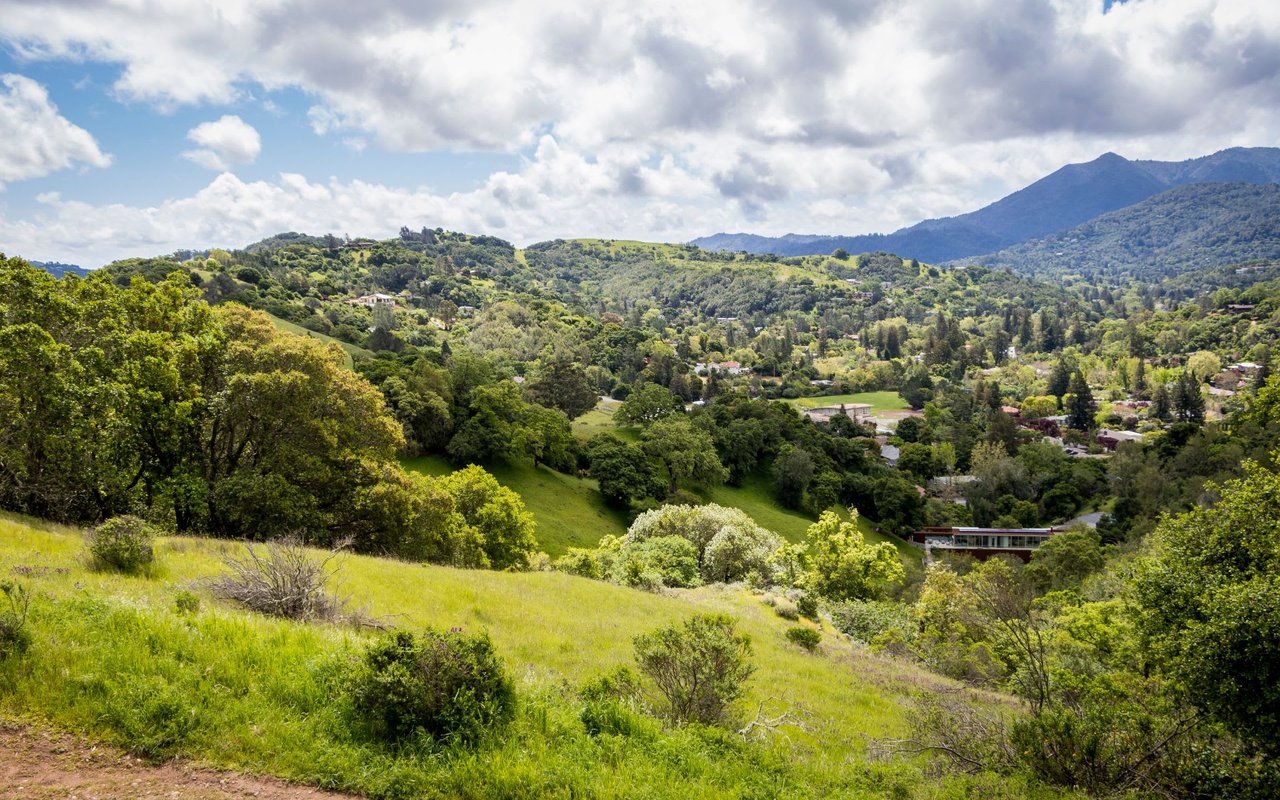 San Anselmo, CA Real Estate: A Marin Broker's Complete Town Guide
Ross, CA Real Estate: A Marin Broker's Complete Town Guide
San Anselmo, CA Real Estate: A Marin Broker's Complete Town Guide
Ross, CA Real Estate: A Marin Broker's Complete Town Guide
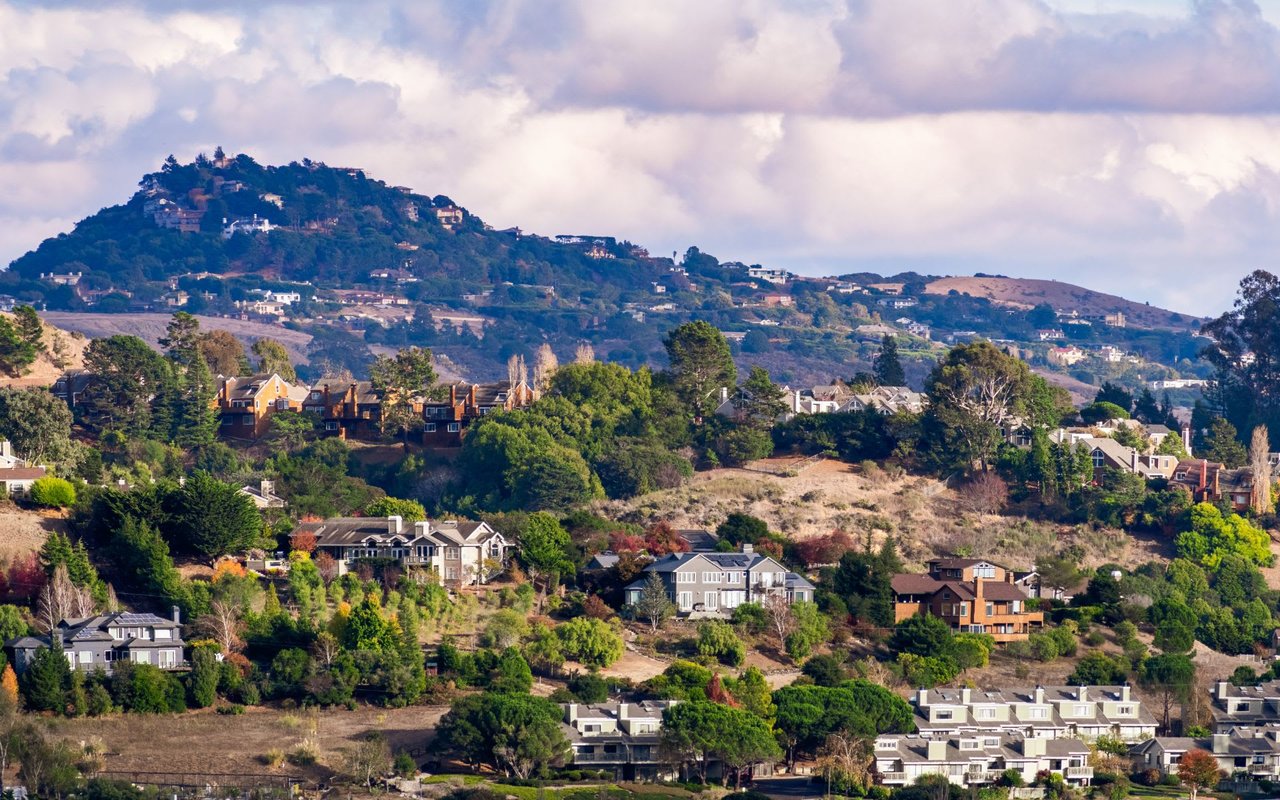 Mill Valley, CA Real Estate: A Marin Broker's Complete Town Guide
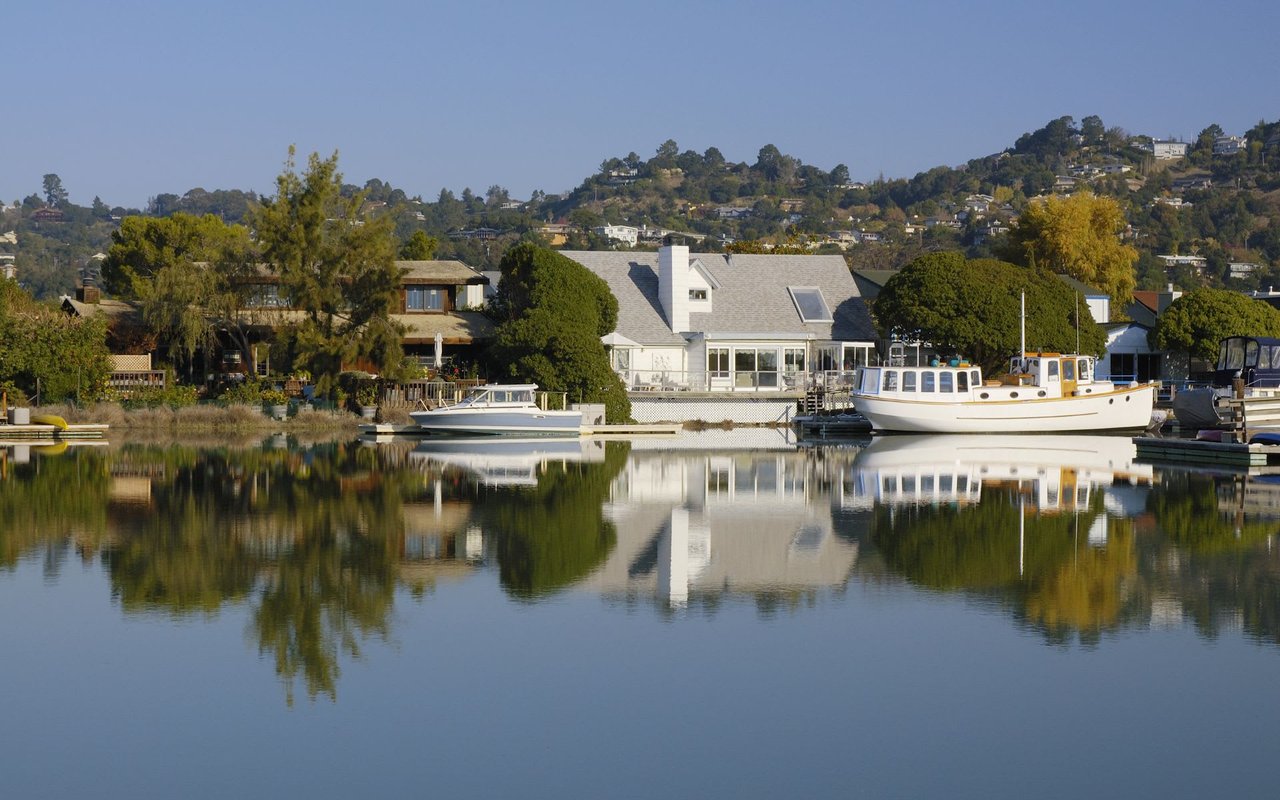 Larkspur, CA Real Estate: A Marin Broker's Complete Town Guide
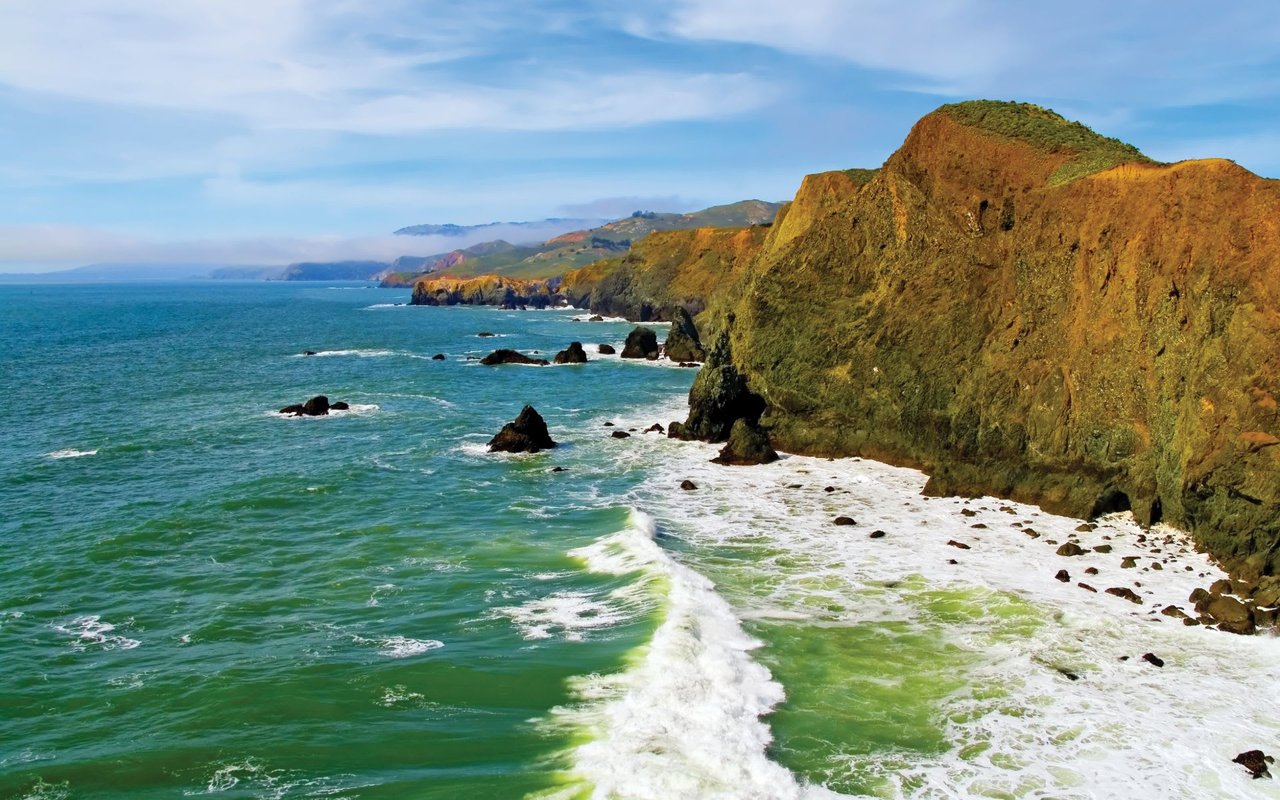 Inverness, CA Real Estate: A Marin Broker's Complete Guide
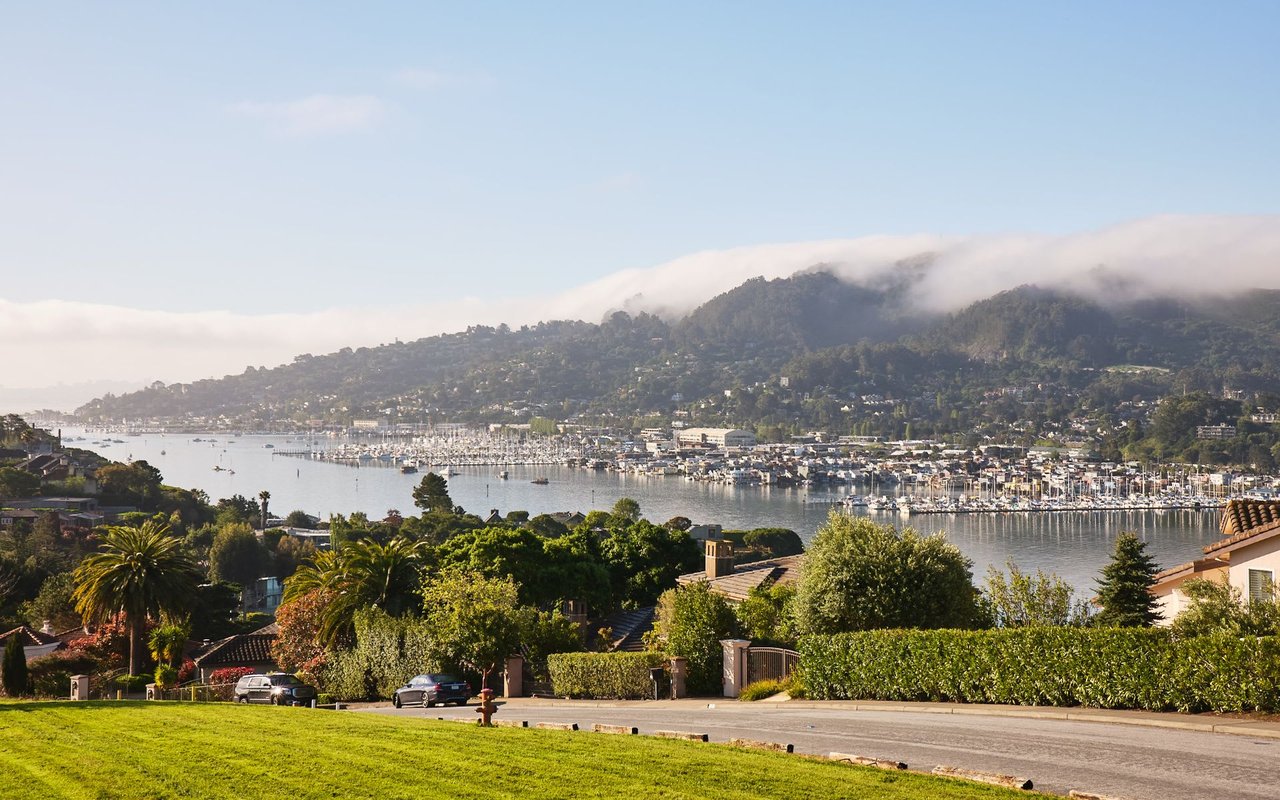 Greenbrae, CA Real Estate: A Marin Broker's Complete Guide
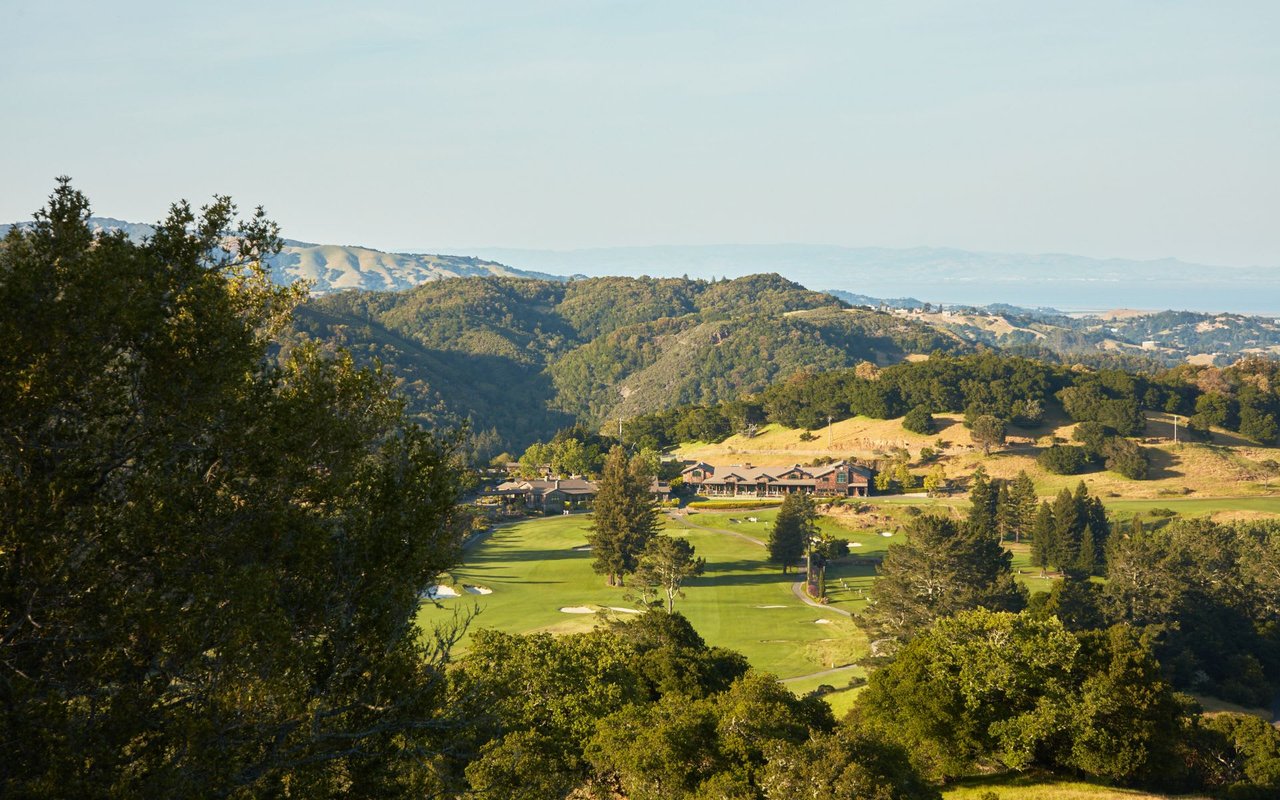 Fairfax, CA Real Estate: A Marin Broker's Complete Town Guide
 Corte Madera, CA Real Estate: A Marin Broker's Complete Town Guide
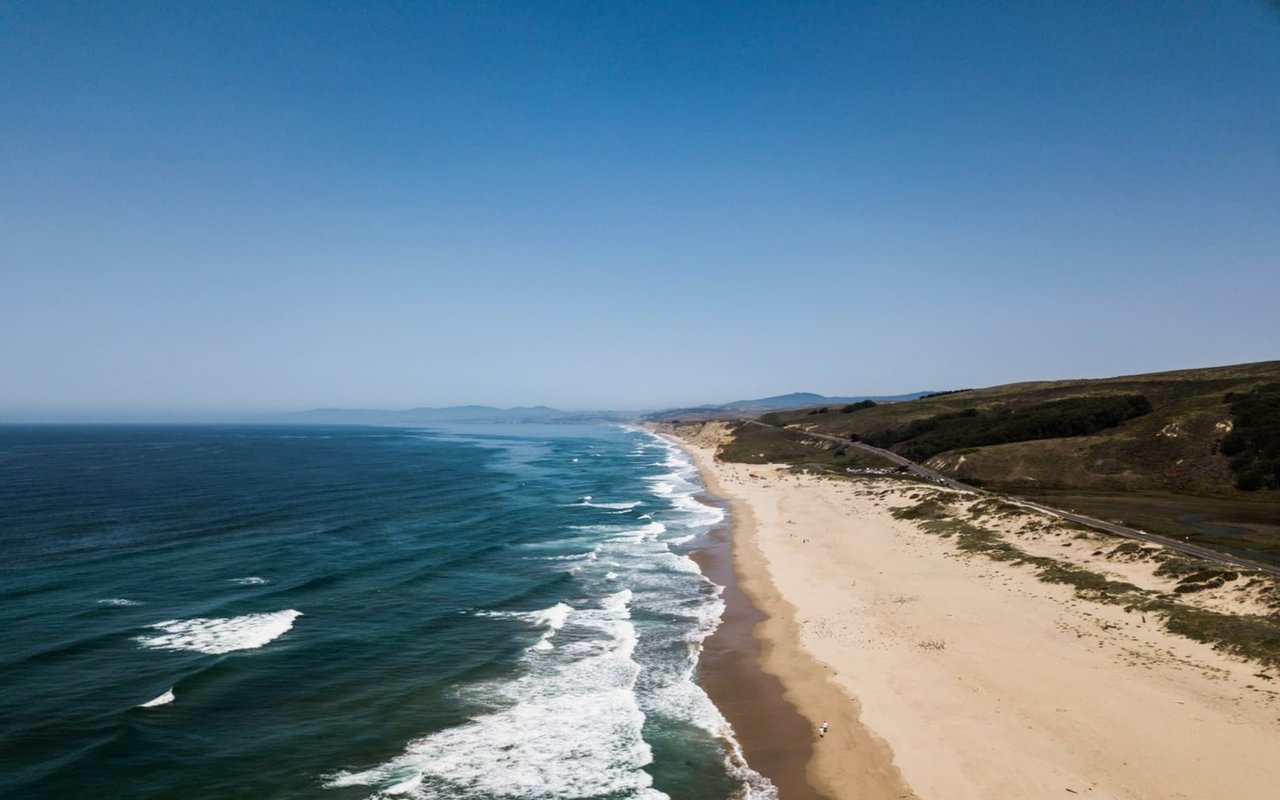 San Rafael, CA Real Estate: A Marin Broker's Complete Town Guide
 Kentfield, CA Real Estate: A Marin Broker's Complete Guide
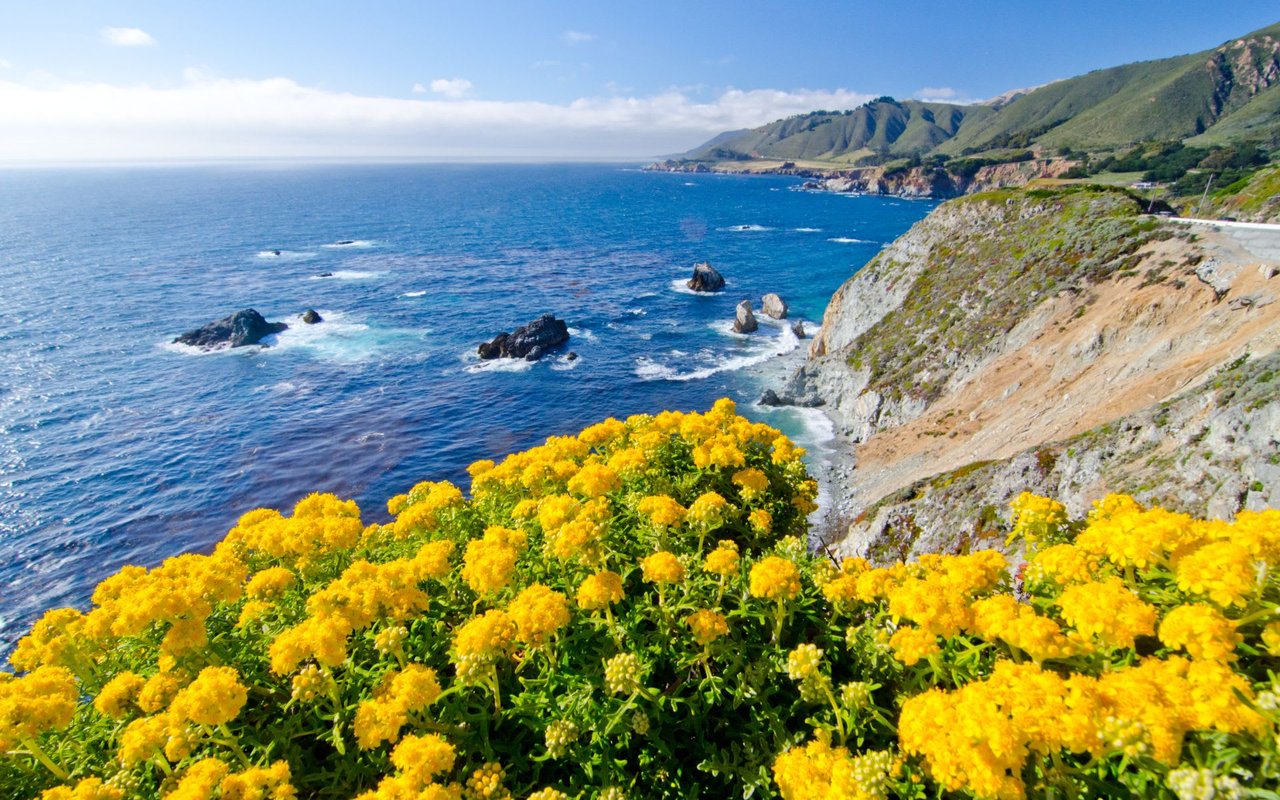 Belvedere, CA Real Estate: A Marin Broker's Complete City Guide
 Nicasio, CA Real Estate: A Marin Broker's Complete Valley Guide