By Kyle Frazier, JD, CRS, CLHMS — Broker Associate, Imagine Marin at Compass · Published July 20, 2026
Quick Answer: A 2026 University of Georgia working paper — the first neutral academic study of private listings, funded by neither an MLS, a portal, nor a brokerage — found that "pocket sales" sold for approximately 1.7% more than comparable homes sold through the open MLS, with the premium quadrupling to over 8% for luxury properties. The premium came from negotiation leverage, not agent self-dealing. But the same study found most luxury sellers still prefer full MLS exposure — the gains went to the strategic minority who sold privately on purpose, with an agent who had direct access to buyers. Off-market is a tool, not a default. Knowing when it's the right tool is the job.
For years, the off-market debate in real estate has run on competing press releases. Brokerages that favor private listings publish studies saying they work; MLSs and portals publish studies saying they cost sellers money. Everyone had a rooting interest.
That changed in February 2026, when finance professor Darren Hayunga of the University of Georgia posted a working paper on SSRN titled "Pocket Sales in the Housing Market: Selection, Outcomes, and Policy." Hayunga cites only an internal academic research award — no MLS, portal, or brokerage funding. As someone who has represented Marin off-market sellers and buyers for two decades, and who reads regulatory and legal developments through an attorney's lens, I've been waiting a long time for neutral data on this question. Here's what the study actually found — including the parts that cut against the off-market sales pitch.
What Did the Study Find? Five Results Worth Knowing
Hayunga analyzed more than 700,000 transactions in the Dallas–Fort Worth market from 2002 to 2022, isolating roughly 1% that were "pocket sales" — deals negotiated privately and recorded in the MLS with zero days on market. Five findings stand out.
1. Pocket sales sold for about 1.7% more — the opposite of what economic theory predicts
Standard economics says fewer bidders should mean a lower price. Hayunga found the reverse: after matching each pocket sale to similar homes in the same neighborhood, sold the same month, with the same size, age, and features, private sellers netted approximately 1.7% more. On the study's average transaction, that was about $4,000 — scale that to a Marin price point and the dollars get meaningful fast.
The result held even when comparing the same agent's pocket sales to that same agent's MLS sales. It wasn't a superstar-agent effect.
2. For luxury properties, the premium quadrupled to over 8%
The returns were convex: the higher the price tier, the larger the off-market advantage. The paper attributes this to exclusivity — withholding a luxury asset from the open market is itself a signal that commands a premium.
3. Pocket sellers almost never took a visible price cut
On the open market, 25.5% of listings in the sample underwent a price reduction — a public signal buyers read as overpricing or a defect. For pocket sales, that figure dropped to 5.6%. The private channel let sellers test pricing quietly. If the number didn't work, nobody knew.
4. Sellers captured essentially their full asking price
The sale-to-list ratio for pocket sales ran 1.6% higher than comparable MLS transactions — nearly identical to the overall 1.7% premium. That alignment is the paper's strongest internal evidence for where the money comes from: not inflated list prices, but sellers holding the line instead of giving back what Hayunga calls the "negotiation discount."
5. The premium was not agent self-dealing — the study tested for it directly
The long-standing criticism of pocket listings is that they enrich agents through double-ending and steering. Hayunga tested this head-on, and the premium was actually larger in arm's-length transactions (2.3%) than in dual-agency deals (1.7%), and larger when the buyer came from a different brokerage (2.2%) than the same office (1.9%). The value came from negotiation leverage, not commission capture.
Open Market vs. Pocket Sale: The Study's Numbers Side by Side
Measure (Hayunga 2026, DFW sample) | Standard MLS Sale | Pocket Sale |
|---|---|---|
Sale price vs. matched comparables | Baseline | +1.7% (over 8% for luxury) |
Likelihood of a visible price cut | 25.5% | 5.6% |
Sale-to-list price surplus | Baseline | +1.6% |
Premium in arm's-length deals | — | 2.3% (larger than dual agency's 1.7%) |
Why Would a Buyer Willingly Pay More for Less Competition?
This is the question that makes the finding counterintuitive, and Hayunga's answer is elegant. The buyer is purchasing something beyond the house: certainty. Paying a modest premium locks down the property before it reaches the open market, where that buyer would face competing bids, escalation clauses, and the risk of losing the home entirely.
Economists would call it a call option. In my experience representing buyers on Marin private exclusives, it's simpler than that — for the right buyer, the ability to say "it's ours, it's done, we never had to fight for it" is worth real money. The study just measured what practitioners have observed for years.
What Happened When Regulators Tried to Stop Pocket Sales? An Attorney's Read
The paper's most provocative section uses NAR's 2020 Clear Cooperation Policy as a natural experiment. CCP required listings to hit the MLS within one business day of public marketing — a direct attempt to curb private sales. Hayunga found what he calls a "compliance paradox."
First, CCP did not reduce pocket sale volume; if anything, volume ticked up slightly through technically compliant workarounds like office exclusives. Second — and this is the striking part — CCP destroyed roughly 73% of the economic value: the pre-CCP premium of 3.3% collapsed to about 0.9%, statistically indistinguishable from zero. The policy didn't stop the practice. It made the semi-public version of it financially pointless.
The paper also flags the February 2026 ruling in Compass v. Zillow, where the Southern District of New York declined to block Zillow's ban on private listings not shared through the MLS. Hayunga's conclusion, which I find persuasive as a former litigator: both policy and platforms are squeezing out the semi-private middle ground — the "market it publicly but keep it off the MLS" strategy — and pushing the channel toward purely private, relationship-based matching. In plain terms, the version of off-market that survives is the one where the agent already knows the buyer.
One honest caveat the study's own commentators have raised: CCP took effect in May 2020, right as COVID demand made every buyer overpay and waive everything. Some of that vanished premium may reflect the pandemic market rather than the policy. The mechanism is debated; the pattern is not.
What Does This Mean for Marin Sellers? The Part the Headlines Skip
Here is where I'd urge caution before anyone reads "1.7% more" as a promise. The same study found that the average luxury seller prefers broad MLS exposure — and rationally so, because unique properties benefit from the widest possible bidder pool. Private listings were actually more common in the lower tiers than at the top. The outsized 8%+ luxury premium accrued to a strategic minority: sellers who withheld a property deliberately, as a signal of exclusivity, in the right circumstances.
The study also found the mechanism only works when the agent has direct access to buyer demand. A top-producing agent in the sample was nearly three times as likely to execute a pocket sale as a rookie, and agents who work both sides of the market — maintaining an active buyer pool, not just a listing portfolio — were dramatically more likely to match a property privately. To sell a home without the MLS, someone has to already know the buyer.
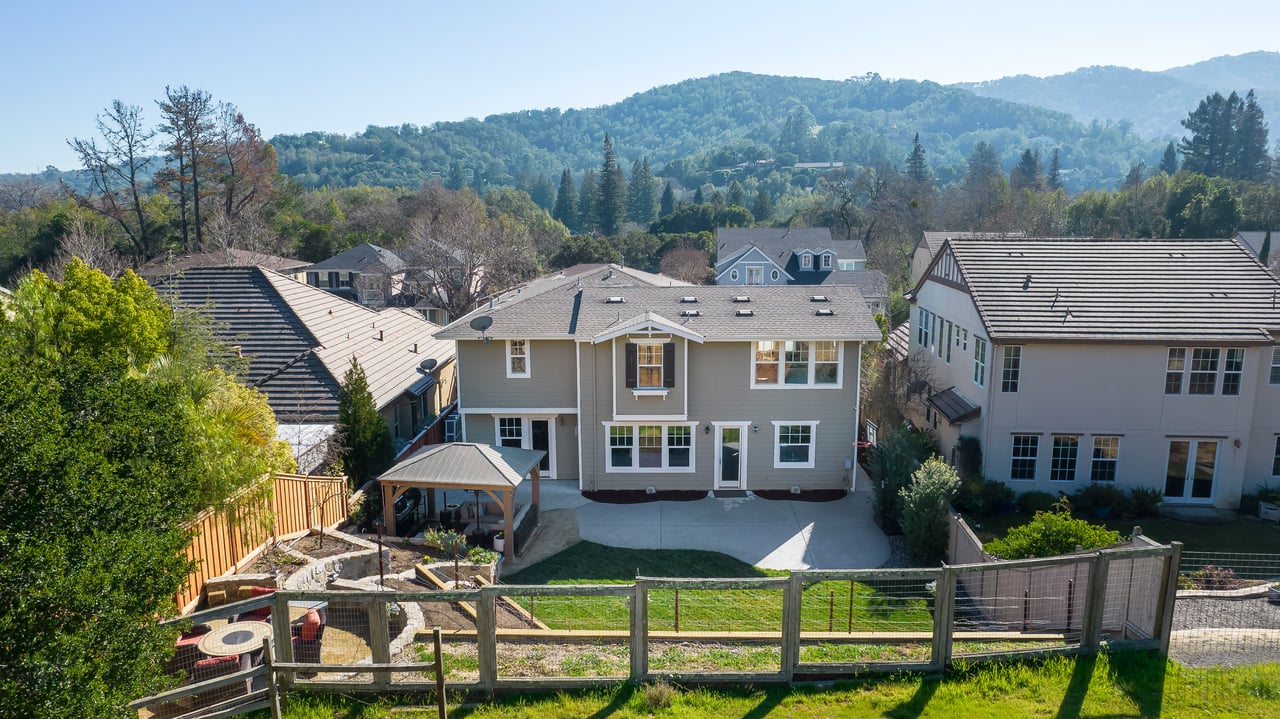
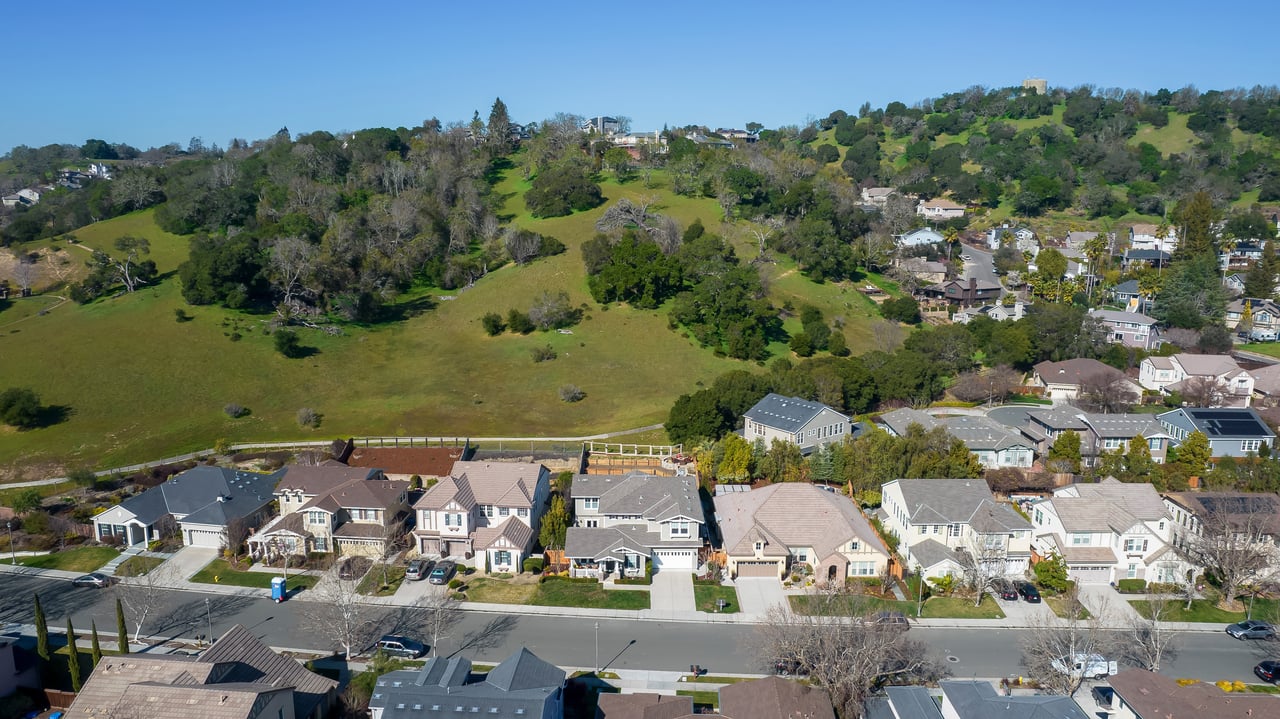
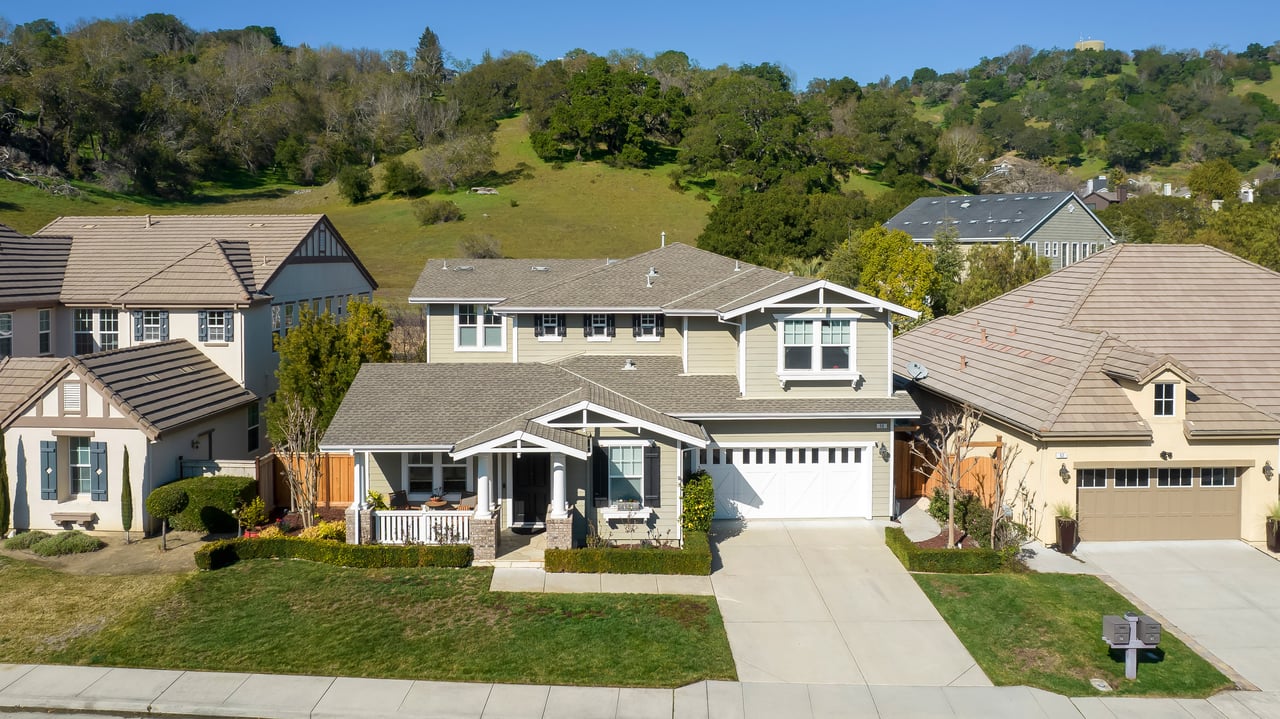
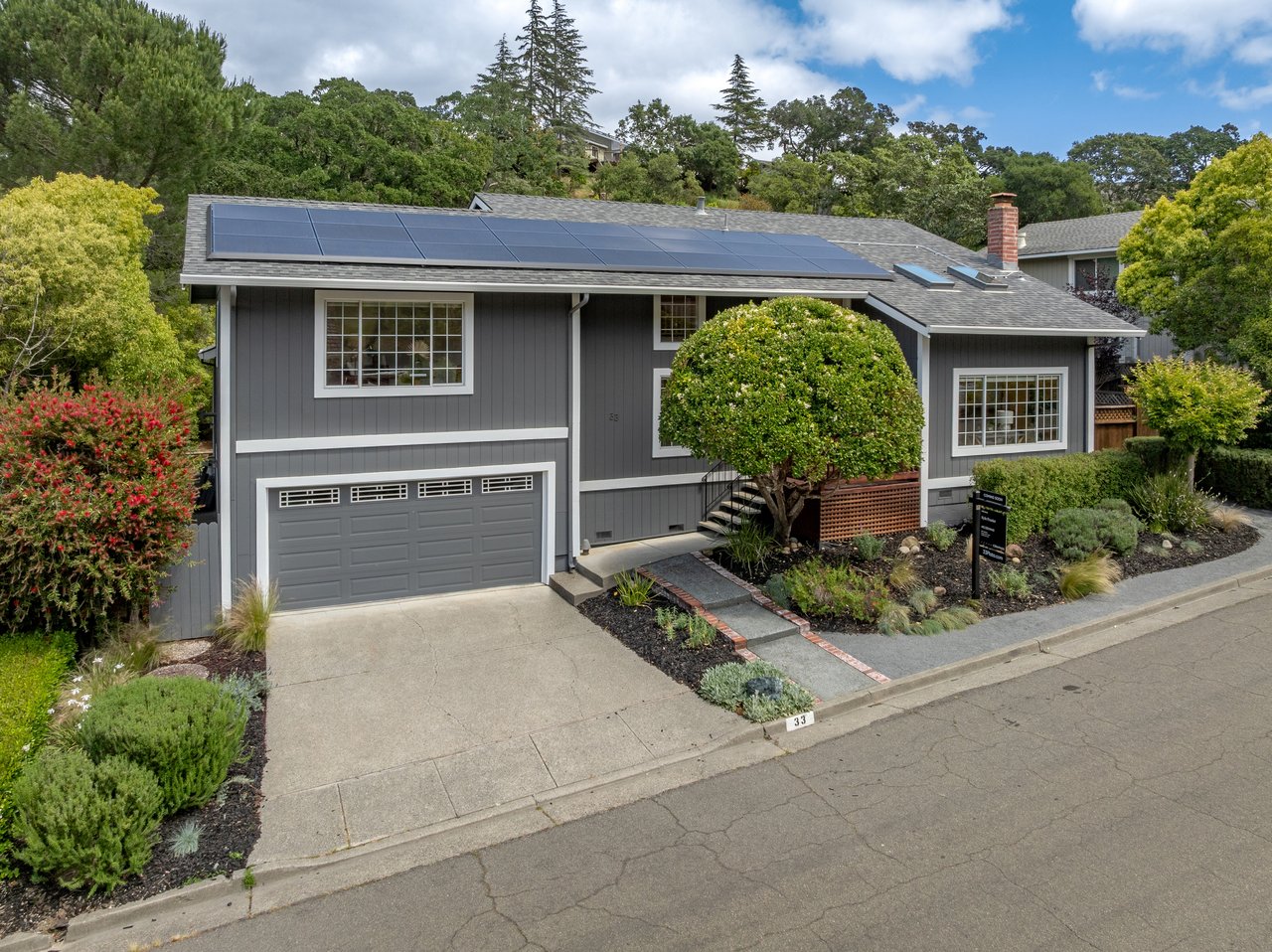
I've watched this play out firsthand. Over the past few months I represented sellers on two homes in Marin Country Club Estates that never touched the open market — both closing, in my professional judgment as the broker who sold them, roughly 5% above what they would have earned as ordinary listings. That figure is my estimate, not an audited statistic. But it lands almost exactly where the study's curve says upper-tier homes should land — between the 1.7% average and the 8%+ luxury premium — and it matches the pattern I've observed across two decades of private sales in Marin.
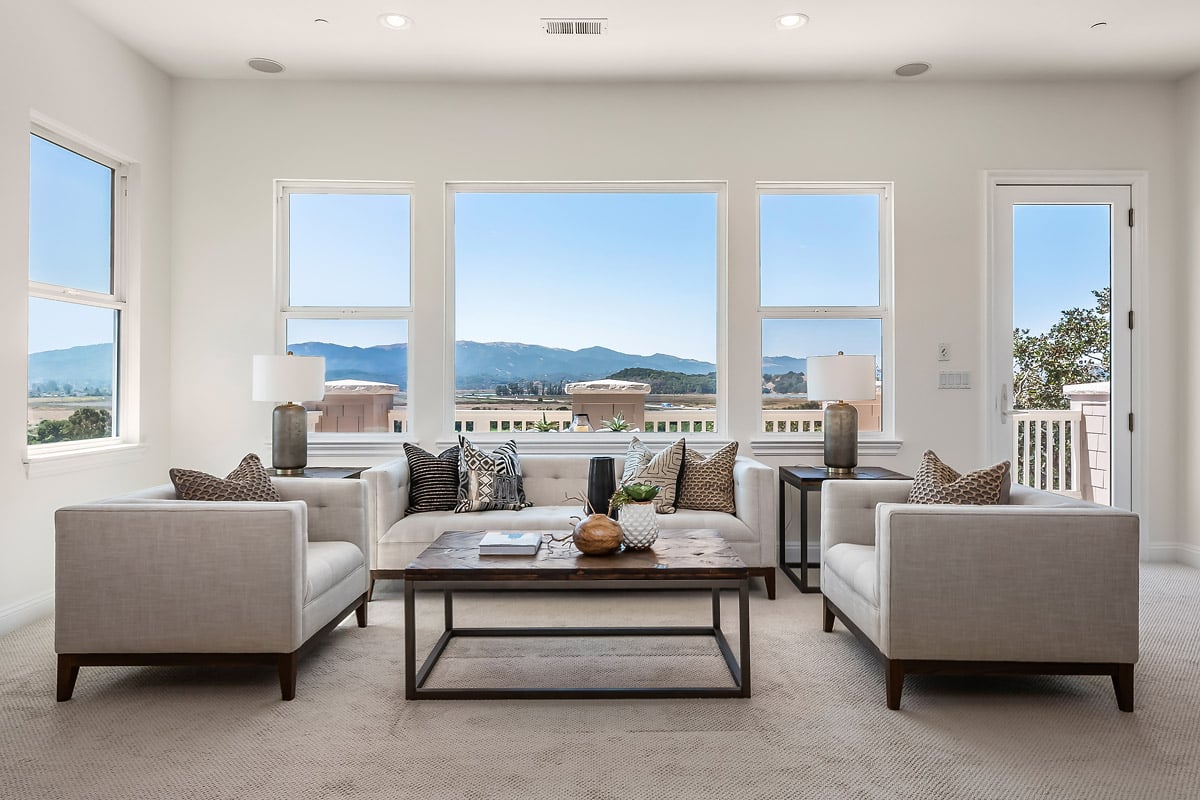
One detail from those sales matters more than any statistic: neither was a "lazy" pocket listing. Both homes carried my complete marketing suite — professional media and the full digital presentation — built and ready before a single buyer saw them. Done right, off-market doesn't mean unmarketed. The reveal simply happens in private, to a qualified audience, and the polish of that presentation is a large part of why the premium materializes at all.
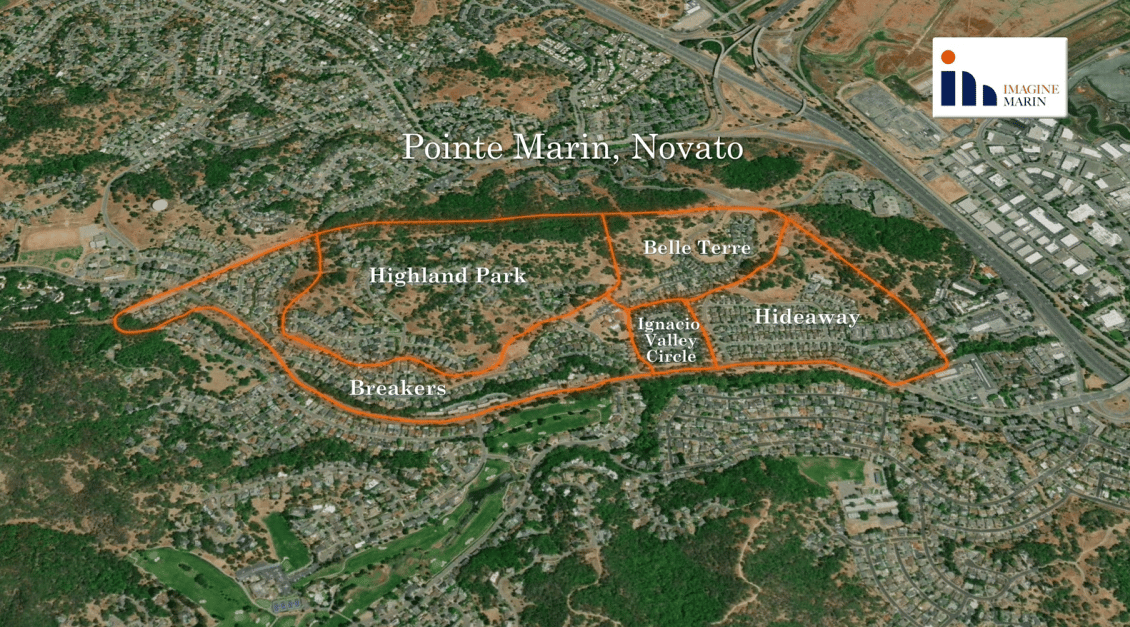
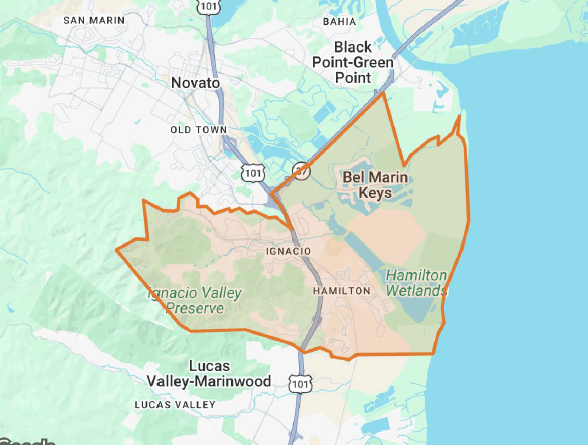
More broadly, this maps onto how Marin works. This is a scarce-inventory county with tight broker networks and active platforms like Top Agent Network and Compass Private Exclusives — precisely the kind of relationship-driven market where the purely private channel the study describes still functions. But one clarification from my own practice, because the usual "privacy seller" list gets it wrong: trust and estate sales are generally a poor fit for the private channel. Having served as a trustee and executor myself, I know a fiduciary needs a defensible, market-tested sale price that beneficiaries can rely on — which is exactly what full exposure documents. The private channel earns its premium for a different seller: divorce, a tenant-occupied property, a public profile, or testing a price with no public record if it misses. Either way, the decision is case by case, and when a client's situation calls for maximum exposure, I put the listing on the open market and say so.
How Solid Is This Study? The Limitations, Stated Plainly
My legal training makes me allergic to overclaiming from a single source, so here is the fine print. This is a working paper, not yet peer-reviewed. It covers one market — Dallas–Fort Worth, 2002–2022 — which is larger, more decentralized, and more affordable than Marin. The "zero days on market" definition may sweep in some family and neighbor-to-neighbor deals that were never true market transactions. And the paper has no buyer-side data, so the "buyers pay for certainty" mechanism, while plausible, is inferred rather than directly tested. It also acknowledges, without resolving, fair-housing questions about who gets access to private inventory.
None of that erases the findings. It means the study is strong evidence, not settled law — the first rigorous, unconflicted data point in a debate that previously had none. That alone makes it required reading for anyone selling, or buying, in a market like ours.
Frequently Asked Questions
Do off-market homes sell for more money?
Bottom Line: According to the first neutral academic study of private listings (Hayunga, University of Georgia, 2026), pocket sales in the Dallas–Fort Worth sample sold for approximately 1.7% more than matched comparable homes sold on the open MLS, with the premium exceeding 8% for luxury properties. The gain came from avoiding visible price cuts and the open-market negotiation discount. The result is from one market and a working paper, so it's strong evidence rather than a guarantee — and the right strategy still depends on the specific property and seller.
Why would a buyer pay a premium for an off-market home?
Bottom Line: Certainty. The study concludes buyers pay to lock down a property before it reaches the open market, where they would face competing offers and could lose the home entirely. The premium functions like an option payment for exclusivity — a dynamic most pronounced at the luxury tier, where the pool of qualified buyers is small and motivated.
Are pocket listings legal in California in 2026?
Bottom Line: Yes, with rules. A seller may lawfully sell without MLS exposure, but NAR's Clear Cooperation Policy requires MLS entry within one business day once a listing is publicly marketed, and channels like office exclusives and Compass Private Exclusives operate within defined exceptions. The compliant path matters — recent litigation like Compass v. Zillow (2026) shows platforms and policy are actively narrowing the semi-private middle ground. Work with a Marin real estate agent who understands both the marketing and the compliance side; my background as a former litigation attorney is exactly why sellers with complex situations hire me for these transactions.
Is selling off-market the right move for every Marin seller?
Bottom Line: No — and the study itself says so. Most luxury sellers in the sample rationally chose broad MLS exposure to maximize the bidder pool. From my own practice I'll add that trust and estate sales are usually a poor fit for the private channel: having served as a trustee and executor myself, I know a fiduciary needs a defensible, market-tested sale price that beneficiaries can rely on. The premium belongs to sellers whose circumstances genuinely favor privacy — divorce, tenant-occupied properties, public figures, or testing a price without a public record — decided case by case with clear eyes about the trade-off in exposure.
How do I find off-market homes in Marin County?
Bottom Line: The study's most practical finding for buyers is that private inventory flows through agent networks — you can't access it from a portal. In Marin that means working with an agent plugged into Top Agent Network, Compass Private Exclusives, and direct broker relationships. I maintain current off-market and private exclusive listings for qualified buyers; you can start at my Marin off-market homes page or reach me directly at 415-350-9440.
Thinking About a Private Sale — or Access to Private Inventory?
I've spent 20+ years representing Marin sellers and buyers in off-market transactions — from quiet trust and estate dispositions to luxury private exclusives — and I read every study, policy change, and court ruling in this space so my clients don't have to. If you're weighing a private sale against full MLS exposure, the right answer starts with your specific situation, not a headline number.
Call or text me at 415-350-9440, email [email protected], or learn more about off-market homes in Marin, trust and estate sales, and my background and credentials. For current Marin market data, visit Marin Market Intelligence.
Source: Darren Hayunga, "Pocket Sales in the Housing Market: Selection, Outcomes, and Policy," University of Georgia, working paper posted to SSRN February 2026, analyzing 700,000+ Dallas–Fort Worth transactions (2002–2022). Findings are from a working paper not yet peer-reviewed and reflect one metropolitan market; they are presented for educational purposes and are not a guarantee of any pricing outcome. Kyle Frazier, Broker Associate, Imagine Marin at Compass, DRE# 01405738. This article is not legal advice.