Quick Answer: Hamilton Field's National Register historic district is real, but it is small and discontiguous: three separate areas totaling about 178 acres, listed in 1998, covering the 1930s officers' housing, the hospital and theater, and the headquarters, barracks and hangars. None of Hamilton's nine residential enclaves, built from 1999 to 2012, sits inside it. What governs exterior work on every one of those enclaves is the Hamilton Field of Marin Owners Association and its neighborhood Architectural Committees, a process the association says can take up to 60 days. Above both layers sit state and federal rules that limit what an HOA can say no to: California's Solar Rights Act, the FCC's satellite-dish rule, and the Civil Code's decision-in-writing requirements.
Key Takeaways:
- The Hamilton Army Air Field Discontiguous Historic District (National Register, 1998) is three pockets — 34.4, 5.7 and 137.7 acres — not a blanket over the neighborhood.
- All nine enclaves (Bayside, Hamilton Meadows, Hamilton Park, Southgate, Traditions, Inspirations, Sunny Cove, Newport, The Landing) answer to HFOMA and their own neighborhood Architectural Committee; none carries federal preservation review.
- Per HFOMA, pre-approval is required for any noticeable exterior change — solar, fencing, hardscape, tree removal, new structures, even mailboxes — and the process includes neighbor signatures and can run up to 60 days.
- Repainting in the same colors or replacing a tree with the same variety in the same spot needs no approval.
- Under Civil Code section 714, a solar application not denied in writing within 45 days is deemed approved, and any restriction adding more than $1,000 or cutting efficiency more than 10% is void.
- An unresolved violation notice travels with the resale package under Civil Code section 4525 — find the approval letters before a buyer's team asks for them.
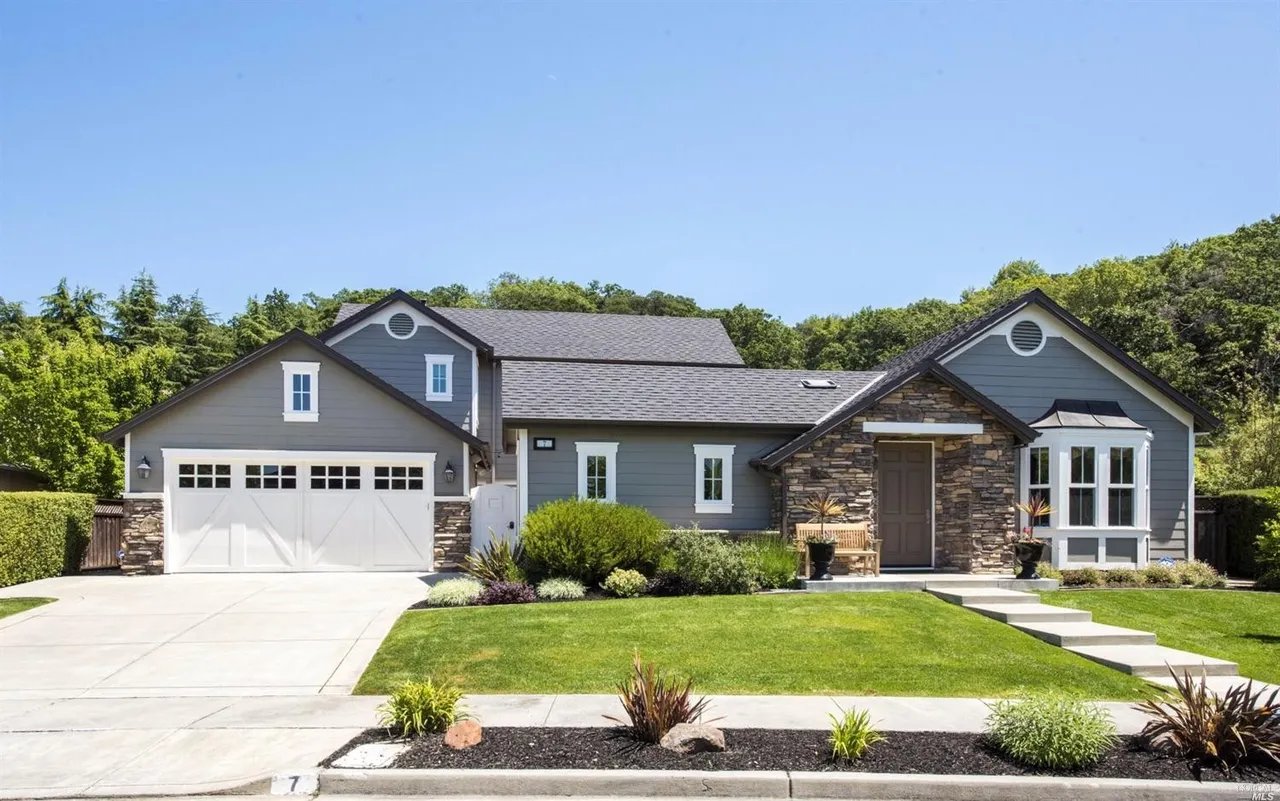
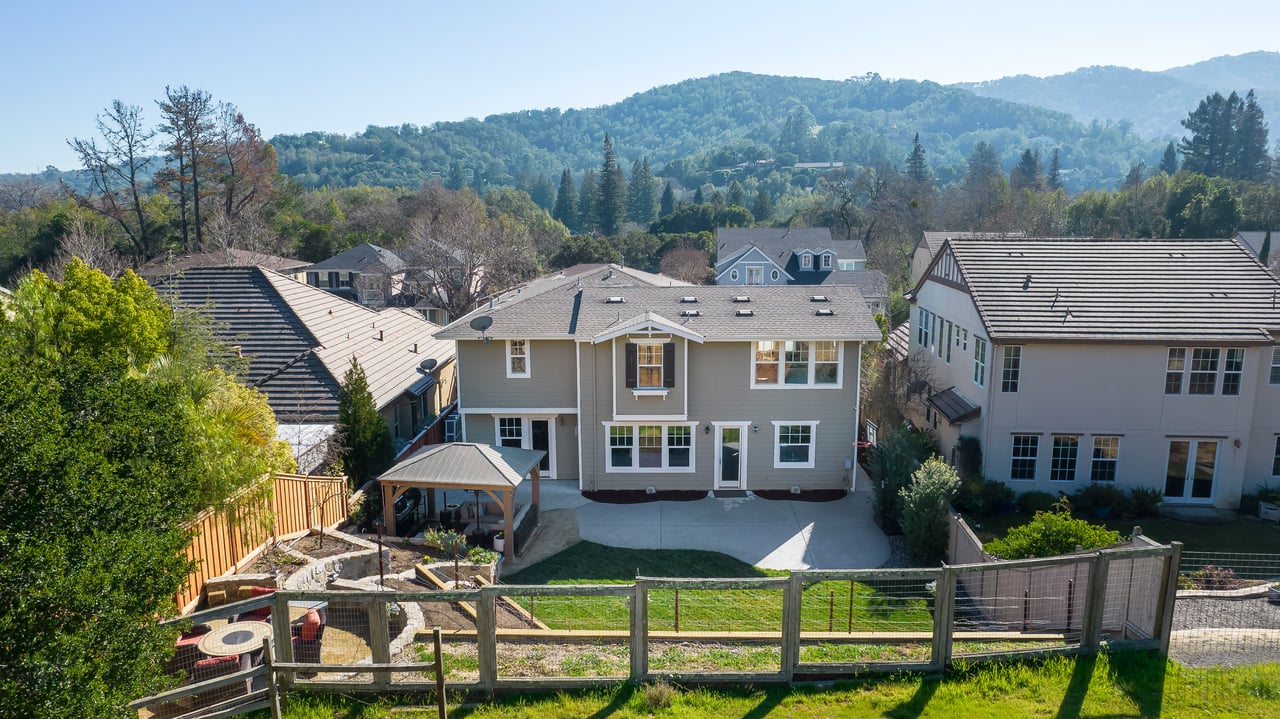
Picture a homeowner in a home built in 2011 in The Landing, budgeting for a rooftop solar array and assuming the only signature they need belongs to the City of Novato. A few enclaves away, a homeowner in a Spanish Colonial Revival home styled after Hamilton's 1930s originals assumes the same project will draw extra scrutiny, because their listing leaned hard on the word historic. Both of them are picturing the wrong hurdle. Neither house sits inside the federal boundary that carries preservation significance, because that boundary covers a much smaller and stranger slice of Hamilton than either owner assumes.
That mismatch is the thing worth understanding before you list a Hamilton Field property or start a renovation, not after a buyer's inspection period surfaces it. I served as Director of Sales for The Landing, the 29-home enclave completed in 2012, so I have sold new homes inside this association's rules from the developer's side of the table. Here is how the two systems actually divide.
Is Hamilton Field a historic district?
Yes, and no. The Hamilton Army Air Field Discontiguous Historic District was listed in the National Register of Historic Places in 1998, but the word "discontiguous" is doing the work. The nomination form itself explains why: after the base closed in 1974 and the New Hamilton Partners began redeveloping it in the 1990s, many of the original buildings were razed, street patterns changed, and a levee was built between the hangars and the runways. The historians who re-surveyed the site found that only three separate areas still had enough integrity to qualify.
Those three areas total 177.875 acres, per the nomination:
- Area A (34.4 acres) — the original officers' housing: 96 single-family and duplex residences from 1933–34, the Bachelor Officers' Quarters, the officers' pool and tennis courts, and the rock walls and landscaping around them.
- Area B (5.7 acres) — the base hospital, the post theater, the amphitheater and one staff duplex.
- Area C (137.7 acres) — the headquarters building, the three H-shaped non-commissioned officers' barracks, the hangars and the flagpole with its 1944 dedication plaque.
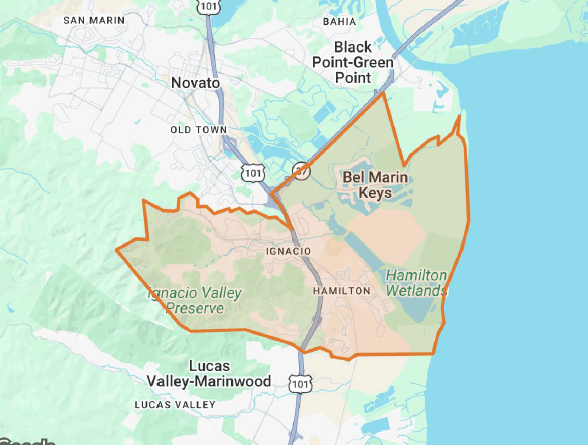
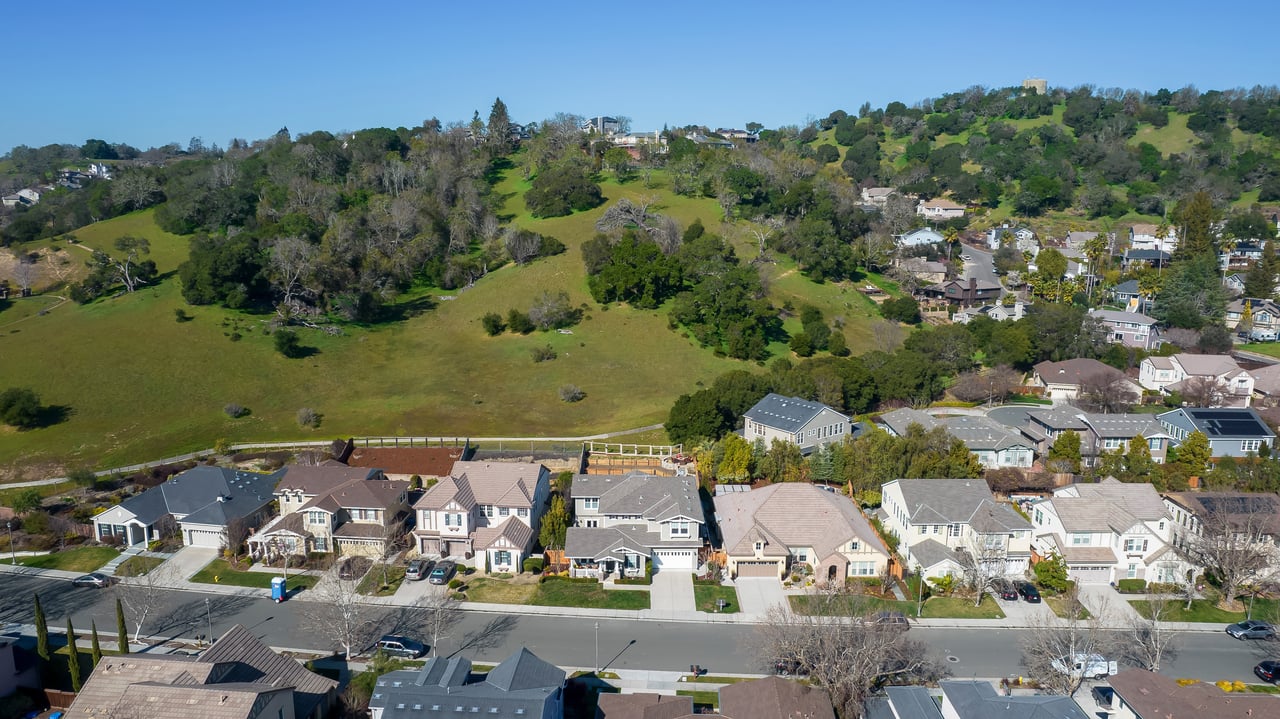
None of Hamilton's nine residential enclaves appears in any of those areas. They were built between 1999 and 2012 — Southgate first, The Landing last — after the 1998 listing, on parts of the former base outside the three retained areas. The HFOMA welcome page tells new owners that Hamilton "is designated a Historic District on the National Register," and that sentence is true of the base. It is not true of the house you just bought in Newport.
Enclave | Inside the 1998 National Register boundary | Exterior review |
|---|---|---|
Bayside | No | HFOMA CC&Rs + Bayside Architectural Committee |
Hamilton Meadows | No | HFOMA CC&Rs + Hamilton Meadows Architectural Committee |
Hamilton Park | No | HFOMA CC&Rs + Hamilton Park Architectural Committee |
Southgate | No | HFOMA CC&Rs + Southgate Architectural Committee |
Traditions | No | HFOMA CC&Rs + Traditions Architectural Committee |
Inspirations | No | HFOMA CC&Rs + Inspirations Architectural Committee |
Sunny Cove | No | HFOMA CC&Rs + Sunny Cove Architectural Committee |
Newport | No | HFOMA CC&Rs + Newport Architectural Committee |
The Landing | No | HFOMA CC&Rs + The Landing Architectural Committee |
What is inside the boundary is a distinct and much smaller category of property: 1930s buildings, most of them not homes at all. How the 96 Area A residences are owned and used today varies, and a 1930s officers' quarters that trades as a private home is a different transaction from a tract home in Bayside or The Landing — worth flagging on its own if you are ever selling one.
A point of law that the word historic tends to obscure: National Register listing by itself does not regulate what a private owner does to a building. What can regulate it is the paperwork that came with the building — preservation covenants recorded when a federal property was conveyed to private hands — plus City of Novato review of work on a designated historic resource. Those layers can attach to the 1930s buildings inside the three areas. They do not attach to a 2004 house in Sunny Cove, no matter how often the marketing says historic.
What actually governs exterior changes in Hamilton's nine enclaves?
The Hamilton Field of Marin Owners Association, or HFOMA, and its recorded Covenants, Conditions and Restrictions cover every enclave, and each neighborhood has its own Architectural Committee whose stated job is to keep that neighborhood's original design intact. The association is managed by Wakefield Sharp, and its owner site sets out the rule plainly: visual changes to the exterior of your home and lot must be approved in advance by your neighborhood's committee.
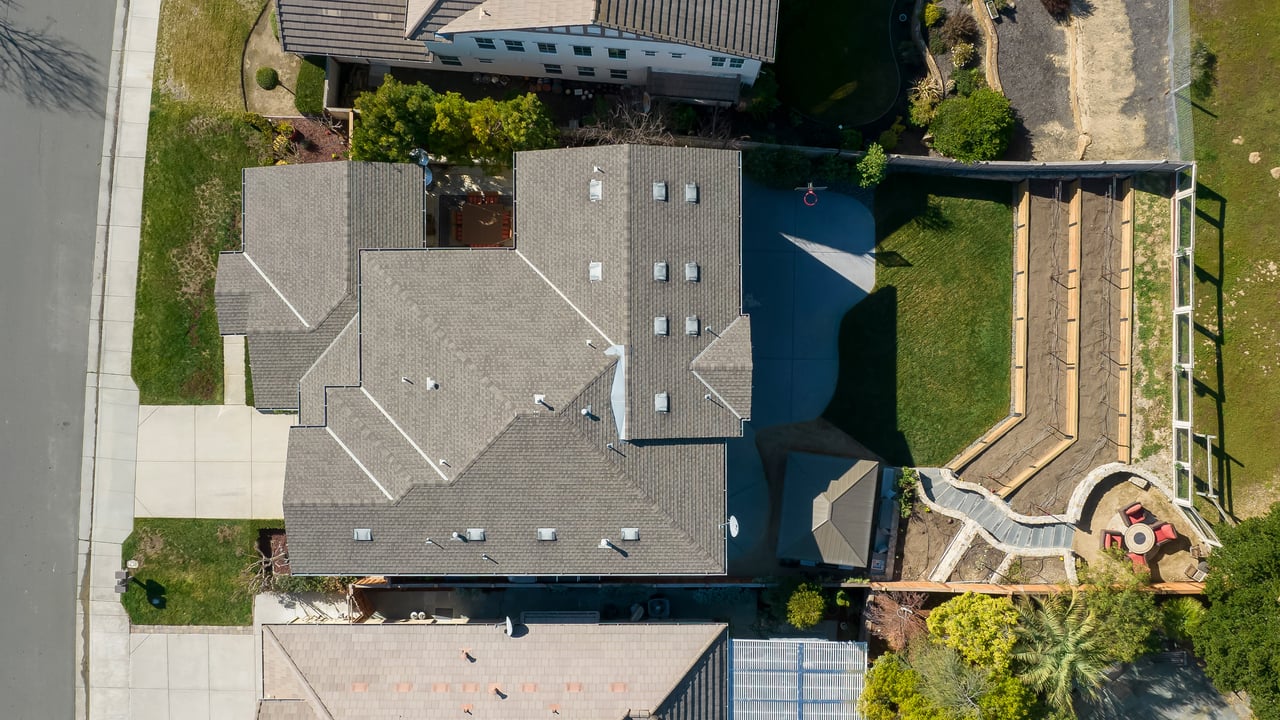
That word "neighborhood" matters. A fence style or paint scheme approved in Newport sets no precedent for the same request in Bayside, because a different committee makes the call against that enclave's own guidelines. HFOMA's own list of what needs pre-approval is broad: tree removal, new mailboxes, changes to landscaping or hardscape, altered fencing, new structures of any kind, and new external systems including solar. The structural application adds arbors, shade structures, decks, shutters, gates, balconies, window modifications, second units, room additions and story additions, and it asks for a detailed plan with finish colors and material swatches. Two things need no approval at all: repainting your home in the same colors, and replacing a tree with the same variety in the same location.
The process, per the association: submit the application with the right addenda (landscape, structural, house paint color, tree modification, or the separate solar application), including proof that affected neighbors were notified and signed off, and do not start work until approval arrives. HFOMA says the process can take up to 60 days. Budget for that, not for a week.
Which state and federal rules override the HOA?
Three rules sit above the CC&Rs, and they cover the projects a Hamilton owner is most likely to plan. As a former litigation attorney I will add the obvious caveat: this is orientation, not legal advice, and the recorded documents and current statutes govern your situation.
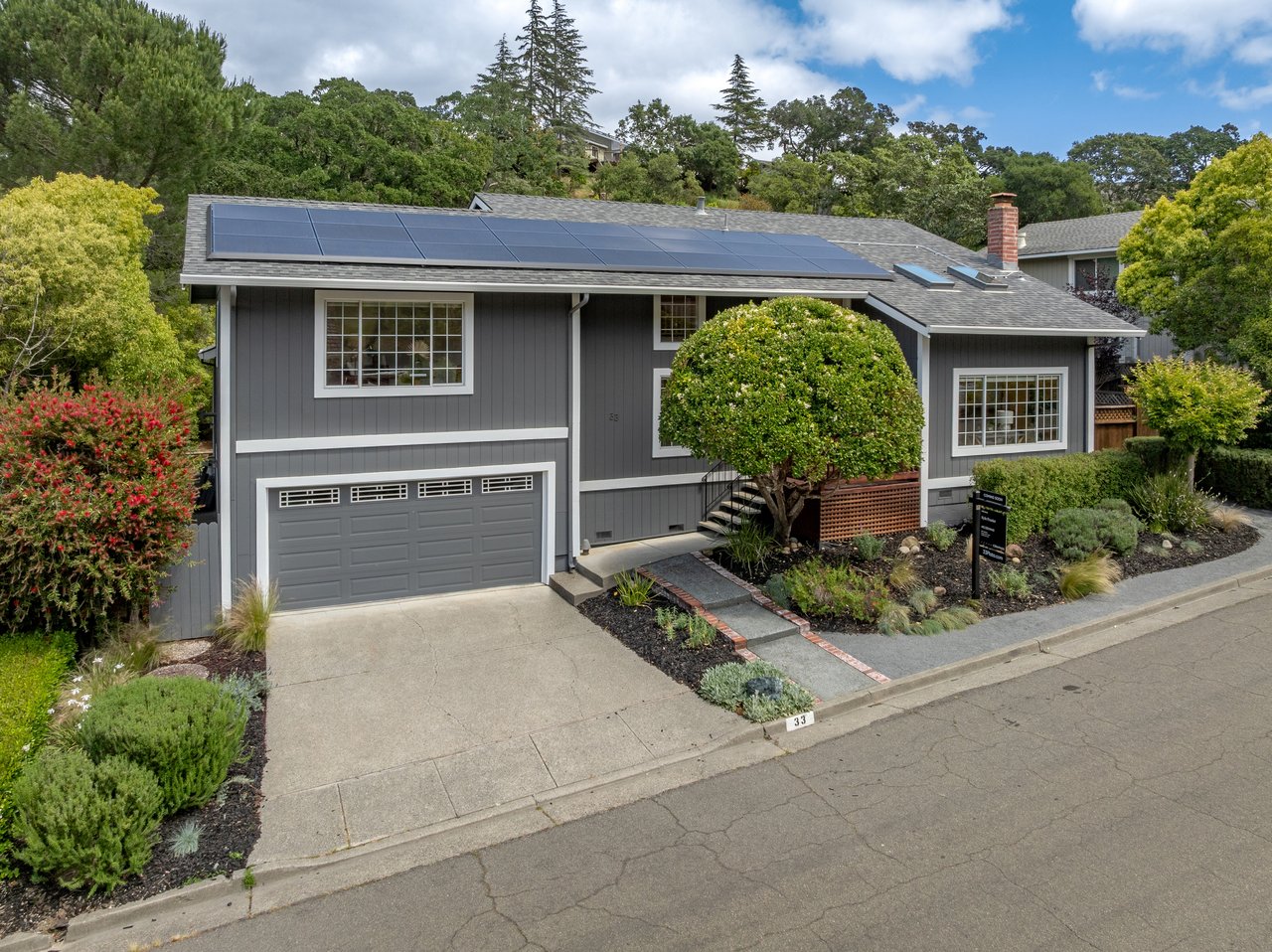
Solar — California Civil Code section 714. Any governing-document provision that effectively prohibits or restricts a solar energy system is void. An association may impose only reasonable restrictions, and the statute defines the limit: for a photovoltaic system, a restriction that adds more than $1,000 to the system cost as proposed, or reduces its efficiency by more than 10%, is not reasonable. The application is processed like any other architectural application, but if it is not denied in writing within 45 days of receipt, it is deemed approved unless the delay comes from a reasonable request for more information. HFOMA's solar application is the approval process the statute contemplates; it is not a veto.
Satellite dishes and antennas — the FCC's OTARD rule. The Over-the-Air Reception Devices rule prohibits an HOA from preventing, unreasonably delaying, or unreasonably increasing the cost of installing a dish one meter or less in diameter, or certain antennas, on property the owner exclusively controls, such as a patio, balcony or the owner's own roof. Committees may still ask for reasonable placement or screening, but not rules that make the installation impractical. Hamilton's own 1997 recorded declaration already carves this out: the committee may not prohibit a video or television antenna or satellite dish measuring 36 inches or less, subject to the conditions written into that clause.
Every decision — Civil Code section 4765. An architectural decision must be made in good faith and may not be unreasonable, arbitrary or capricious. It must be in writing, and a disapproval must explain why and describe how to ask the board to reconsider. Electric vehicle charging stations carry their own protections under Civil Code section 4745.
The practical translation: on solar and dishes, the committee's role is placement and screening within the statutory limits, not permission. On everything else — fences, patio covers, additions, hardscape, paint — the committee's approval is the whole ballgame.
What slows a Hamilton escrow?
Exterior work that was never approved. None of the process above sounds like much until you are the seller who added a patio cover, changed a fence line, or installed solar five years ago without filing the paperwork. California's resale package, the documents a seller must deliver under Civil Code section 4525, includes a copy or summary of any notice sent to the owner of an alleged violation of the governing documents that remains unresolved. The association has ten days from a written request to deliver those documents under section 4530, and that request should go out before escrow opens, not after, because the file it produces is the file a buyer's lender and title company will read.
Two more Hamilton-specific wrinkles. First, the governing documents are moving: HFOMA's document library currently posts a third draft of proposed CC&R revisions, so the version a seller remembers may not be the version a title company pulls. Second, who maintains the perimeter walls is a live enough question that the association posts a wall-maintenance memo and a separate notice on privacy walls, perimeter walls and fences. Both are worth reading before you price a home whose lot backs to one.
And separately from the HOA: unpermitted or unapproved exterior work is a material fact on the seller's Transfer Disclosure Statement regardless of what the association knows. The two disclosures have to agree with each other and with what is standing in the yard. For the tax side of a Hamilton sale, see my guide to selling in Hamilton Field after the CFD sunset.
What should a Hamilton seller do before listing?
- Confirm the enclave and request that enclave's own packet. Ask Wakefield Sharp for the neighborhood-specific architectural guidelines, not just the Hamilton-wide CC&Rs, and for the current recorded version plus any amendments.
- Find the approval letter for every past exterior project — solar, fencing, patio structure, addition — before a buyer's team asks for it. If a letter never existed, get in front of it with the committee now rather than in week three of escrow.
- Order the resale package early. Ten days is the statutory clock; the practical clock is however long it takes you to read what comes back and fix anything it flags.
- Reconcile the TDS with the HOA file. If the association's records and your disclosure statement describe two different houses, the buyer will notice.
- If you are selling a 1930s residence inside the historic boundary, pull the deed and any recorded preservation covenants, and disclose that distinction plainly. It changes what a buyer can later alter on the exterior, and it is a selling point for the right buyer.
How a home is prepared and positioned for this market is covered in my Marin seller's guide, and the numbers behind Hamilton pricing are in why every site shows a different Hamilton price.
What should a buyer planning a Hamilton renovation expect?
Weeks, not days, and professional drawings, not a contractor's sketch. If you are buying in Newport, Sunny Cove or any of the other enclaves and planning a room addition, the Structural Addendum, the neighbor signatures and the committee's review are all on the critical path before a City of Novato permit even matters, and HFOMA's own estimate is up to 60 days. Solar is the exception: the 45-day statutory clock runs on the association, and a proposed placement that costs you more than $1,000 or more than 10% of output is a restriction the statute does not allow.
The one buyer who faces the federal layer is the one evaluating a 1930s officers' quarters inside Area A. If that is the property, budget for the recorded covenants and City review on top of any association process, a combination almost no other Hamilton buyer will encounter. The HOA and CFD cost stack for a standard enclave home is a separate calculation, and my Hamilton Field driving tour shows where each enclave actually sits.
Get your Hamilton file in order before it becomes someone else's discovery.
Kyle Frazier, JD, CRS, CLHMS · Broker Associate, Compass · DRE# 01405738
[email protected] · 415-350-9440
Frequently Asked Questions
Does owning a home in Hamilton Field mean my property is under historic preservation rules?
Almost certainly not. The Hamilton Army Air Field Discontiguous Historic District, listed in 1998, covers three separate areas totaling about 178 acres: the 1930s officers' housing, the hospital and theater, and the headquarters, barracks and hangars. None of the nine residential enclaves built between 1999 and 2012 sits inside it. Only a 1930s building inside those areas can carry preservation covenants or City of Novato historic review.
If my enclave is not historic, can I skip HOA architectural review for exterior work?
No. The Hamilton Field of Marin Owners Association's CC&Rs apply to all nine enclaves regardless of build year, and each neighborhood's Architectural Committee reviews paint colors, solar, structures, fencing, hardscape and landscaping changes before work begins. Per HFOMA, the only exterior work exempt from pre-approval is repainting in the same colors or replacing a tree with the same variety in the same location.
Can the Hamilton HOA deny my solar panels?
Not in the way most owners fear. Under California Civil Code section 714, any governing-document provision that effectively prohibits or restricts a solar energy system is void. The committee may impose reasonable restrictions, but for a photovoltaic system a restriction that adds more than $1,000 to the cost or reduces efficiency by more than 10% is not reasonable. If the application is not denied in writing within 45 days, it is deemed approved.
Can the HOA deny a small satellite dish or antenna outright?
No. The FCC's Over-the-Air Reception Devices rule limits how far an HOA can restrict dishes one meter or less in diameter and certain antennas on space the owner exclusively controls, such as a patio, balcony or the owner's own roof section. The committee can ask for reasonable placement or screening that does not impair reception or add unreasonable cost. Hamilton's 1997 declaration already bars the committee from prohibiting dishes and antennas of 36 inches or less, subject to that clause's conditions.
How long does HFOMA architectural approval take?
The association says the process can take up to 60 days. It begins with a completed application and the applicable addenda, includes notifying affected neighbors and collecting their signatures, and then goes to the specific neighborhood's Architectural Committee. No work may start until approval is received. Solar applications run on a shorter statutory clock: under Civil Code section 714, one not denied in writing within 45 days is deemed approved.
What happens if a previous owner made changes without HOA approval?
Any unresolved notice of violation travels with the resale package under Civil Code section 4525, and unpermitted or unapproved work is a material fact on the seller's disclosure statement. The practical fix is to find or obtain the approval before listing rather than negotiating it in escrow. Retroactive approval is the committee's call, and the paperwork you file now is the paperwork a buyer's title company will read later.
How do I find out which Hamilton enclave a home is in?
The enclave name appears in the association's records and usually in the listing and title documents. Hamilton's nine single-family enclaves are Bayside, Hamilton Meadows, Hamilton Park, Southgate, Traditions, Inspirations, Sunny Cove, Newport and The Landing; townhome and condominium pockets, including the newer Ascend community, may sit under separate governing documents, so confirm which apply. Wakefield Sharp, the association's manager, can confirm the enclave and supply that neighborhood's architectural guidelines.
Who maintains the perimeter walls in Hamilton Field?
It depends on the wall and the recorded documents, and it is a live enough question that HFOMA posts a wall-maintenance memo and a separate notice on privacy walls, perimeter walls and fences in its document library. Before pricing or buying a lot that backs to a perimeter wall, read both, check the current recorded CC&Rs and any proposed revisions, and confirm the responsibility in writing with the association's management.
Sources: National Register of Historic Places nomination, Hamilton Army Air Field Discontiguous Historic District (NRIS 98001347, 1998); Hamilton Field of Marin Owners Association owner site and design-review applications (Wakefield Sharp); Hamilton Field Declaration of Covenants, Conditions and Restrictions, recorded November 24, 1997 (Marin County Document 97-67248); California Civil Code sections 714, 4525, 4530, 4745 and 4765; 47 CFR 1.4000 (OTARD). This article is orientation by a former litigation attorney and licensed California real estate broker; it is not legal advice, and the recorded documents govern.