Quick Answer: The west end of Ignacio Boulevard in Novato 94949 runs two different seasons, and a single fall storm switches them. Before the first real rain, the Indian Valley Organic Farm & Garden farm stand is open Saturdays 10 a.m. to 1 p.m. through October 31, and the Indian Valley Preserve waterfall is dry rock. After it, the farm stand closes for the year, the Ken Harth Waterfall Trail starts running, California newts begin migrating to Pacheco Pond, and native planting season opens. Between now and the last October Saturday is the only stretch of the year when the harvest side and the trail side are both available.
Key Takeaways:
- Seven farm-stand Saturdays remain on the posted 2026 season: September 19 through October 31, 10 a.m. to 1 p.m., per College of Marin.
- The UC Marin Master Gardeners' Edible Demonstration Garden at the farm has drop-in hours every Friday, 9 to 11 a.m., with a tour and free answers to whatever gardening question you bring.
- The Indian Valley waterfall is a rainy-season feature; it does not run until the first sustained storms fill the creek.
- California newts spend the dry months underground and migrate to breeding water once the rains arrive, moving mostly at night during or after rain — Pacheco Pond, at the start of the fire road, is where they surface.
- Newts carry a potent skin toxin: look, don't handle, and keep dogs out of the pond, which Marin County Parks asks of every visitor.
- Home Ground Habitats, the nonprofit native plant nursery on the far side of the preserve, is open Tuesday through Thursday, 1 to 4 p.m., and the first rain is when natives go in the ground.
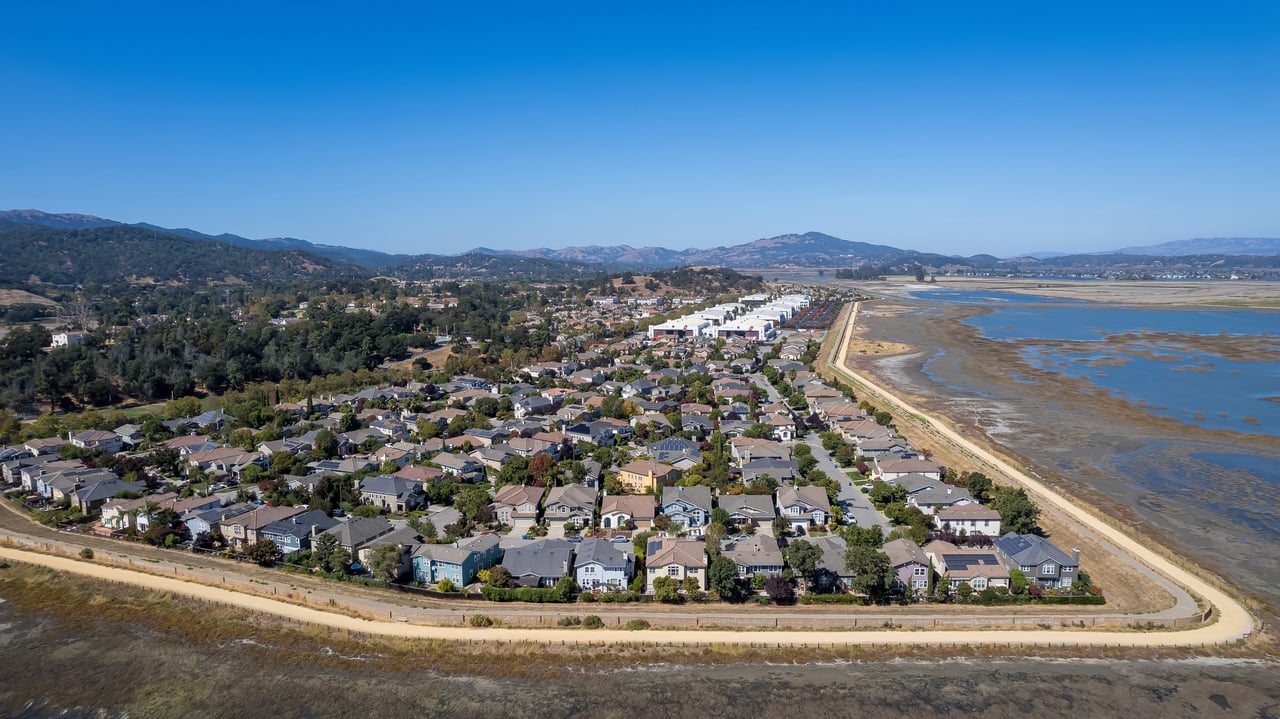
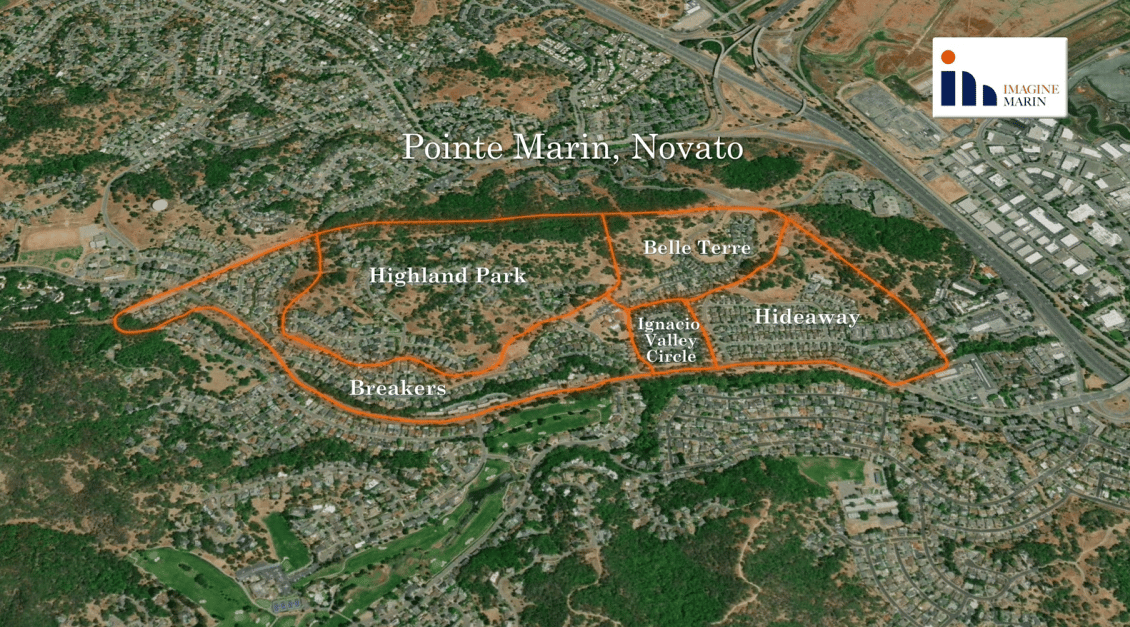
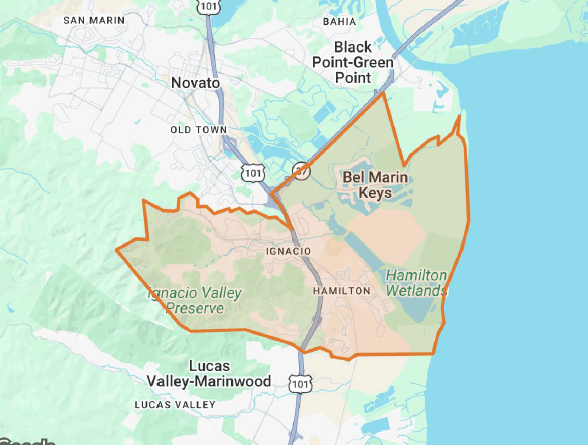
Most trips down Ignacio Boulevard end at Pacheco Plaza. You pull in for Nugget Markets, or coffee at Marin Coffee Roasters, or a pizza from Boca, and you turn around. The road keeps going west for another mile and a half past that turnaround, through the College of Marin gates, and dead-ends at a parking lot next to a softball field. I live off this street, and for a long stretch I treated that last mile the way most Pointe Marin residents do, which is to say I didn't treat it at all.
That last mile is the most seasonally reactive quarter of 94949, and it is about to flip. Not on a date. On a storm. I wrote about the harvest side of it in August — the walkable loop between the farm stand, the preserve and the plaza — and this is the other half of that story: what the first rain turns on, and how to use the overlap while it lasts.
What does the first fall storm change at the west end of Ignacio Boulevard?
One weather event moves the far end of Ignacio Boulevard from one operation to the other. The first real rain of fall closes the harvest side of that mile and opens the wet side in the same week. The farm stand's posted season ends with October. The seasonal waterfall above Pacheco Pond has no water in it until the creeks come up. The California newts that live in the hills around that pond spend the dry months underground, out of sight, and come out when the ground gets wet.
The biology is specific about the trigger. Newts wait out summer and early fall in burrows and under rocks and leaf litter, and the first soaking rains bring them out and start the migration to the ponds and slow streams where they breed. They move mostly at night, during or just after rain, and adults stay in or near the water for weeks afterward. That is the same storm that ends tomato season at the farm. One low-pressure system, two opposite effects, both within a five-minute drive of Pointe Marin's front gate.
Which makes the second half of September the short overlap window where both halves are available at once.
What is still open before the changeover?
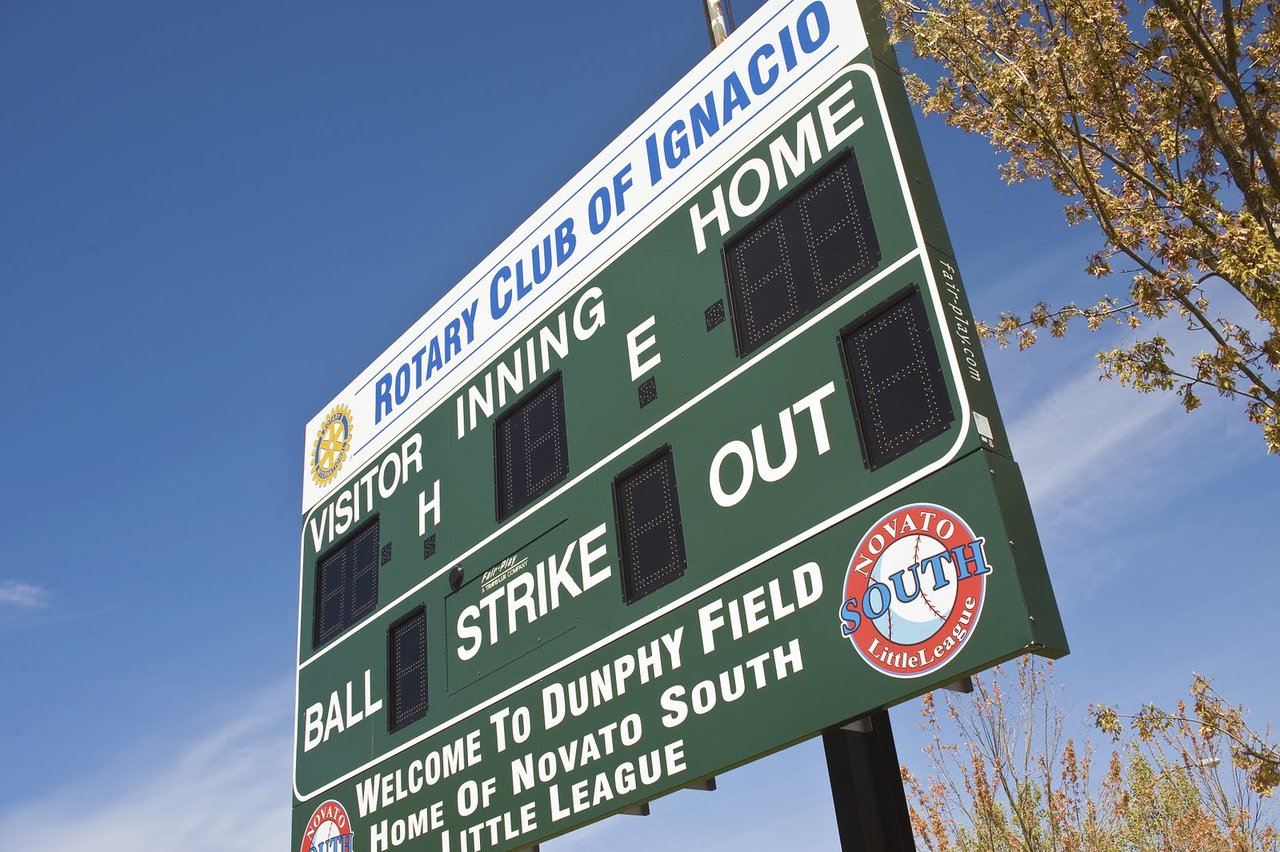
The Indian Valley Organic Farm & Garden farm stand is open every Saturday, 10 a.m. to 1 p.m., through October 31, 2026, per College of Marin's posted schedule — seven Saturdays from September 19. The farm sits on 5.8 certified-organic acres up the hill behind the campus ball fields at 1800 Ignacio Boulevard, and it is not a demonstration plot: it grows more than 300 varieties of vegetables, fruit, flowers, herbs and perennials, and the output moves into the local food system through the farm stand, local restaurants and markets, the CSA program and the Novato Unified School District lunch program.
What is open between now and the changeover, per the College's own listings:
- The farm stand, Saturdays 10 a.m. to 1 p.m., July through October. Bring cash and a bag; this is a working farm, not a farmers market.
- Drop-in visits, Tuesday through Saturday, 10 a.m. to 2 p.m., for a self-guided walk, a conversation with staff or a volunteer sign-up.
- CSA boxes, available May through November, packed with produce plus tea blends, herbs and flowers, with pickup at both the Indian Valley and Kentfield campuses.
One practical warning before you load the family in the car. Third-party directory listings for this farm stand disagree with each other on days and hours — at least one long-standing regional page still shows a Wednesday-and-Saturday schedule running into the afternoon. The College of Marin page is the one to trust, and a phone call to the farm office at (415) 883-2211, ext. 8202, before a Saturday drive is worth the ninety seconds. The College manages the farm with The Cultural Conservancy and the UCCE Marin Master Gardeners as operational partners, so several organizations post about the same five acres, and not all of them update at the same pace.
When is the Edible Demonstration Garden open to the public?
The Edible Demonstration Garden inside the farm is open for drop-in visits every Friday, 9 to 11 a.m., with a tour and answers to whatever gardening question you show up with, per the UC Marin Master Gardeners. It is a 2,100-square-foot teaching garden the Master Gardeners designed and installed in 2016, and it grows more than 100 varieties of vegetables, flowers, fruit and herbs across a deliberate mix of growing situations, all chosen because they are realistic options for a Marin gardener working a normal-sized yard. Everything it produces meets Marin Organic Certified Agriculture standards and goes straight into the farm stand and the CSA boxes.
Two things the Master Gardeners want you to know before you go. The garden can close for holidays or weather, so an email to the garden volunteers for schedule confirmation is worth sending. And 2026 has been an active rattlesnake year on the farm, with the Master Gardeners reporting daily sightings across the property this summer, so closed-toe shoes or boots and long pants are recommended.
For a Pointe Marin homeowner, this is the highest-value two hours on this entire list. Our lots are compact, the neighborhood's architectural standards mean most of us are working within similar constraints, and the question everyone asks in October is what can actually go in the ground now. There is a free answer available from certified volunteers two miles from your driveway, and the fact that it is scheduled on a Friday morning is probably why so few of us have used it.
When does the Indian Valley waterfall run, and where do the newts come from?
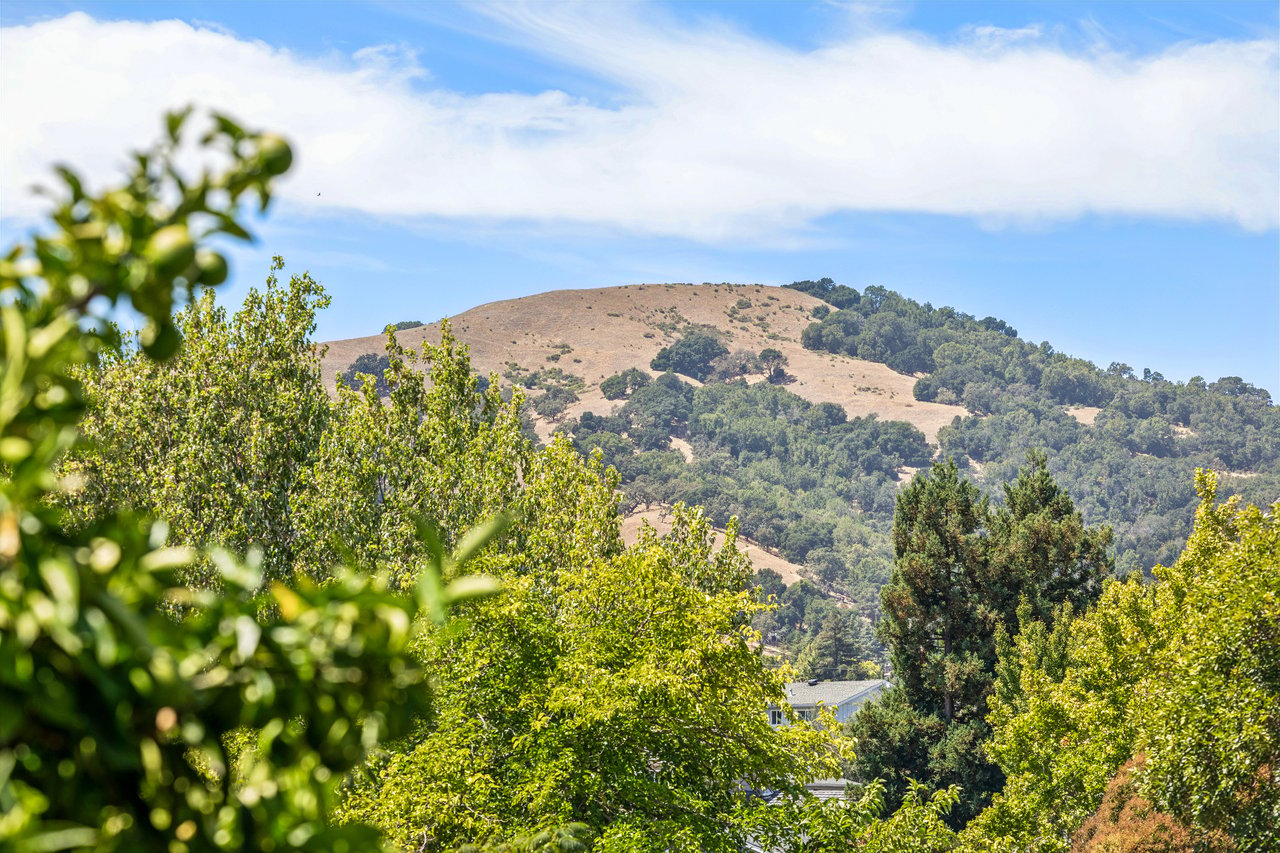
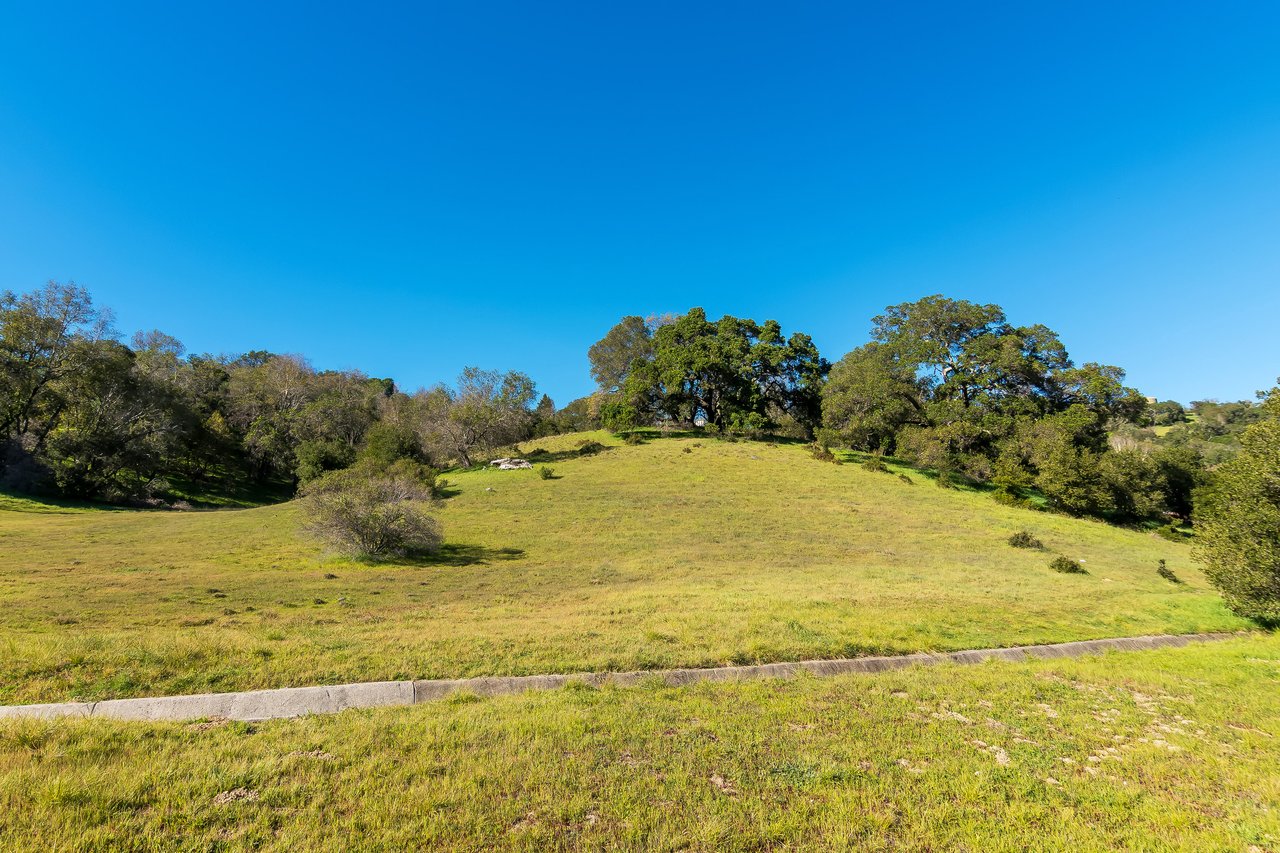
The waterfall in Indian Valley Open Space Preserve runs only in the rainy season, after the first sustained storms fill the creek, and it dries back to bare rock as spring warms up. Marin County Parks lists the Waterfall Trail as a rainy-season cascade for exactly that reason; the county's map names it the Ken Harth Waterfall Trail. In August it is a rock face. In January it is a moving creek.
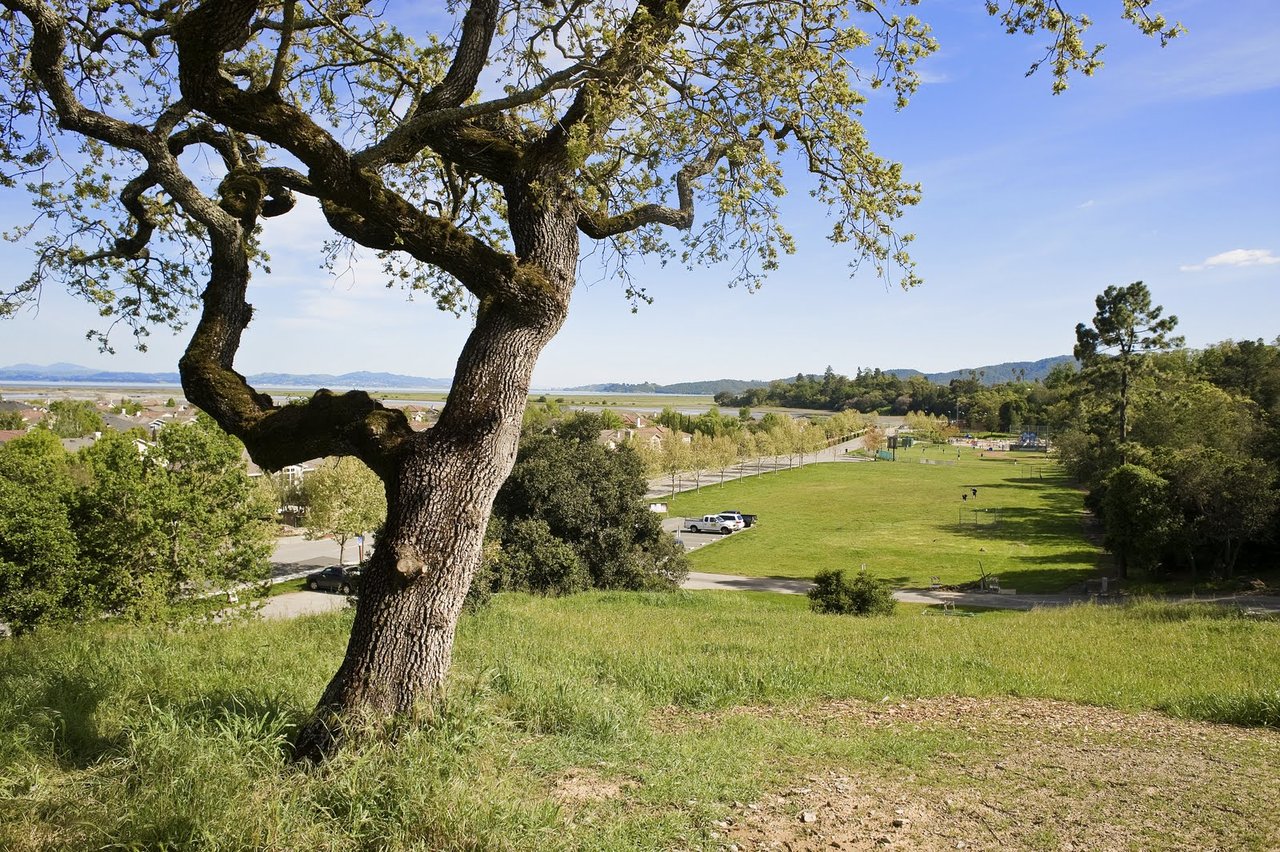
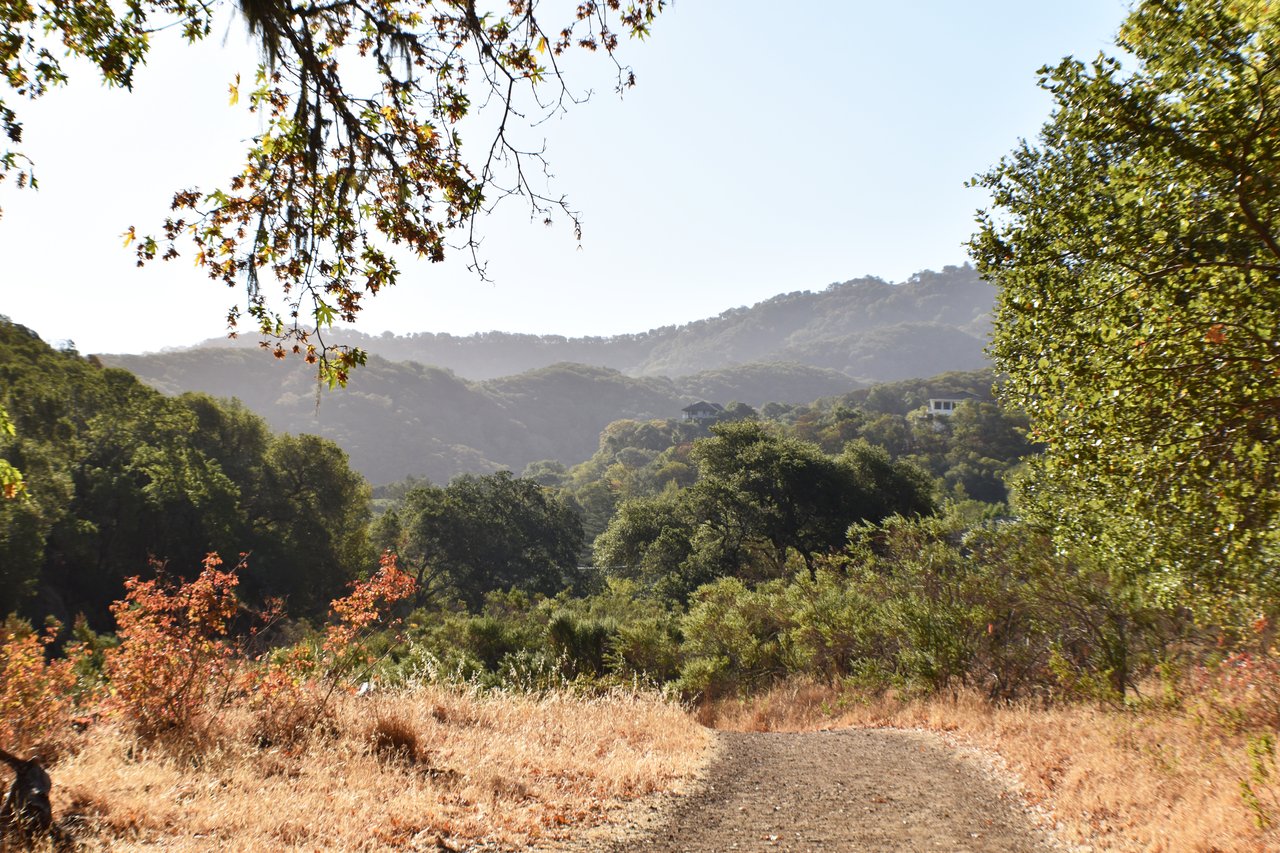
The geography is worth knowing by name rather than by app. Indian Valley Fire Road is the flat, wide spine — well suited to a stroller with real wheels or an easy ride, and the one stretch where dogs can be off leash under voice control with a leash handy. Everything that branches off it requires a leash. The Ad and Gloria Schwindt Trail makes a loop through oak and bay forest; Witzel, Buzzard Burn and the Waterfall Trail are the climbs, and they link into loops. Alexander Trail is hikers only. The most-walked configuration, the Schwindt, Indian Valley and Waterfall loop, runs about 3.5 miles with roughly 500 feet of gain and takes most people ninety minutes to two hours. That is a pre-lunch outing from Pointe Marin, not a day trip. Cell reception up there is poor enough that a downloaded map is the difference between a loop and an improvised detour, and the campus lots have their own parking rules, so read the signage where you park rather than trusting what a hiking forum said three years ago.
The newts are at the start, not the end. Near the beginning of the fire road, just past the college baseball fields, is a small pond — Pacheco Pond — that Marin County Parks describes as holding a surprising array of amphibians: western toads, tree frogs and newts. That is the breeding water the hillside newts are walking toward once the rain starts.
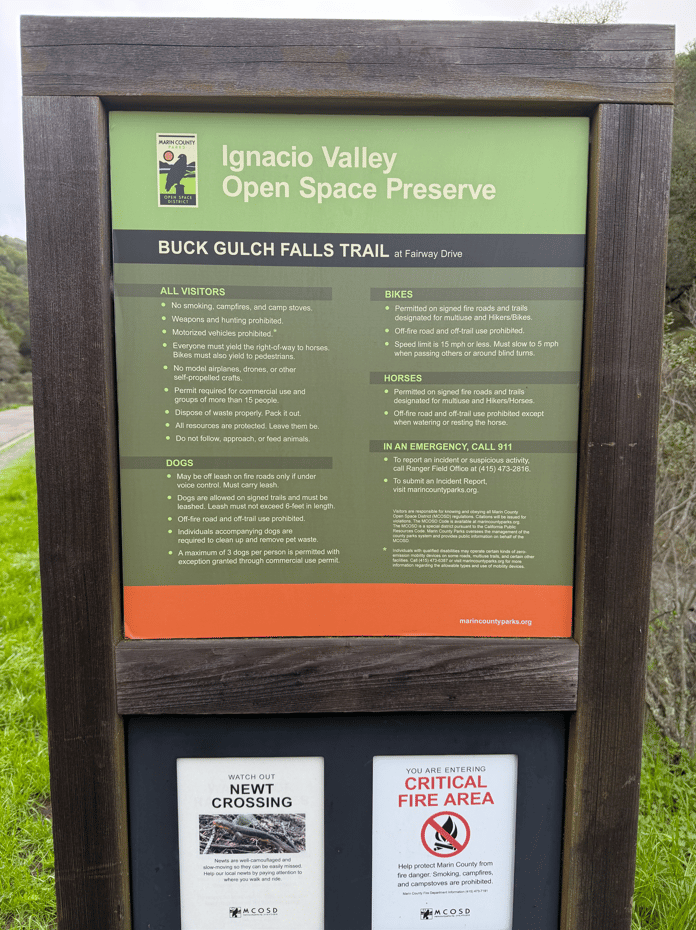
Newt etiquette. Look, don't handle. California newts and their rough-skinned cousins carry tetrodotoxin, a potent neurotoxin, in their skin, and the animals move slowly enough that the real risk to them on a wet trail is a boot. Marin County Parks asks visitors to make sure dogs do not enter the pond. Newts crossing the fire road get a step around, not a lift.
If you want a sense of scale for what a wet night does to these animals, look west. On Chileno Valley Road, the volunteer Chileno Valley Newt Brigade walks a one-mile stretch every night of the migration season, roughly mid-November through mid-March, carrying newts across the pavement toward Laguna Lake. The East Bay Regional Park District closes South Park Drive in Tilden Park for the same reason from the start of November through March. We have the same trigger and the same species in our own backyard preserve, without the road crossing.
Why is the first rain the start of native planting season in Novato?
The third thing the first storm starts is planting season for California natives, which is the opposite of the instinct most of us brought here from somewhere else. Natives planted at the front of the rainy season put down roots through the cool, wet months on rainfall alone and face their first dry summer already established. Spring planting asks them to do that on irrigation, in heat, and it shows.
The local source is on the far side of the preserve. Home Ground Habitats, at 1875 Indian Valley Road, is a nonprofit, volunteer-run native plant nursery and butterfly sanctuary with about an acre of habitat demonstration gardens planted with mature specimens of the plants it sells, so you can see what a species looks like years in before you put it in your yard. Charlotte Torgovitsky leads it. The stock is grown organically with no neonicotinoids or other pesticides, much of it as straight species from locally sourced seed that volunteers harvest and sort by hand, and plant and seed purchases fund the community and school habitat gardens the nursery donates hundreds of plants to each year.
The nursery's current pages list public hours Tuesday, Wednesday and Thursday, 1 to 4 p.m., or by appointment, and note that the schedule changed in mid-2025, so older listings still showing a Monday are out of date. Confirm before you go. There is no parking inside the nursery gate: park along Indian Valley Road itself, not on the side streets, and carpool if you are bringing people. From Pointe Marin it is a short drive around the preserve, not a walk.
What changes before and after the first storm?
Stop | Before the first storm | After the first storm |
|---|---|---|
Farm stand | Saturdays 10 a.m.–1 p.m. through October 31 | Closed for the season |
CSA boxes | Running | Running through November |
Edible Demonstration Garden | Fridays, 9–11 a.m. | Fridays, 9–11 a.m. |
Ken Harth Waterfall Trail | Dry rock | Running water |
Pacheco Pond | Quiet | Newt migration begins |
Fire road footing | Dust | Mud, and the best walking of the year |
Native planting | Wait | Go — Home Ground Habitats, Tue–Thu 1–4 p.m. |
Read that table top to bottom and the point lands. Almost nothing on the west end of Ignacio Boulevard is available year-round. The weeks in front of us are the only stretch where the harvest column and the trail column overlap, and after that the mile does not go quiet. It goes wet.
A useful Saturday looks like this: farm stand at 10, loop the fire road, and finish the errand run back at Pacheco Plaza where you would have stopped anyway. You have driven past the first two stops several hundred times.
What does this have to do with owning a home in Pointe Marin?
Knowing what your street actually does in each season is the kind of detail that separates a house from a neighborhood, and it is the same attention I bring to pricing, preparing and negotiating a home here. Buyers relocating to 94949 ask me about commutes and floor plans; the people who stay for twenty years are the ones who found the last mile of their own road. My guides to what it is really like living in Pointe Marin and everyday life in the neighborhood cover the rest of the year.
If you are weighing a move within Novato, or wondering what your Pointe Marin home would bring in this market, I am a phone call away — and if you already have a number from another agent, a second opinion on that valuation costs nothing.
Pointe Marin, from a broker who lives on the street.
Kyle Frazier, JD, CRS, CLHMS · Broker Associate, Compass · DRE# 01405738
[email protected] · 415-350-9440
Frequently Asked Questions
When does the Indian Valley farm stand close for the season?
The Indian Valley Organic Farm & Garden farm stand at 1800 Ignacio Boulevard runs every Saturday, 10 a.m. to 1 p.m., from July through October, per College of Marin's posted 2026 schedule. The last Saturday of the season is October 31, 2026. Drop-in visits continue Tuesday through Saturday, 10 a.m. to 2 p.m., and CSA boxes run through November. Confirm with the farm office before a special trip, since third-party listings show outdated hours.
Is the Edible Demonstration Garden open to the public?
Yes. The UC Marin Master Gardeners open the Edible Demonstration Garden inside the Indian Valley farm for drop-in visits every Friday from 9 to 11 a.m., with a tour and answers to your gardening questions. The garden may close for holidays or weather, so email the garden volunteers to confirm the schedule. Closed-toe shoes and long pants are recommended because rattlesnakes have been active on the farm in 2026.
When does the Indian Valley waterfall run?
The Ken Harth Waterfall Trail in Indian Valley Open Space Preserve is a rainy-season feature. The cascade does not run until the first sustained fall storms fill the creek, usually in late fall or early winter, and it dries back down as spring warms up. In summer and early fall it is a dry creek walk. Marin County Parks lists it as a rainy-season cascade on its preserve page for that reason.
When do newts migrate in Novato?
California newts spend the dry months underground and migrate to breeding ponds and slow streams once the first soaking rains arrive, typically from late fall into early spring. They move mostly at night, during or just after rain. In Indian Valley Preserve the breeding water is Pacheco Pond, near the start of the Indian Valley Fire Road just past the College of Marin ball fields, where Marin County Parks notes western toads, tree frogs and newts.
Can you touch a California newt?
Don't. California newts and rough-skinned newts carry tetrodotoxin, a potent neurotoxin, in their skin, and handling them is unsafe for you and stressful for the animal. On a wet trail the greater danger to a newt is being stepped on, so watch your footing, step around them and keep dogs out of the pond. Marin County Parks asks visitors specifically to make sure dogs do not enter Pacheco Pond.
Are dogs allowed in Indian Valley Open Space Preserve?
Yes. Under Marin County Parks rules, dogs are welcome and must be leashed on trails; on fire roads they may be under voice command with a leash readily available. Indian Valley Fire Road is the off-leash stretch, and every trail that branches from it requires a leash. Dogs are not permitted in Pacheco Pond, which is the newt and frog breeding water at the start of the fire road.
When is the best time to plant California native plants in Novato?
The start of the rainy season. Natives planted after the first fall storms establish roots through the cool, wet winter on rainfall and face their first summer already settled, which spring plantings have to do on irrigation. Home Ground Habitats, the nonprofit native plant nursery at 1875 Indian Valley Road, sells locally grown, pesticide-free natives Tuesday through Thursday, 1 to 4 p.m., or by appointment. Park on Indian Valley Road; there is no parking inside the nursery.
How far is Indian Valley Preserve from Pointe Marin?
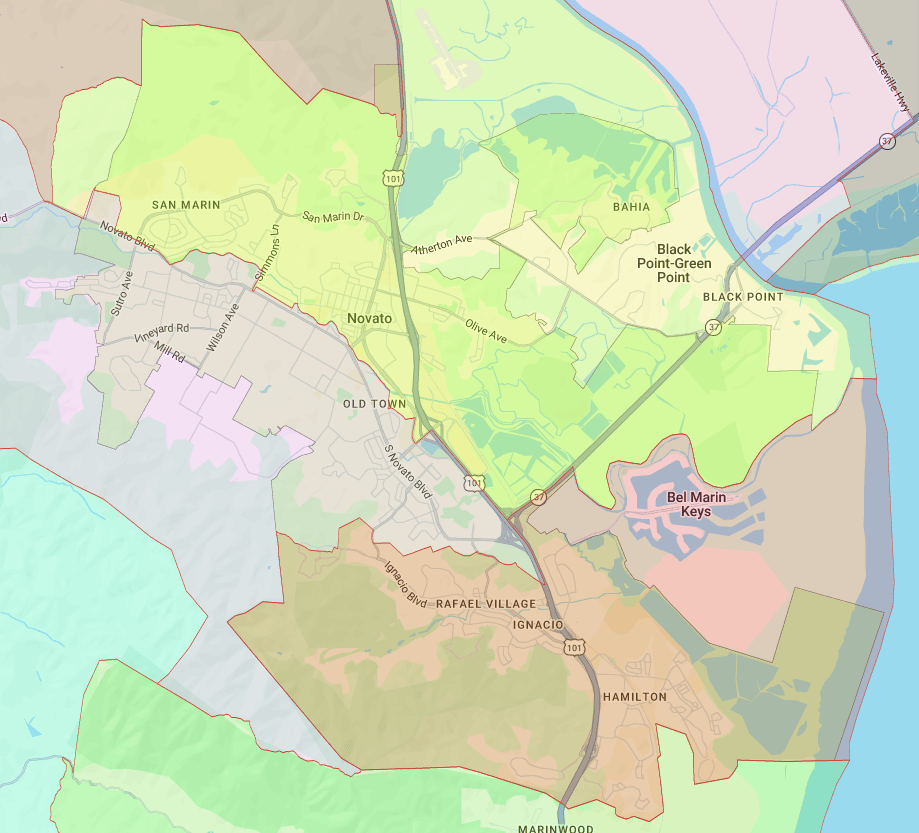
About a mile and a half west of Pacheco Plaza along Ignacio Boulevard, or roughly a five-minute drive from Pointe Marin's front gate, with a walkable route for residents who want to skip the car. The preserve entrance is at the west end of the College of Marin Indian Valley Campus, 1800 Ignacio Boulevard. Campus parking lots carry their own rules, so check the signage where you park; a second entrance sits on Indian Valley Road on the far side of the preserve.
Sources: College of Marin, Indian Valley Organic Farm & Garden (2026 farm stand schedule, visiting hours, CSA); UC Marin Master Gardeners, Edible Demo Garden; Marin County Parks, Indian Valley Preserve; Home Ground Habitats; Chileno Valley Newt Brigade. Hours and seasons change — confirm with each organization before a special trip. Observations of the Pointe Marin loop are the author's own as a resident.