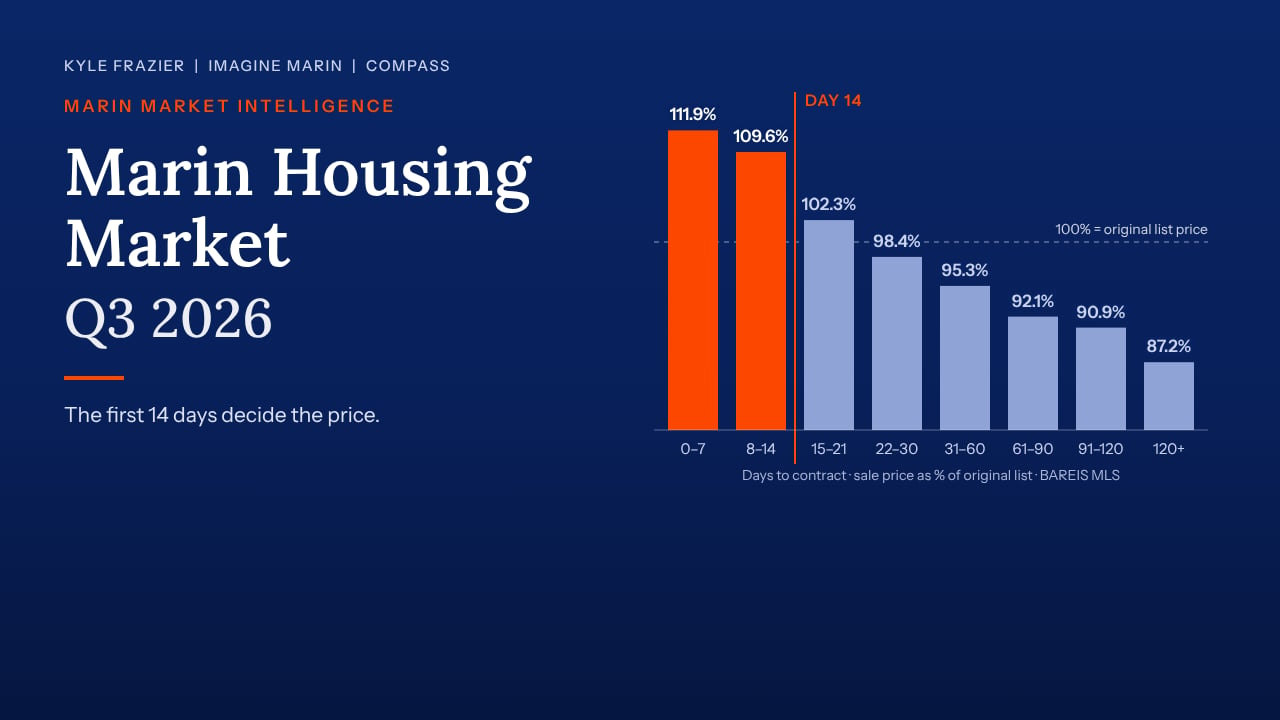
Quick Answer: In Q3 2026, Marin County single-family homes that went into contract within 14 days closed at 110.65% of original list price, per BAREIS MLS (sales closed July 1 – September 30). Homes that took 22 to 30 days closed at 98.42%, under asking, and homes that took more than 120 days closed at 87.21%. On a median home, the difference between a week-two and a week-four contract was about $207,000. I call it the Day-14 Line.
This post is the analysis. Every Q3 table, the six-town breakdown and the quarter-by-quarter record are on my Marin Market Intelligence page.
Video: my Marin County Q3 2026 market update (14 minutes) — the Day-14 Line, the $340,000 Sprint vs. Stale gap and the six-town breakdown. Source data: BAREIS MLS. Watch on YouTube.
Key Takeaways — Q3 2026, per BAREIS MLS:
- The 30-day rule hides a 14-day rule. 42.1% of open-market sales were in contract within 14 days, at 110.65% of original list. By days 22 to 30 the result was 98.42%.
- The Sprint vs. Stale gap on a median home is now about $340,000. The fast end did not move. The slow end got less punishing.
- Demand returned and supply did not: 477 open-market sales, up 13.3%, against 26.0% fewer new listings.
- Of 80 additional sales, 78 closed above $1.5 million, and 19.4% of the quarter’s dollars sold off-MLS.
- Most of these sales were negotiated before the 30-year fixed rose to 7.28%. I close with three calls for Q4.
What Is the Day-14 Line?
It is the point, two weeks into a listing, where the premium over asking starts to disappear. In every quarterly report I split Marin into a Sprint Market, homes in contract within 30 days, and a Stale Market, everything slower. That split still holds. But this quarter I broke the first 30 days into weeks, and the average for the month turned out to be covering for two very different halves.
Days to contract | Q3 2026 sales | Sale price vs. original list | Q3 2025 | |
|---|---|---|---|---|
0–7 days | 94 | 111.87% | 106.84% | |
8–14 days | 107 | 109.57% | 104.69% | |
15–21 days | 58 | 102.33% | 99.97% | |
22–30 days | 48 | 98.42% | 98.47% | |
31–60 days | 82 | 95.33% | 93.72% | |
61–90 days | 43 | 92.06% | 90.59% | |
91–120 days | 21 | 90.89% | 88.54% | |
More than 120 days | 24 | 87.21% | 79.86% |
Per BAREIS MLS. Marin County single-family open-market sales closed July 1 – September 30 of each year. Sale price as a percentage of original list price, dollar-weighted within each group. Orange bars are above original list; navy bars are below.
Weeks one and two are the premium: 201 sales, 42.1% of the quarter, at a combined 110.65% of original list. Week three gives most of it back, falling to 102.33%. That seven-point drop is the largest single step anywhere on the ladder, bigger than the step at day 30. And the homes that went into contract on days 22 to 30 closed at 98.42%. They “sold in under a month,” and they sold under asking.
This is not a one-quarter result. I ran the same split on seven quarters of sales, the earliest of them Q3 2023, and the 22-to-30-day group closed below original list in all seven.
In dollars, on the quarter’s median original list price of $1,695,000, a contract in the first two weeks was worth about $180,500 over asking. A contract in week four gave back about $26,800. Two homes that both count as Sprint sales ended up roughly $207,000 apart. The pattern fits how offer dates work in Marin: prepared buyers tour a new listing in its first week and write by its second. Offers that arrive later are negotiating, not competing.
Why Did the Sprint vs. Stale Gap Shrink to $340,000?
Because the slow end of the market did less badly, not because the fast end cooled. Per BAREIS MLS, 64.4% of Q3 open-market sales were in contract within 30 days, and they closed at 107.28% of original list. Homes that took more than 120 days closed at 87.21%. Apply that 20-point spread to the median original list price and the gap is about $340,000.
In my Q2 report I published that gap as $385,000. Two things changed. First, I now measure prices and speed on open-market sales only, because a home that was never publicly listed has no days on market and no asking price that buyers competed over. On that basis the Q2 gap was about $462,000. Second, the bottom of the ladder moved. The Sprint premium was 107.23% in Q2 and 107.28% in Q3, essentially identical. The 120-plus-day group went from 80.81% to 87.21%.
I would not call that a trend. It is 24 sales. And 87 cents on the original dollar is still an expensive way to sell a house.
Why Is Marin Moving This Fast With Rates Above 7%?
Because buyers came back and sellers did not. Marin closed 477 open-market single-family sales in Q3 2026, up 13.3% from 421 a year earlier, and another 72 were reported off-MLS. The median price rose 5.9% to $1,700,000, and the median home sold in 19 days instead of 29. Price per square foot rose 5.6%, so the gain is appreciation and not a shift toward bigger homes.
New listings went the other way. Only 430 homes carry a Q3 listing date, down 26.0% from 581. Over the same three months the 30-year fixed rose from 6.43% to 7.28%, per Freddie Mac, which makes it harder for an owner with a low-rate mortgage to give it up. Fewer listings and more closings is how a market gets faster and pricier at once.
Do not read the drop from spring as a slowdown. Total sales fell 23.3% from Q2 to Q3. Last year the same seasonal drop was 23.1%.
Where Did the Growth Come From?
From the top, and increasingly out of public view. Marin recorded 80 more sales than in Q3 2025, and 78 of them closed above $1.5 million. Below that line, sales were flat at 201 against 199. The strongest bidding was between $3 million and $5 million, where Sprint sales closed at 110.34% of original list, up from 101.76% a year ago.
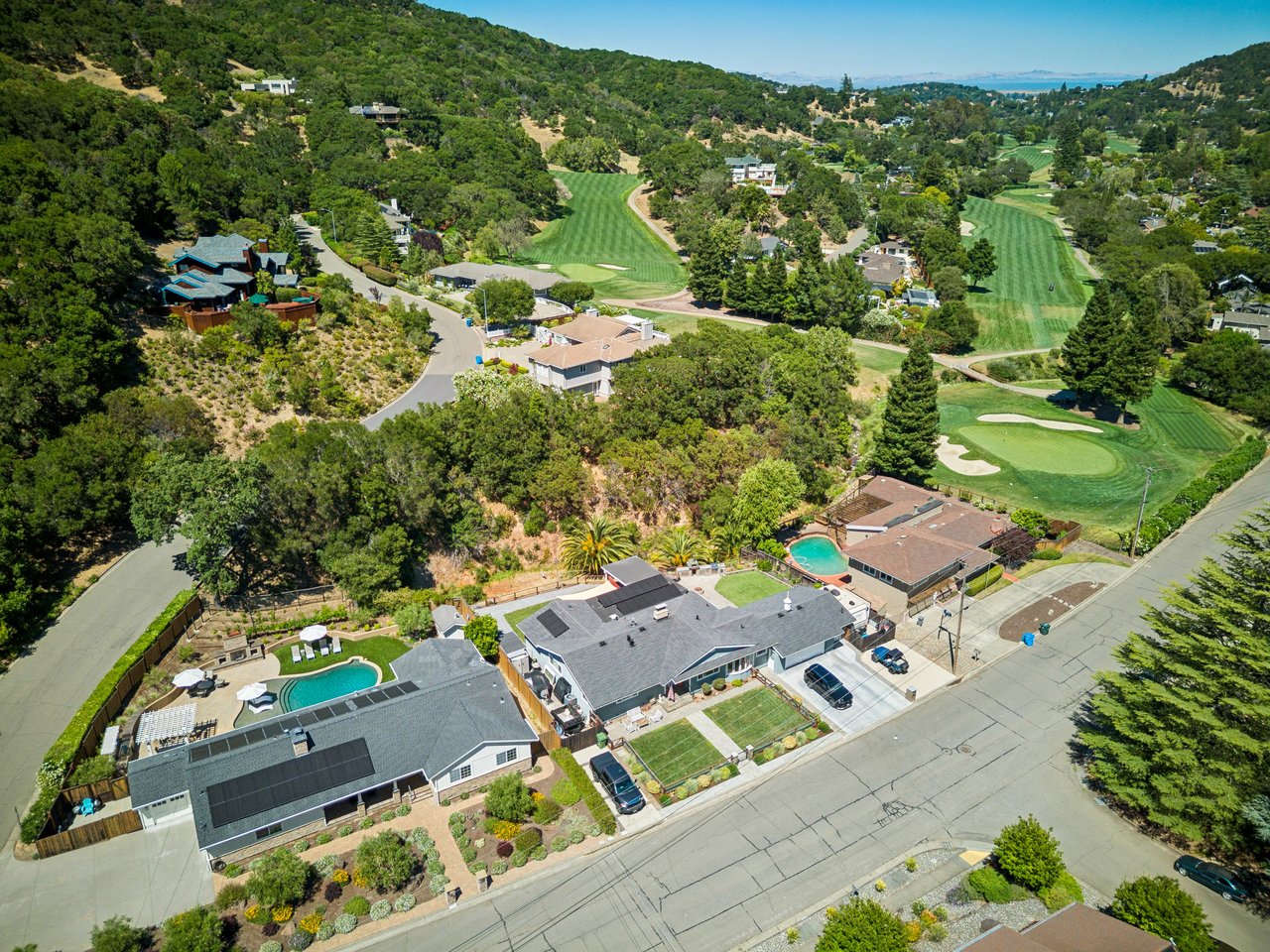
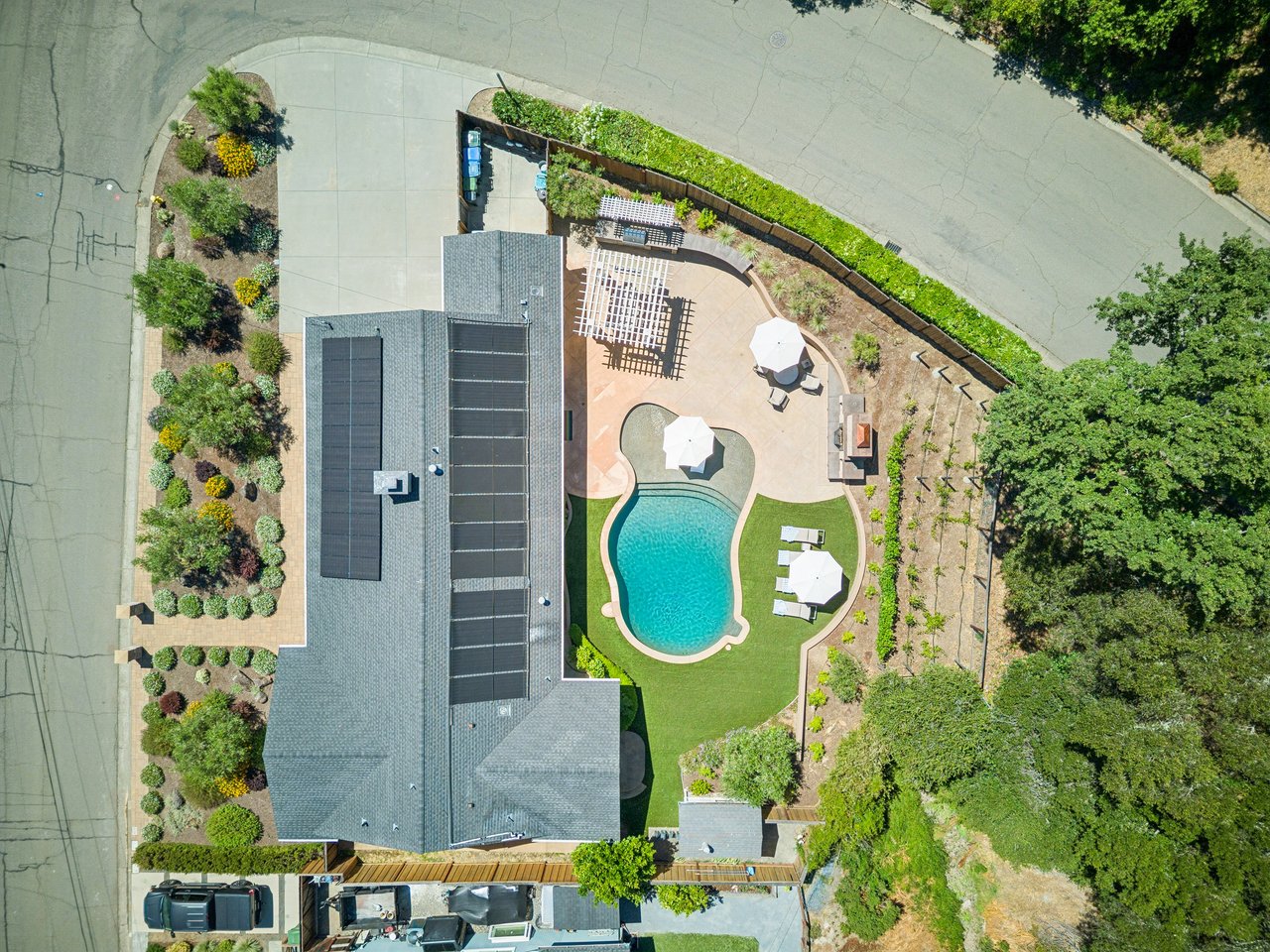
Then there is the part you cannot see on a listing site. The 72 off-MLS sales were 13.1% of all sales but 19.4% of the dollars, and above $5 million they were 13 of 38. Those are only the private sales that agents reported afterward, so the real share is higher. One was mine: 598 Fairway Drive in Marin Country Club Estates closed off-market in July at $2,800,000, which was $1,192,200 above its Zestimate from a month earlier. Zillow and BAREIS diverge most where the sales are least visible. Here is how off-market sales work in Marin.
New construction points the same way. At Legacy at Lucas Valley in San Rafael, where I serve as broker ambassador, sales picked up sharply in Q3. At Magnolia Village, the 20 new townhomes coming to Larkspur in 2027 where I am Sales and Marketing Director, early interest on the First Look List has been exceptionally strong.
Which Towns Tell the Story?
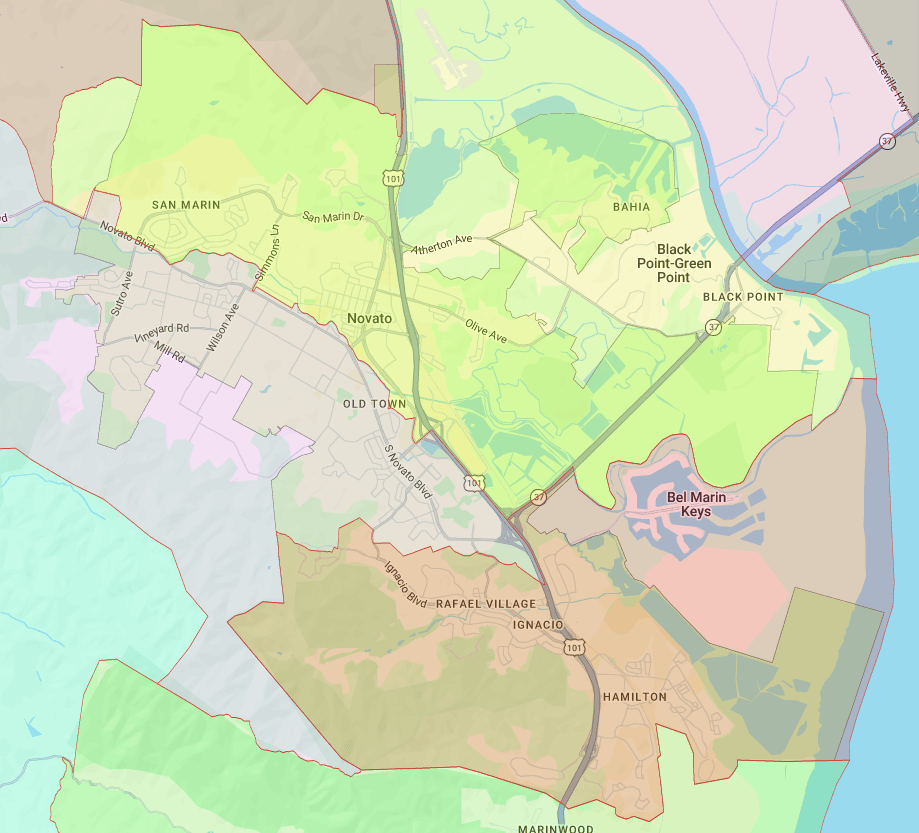
Three of them, each for a different reason. The numbers for all six towns I track are in the town table on my Market Intelligence page.
San Rafael moved the most. Open-market sales rose 36.6% and the median rose 15.4% to $1,650,000, with price per square foot up 10.3%. The median home sold in 16 days, down from 28.
Mill Valley looks slow and is not. Open-market sales fell 20.0% to 48, but 15 more closed off-MLS, nearly a quarter of the town’s 63 sales. On the open market, 79.2% were in contract within 30 days, the highest share of the six.
Tiburon’s median pointed the wrong way again. The median fell 5.3% while price per square foot rose 17.9% and sales rose 25.0%. It is the second straight quarter the headline number and the market disagreed.
And in Novato, where I live, sales rose 34.1% while the median stayed flat near $1.2 million. It is still the county’s fair-value entry point.
What Should Sellers and Buyers Do With This?
Sellers: price for the first 14 days, not the first 90. Solve insurance before you list. If you are in a wildfire zone, finish the AB-38 inspection and have quotes in hand on day one; the California FAIR Plan’s 29.1% average dwelling rate increase takes effect October 15, 2026. And do not count on a do-over. Of the 190 Marin listings that were withdrawn, canceled or expired in Q3 2025, the 110 that have since sold closed at a median of 89.7% of their first asking price. My Seller Resources page covers how I set up a launch.
Buyers: be what I call an S-Tier buyer before the house appears. That means financing fully underwritten, not just pre-approved, and insurance researched before you write. In September my buyer won a single-level home at 207 Madrone Avenue in Larkspur that had been on the market only a few days, because the underwriting was done before the offer went in. The full playbook is in this video and on my Buyer Resources page:
If you want leverage instead of speed, it is on the other side of day 30. As of October 4, 158 of Marin’s 290 active listings had been on the market more than 30 days, and 103 had already been reduced.
Will the Two-Week Premium Hold in Q4?
That is what the next three months decide. At 20% down on the median price, the rate move since July adds about $771 a month in principal and interest. Here are three calls, on the record, to be graded when the Q4 numbers are in:
- The Sprint premium holds above 105%. It was 107.28% in Q3 2026 and 104.02% in Q4 2025.
- The 120-plus-day group tops 8% of Q4 open-market closings. It was 5.0% in Q3 and 10.0% in Q4 2025, and 54 active listings are already past 120 days.
- Q4 open-market sales beat last year’s 431. September closings ran 11.8% above September 2025, and 142 homes were in contract on October 4.
Frequently Asked Questions
What is the Day-14 Line?
The Day-14 Line is the point, two weeks after a Marin home is listed, where the premium over original list price starts to disappear. Per BAREIS MLS, Q3 2026 homes in contract within 14 days closed at 110.65% of original list price. Homes that took 15 to 21 days closed at 102.33%, and homes that took 22 to 30 days closed at 98.42%.
How much does a slow first month cost a Marin seller?
On a median Marin home in Q3 2026, the difference between a contract in the first two weeks and a contract in week four was about $207,000, per BAREIS MLS sale-to-list figures. Missing the first 30 days entirely cost about $202,500 against the average Sprint sale, and a sale past 120 days cost about $340,000.
Why did the Sprint vs. Stale gap fall from $385,000 to $340,000?
Two reasons. First, the basis changed: the Q2 figure of $385,000 counted off-MLS sales, and on this report’s open-market basis Q2 was about $462,000. Second, the slowest sales did less badly. Homes that took more than 120 days closed at 87.21% of original list in Q3 2026, up from 80.81% in Q2, per BAREIS MLS. The premium on fast sales did not change.
Did higher mortgage rates slow the Marin market in Q3 2026?
Not in the closed sales. The 30-year fixed rate rose from 6.43% on July 2 to 7.28% on October 1, per Freddie Mac, yet Q3 open-market sales rose 13.3% year over year, per BAREIS MLS. Most of those sales were negotiated before the bulk of the rate move, so Q4 is the real test.
Want to know which side of the Day-14 Line your home would land on?
I run sub-market BAREIS pulls for every Marin neighborhood I serve. Tell me your address and your timeline, and I will show you the numbers for your street.
Kyle Frazier, JD | Broker Associate, Compass | (415) 350-9440 | [email protected]
Author: Kyle Frazier, JD, CRS, CLHMS — Broker Associate, Compass, DRE# 01405738. Source data: BAREIS MLS, Marin County single-family residences, statuses Closed and Sold Off MLS, closed July 1 – September 30, 2026 against the same dates in 2025; pulled October 4, 2026. Price, days-on-market and sale-to-list figures use open-market (Closed) sales; sales counts by price tier and dollar volume include sales reported off-MLS. Sale-to-list is sale price as a percentage of original list price, dollar-weighted within each days-to-contract group; dollar figures apply those percentages to the quarter’s median original list price of $1,695,000. Small groups, including the 120-plus-day group (24 sales), can swing quarter to quarter. Mortgage rates are from the Freddie Mac Primary Mortgage Market Survey. Full method and definitions are on the Marin Market Intelligence page. Deemed reliable but not guaranteed; subject to revision as late-reported sales post to the MLS.